
Farmhouse in a wheat field — History & Facts
Can paint confess what words never could? In Farmhouse in a Wheat Field, the canvas whispers secrets of dreams lodged within the golden hues of rural life, capturing the essence of a fleeting moment suspended in time. Look to the left at the farmhouse, its weathered walls speaking of stories past, while the wheat field surrounds it like an embrace, swaying gently in the wind. The brushstrokes are bold and expressive, with a symphony of yellows and greens that vibrate with energy and warmth. The sky, a swirling blend of blues and whites, hints at an impending change, inviting viewers to feel the pulse of nature as they traverse through the scene. Beneath the surface, the contrast between the sturdy, steadfast farmhouse and the wild, undulating wheat suggests a tension between stability and transience.
Each golden stalk seems to dance in the sunlight, yet their movement speaks to the impermanence of life, echoing the dreams that linger just out of reach. The vibrant colors ignite emotions of nostalgia and longing, evoking the viewer’s own connection to landscapes that foster dreams and memories. In 1888, the artist immersed himself in the vibrant colors and the warmth of Arles, France, seeking solace and inspiration among the sun-drenched fields. It was a time of intense creativity, as he experimented with new techniques and emotional depth while grappling with mental health challenges.
This painting is a testament to his commitment to capturing the beauty of everyday life, blending the dreamlike with the real.
More Artworks by Vincent van Gogh
Browse all →
Starry Night
Vincent van Gogh
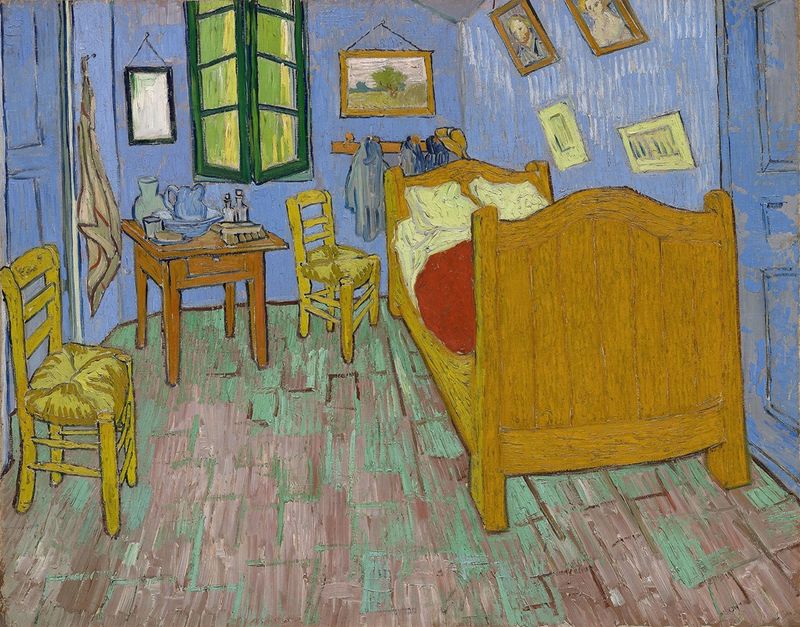
The Bedroom
Vincent van Gogh
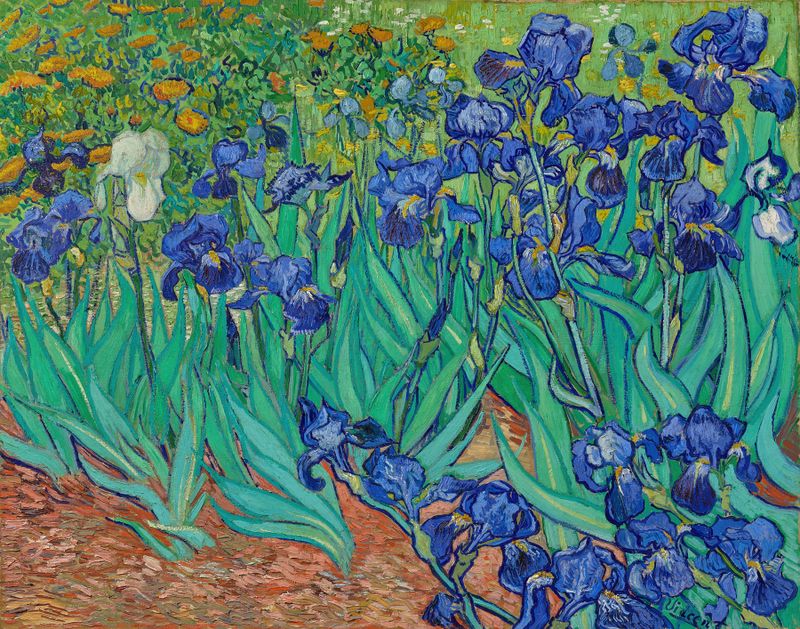
Irises
Vincent van Gogh
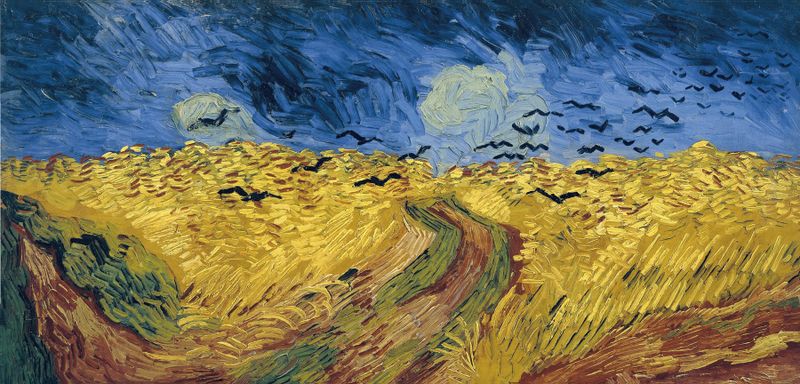
Wheatfield with Crows
Vincent van Gogh
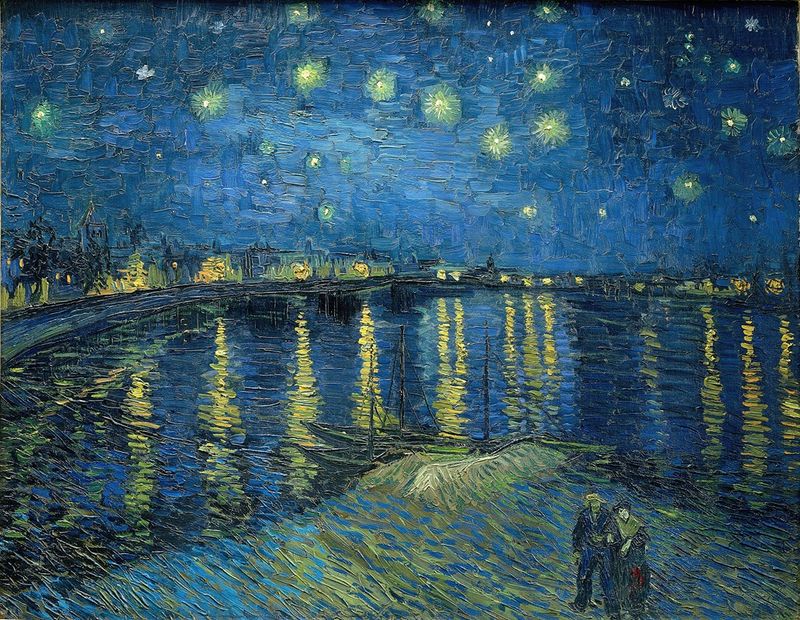
Starry Night over the Rhone
Vincent van Gogh

The yellow house
Vincent van Gogh
Almond tree in blossom
Vincent van Gogh

Portrait of Dr Gachet
Vincent van Gogh

The Church in Auvers-sur-Oise, View from the Chevet
Vincent van Gogh

Self-Portrait
Vincent van Gogh





