
Faschingszug in Wien am 18. Februar — History & Facts
In Faschingszug in Wien am 18. Februar, Oskar Laske captures a vibrant carnival scene filled with colorful figures and festive energy. The painting features a lively parade with people dressed in elaborate costumes, celebrating in the streets of Vienna.
Bright hues of red, yellow, and blue dominate the canvas, creating a sense of joy and movement. The background shows historic buildings, adding to the festive atmosphere of the event. Laske's technique showcases bold brushstrokes and a dynamic composition that draws the viewer's eye across the painting. The use of color is particularly striking, with contrasting tones that enhance the liveliness of the scene.
The figures are depicted with exaggerated forms, emphasizing their exuberance and the celebratory nature of the carnival. This work exemplifies the Expressionist style, focusing on emotional experience rather than realism. Oskar Laske was an Austrian painter associated with the Expressionist movement, known for his lively depictions of urban life. Faschingszug in Wien am 18.
Februar reflects his interest in capturing the spirit of community and festivity. An interesting fact about this work is that it was painted during a time when Vienna was experiencing a cultural renaissance, making it a significant representation of the city's vibrant social life. Laske's works often celebrate the joy of everyday moments, as seen in this lively carnival scene.
More Artworks by Oskar Laske

Faschingsumzug am Stock im Eisen Platz
Oskar Laske
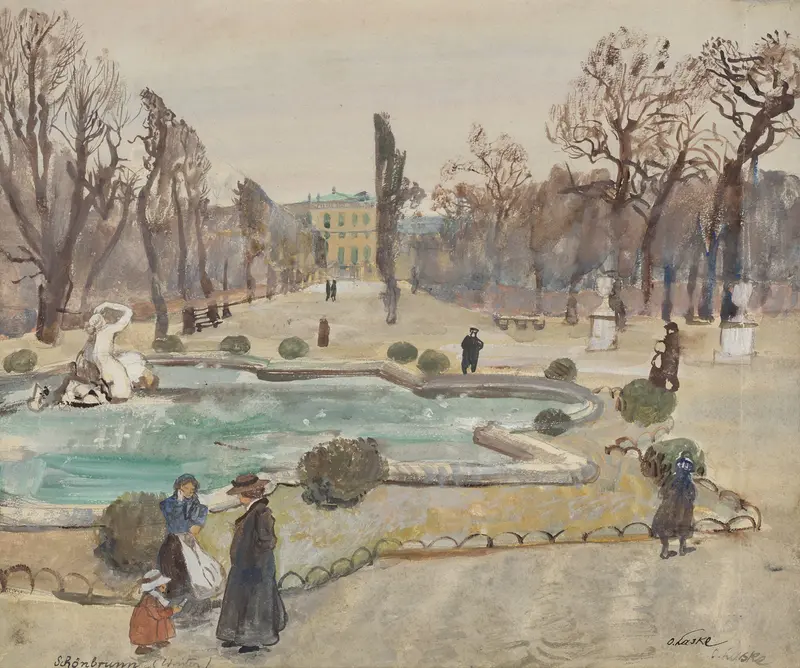
Schönbrunn (Winter)
Oskar Laske
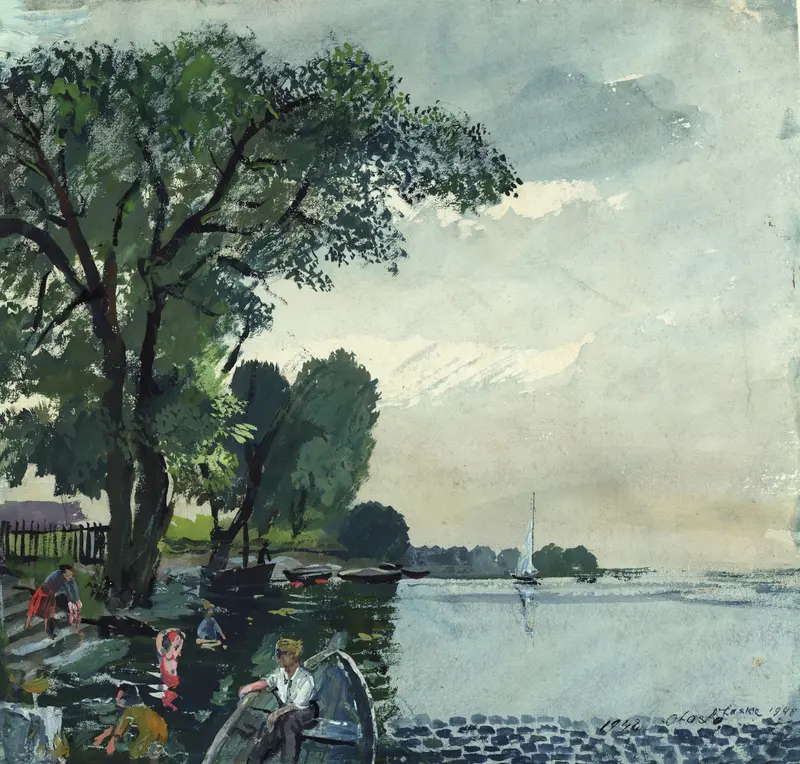
Pratermotiv an der alten Donau
Oskar Laske
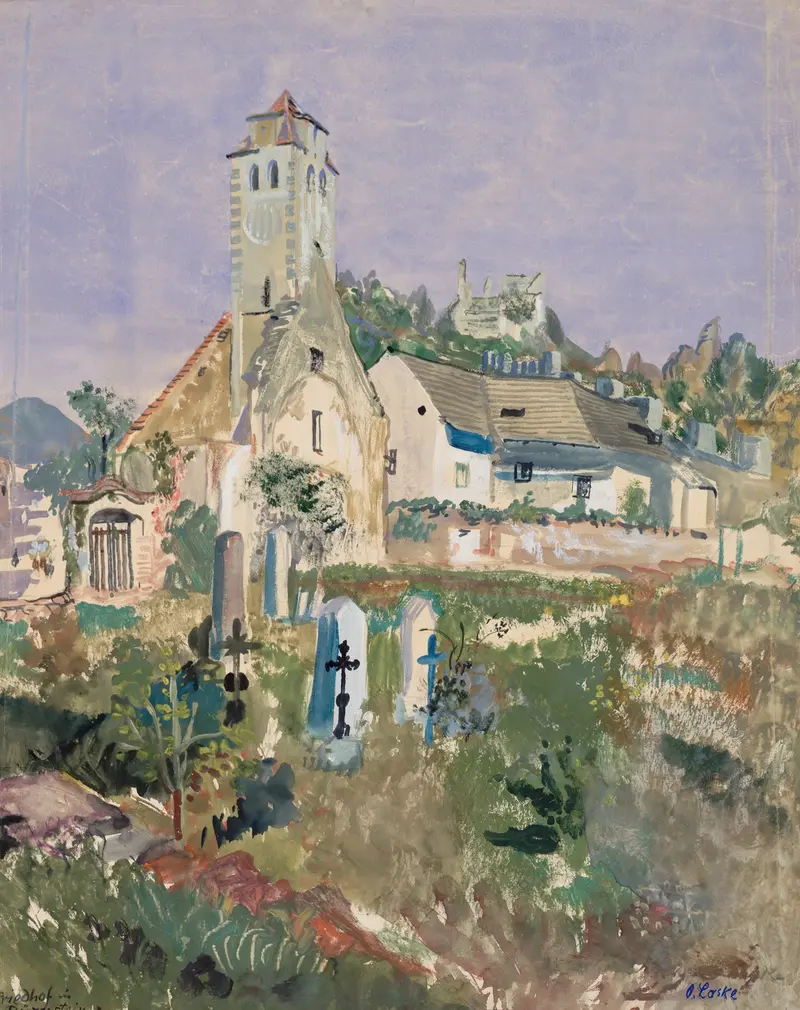
Friedhof in Dürnstein
Oskar Laske
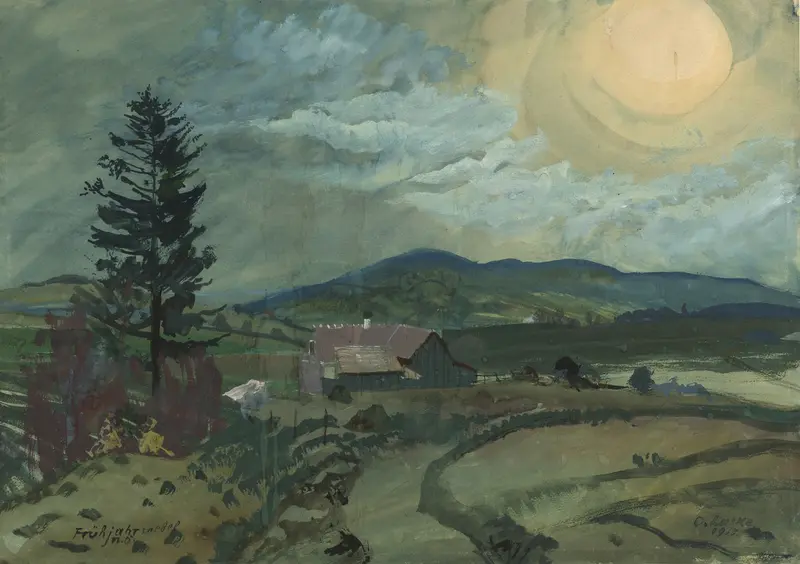
Frühjahrsnebel in Niederösterreich
Oskar Laske
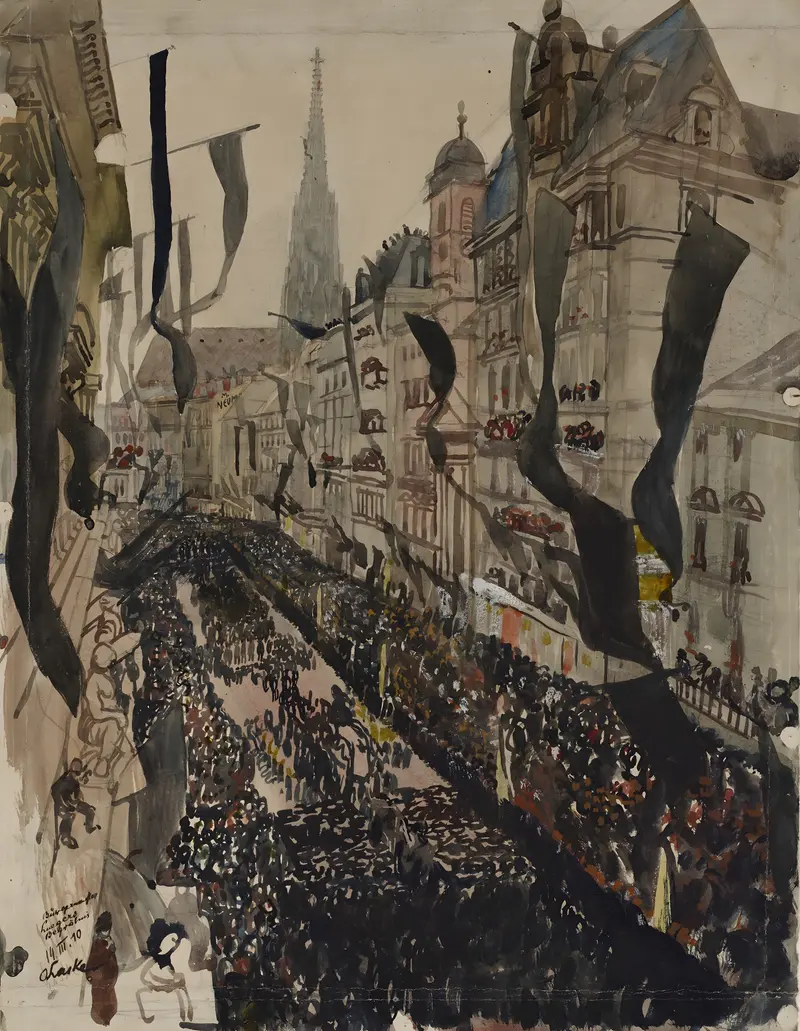
Begräbnis des Wiener Bürgermeisters Dr. Karl Lueger
Oskar Laske
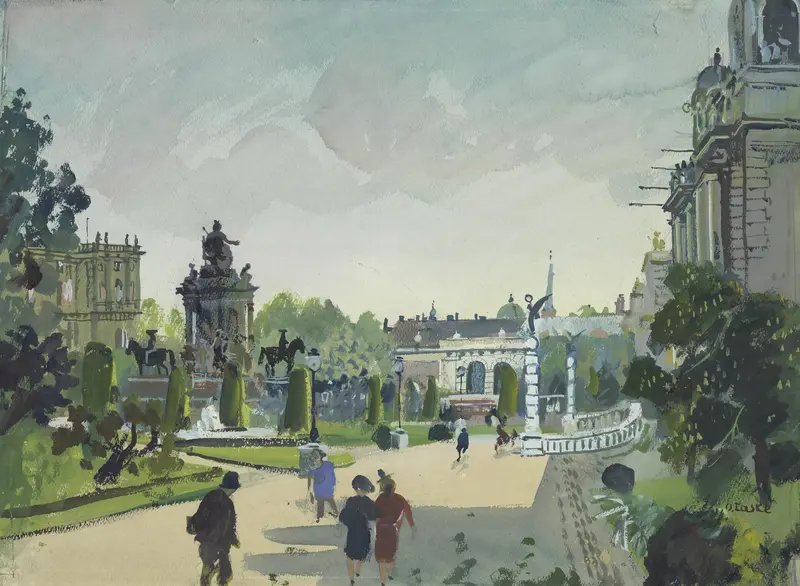
Maria Theresien-Denkmal mit Blick gegen das Burgtor
Oskar Laske
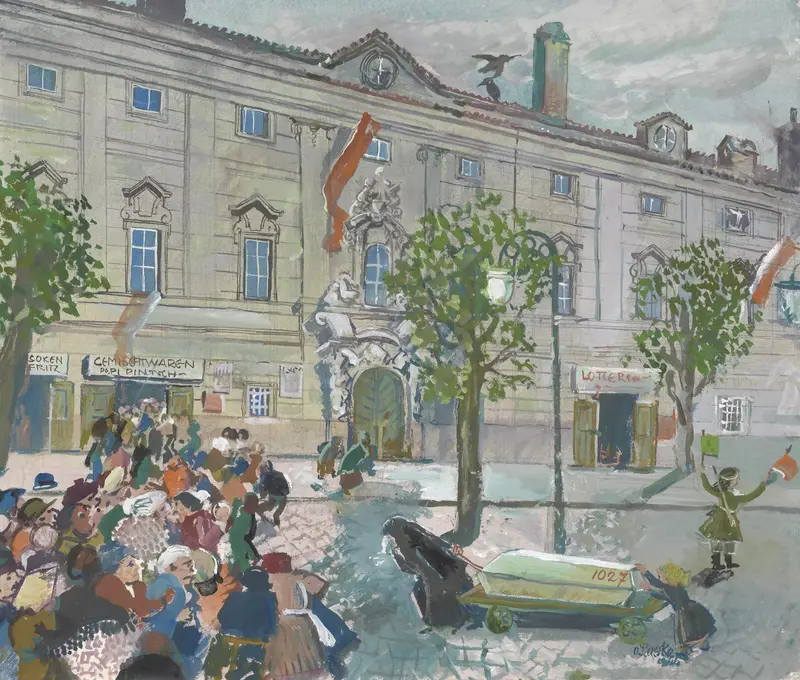
Wiener Straßenbild vom Mai 1945
Oskar Laske
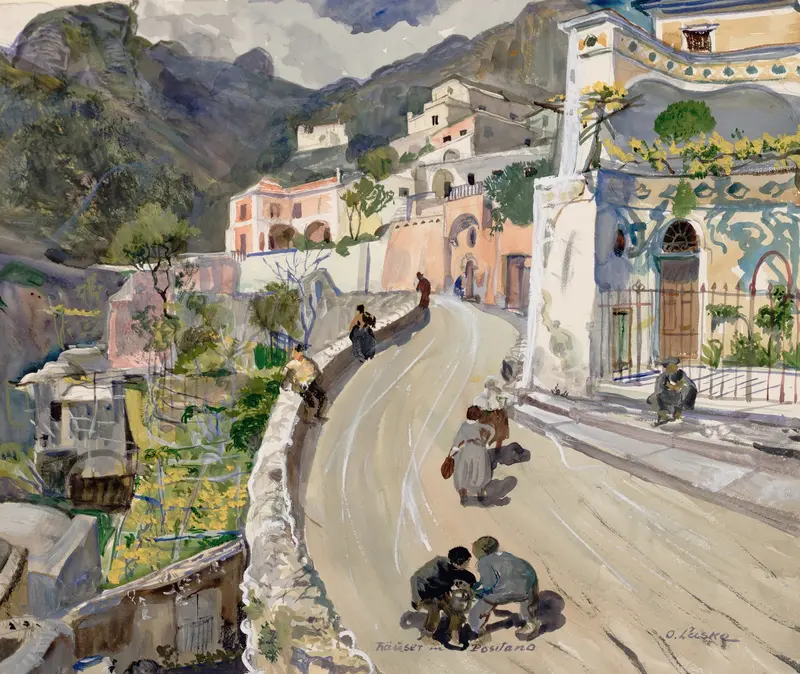
Ansicht von Positano
Oskar Laske
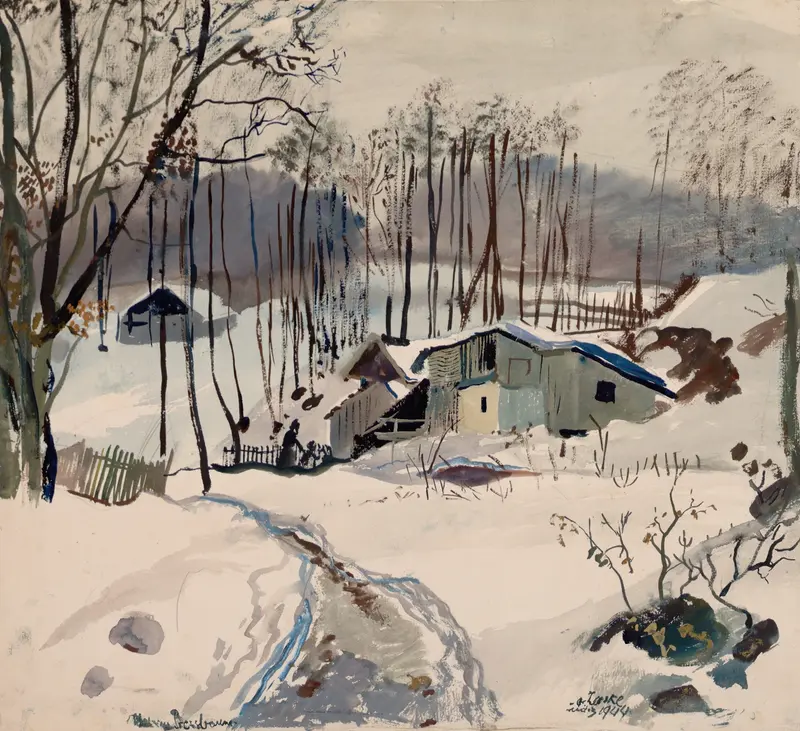
Winterlandschaft in Pressbaum
Oskar Laske
More Genre Scene Art

Banquet of the Officers of the St George Civic Guard
Frans Hals

Rembrandt and Saskia in the Scene of the Prodigal Son
Rembrandt van Rijn

Bal du moulin de la Galette
Pierre-Auguste Renoir

Quadrille at the Moulin Rouge
Henri de Toulouse-Lautrec

A Burial at Ornans
Gustave Courbet

When Will You Marry?
Paul Gauguin