
Fat Child — History & Facts
When Fat Child appeared in Paris in 1915, it caused a quiet stir among the circle of artists and writers who frequented the Montparnasse cafés. Unlike the elongated, mask-like portraits that would later define Amedeo Modigliani’s style, this work stands out for its unusual subject: a corpulent, almost monumental child, rendered with a frankness that defied the era’s conventions of childhood innocence. The painting’s medium remains uncertain—some believe it is oil, others suggest tempera—but its bold, sculptural presence is unmistakable.
Scholars still debate whether the sitter was a real child from Modigliani’s neighborhood or a composite born from memory and imagination. The child sits upright, gazing directly at the viewer with an expression that is both solemn and inscrutable. The body is rounded and weighty, the hands resting heavily in the lap, while the face is framed by dark, close-cropped hair. Modigliani’s brushwork here is broad and simplified, emphasizing volume over detail, and the background is reduced to a flat, muted field that pushes the figure forward.
Unlike Renoir’s rosy-cheeked children or the playful innocence in Mary Cassatt’s portraits, Modigliani’s child appears isolated and self-contained, a figure of gravity rather than sentiment. The artist’s interest in African masks and archaic sculpture is visible in the stylized features and the sense of timelessness that pervades the composition. Little is known about the early history of Fat Child, and it does not appear in the artist’s correspondence or exhibition records from the period. It is generally accepted that Modigliani painted it during his brief but intense portrait phase, just before his turn to the nudes that would make his reputation.
The painting has passed through several private collections and has occasionally been the subject of attribution debates, given the scarcity of securely documented works from this moment in Modigliani’s career. Today, Fat Child is recognized as a rare glimpse into the artist’s evolving vision and his fascination with the human form in all its diversity.
More Artworks by Amedeo Modigliani
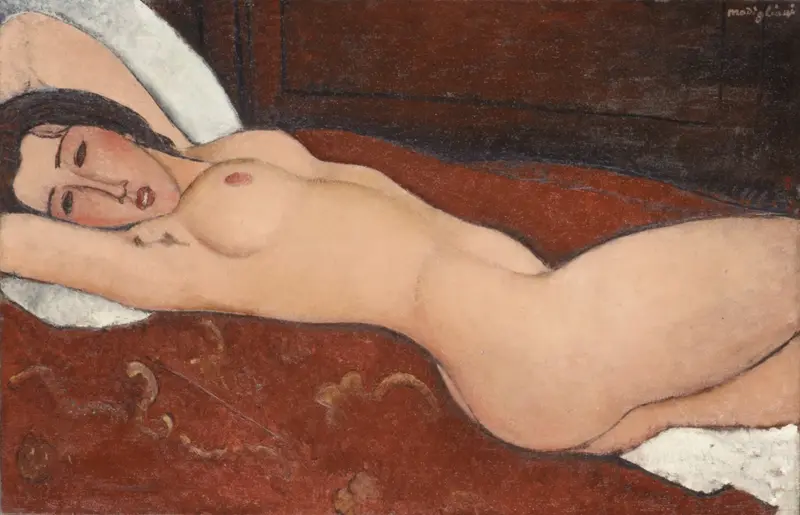
Reclining Nude
Amedeo Modigliani

Portrait Of Jeanne Hébuterne
Amedeo Modigliani

Jeanne Hébuterne
Amedeo Modigliani
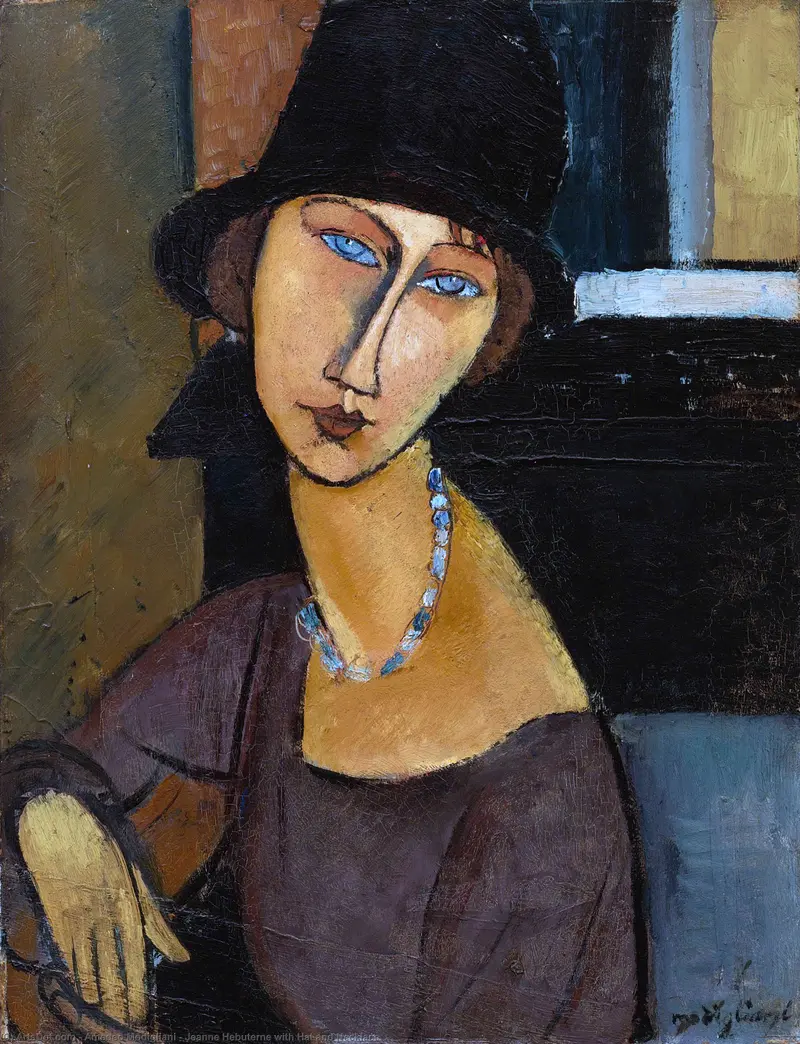
Jeanne Hébuterne with Hat and Necklace
Amedeo Modigliani
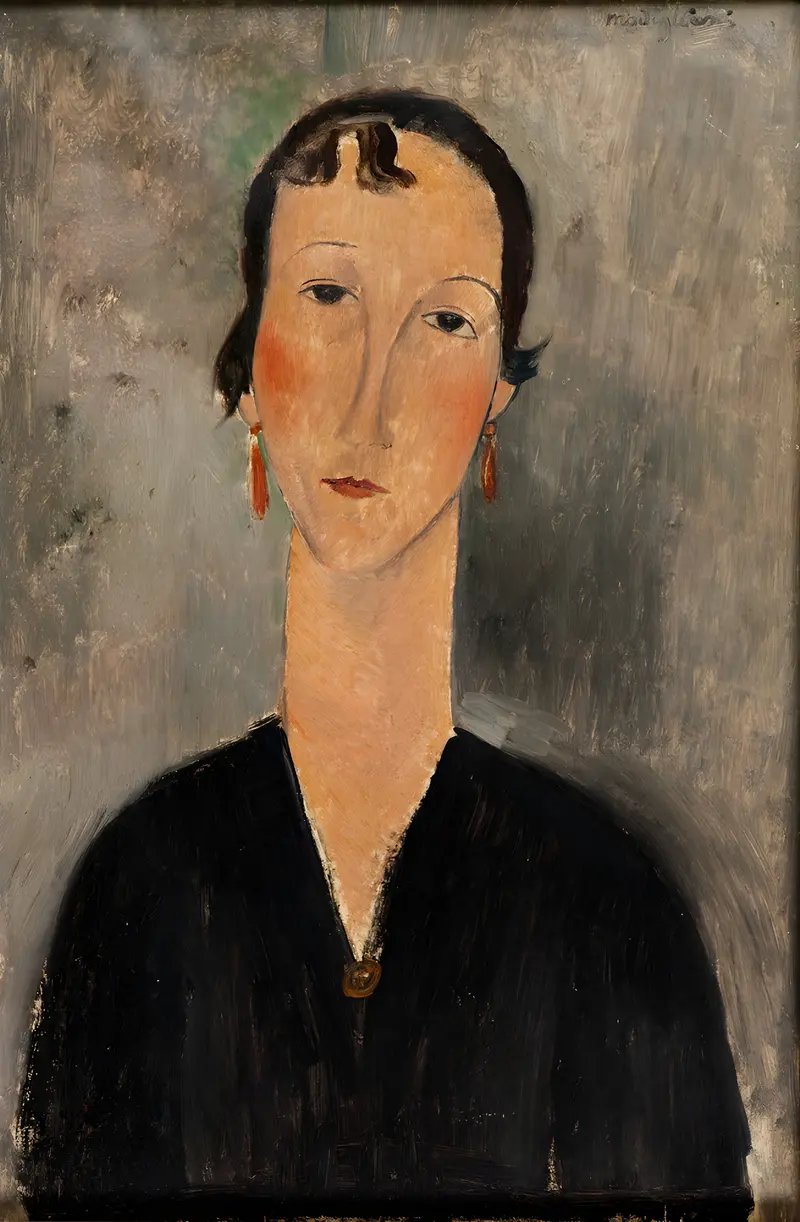
Femme aux boucles d'oreilles
Amedeo Modigliani
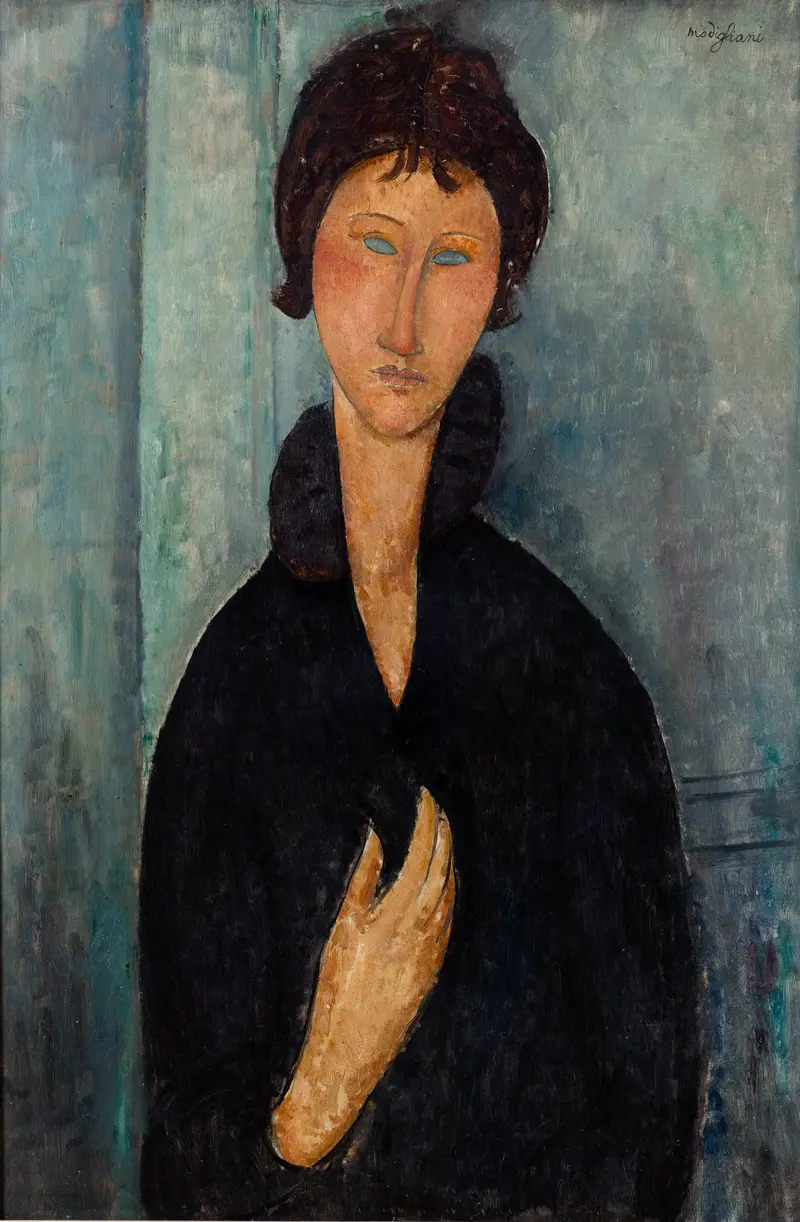
Femme aux yeux bleus
Amedeo Modigliani
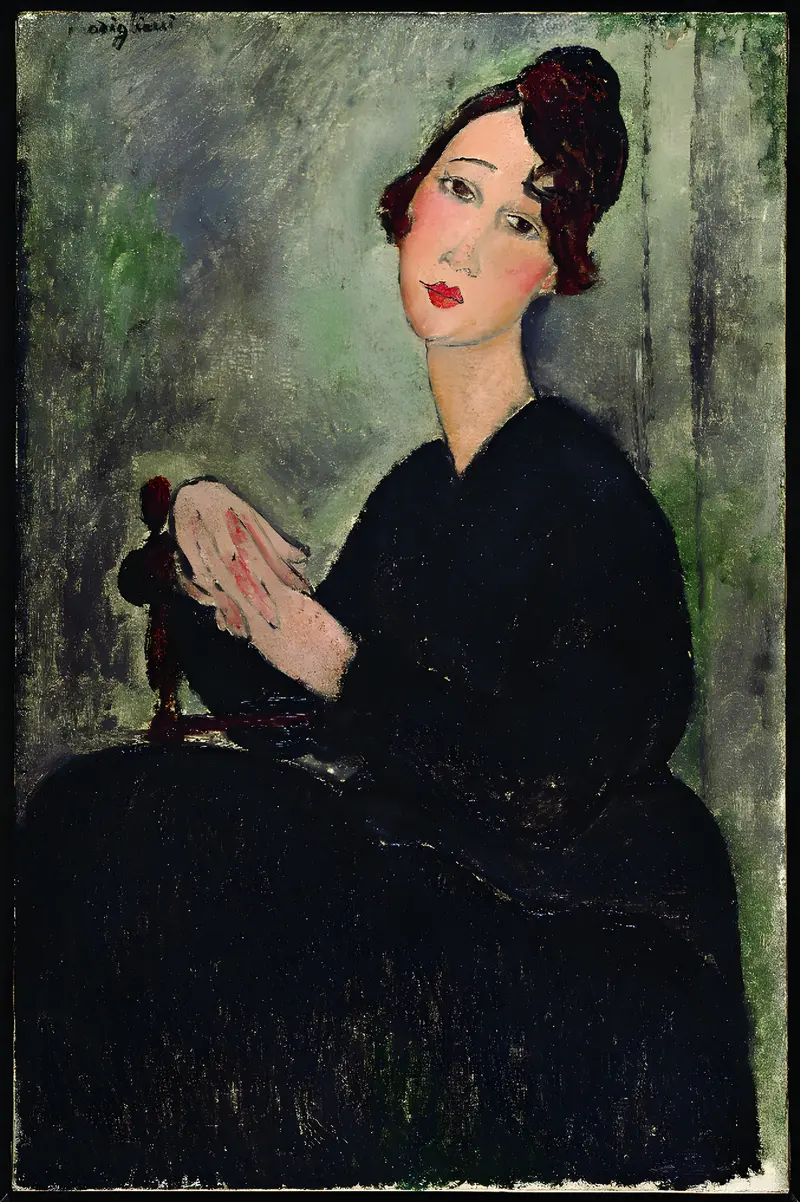
Portrait of Dedie
Amedeo Modigliani
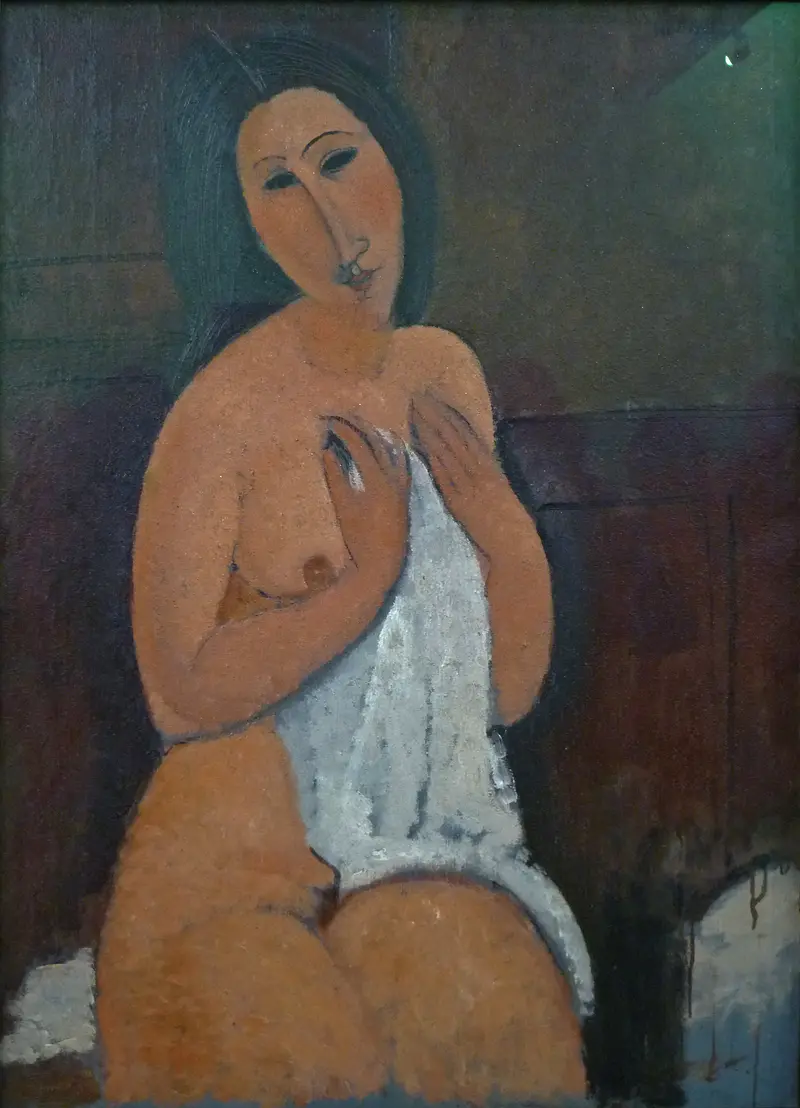
Seated nude with shirt
Amedeo Modigliani
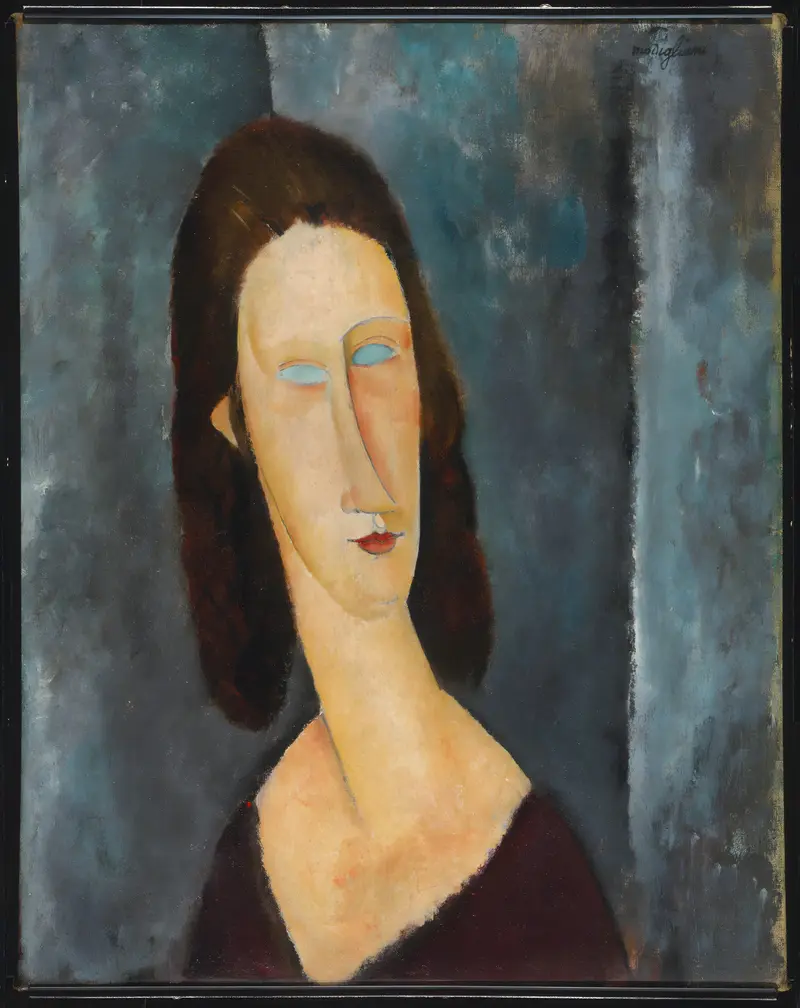
Blue Eyes (Portrait of Madame Jeanne Hébuterne)
Amedeo Modigliani
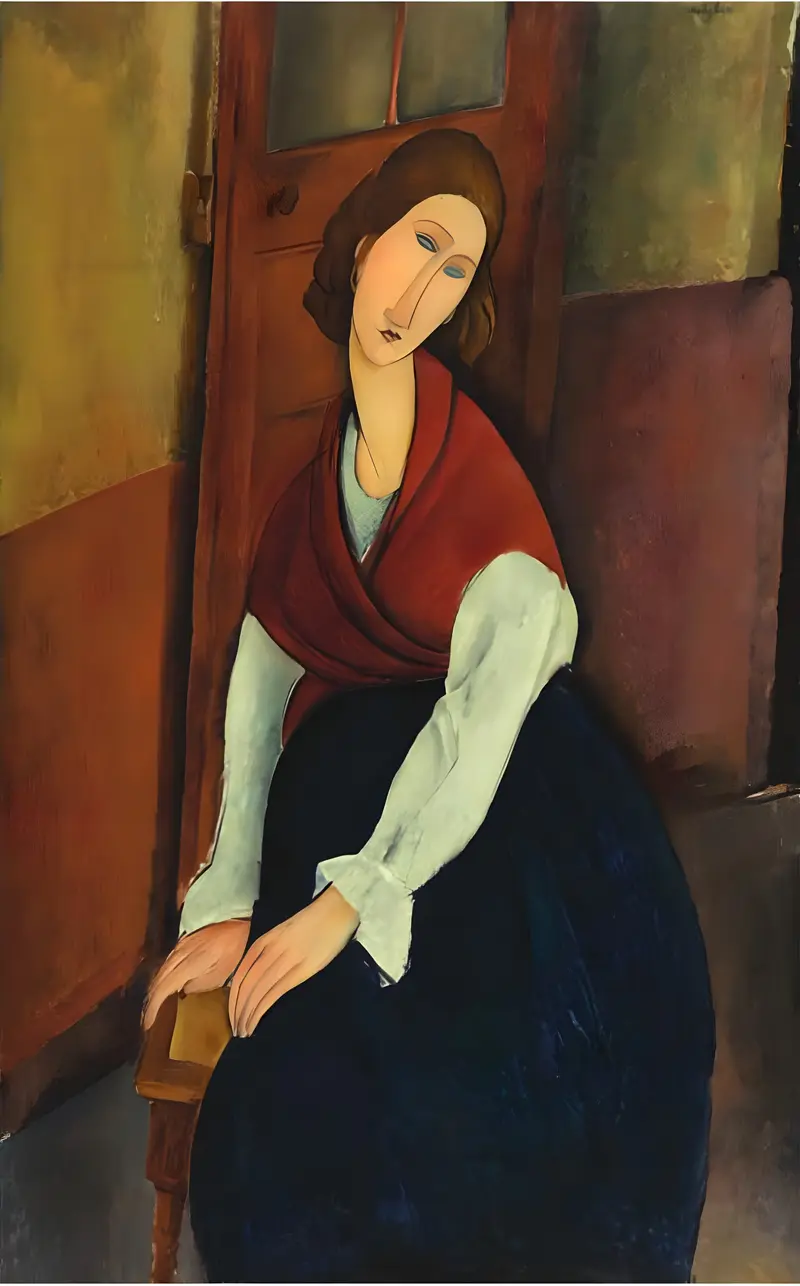
Jeanne Hebuterne in Red Shawl
Amedeo Modigliani





