
Faune mangeant des spaghettis maquette d'affiche — History & Facts
A faun, half-man and half-goat, throws his head back in raucous delight, a tangle of spaghetti dangling above his open mouth. The lines are quick, almost impatient, as if the artist wanted to capture the very moment appetite turns to abandon. His wiry torso twists with anticipation, his eyes closed in pleasure, one hand clutching a bowl, the other poised for the next mouthful.
The green background, loosely brushed, sets off the earthy tones of his skin and hair, suggesting both the wildness of the forest and the freshness of the meal. Every gesture here is a celebration—not just of food, but of appetite itself, unchecked and joyful. This drawing, created by Jean d'Ylen in 1920 as a maquette for an advertising poster, belongs to a world where myth and modernity collided on the city streets. The faun, a figure from Roman mythology, was a playful spirit of the woods—here, he becomes a symbol for the pleasures of pasta, a product of the industrial age.
In the early twentieth century, advertising in France was undergoing a transformation: artists were called upon to create bold, memorable images that would leap out at passersby. Little is recorded about this specific work beyond its presence in the collections of the Ville de Paris, but its exuberance speaks for a moment when art and commerce danced together in the public eye. Look again at the faun’s face—there is the promise that even the mundane can be made magical.
More Artworks by Jean d'Ylen
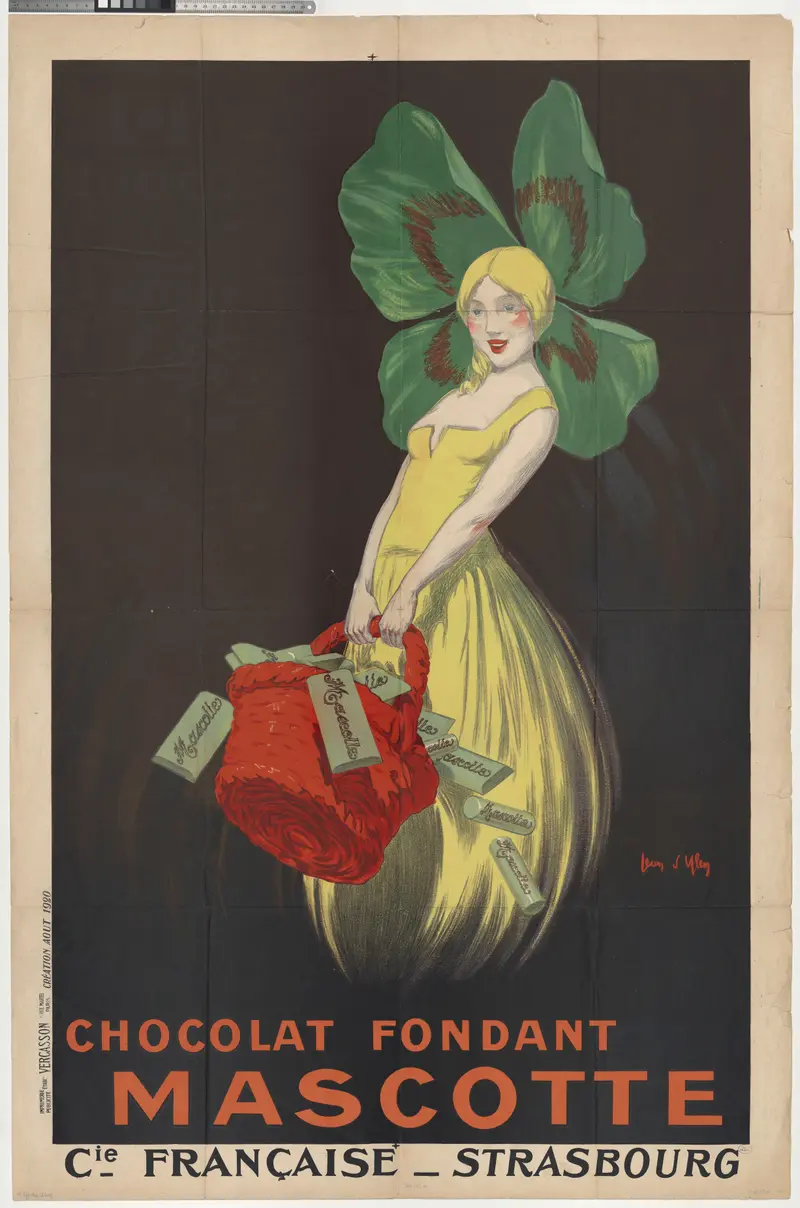
Chocolat fondant Mascotte. Compagnie française, Strasbourg
Jean d'Ylen
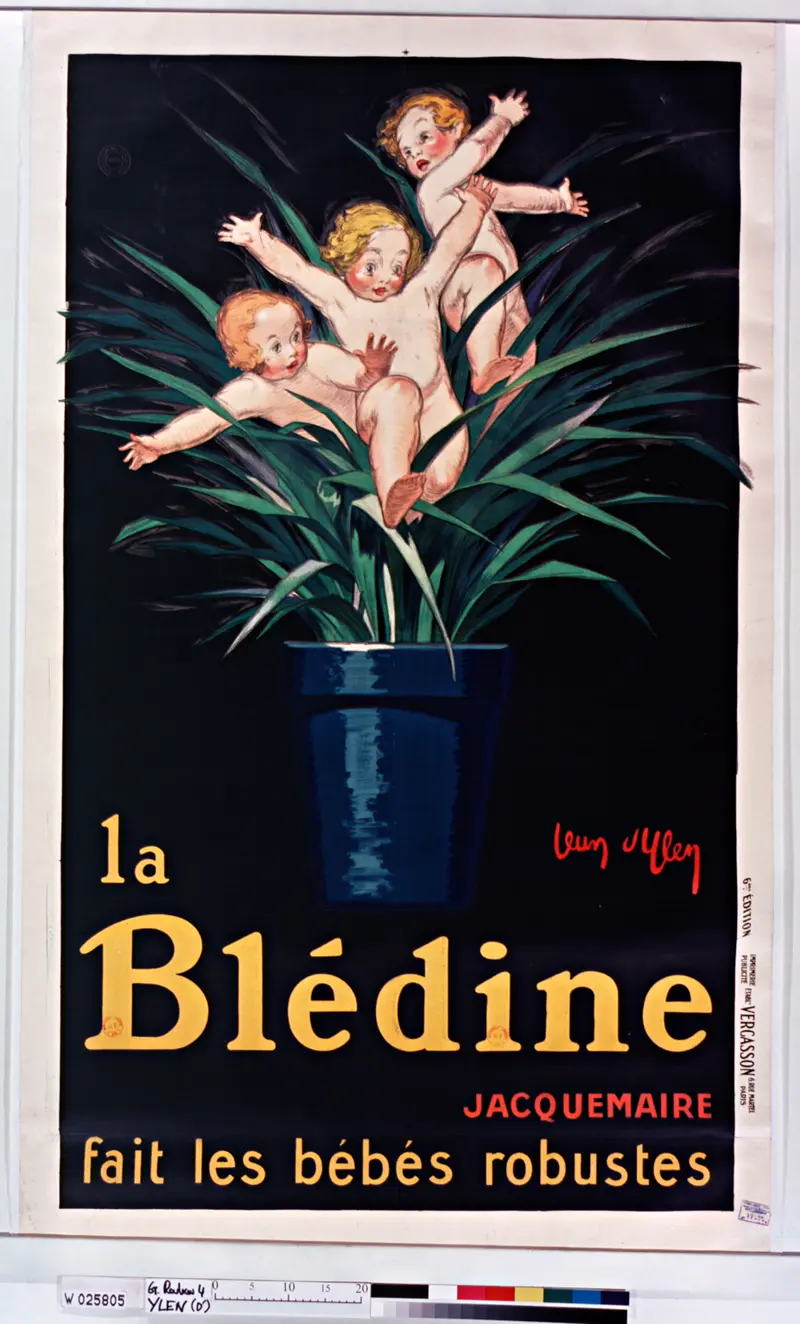
La Blédine Jacquemaire fait les bébés robustes : [affiche] / [Jean d'Ylen]
Jean d'Ylen
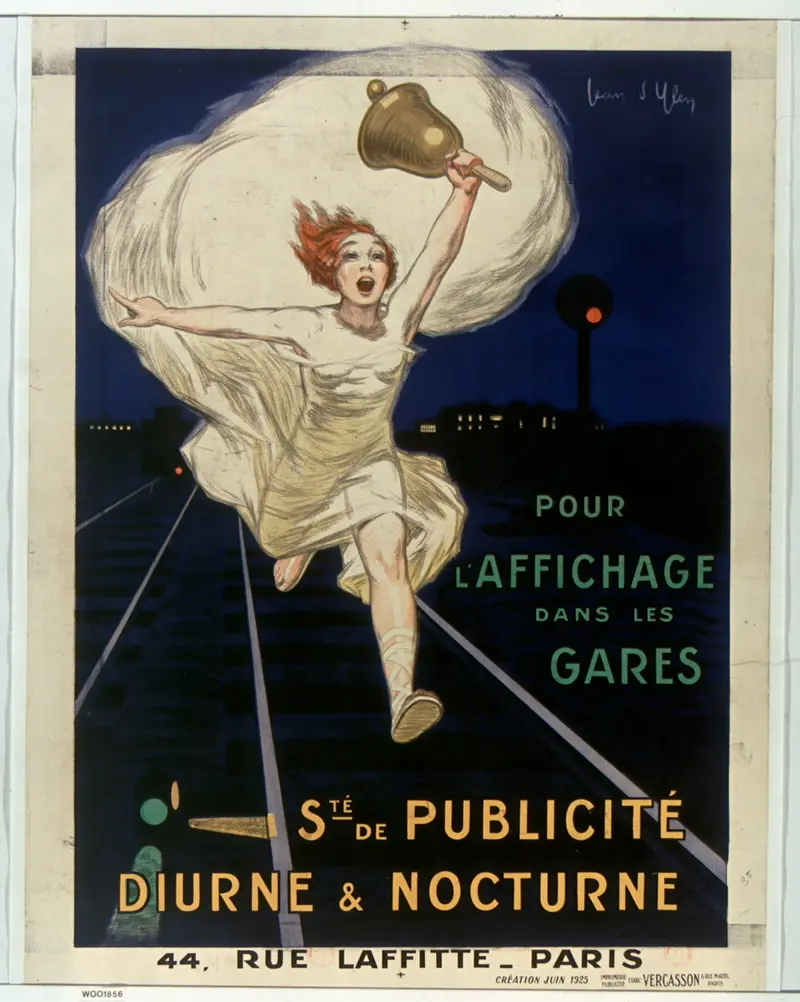
Pour l'affichage dans les gares Sté de publicité diurne et nocturne : [affiche] / [Joan d'Ylen]
Jean d'Ylen
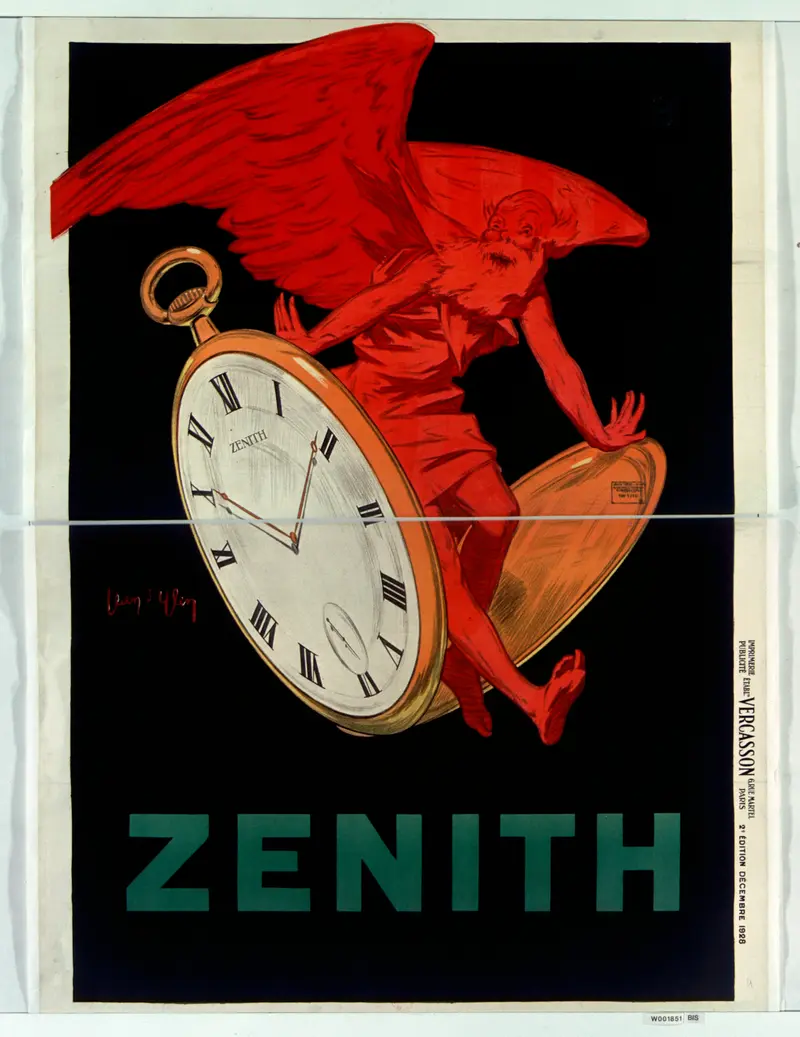
1928 advertisement poster - Zenith
Jean d'Ylen
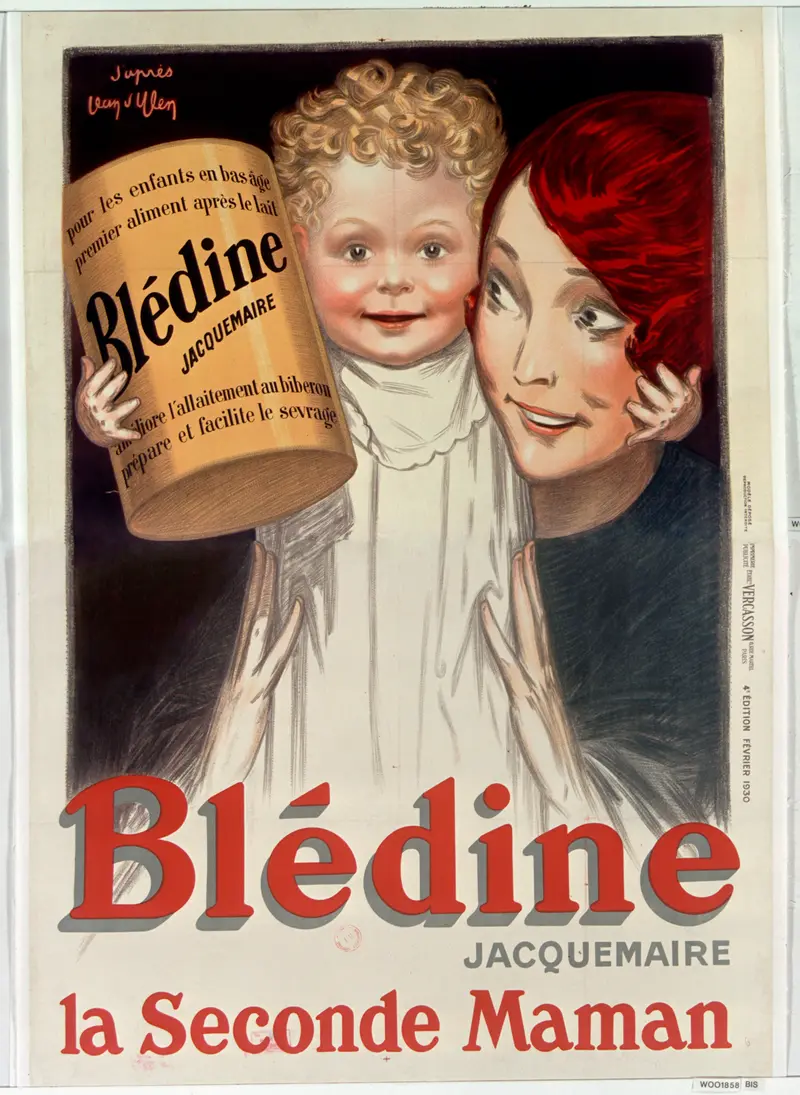
Blédine Jacquemaire la seconde maman : [affiche] / [Jean d'Ylen]
Jean d'Ylen
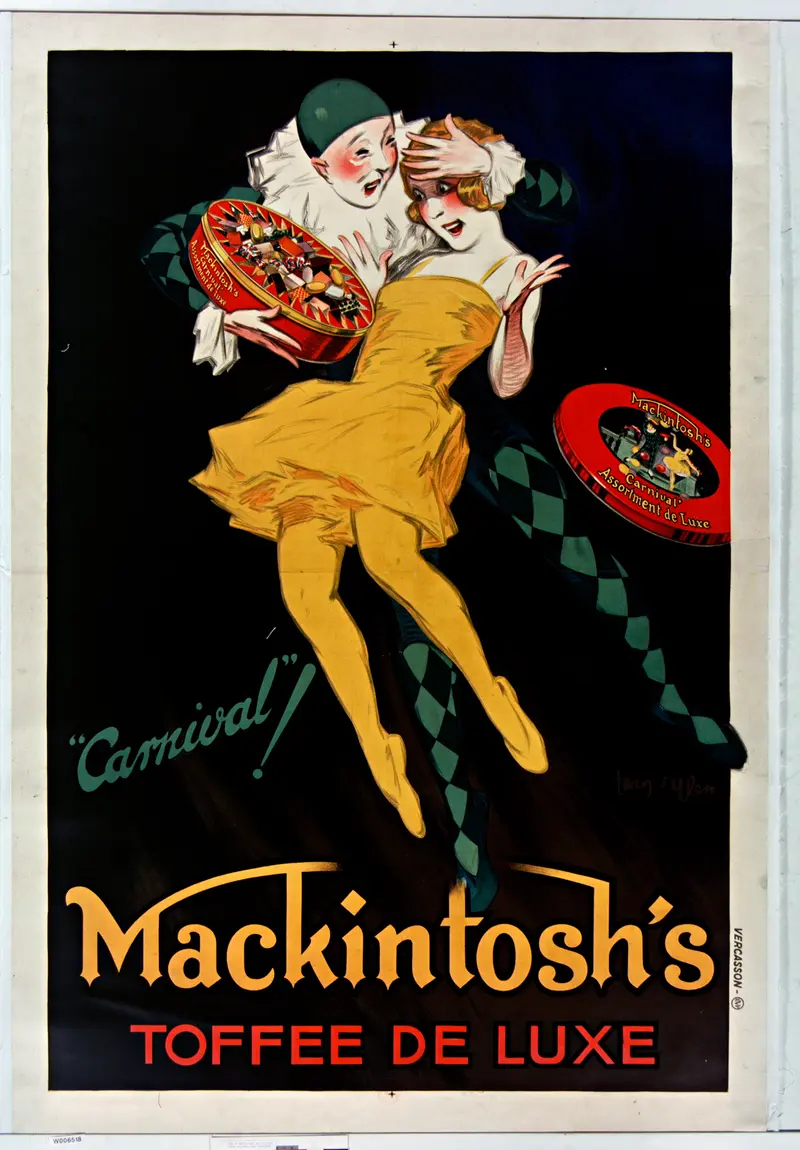
Carnival Mackintosh's, toffee de luxe affiche, Jean d'Ylen
Jean d'Ylen
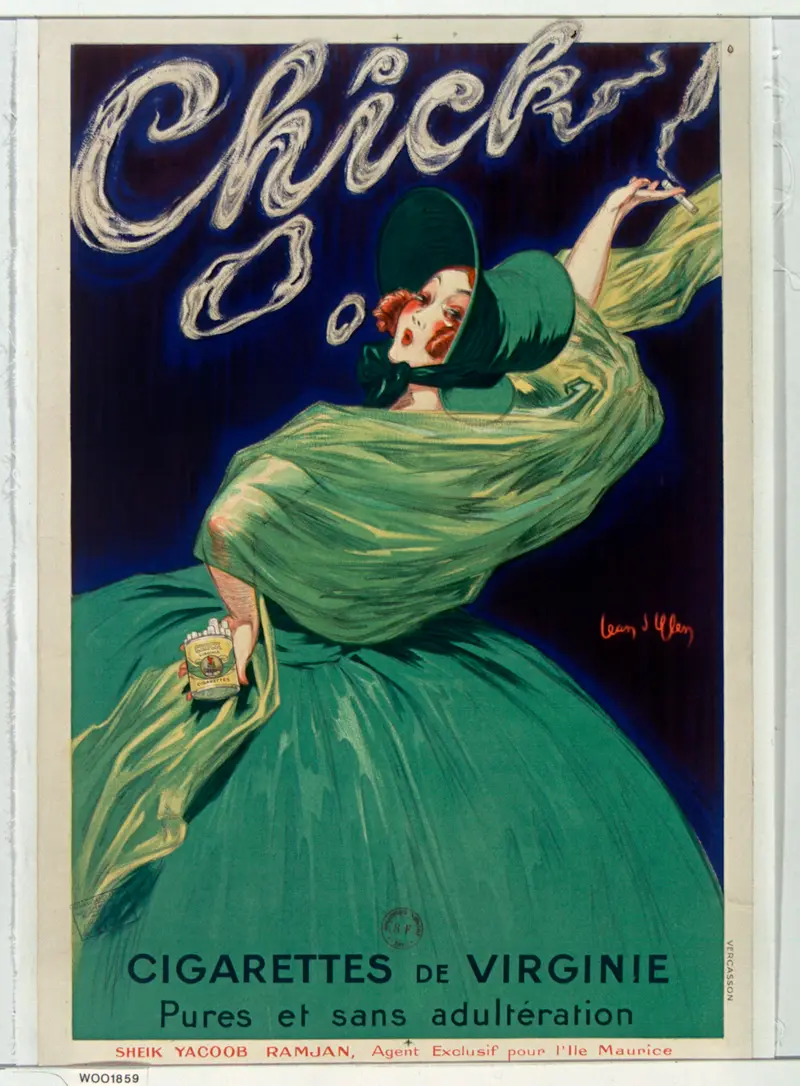
Chick cigarettes de Virginie pures et sans adultération : [affiche] / [Jean d'Ylen]
Jean d'Ylen
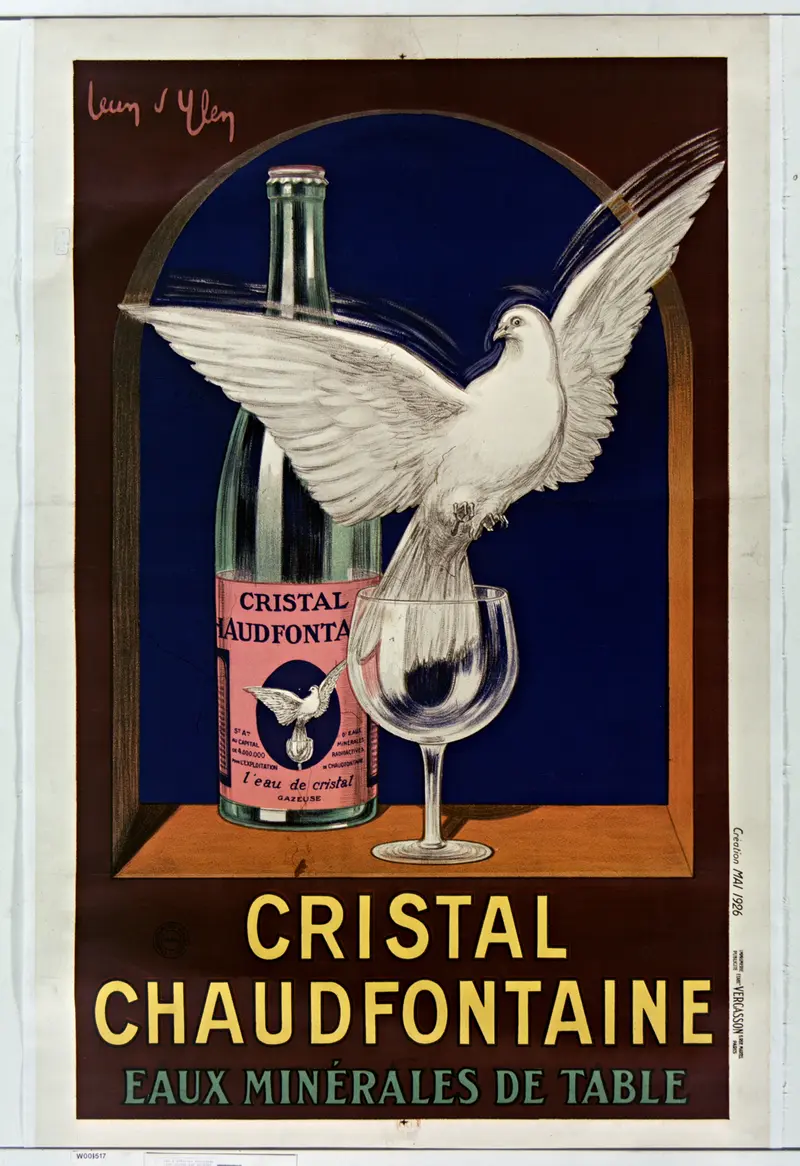
Cristal Chaudfontaine eaux minérales de table affiche, Jean d'Ylen
Jean d'Ylen
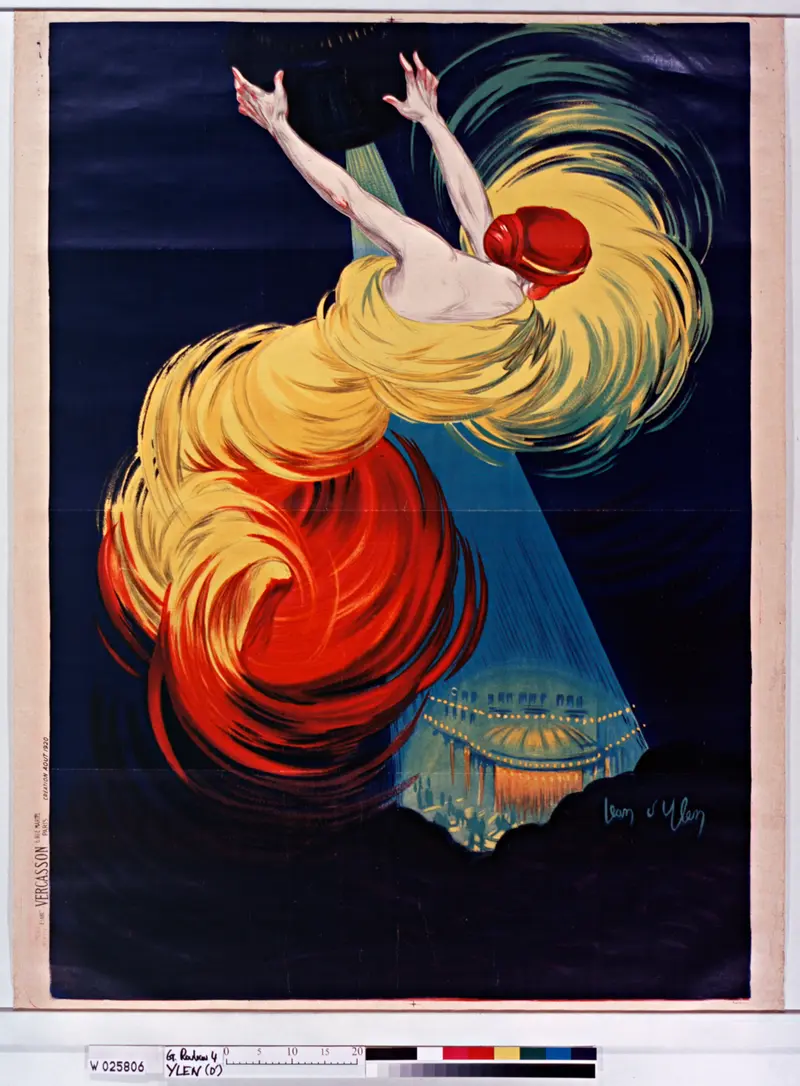
Danse de Moscou : affiche avant la lettre / Jean d'Ylen
Jean d'Ylen
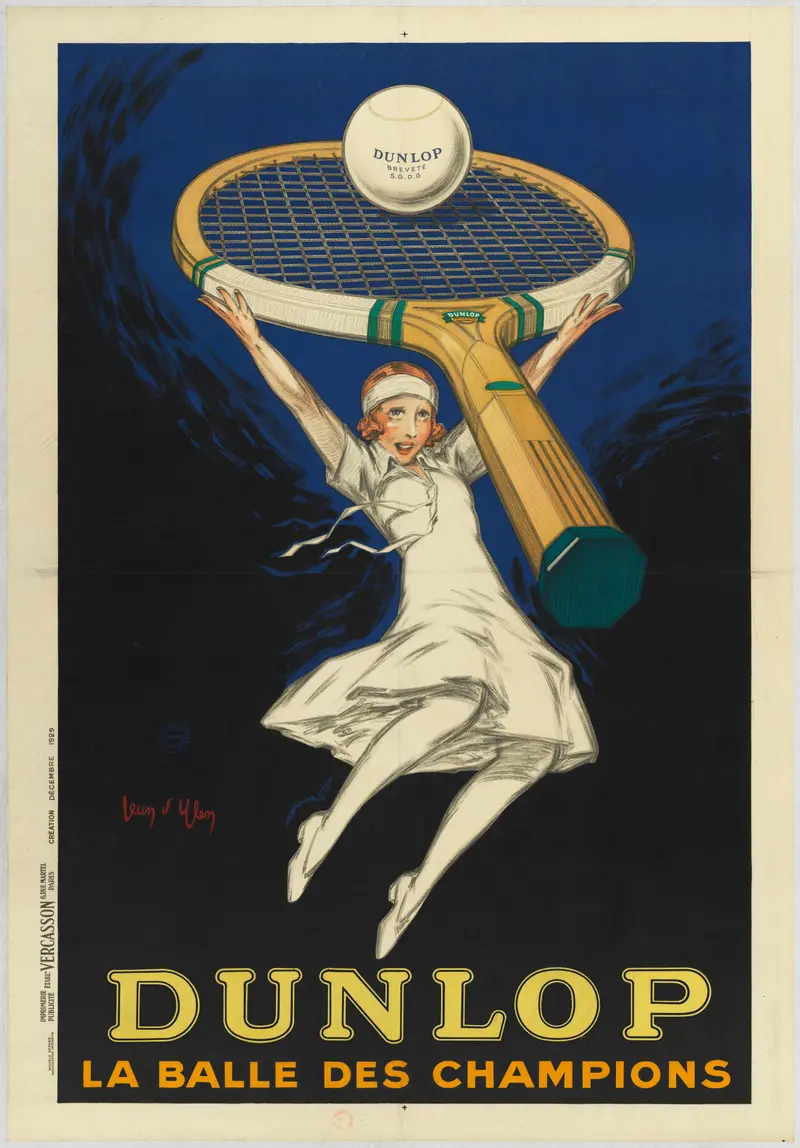
Dunlop la balle des champions : [affiche] / [Jean d'Ylen]
Jean d'Ylen





