
Felsenstudie — History & Facts
In this stillness, the essence of innocence emerges, enveloping the viewer in a tranquil embrace of nature and spirit. Look to the left at the gentle contours of the rocky landscape, where shadows dance delicately beneath scattered sunlight. Notice how the earthy browns and greens intermingle, producing a harmonious blend that invites exploration. The cool hues of the rocks contrast with warm touches of sunlight, revealing Bracht's masterful handling of light, which breathes life into the serene environment and draws the eye deeper into the composition. Within this landscape, one can sense the duality of strength and fragility.
The towering rocks stand resolute against the backdrop of soft, billowing clouds, symbolizing an unwavering innocence juxtaposed with the ephemeral nature of life. Hidden in the crevices, tiny wildflowers bravely bloom, reminding us of the beauty that thrives even in the harshest terrains. This delicate balance evokes a sense of wonder and introspection, prompting reflections on our own connections to nature and innocence. Created in 1860 during a period of significant artistic transition in Europe, the work reflects Eugen Bracht's deep engagement with the Romantic ideals of nature and the sublime.
While living in Germany, he was influenced by the desire to depict landscapes that conveyed emotional depth and spirituality. At this time, artists were increasingly moving away from strict realism, seeking to capture the essence of their surroundings and the feelings they inspired.
More Artworks by Eugen Bracht
Browse all →
Blick auf den Monte Rosa, Westseite
Eugen Bracht
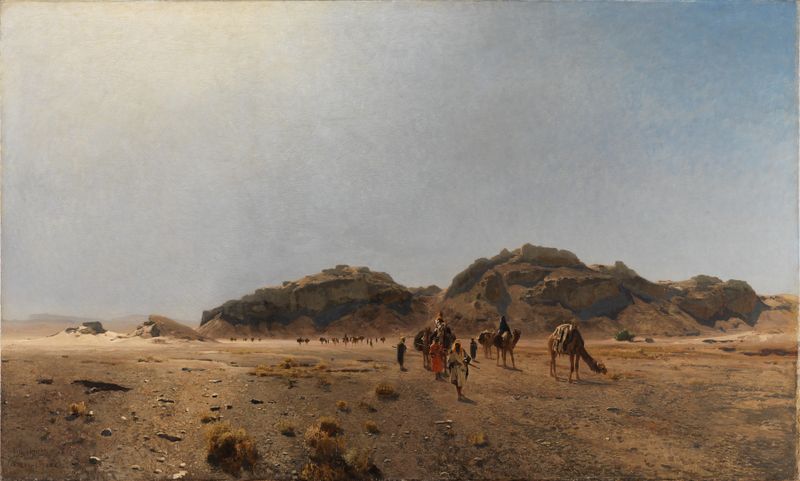
In der Wüste Araba
Eugen Bracht

‘Der alte Hof (n. d. N. Windisch-Eschenbach)’
Eugen Bracht
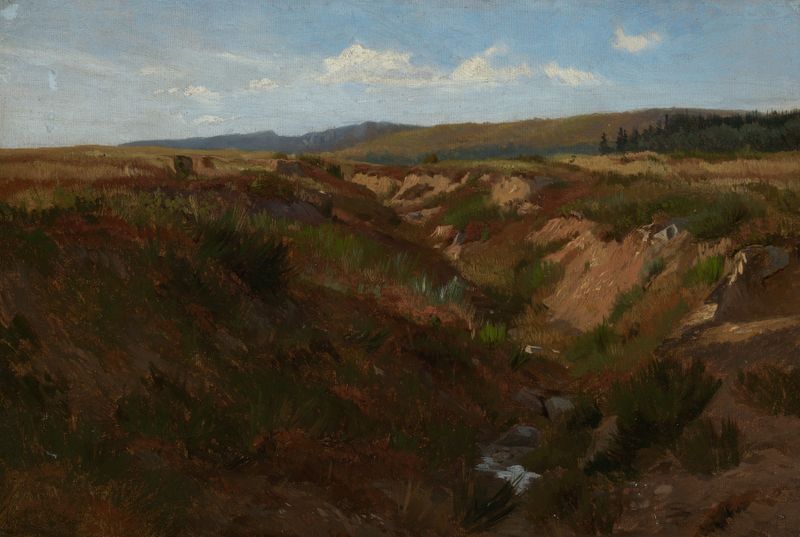
Heide im Soonwald
Eugen Bracht

Bemooste Felsen im Waldtal
Eugen Bracht
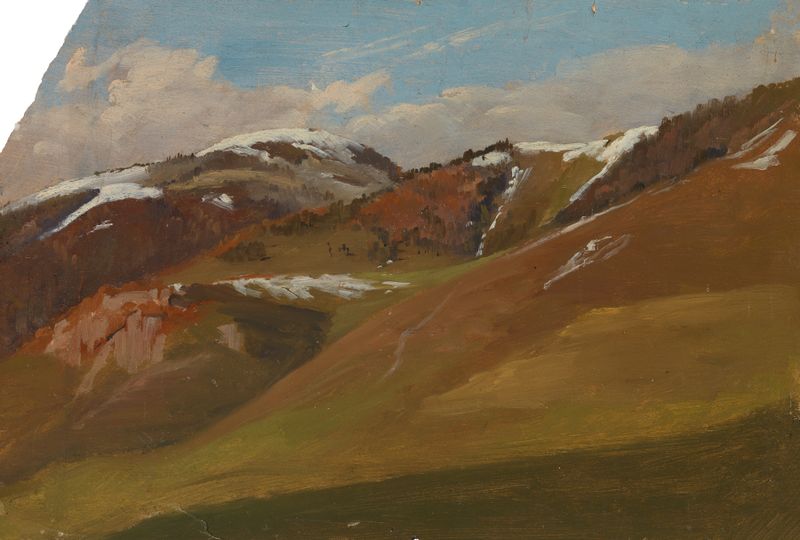
Blick auf Herzogenhorn und Kaiserberg
Eugen Bracht

Das Herzogenhorn im Neuschnee
Eugen Bracht

Abendlandschaft
Eugen Bracht

Nach dem Regenschauer
Eugen Bracht
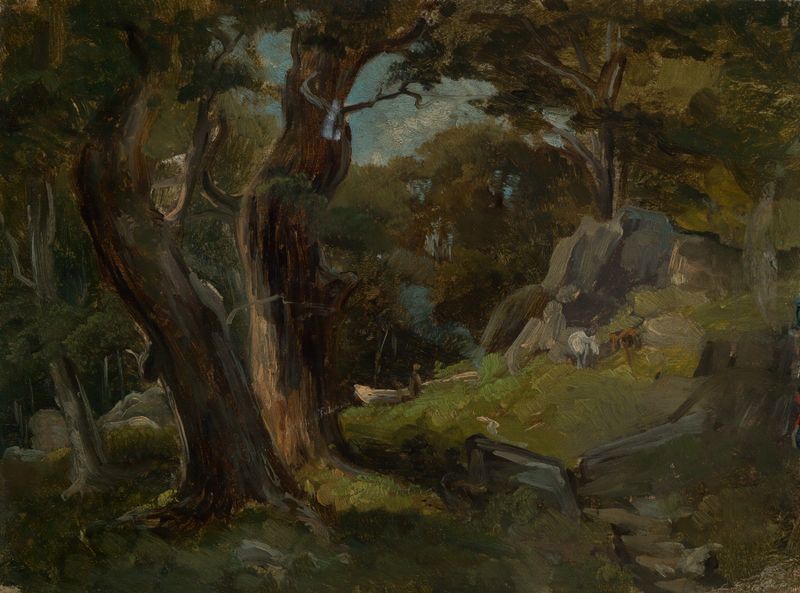
Waldlichtung mit Pferden
Eugen Bracht





