
Felsiger Wald — History & Facts
In Felsiger Wald, a dense thicket of rocky trees reveals an essential truth about nature's rugged beauty and the serenity it conceals beneath the surface. Focus on the textured strokes of dark green and earthy browns that blend harmoniously in the foreground, drawing your eye to the intricate details of the leaves and the weathered bark of the trees. Notice how the light filters through the foliage, casting dappled shadows that dance across the forest floor, lending depth and vitality to the scene. This interplay of light and shadow invites the viewer to explore the hidden layers of the woodland, suggesting both mystery and allure. Hidden within the chaos of the forest are moments of tranquility that speak to the duality of existence.
The juxtaposition of the rugged rocks against the gentleness of the surrounding flora reflects the tension between strength and vulnerability in nature. Each stroke tells a story of resilience, echoing the quiet battles that unfold in the wilderness yet remain unseen. It is in these details that the painting reveals its emotional core, inviting contemplation on the truth of our own struggles and peace. Eugen Bracht painted Felsiger Wald in 1920 during a period of significant change in Europe.
The aftermath of World War I influenced many artists to seek solace in nature, reflecting a yearning for renewal and stability. Bracht, rooted in the Romantic tradition, embraced the beauty of the landscape, capturing both the chaos of the past and the hope inherent in the natural world, which resonated deeply during this tumultuous time.
More Artworks by Eugen Bracht
Browse all →
Blick auf den Monte Rosa, Westseite
Eugen Bracht
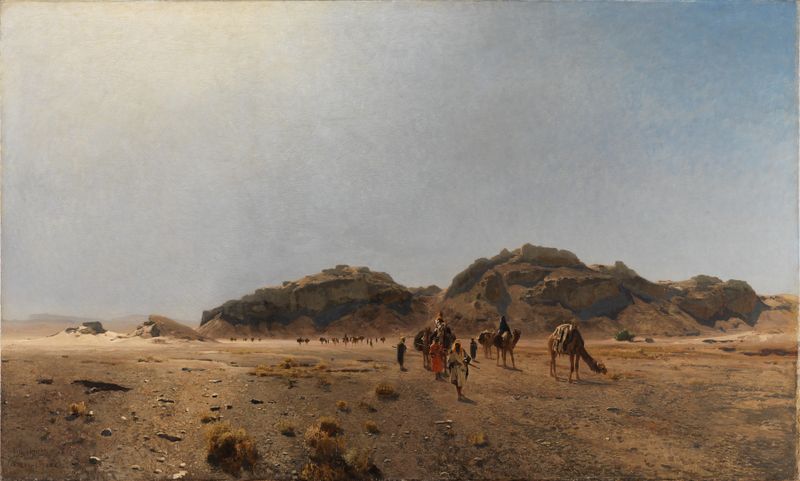
In der Wüste Araba
Eugen Bracht

‘Der alte Hof (n. d. N. Windisch-Eschenbach)’
Eugen Bracht
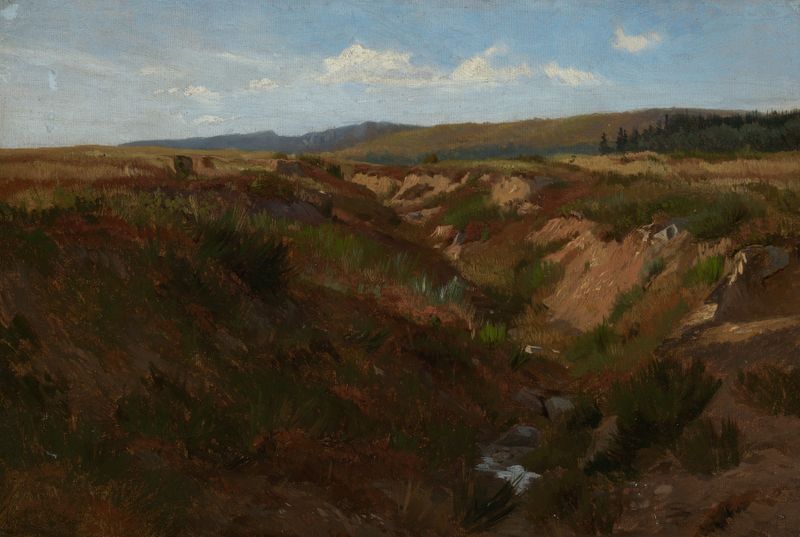
Heide im Soonwald
Eugen Bracht

Bemooste Felsen im Waldtal
Eugen Bracht
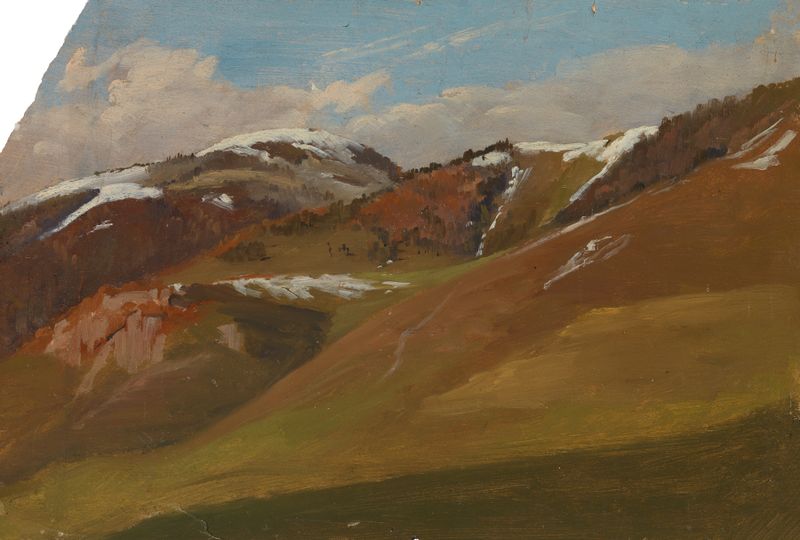
Blick auf Herzogenhorn und Kaiserberg
Eugen Bracht

Das Herzogenhorn im Neuschnee
Eugen Bracht

Abendlandschaft
Eugen Bracht

Nach dem Regenschauer
Eugen Bracht
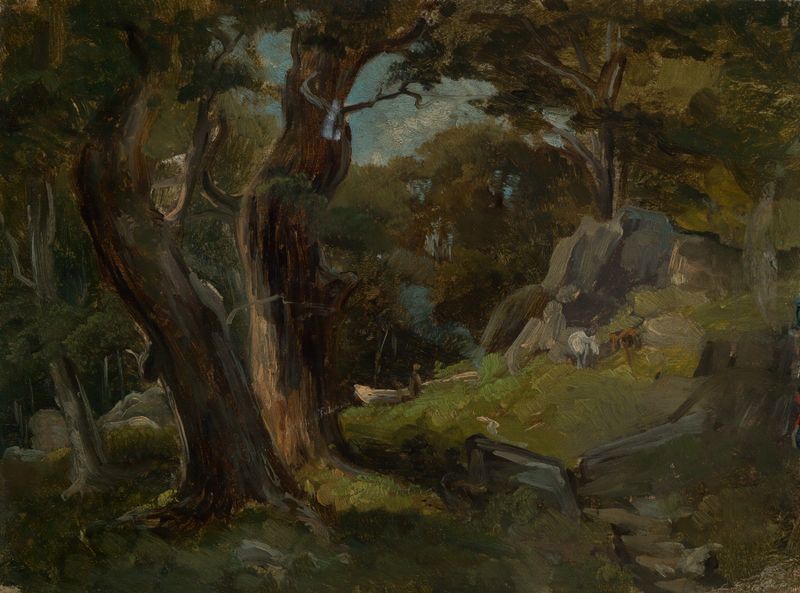
Waldlichtung mit Pferden
Eugen Bracht





