
Field in Snow — History & Facts
In Field in Snow, Edvard Munch presents a winter landscape dominated by shades of white and blue. The snow-covered field stretches into the distance, creating a sense of vastness. Sparse trees punctuate the scene, their dark silhouettes contrasting sharply with the bright snow.
The overall mood is cold and quiet, evoking the stillness of a winter day. The painting is characterized by Munch's distinctive brushwork, which adds texture and movement to the snow. The color palette is limited yet impactful, utilizing cool tones to convey the chill of the environment. Munch's technique emphasizes the emotional weight of the scene, inviting viewers to reflect on the solitude of winter.
The dimensions are approximately 80 x 100 cm, fitting for a landscape of this nature. Edvard Munch, a key figure in Expressionism, often explored themes of emotion and nature in his work. Field in Snow reflects his fascination with the psychological aspects of landscapes. Interestingly, this painting was created during a period when Munch was grappling with personal struggles, which may have influenced its somber tone.
The work exemplifies how Munch used nature to express complex human emotions.
More Artworks by Edvard Munch

The Scream
Edvard Munch

The Scream (1910 version)
Edvard Munch

Despair
Edvard Munch

The Day After
Edvard Munch
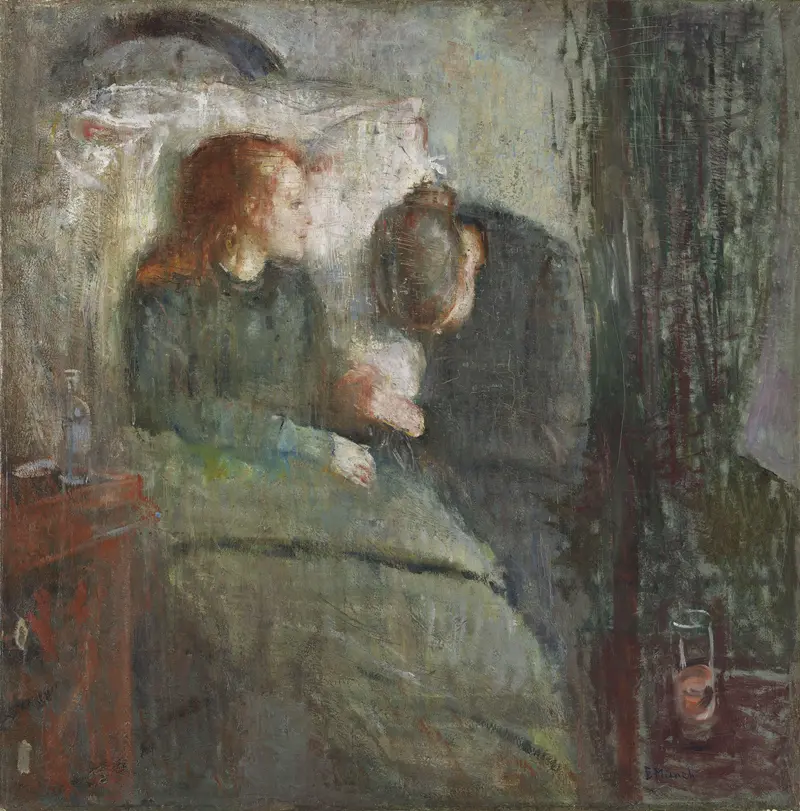
The Sick Child
Edvard Munch
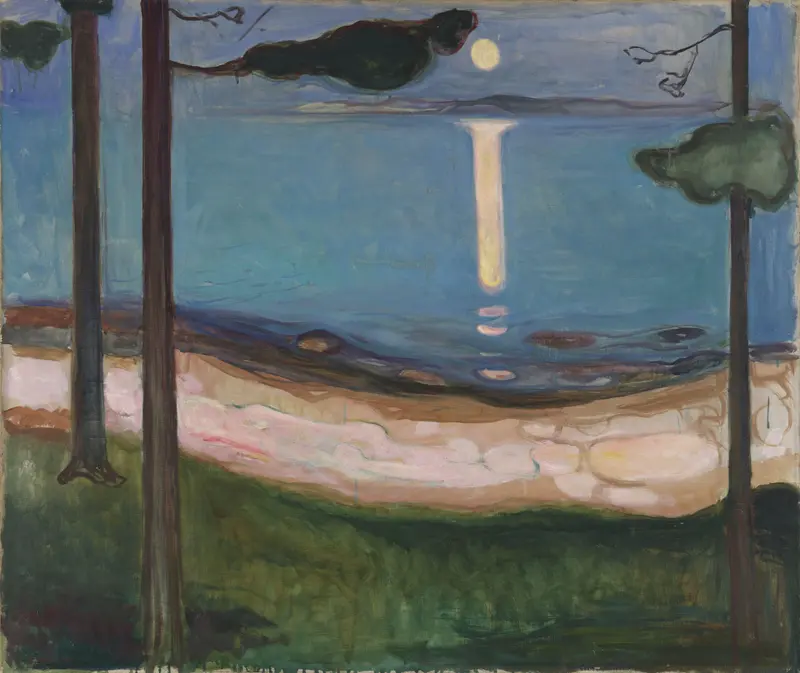
Moonlight
Edvard Munch
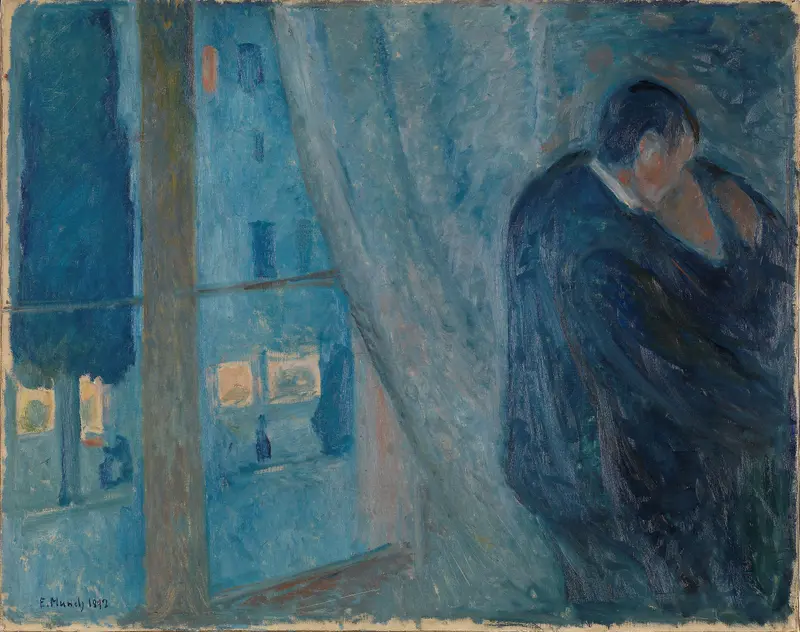
The Kiss
Edvard Munch
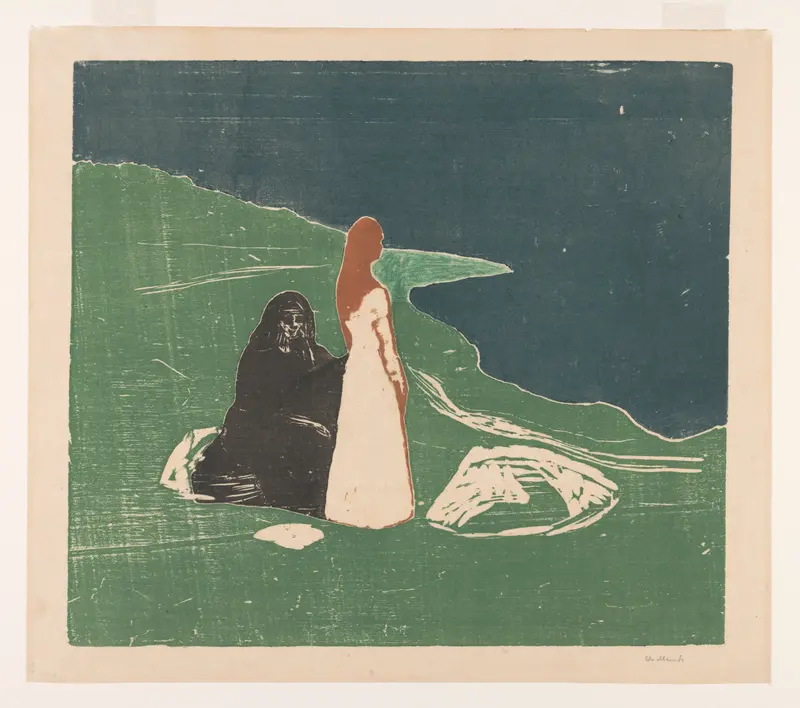
Two Women on the Shore
Edvard Munch
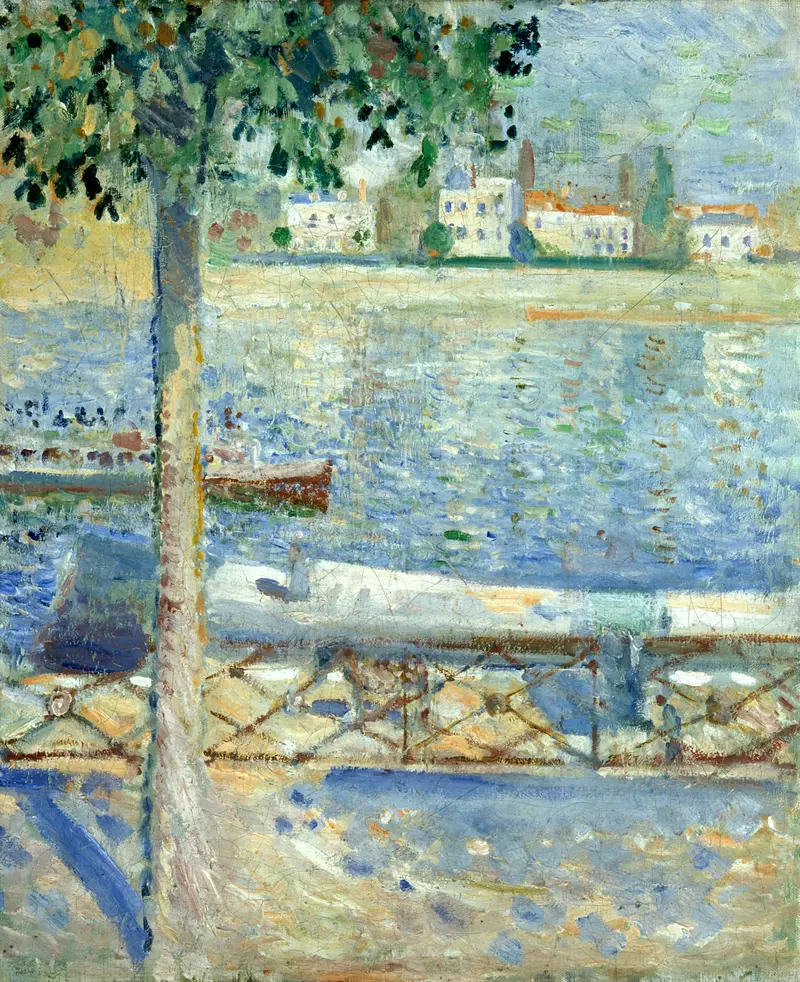
The Seine At Saint-Cloud
Edvard Munch
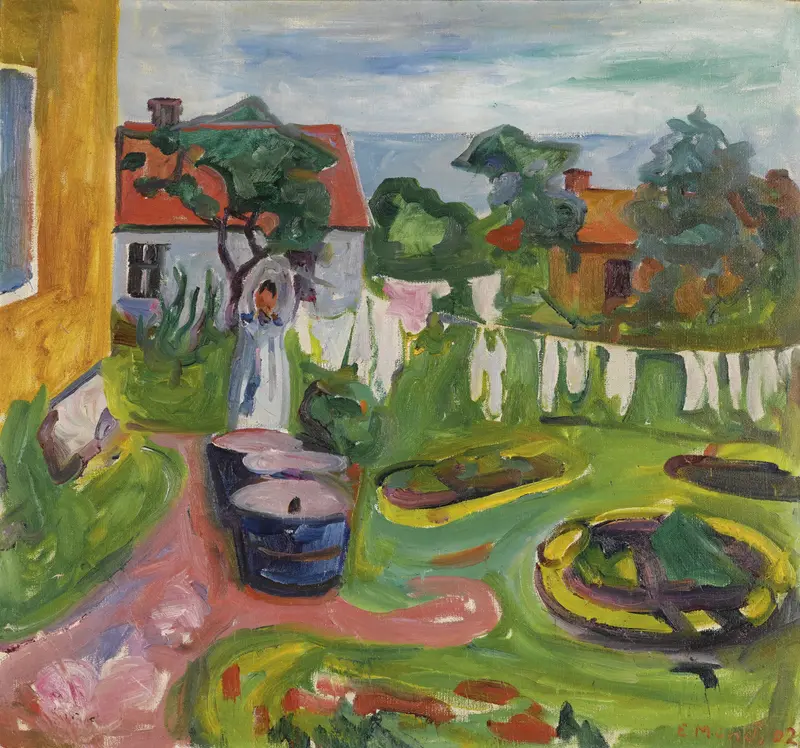
Klestørk I Åsgårdstrand (Clothes On A Line In Åsgårdstrand)
Edvard Munch
More Landscape Art

Starry Night
Vincent van Gogh

View of Delft
Johannes Vermeer

Water Lilies
Claude Monet

The Grand Canal, Venice, looking north-west from the Ca' Corner to the Ca' Contarini degli Scrigni, with the campanile of Santa Maria della Carità
Canaletto

Windsor Castle
Canaletto

The Grand Canal looking North-East from the Palazzo Dolfin-Manin to the Rialto Bridge
Canaletto