Discover insights about this artwork
Figure et bouquet (Tête ocre) — History & Facts
In Figure et bouquet (Tête ocre), Henri Matisse uses bold colors and shapes to create a striking composition. The painting features a figure alongside a vibrant bouquet, with a predominance of warm ochre tones. The background is simplified, allowing the forms to stand out prominently.
Matisse's characteristic use of color creates a lively atmosphere in the artwork. The painting is executed in oil on canvas, a medium that allows for rich color application and texture. Matisse's brushwork is visible, adding a dynamic quality to the piece. The dimensions are approximately 100 x 73 cm, making it a sizable work that commands attention.
The arrangement of forms is both playful and structured, typical of Matisse's style during this period. Henri Matisse was a leading figure in the Modernist movement, known for his innovative use of color and form. Figure et bouquet (Tête ocre) reflects his exploration of abstraction and the emotional power of color. An interesting fact about this work is that it was created during a time when Matisse was experimenting with new techniques and materials, pushing the boundaries of traditional painting.
This piece exemplifies his transition towards a more abstract approach in his later works.
More Artworks by Henri Matisse
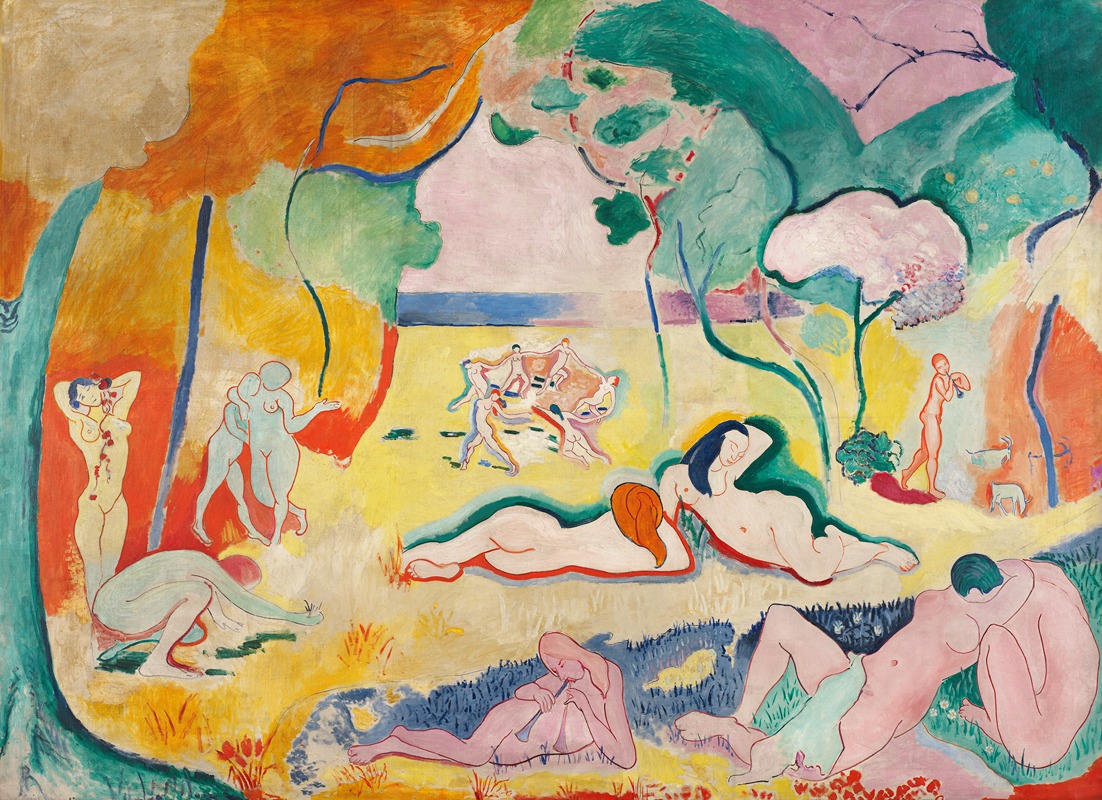
Le Bonheur de vivre, also called The Joy of Life
Henri Matisse
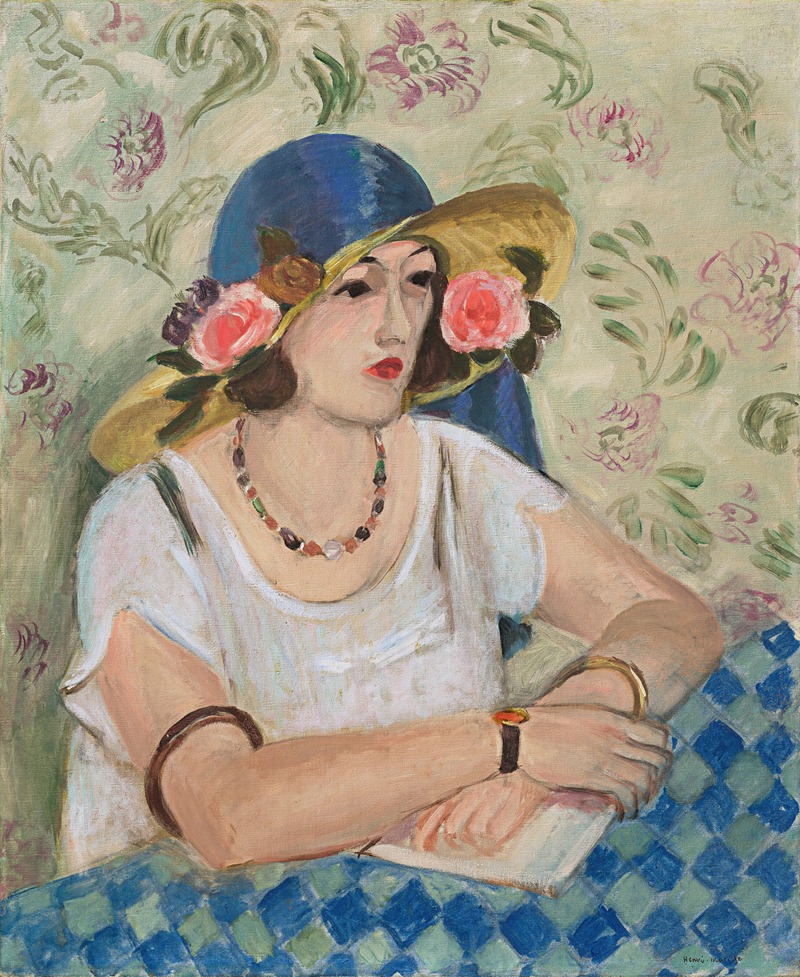
Femme au chapeau fleuri
Henri Matisse
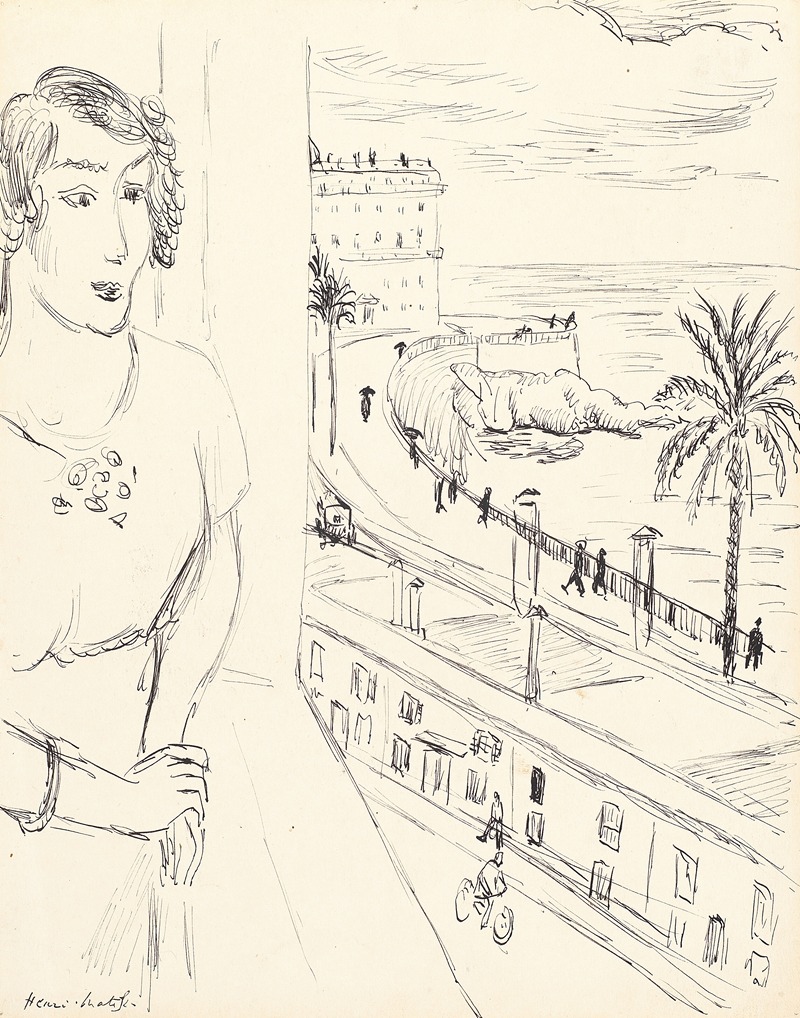
Femme près de la fenêtre, Nice
Henri Matisse
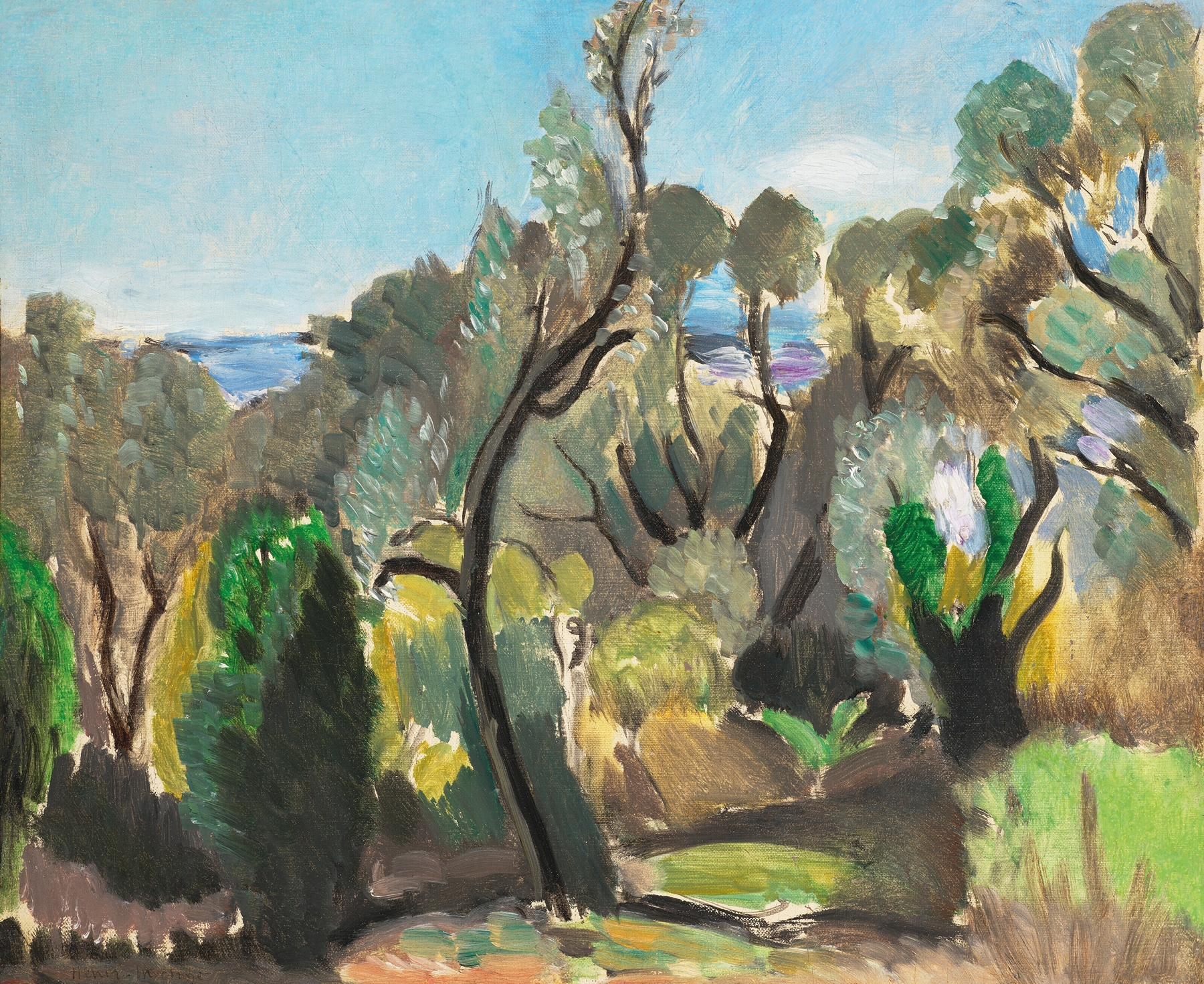
Paysage aux environs de Nice ou Les Oliviers ou Coin du Mont-Boron
Henri Matisse
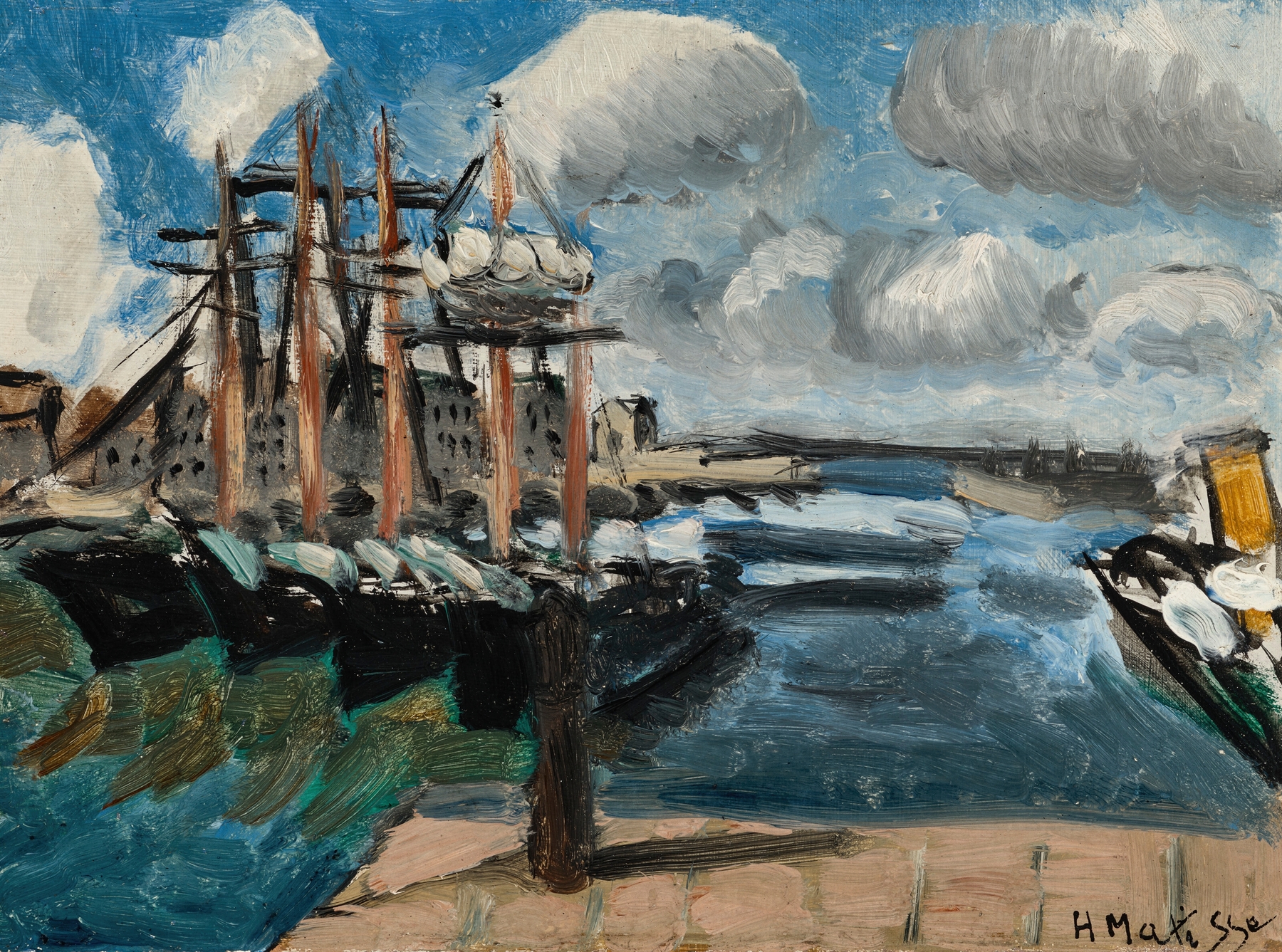
Port de Cherbourg
Henri Matisse
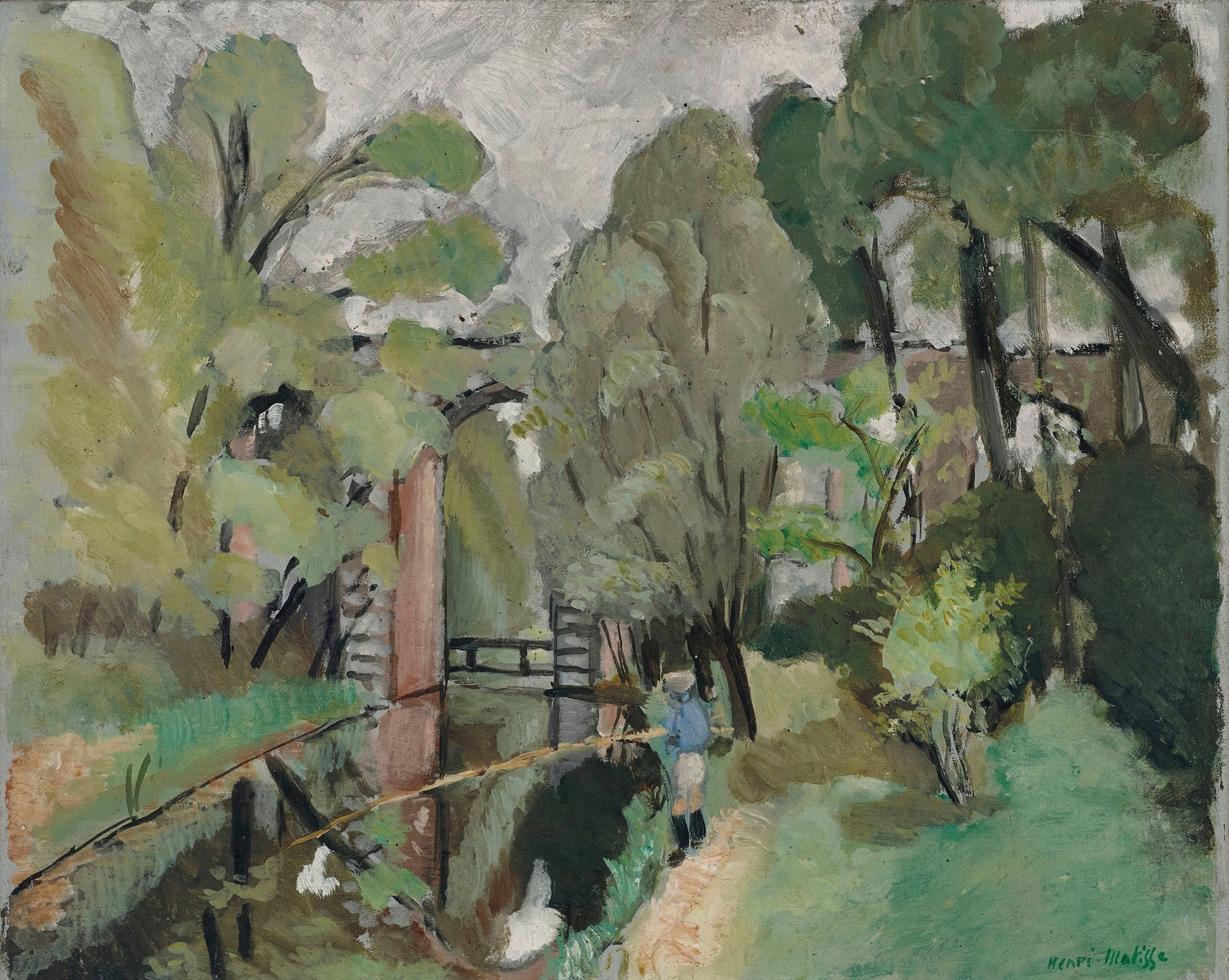
Le Petit pêcheur, Maintenon
Henri Matisse
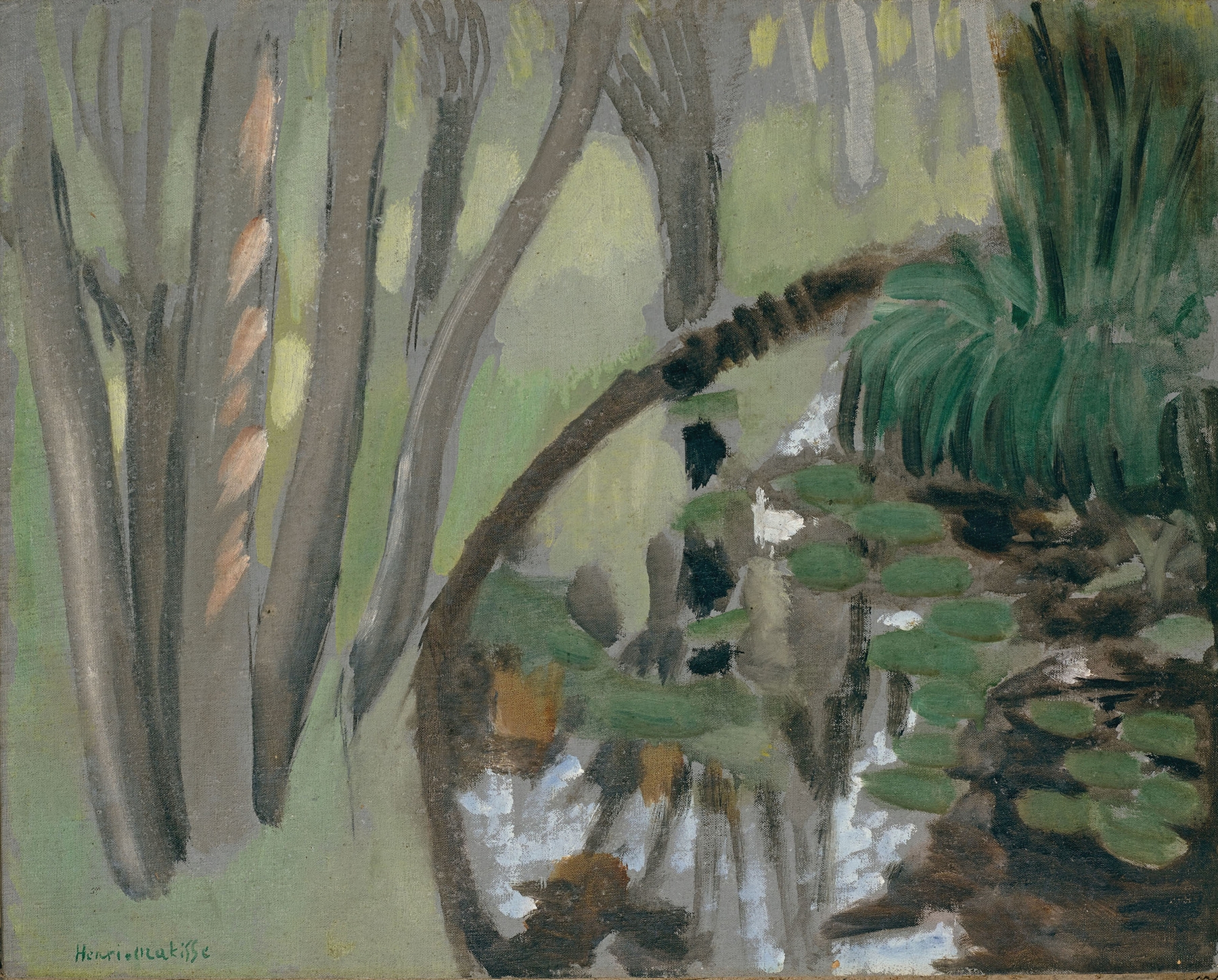
Le ruisseau, Maintenon
Henri Matisse
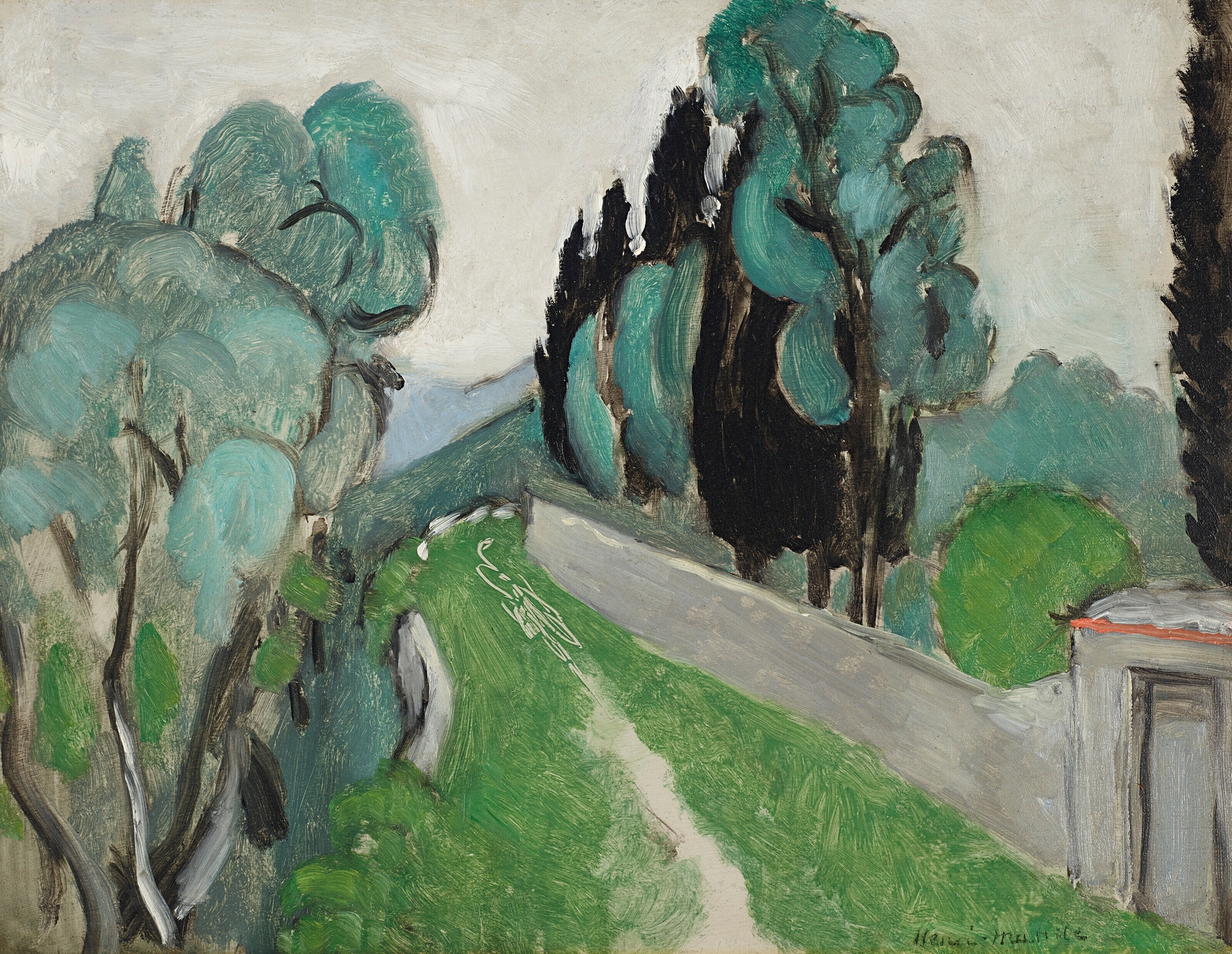
Paysage avec cyprès et oliviers aux environs de Nice
Henri Matisse
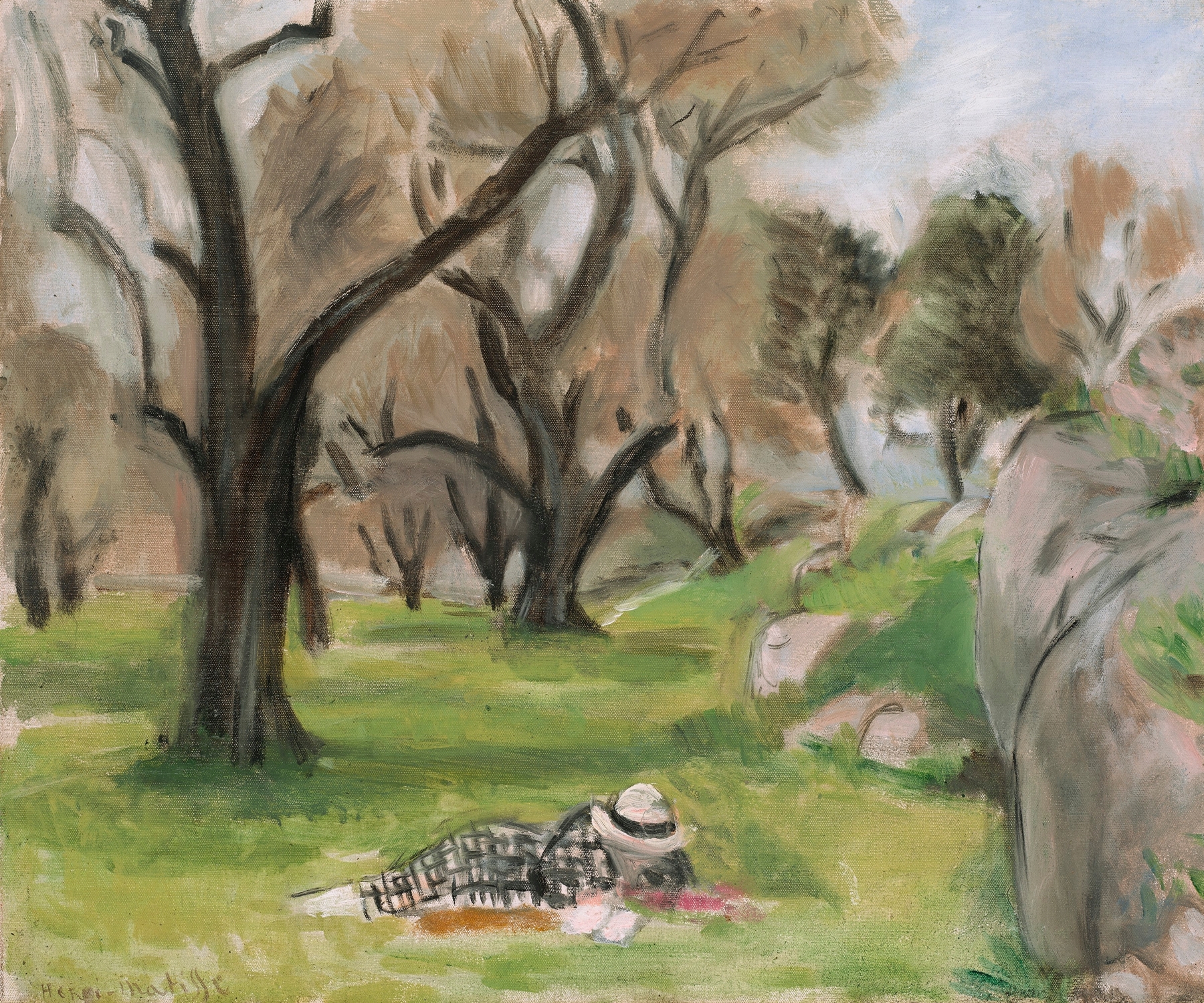
Paysage du Midi
Henri Matisse
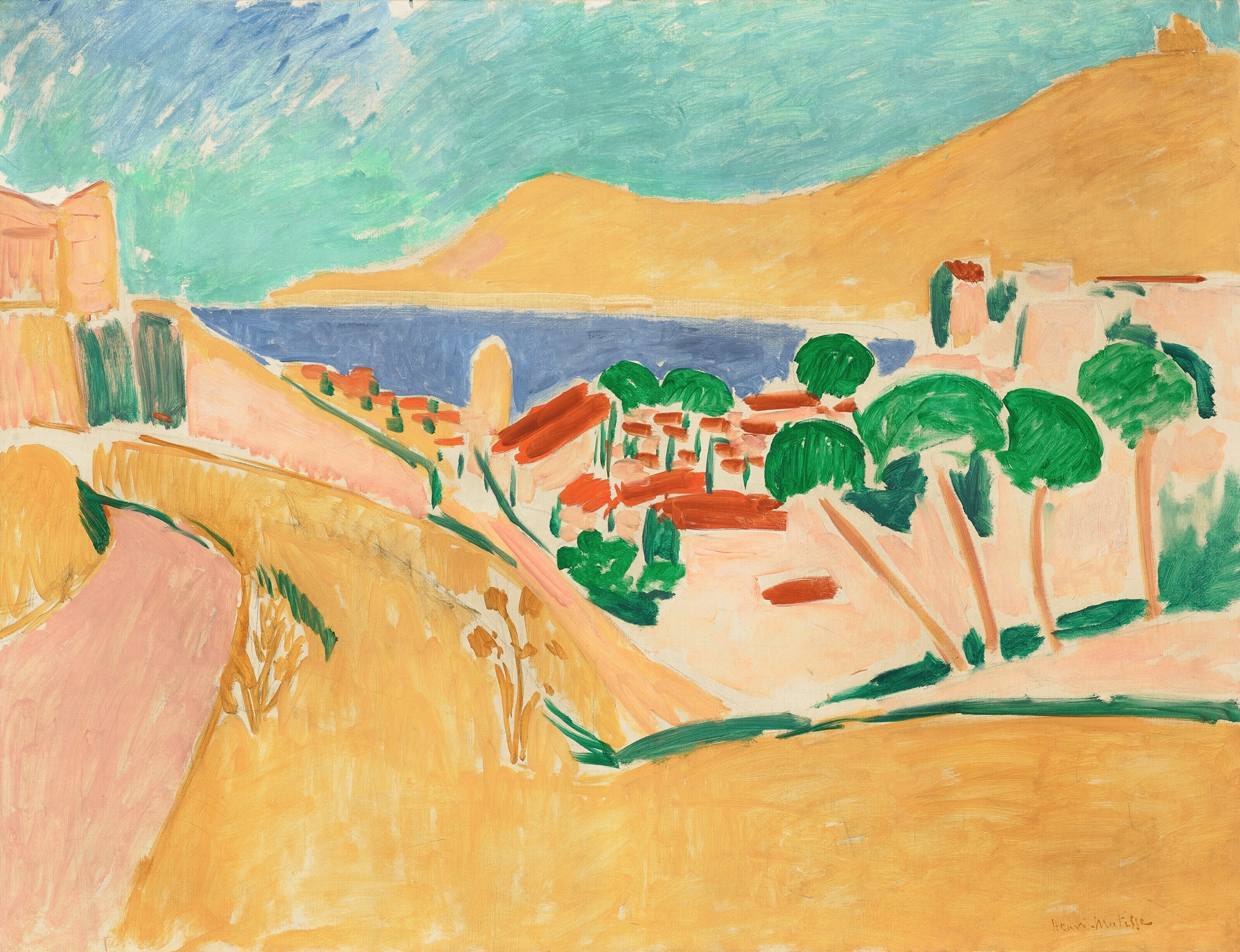
Collioure en août
Henri Matisse