
Figurinen zu Goldonis ‘Diener zweier Herren’ — History & Facts
In Figurinen zu Goldonis ‘Diener zweier Herren’, Oskar Laske presents a vibrant scene filled with lively characters. The painting features a mix of bright colors, including reds, blues, and yellows, which create a dynamic atmosphere. The figures are dressed in theatrical costumes, reflecting the play's comedic and dramatic elements.
The setting appears to be a stage, enhancing the theatrical quality of the work. Laske employs oil on canvas to create this work, which is characterized by its bold brushstrokes and vivid color palette. The figures are rendered with a sense of movement, suggesting action and interaction among them. Viewers can notice the attention to detail in the costumes, which are intricately designed to reflect the period of the play.
The approximate dimensions of the painting are 80 x 100 cm, making it a sizable piece that commands attention. Oskar Laske was an artist known for his contributions to modernist art in Germany. This painting, created in the 1920s, is inspired by Carlo Goldoni's play 'Diener zweier Herren' (Servant of Two Masters), which explores themes of mistaken identity and social class. An interesting fact about this work is that it captures the essence of theatrical performance, inviting viewers to engage with the narrative beyond the canvas.
Laske's ability to blend humor and drama in this piece reflects the vibrant cultural scene of his time.
More Artworks by Oskar Laske

Faschingsumzug am Stock im Eisen Platz
Oskar Laske
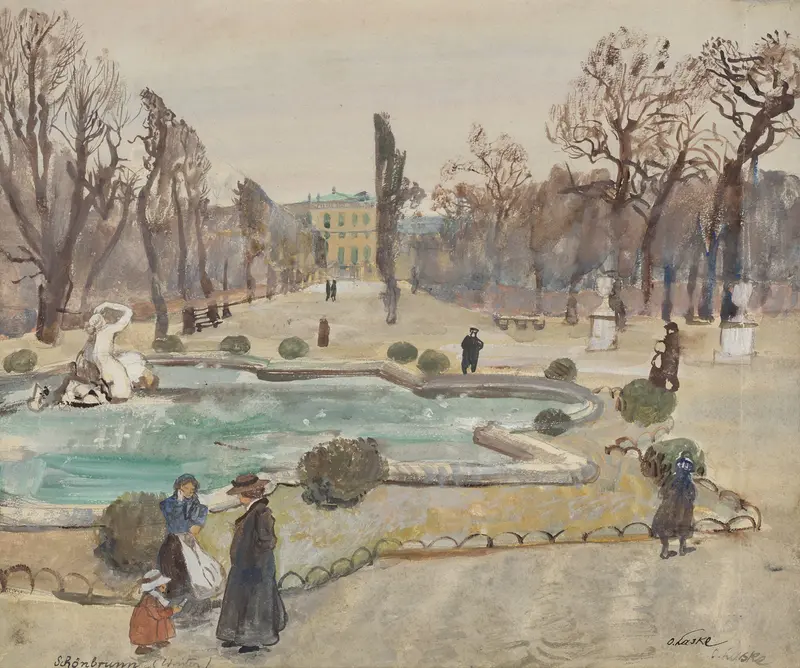
Schönbrunn (Winter)
Oskar Laske
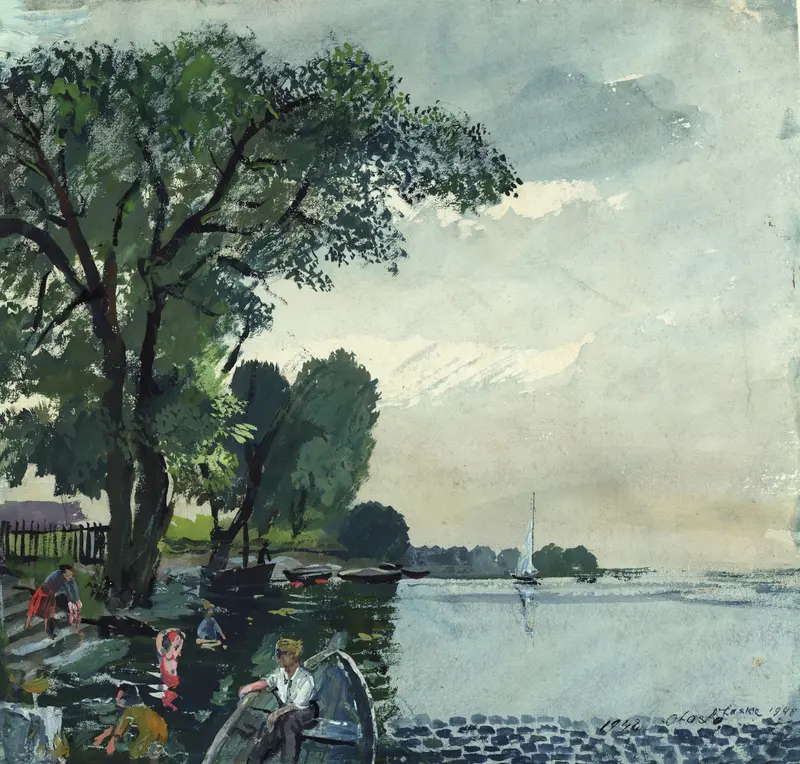
Pratermotiv an der alten Donau
Oskar Laske
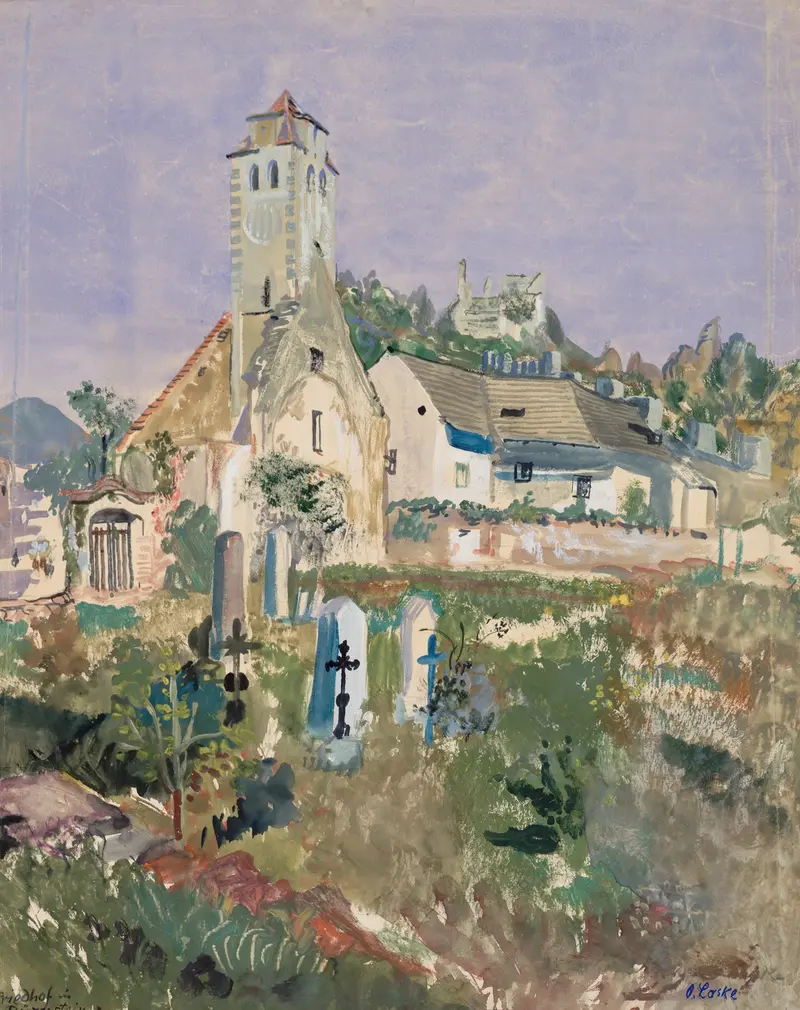
Friedhof in Dürnstein
Oskar Laske
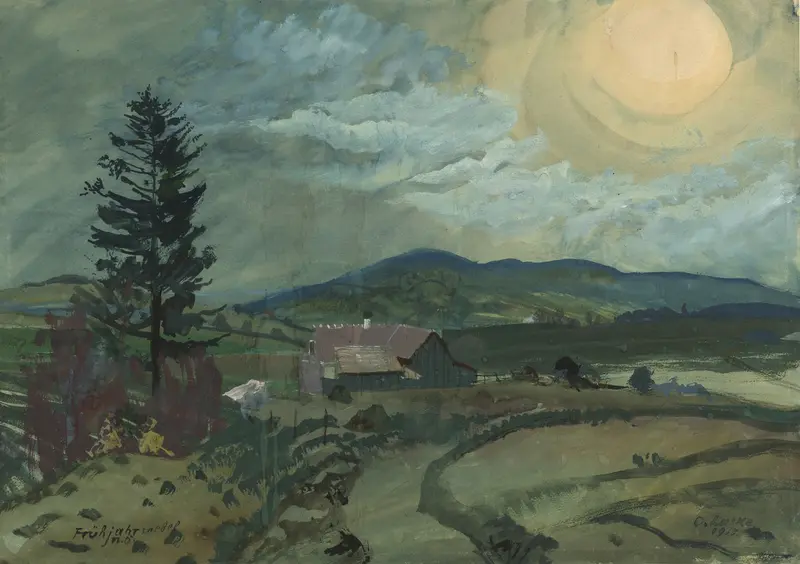
Frühjahrsnebel in Niederösterreich
Oskar Laske
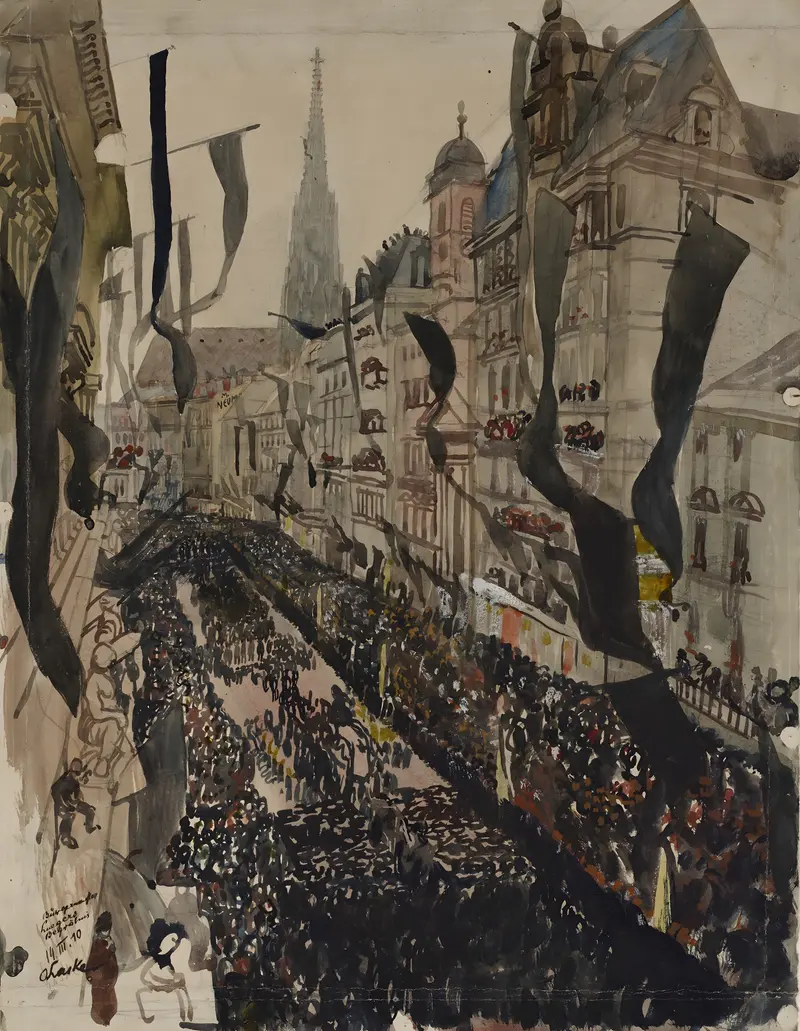
Begräbnis des Wiener Bürgermeisters Dr. Karl Lueger
Oskar Laske
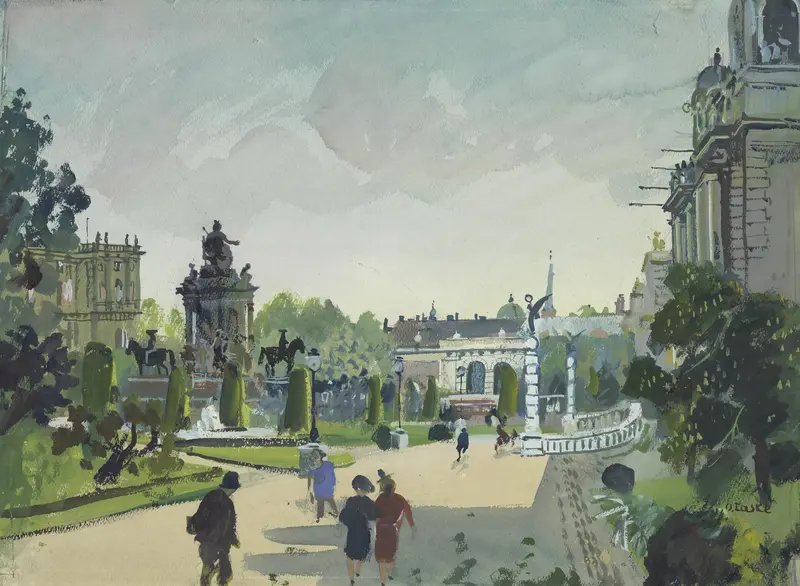
Maria Theresien-Denkmal mit Blick gegen das Burgtor
Oskar Laske
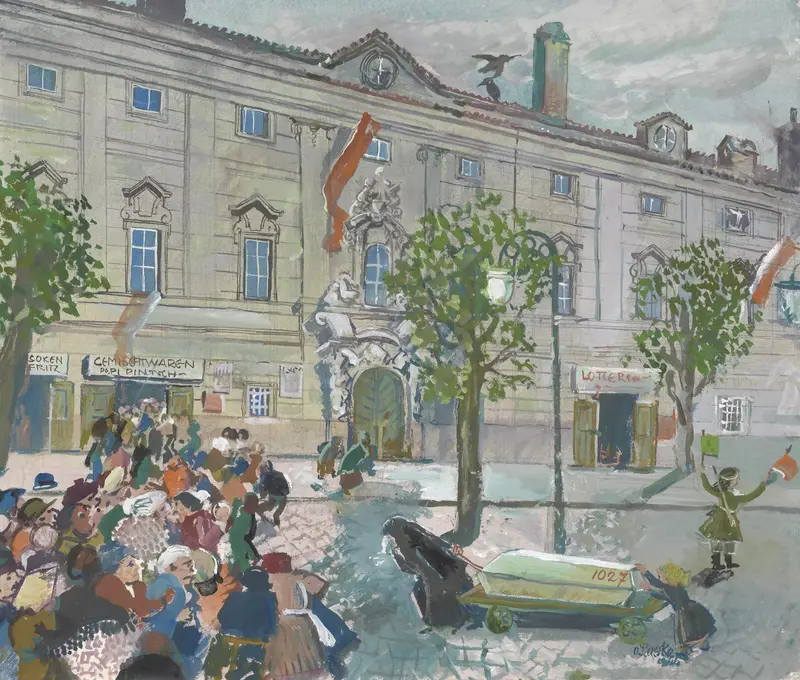
Wiener Straßenbild vom Mai 1945
Oskar Laske
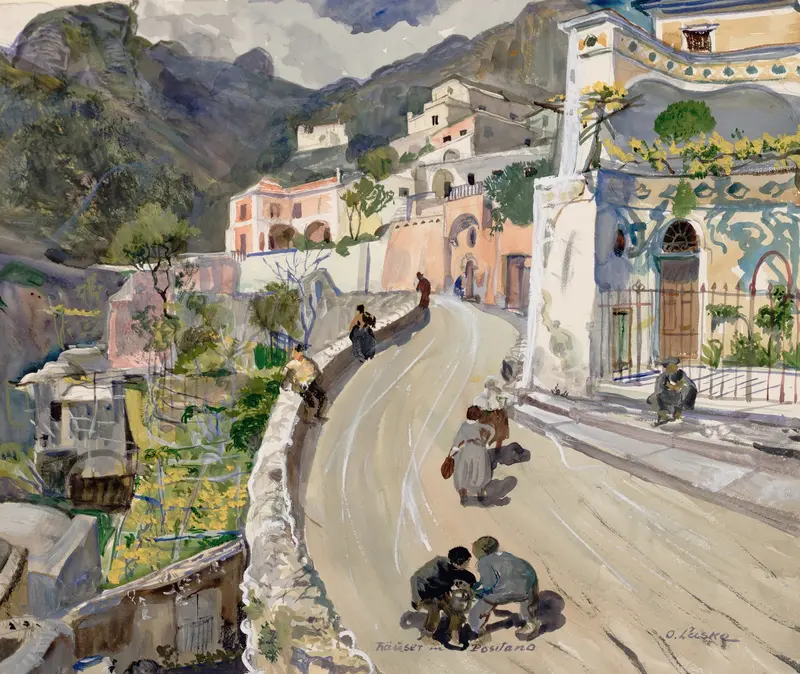
Ansicht von Positano
Oskar Laske
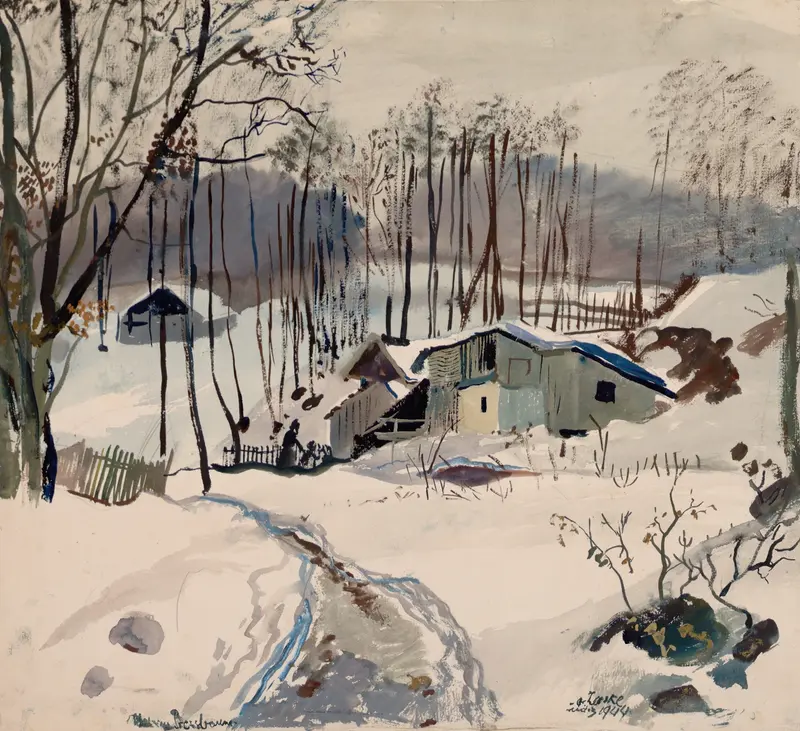
Winterlandschaft in Pressbaum
Oskar Laske
More Genre Scene Art

Banquet of the Officers of the St George Civic Guard
Frans Hals

Rembrandt and Saskia in the Scene of the Prodigal Son
Rembrandt van Rijn

Bal du moulin de la Galette
Pierre-Auguste Renoir

Quadrille at the Moulin Rouge
Henri de Toulouse-Lautrec

A Burial at Ornans
Gustave Courbet

When Will You Marry?
Paul Gauguin