Fishing Hut Off Pierhead, Viareggio, Italy — History & Analysis
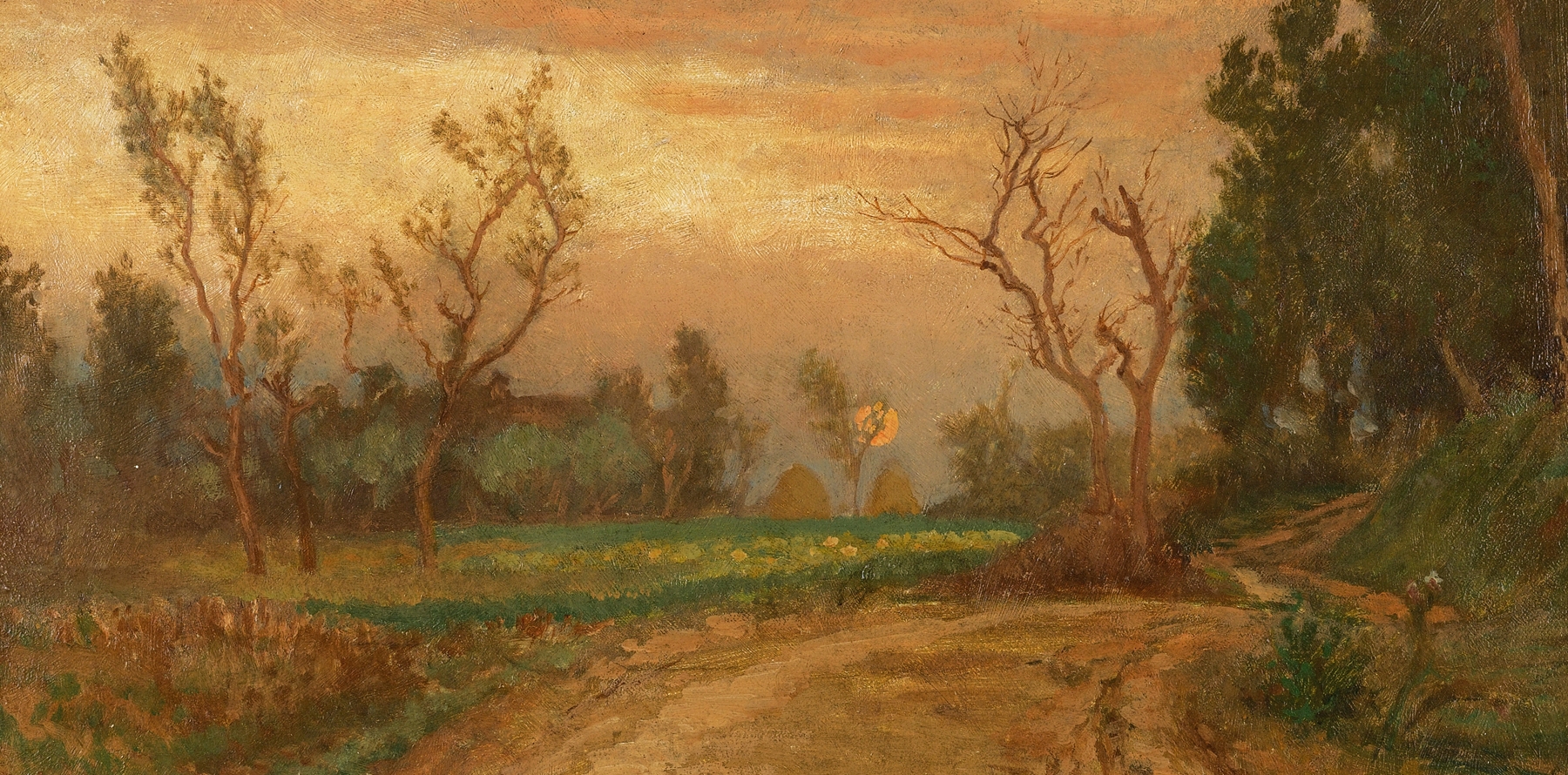
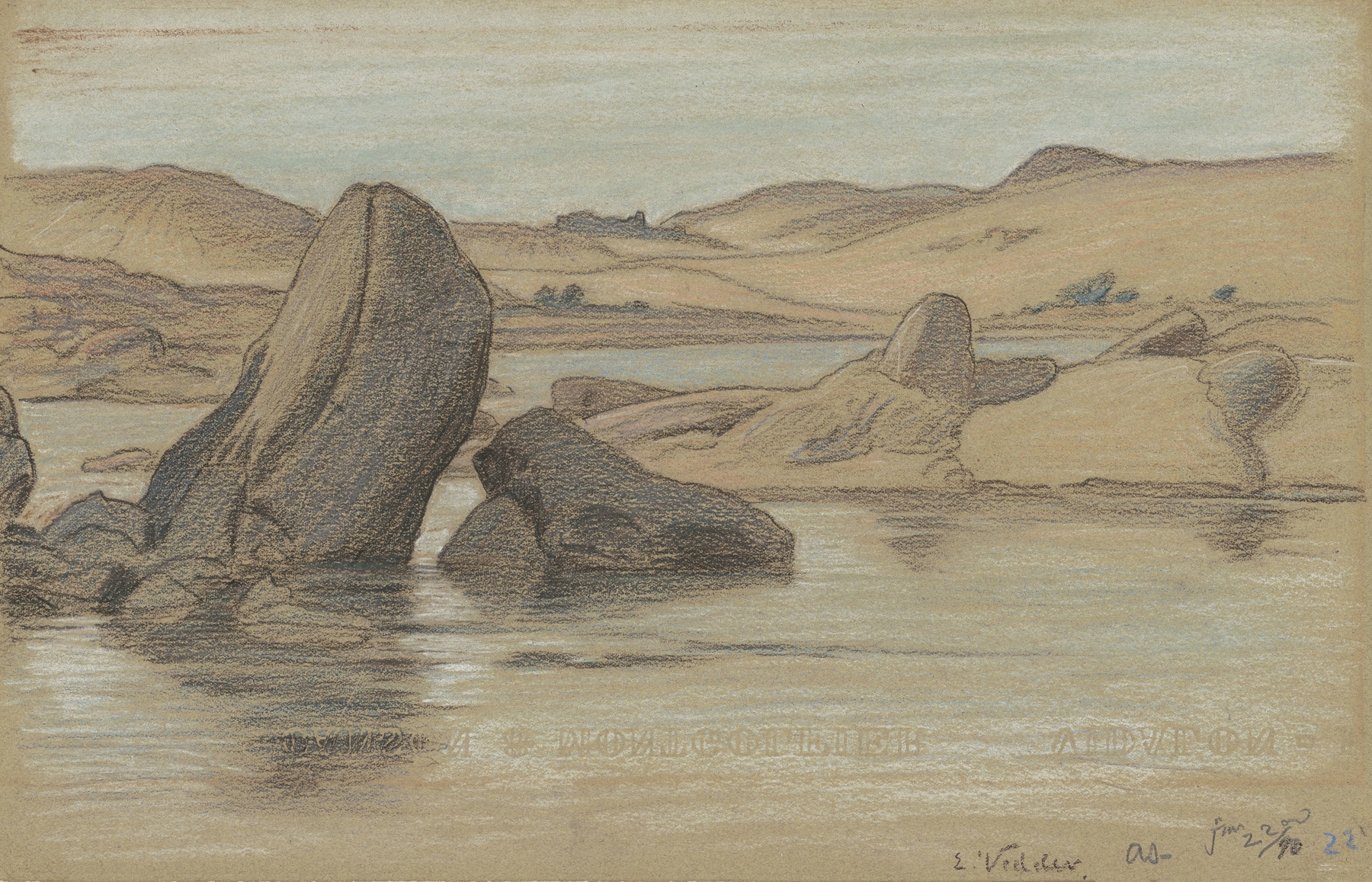
Could beauty survive in a century of chaos? In the serene embrace of Fishing Hut Off Pierhead, Viareggio, Italy, a quiet destiny unfolds, draped in the tender hues of twilight. This artwork invites us to linger in the delicate balance between the tranquility of nature and the turmoil of human existence. Focus on the left side, where the rustic hut stands firm against the backdrop of soft, rolling waves. The artist’s brushstrokes create gentle ripples in the water, reflecting the warm golds and deep blues of dusk.
Notice how the light captures the hut's weathered texture, evoking a sense of timelessness while hinting at the life contained within. Each detail—the buoy swaying nearby, the distant figures casting their lines—pulls the viewer deeper into this world, giving a whisper of life amidst the stillness. Yet, beneath this serene surface lies a tension between nature’s beauty and the inevitability of change. The hut, though steadfast, symbolizes a fleeting moment in time—an anchor in a world of unpredictability.
The colors, while rich, also evoke an underlying melancholy, suggesting that even the most picturesque scenes are imbued with the knowledge of impermanence. Each element speaks to the fragility of destiny, as the sea’s rhythm carries both hope and uncertainty. Elihu Vedder created this piece in 1880 while living in Italy, a time when the art world was steeped in the Post-Impressionist movement, seeking to break free from traditional forms and explore personal expression. Vedder, known for his allegorical subjects and mystical themes, captured the essence of the Italian coast at a moment when beauty was both a refuge and a reflection of the chaotic world outside the frame.