
Fishmonger's Stall — History & Facts
What first catches the eye in Fishmonger's Stall is the sheer abundance and variety of sea life, rendered with a precision that almost lets you smell the salt air. The stall bursts with fish and shellfish, their scales and shells glistening under a cool, northern light. The drama unfolds not in grand gestures, but in the exchange between the young woman with her brass pail and the burly fishmonger, cleaver poised mid-task.
Every detail is a clue: the woman's bright apron draws your gaze, her intent expression mirrored by the fishmonger's wary concentration. The arrangement of the catch—sprawled, hanging, piled—turns commerce into spectacle, while the distant landscape hints at a world beyond the market’s bustle. Painted in 1640 by Adriaen van Utrecht, this work belongs to a flourishing tradition of market scenes in seventeenth-century Flanders, where artists celebrated the prosperity and variety of daily life. Such paintings were prized by wealthy burghers, eager to display both their taste and their access to the riches of trade.
The genre is a testament to a world in transformation: growing cities, expanding markets, and a new pride in the bounty of the land and sea. Now housed in the Museum of Fine Arts Ghent, Fishmonger's Stall stands as a vivid record of its era’s appetites and ambitions, inviting us to look closer—and perhaps to marvel at how much of life can be found in a single moment of exchange.
More Artworks by Adriaen van Utrecht
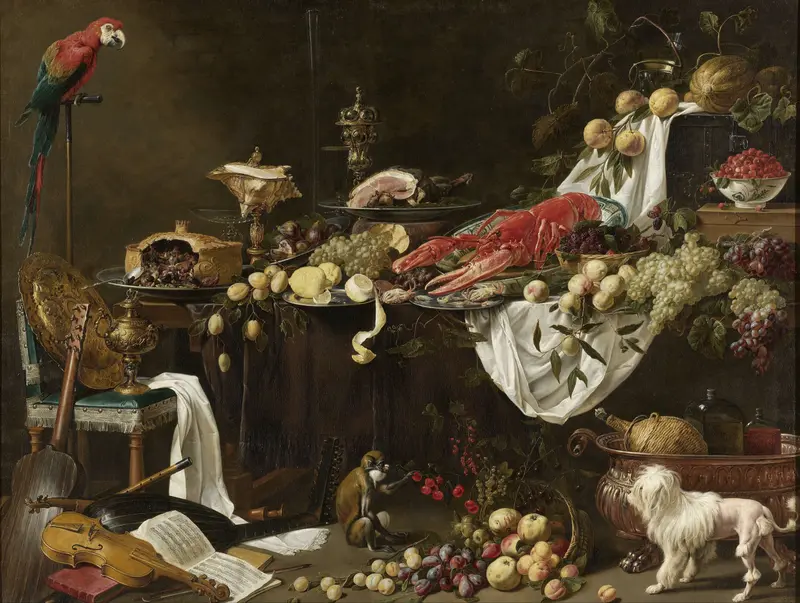
Banquet Still Life
Adriaen van Utrecht
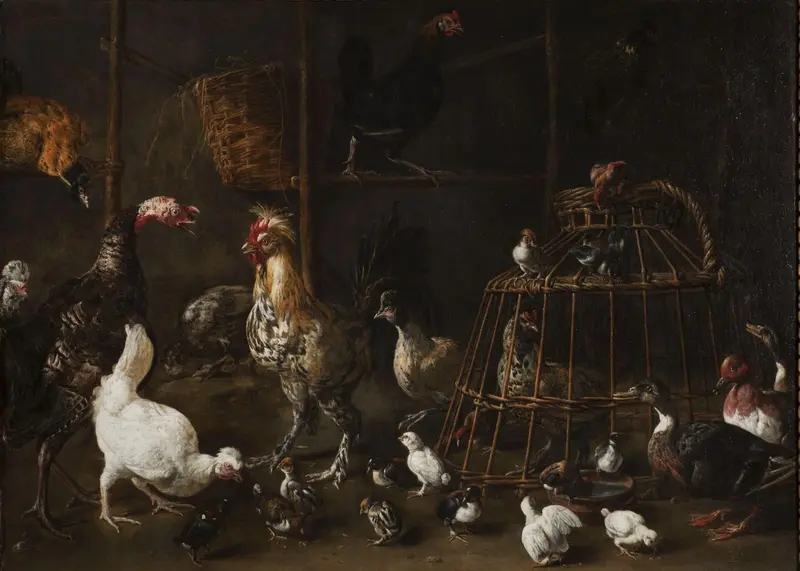
A barn interior with a turkey
Adriaen van Utrecht
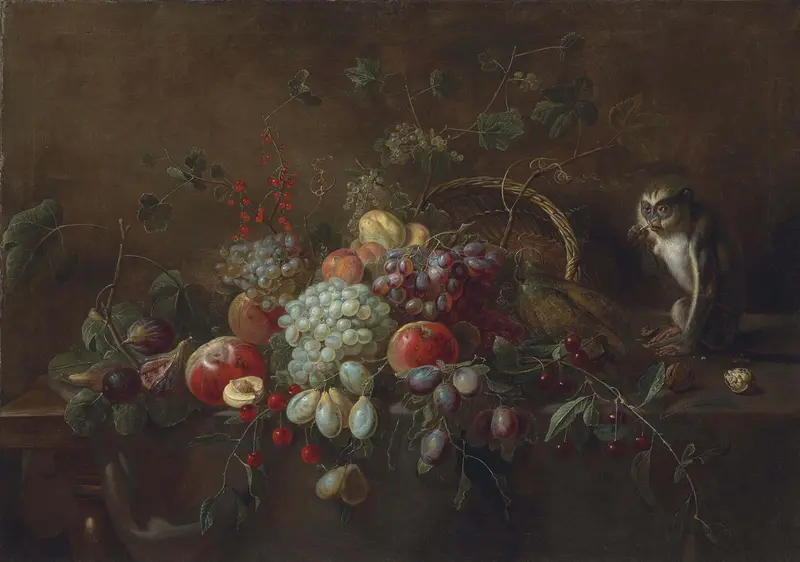
Grapes, apples, plums, figs and other fruit on a partly draped wooden table, a monkey eating walnuts by an upturned woven basket
Adriaen van Utrecht
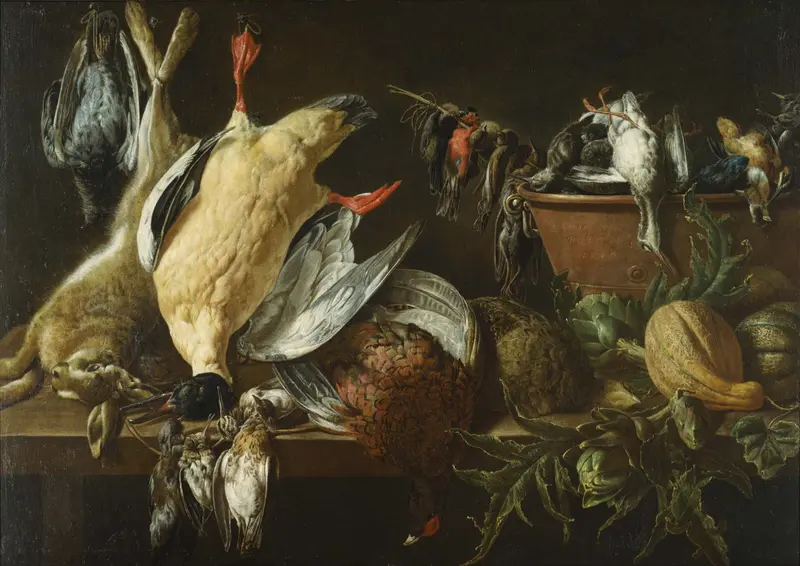
Still Life with Games and Vegetables
Adriaen van Utrecht
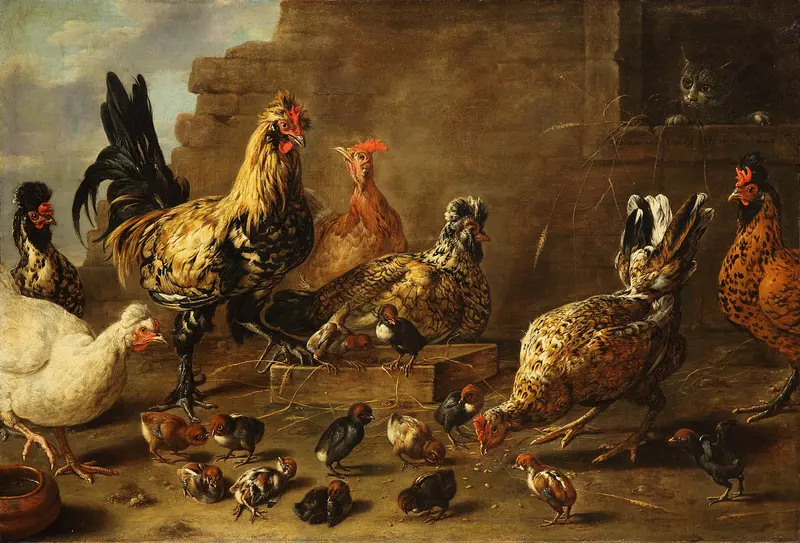
The chicken yard
Adriaen van Utrecht
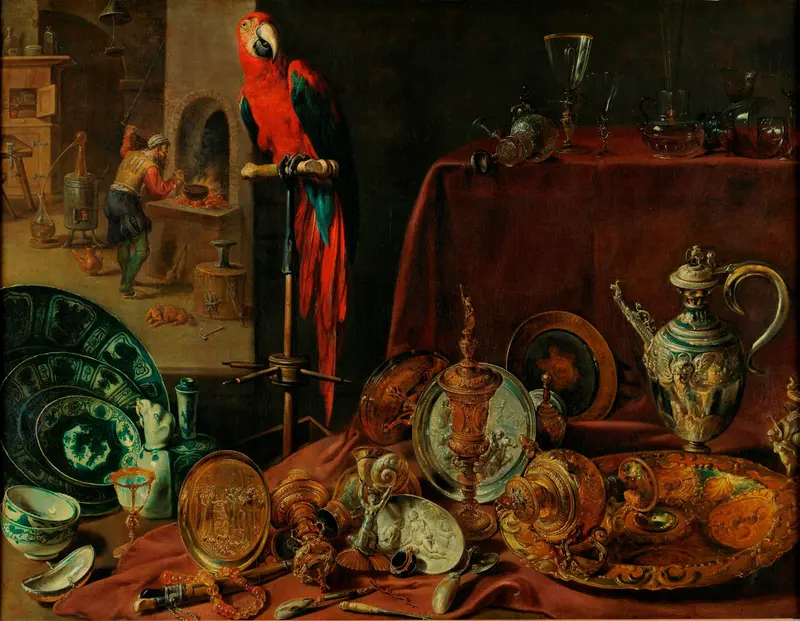
Still life with parrot, an allegory of fire
Adriaen van Utrecht
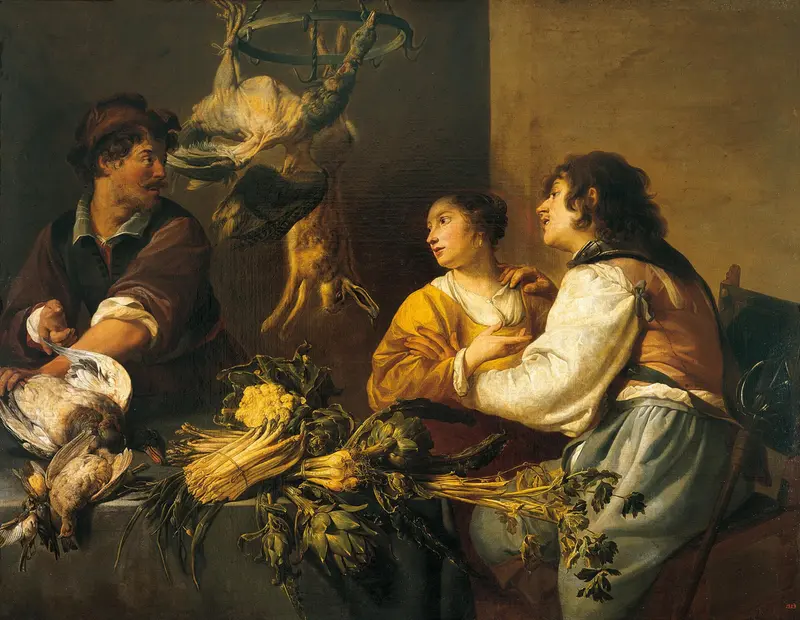
Kitchen
Adriaen van Utrecht
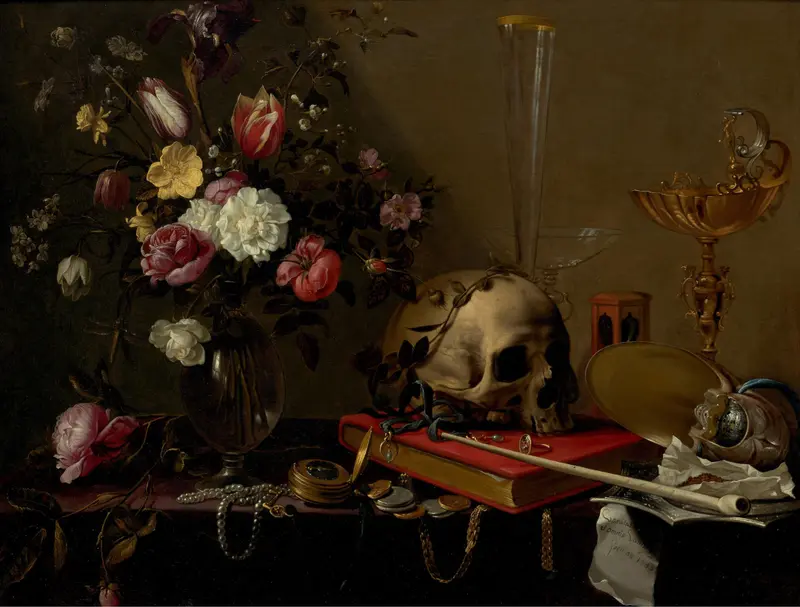
Vanitas - Still Life with Bouquet and Skull
Adriaen van Utrecht
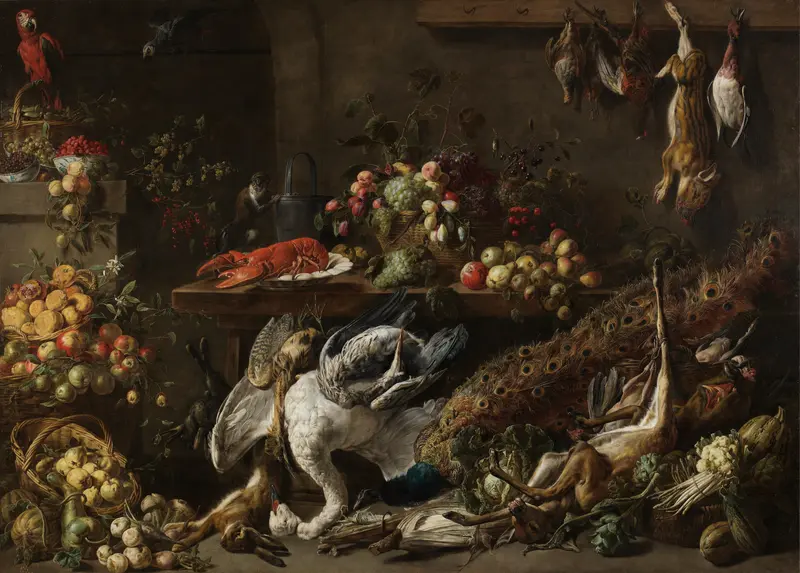
A Larder
Adriaen van Utrecht
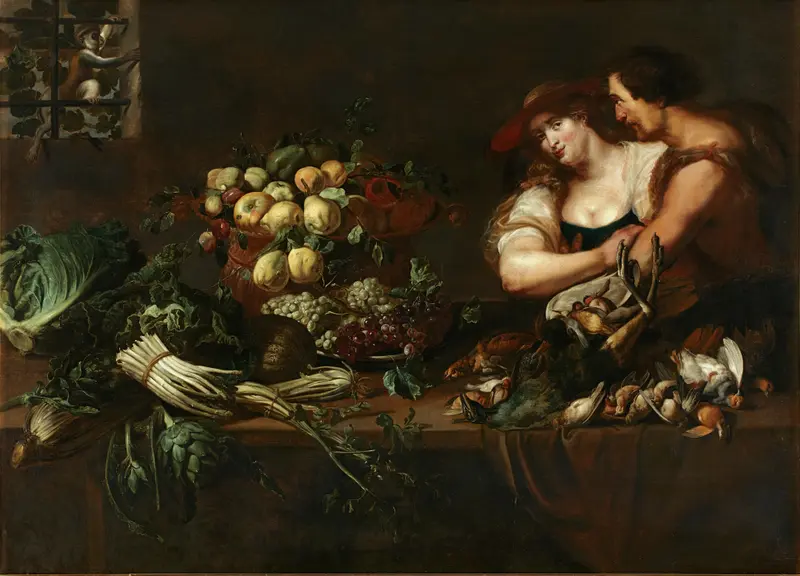
A Kitchen Still Life with Figures
Adriaen van Utrecht
More Genre Scene Art

Banquet of the Officers of the St George Civic Guard
Frans Hals

Rembrandt and Saskia in the Scene of the Prodigal Son
Rembrandt van Rijn

Bal du moulin de la Galette
Pierre-Auguste Renoir

Quadrille at the Moulin Rouge
Henri de Toulouse-Lautrec

A Burial at Ornans
Gustave Courbet

When Will You Marry?
Paul Gauguin