
Flowers in an ornamental Vase — History & Facts
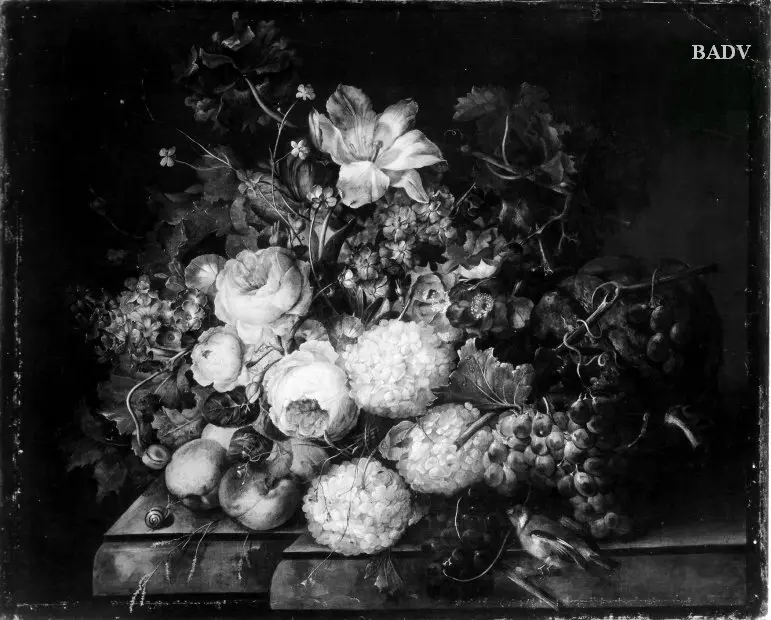
A single stem arcs out from the crowded bouquet, catching the light as it curves away from the rest—an unruly gesture in an arrangement otherwise bursting with controlled abundance. The eye is drawn first to the brilliant orange poppy crowning the display, then tumbles down through a riot of tulips, peonies, and roses, each petal painted with a precision that borders on reverence. Look closer: a butterfly perches at the base, a snail glides along the table’s edge, and a tangle of wheat and wildflowers hints at the world beyond the vase.
The dark background presses the flowers forward, making their colors burn brighter, while the careful scattering of insects reminds us that this is not a fantasy, but a world alive and fleeting. Every leaf and stem is rendered with such clarity that you can almost feel the texture, sense the coolness of the vase, and smell the mingled scents. Painted between 1660 and 1679, Flowers in an ornamental Vase by Abraham Mignon belongs to a period when Dutch and Flemish artists elevated still life to a genre of quiet drama and coded meaning. In an age fascinated by nature’s variety and brevity, such bouquets were never just decoration: they were meditations on beauty, transience, and the pleasures of close observation.
Collectors of the time—merchants, scholars, and the rising bourgeoisie—sought these paintings as both status symbols and reminders of life’s passing sweetness. Though the details of this particular work’s early history are lost to us, its presence in a modern collection lets us share in the same wonder that captivated viewers centuries ago. Stand before it and let your gaze wander; every detail offers a new story.
More Artworks by Abraham Mignon

Still Life with Flowers and a Watch
Abraham Mignon
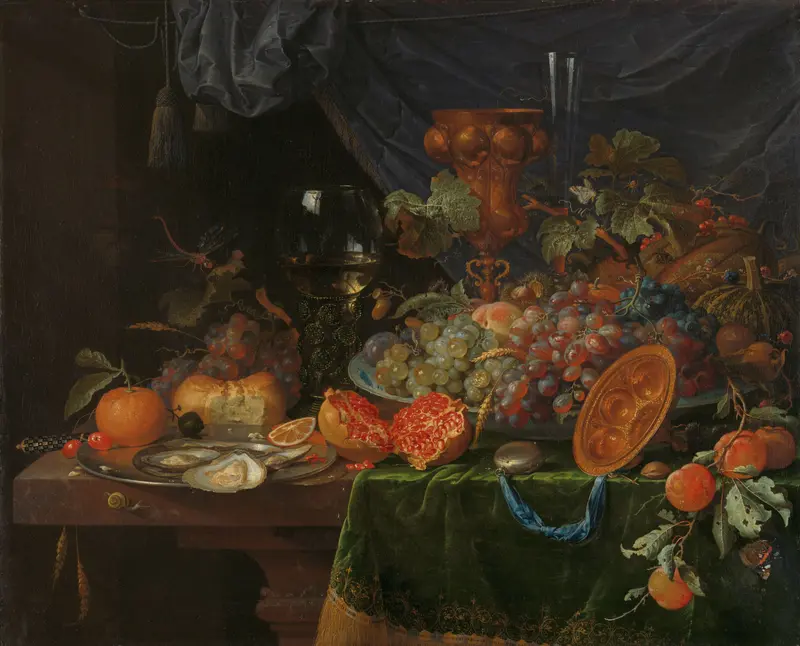
Still Life with Fruit and Oysters
Abraham Mignon
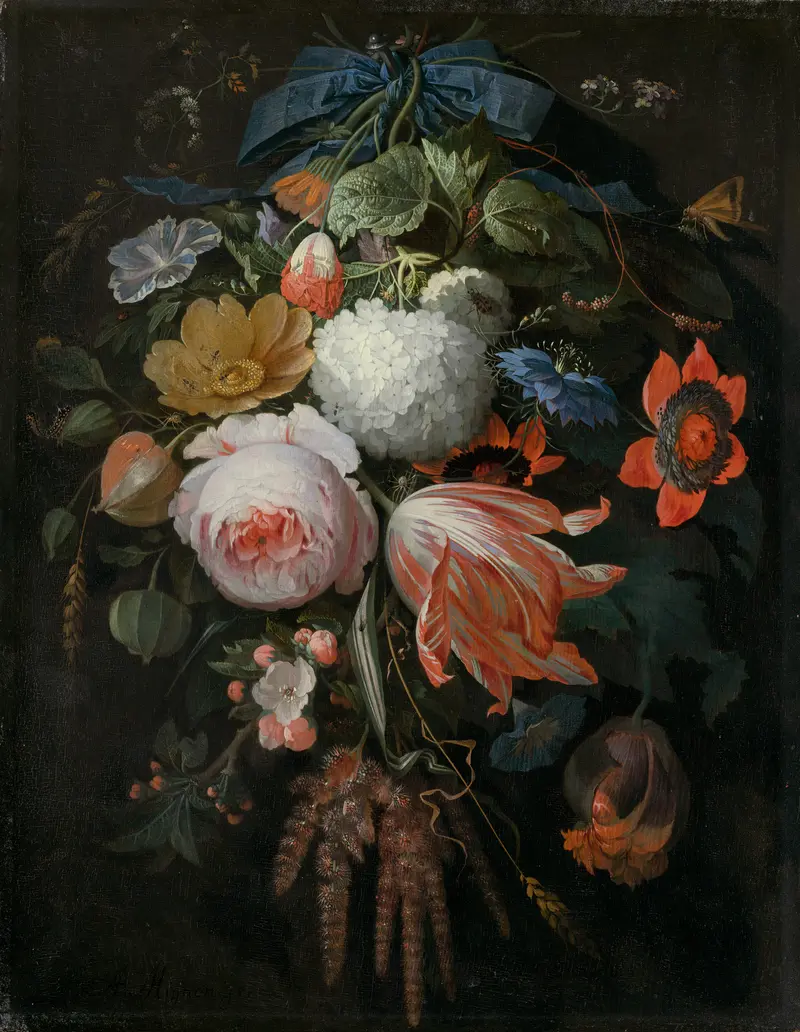
A Hanging Bouquet of Flowers
Abraham Mignon
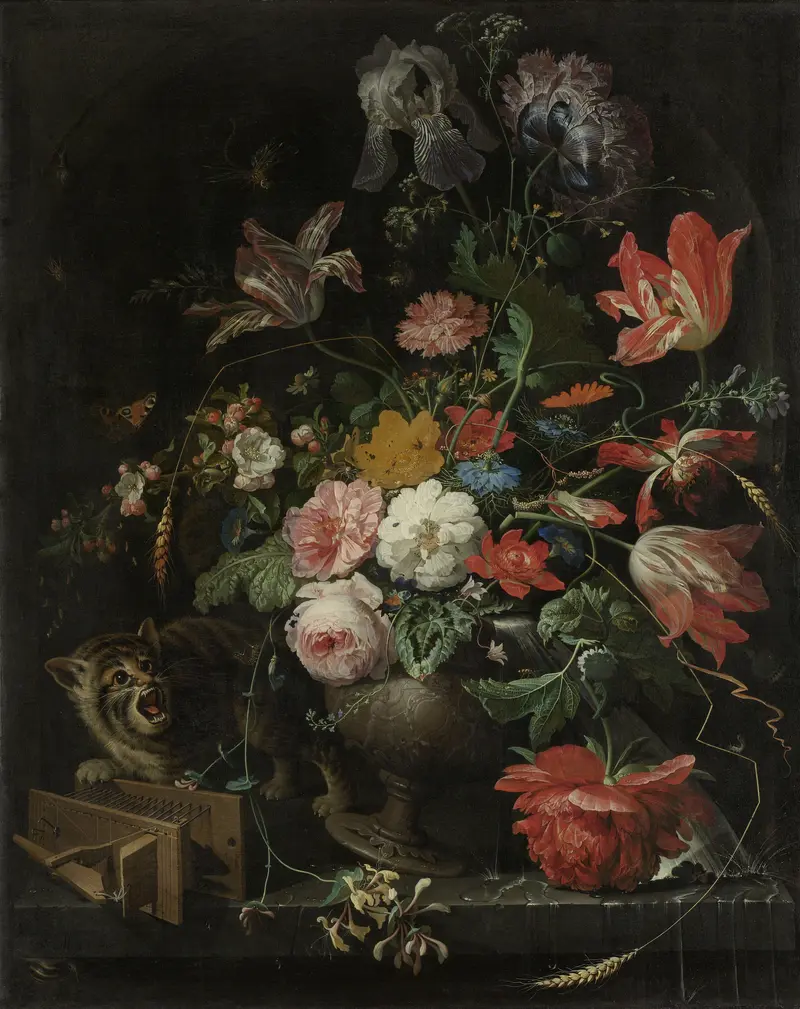
Bouquet with cat and mousetrap
Abraham Mignon
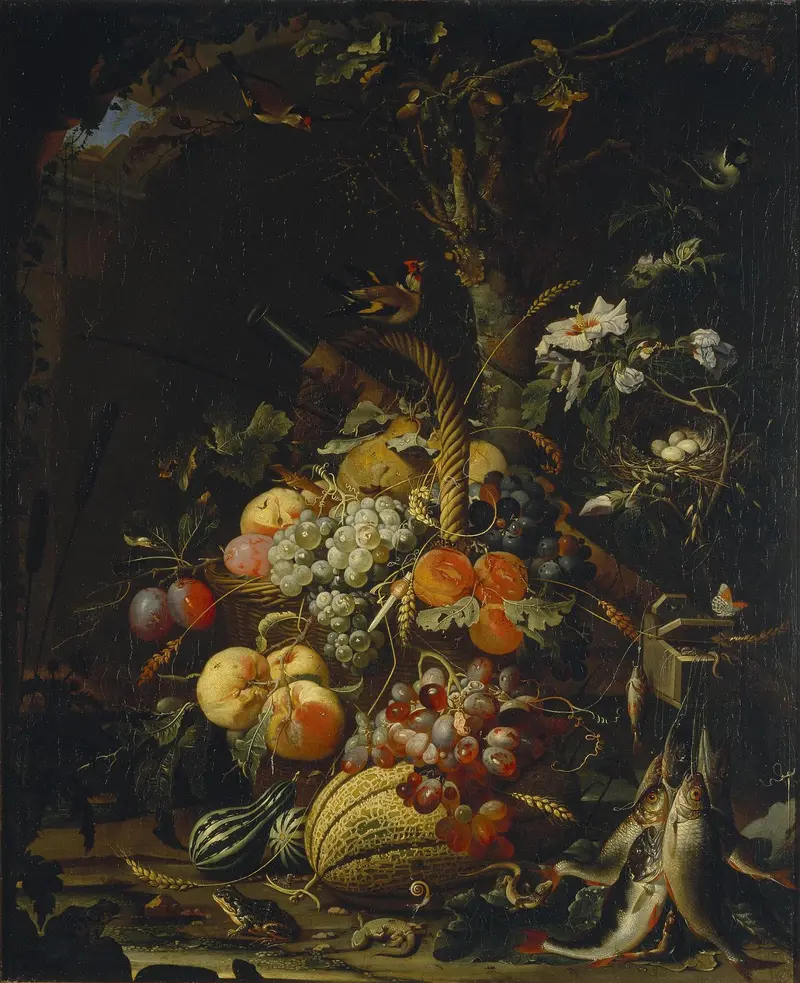
Forest floor still life with fruit, fish and a bird's nest
Abraham Mignon
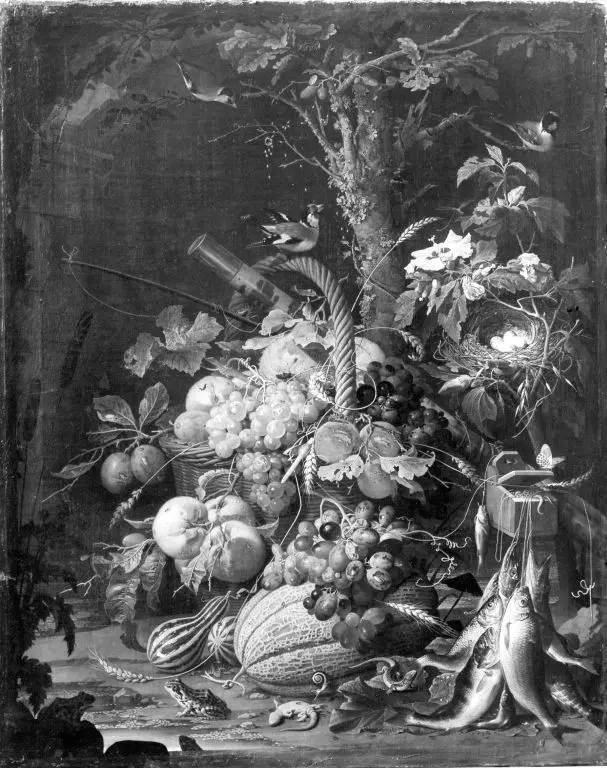
Still life with fruit, fish and a bird's nest
Abraham Mignon
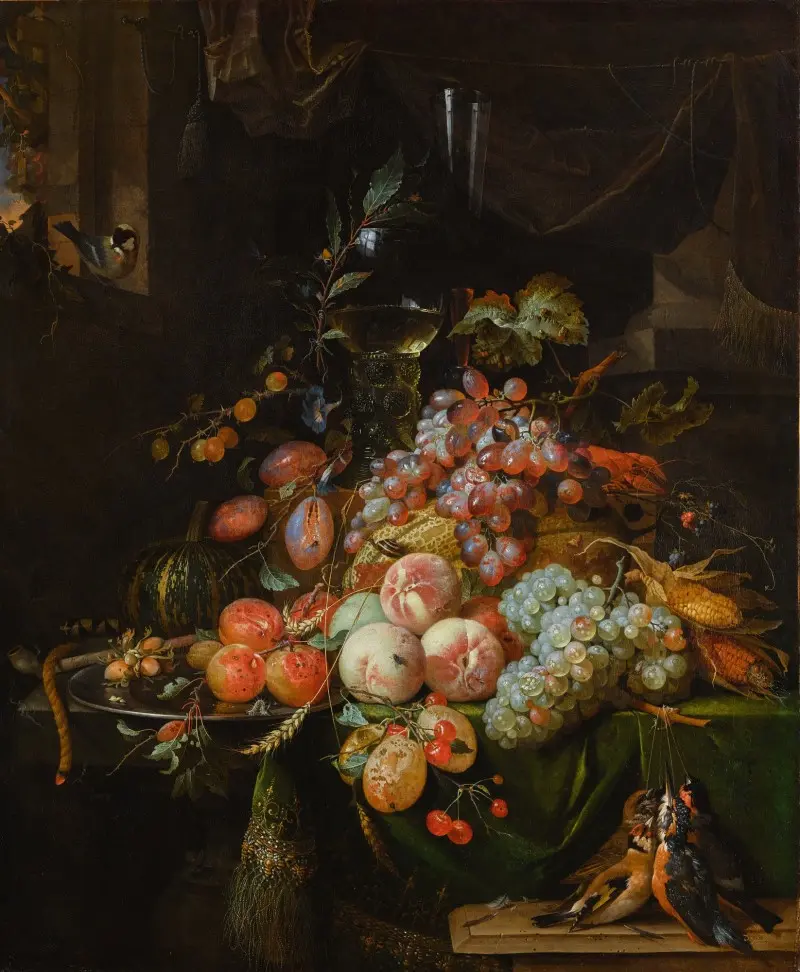
Still Life with Plums, Peaches, Apricots, Grapes and a Melon
Abraham Mignon
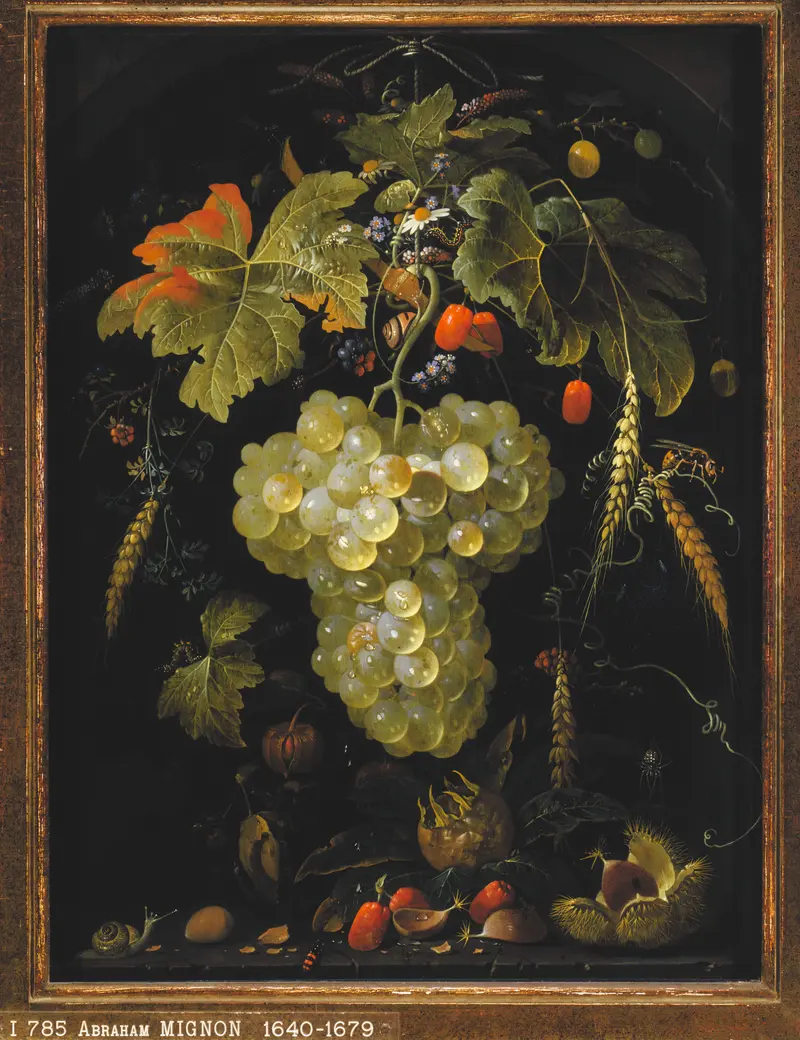
Festoon of fruit suspended from a rope, in a niche
Abraham Mignon
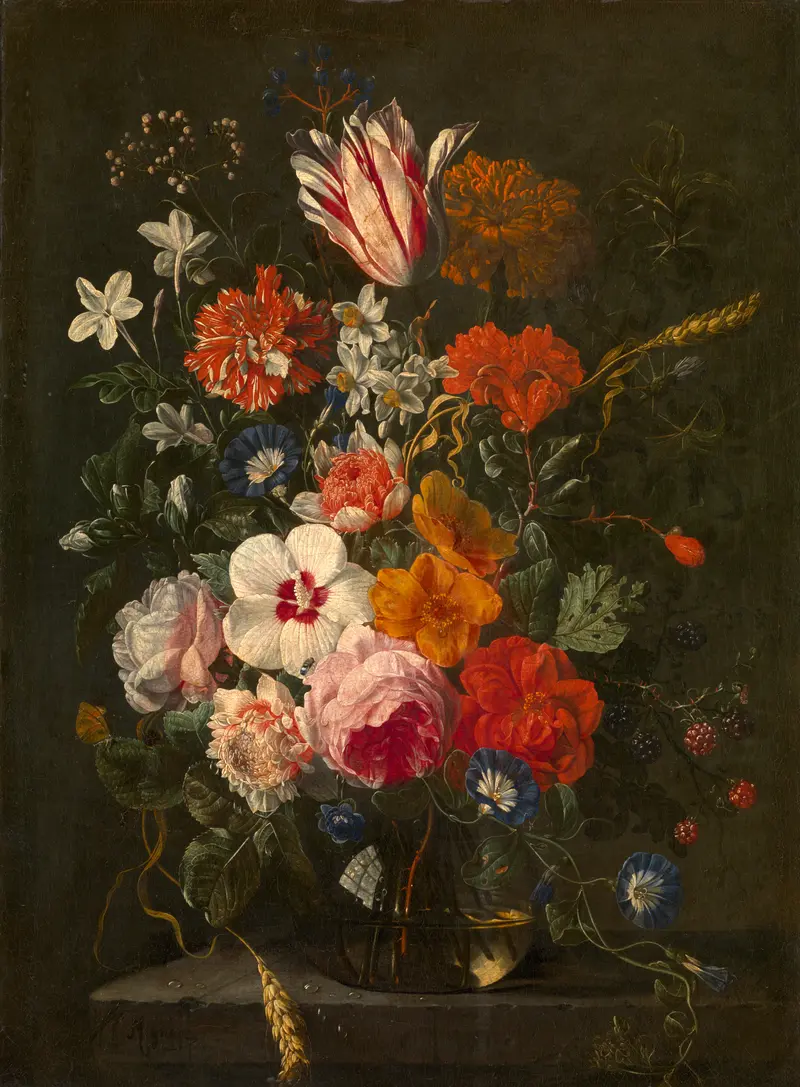
Flowers and a branch of berries in a glass vase on a stone ledge
Abraham Mignon
Flowers and fruit on a plinth
Abraham Mignon





