Flusslandschaft — History & Analysis
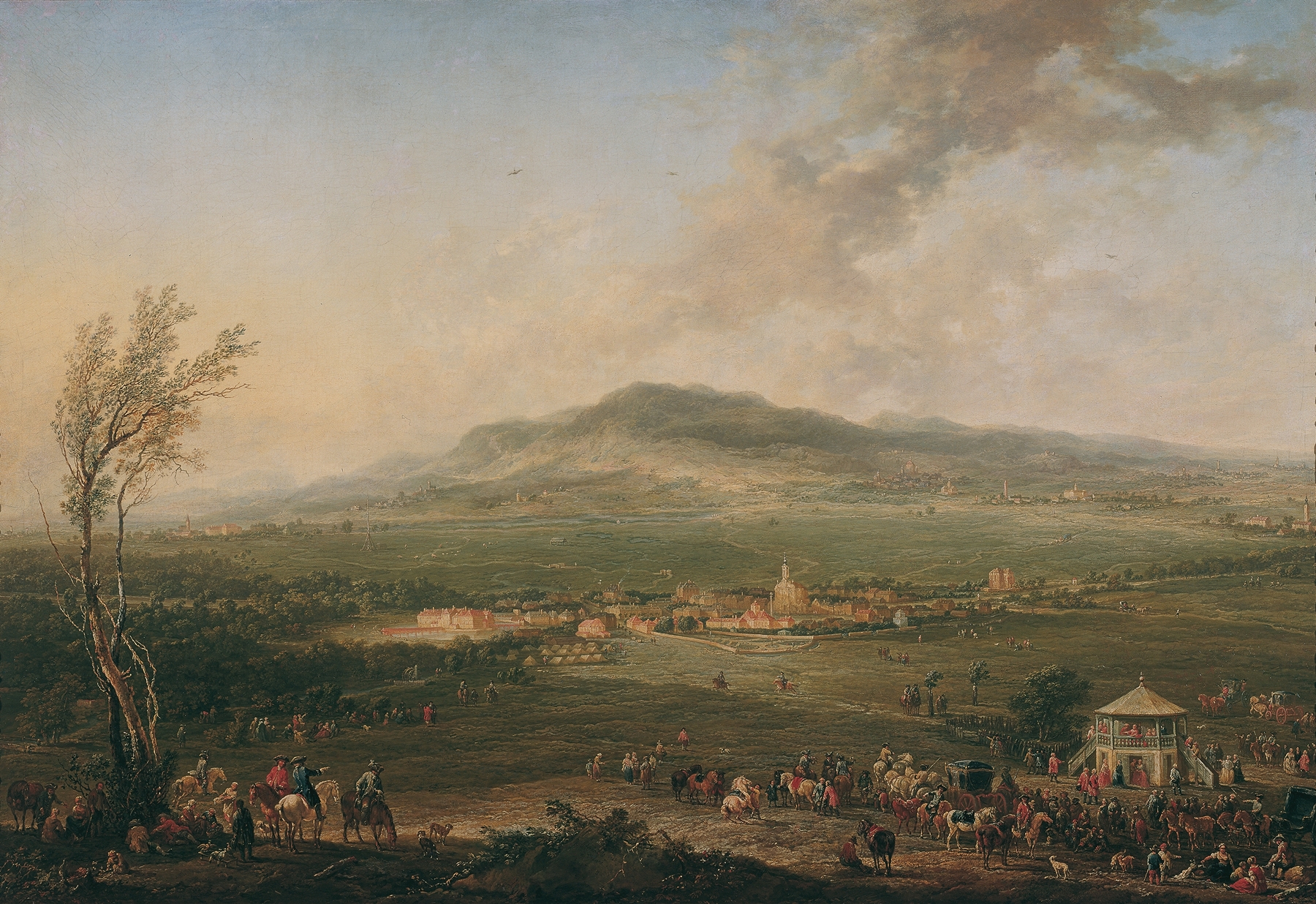
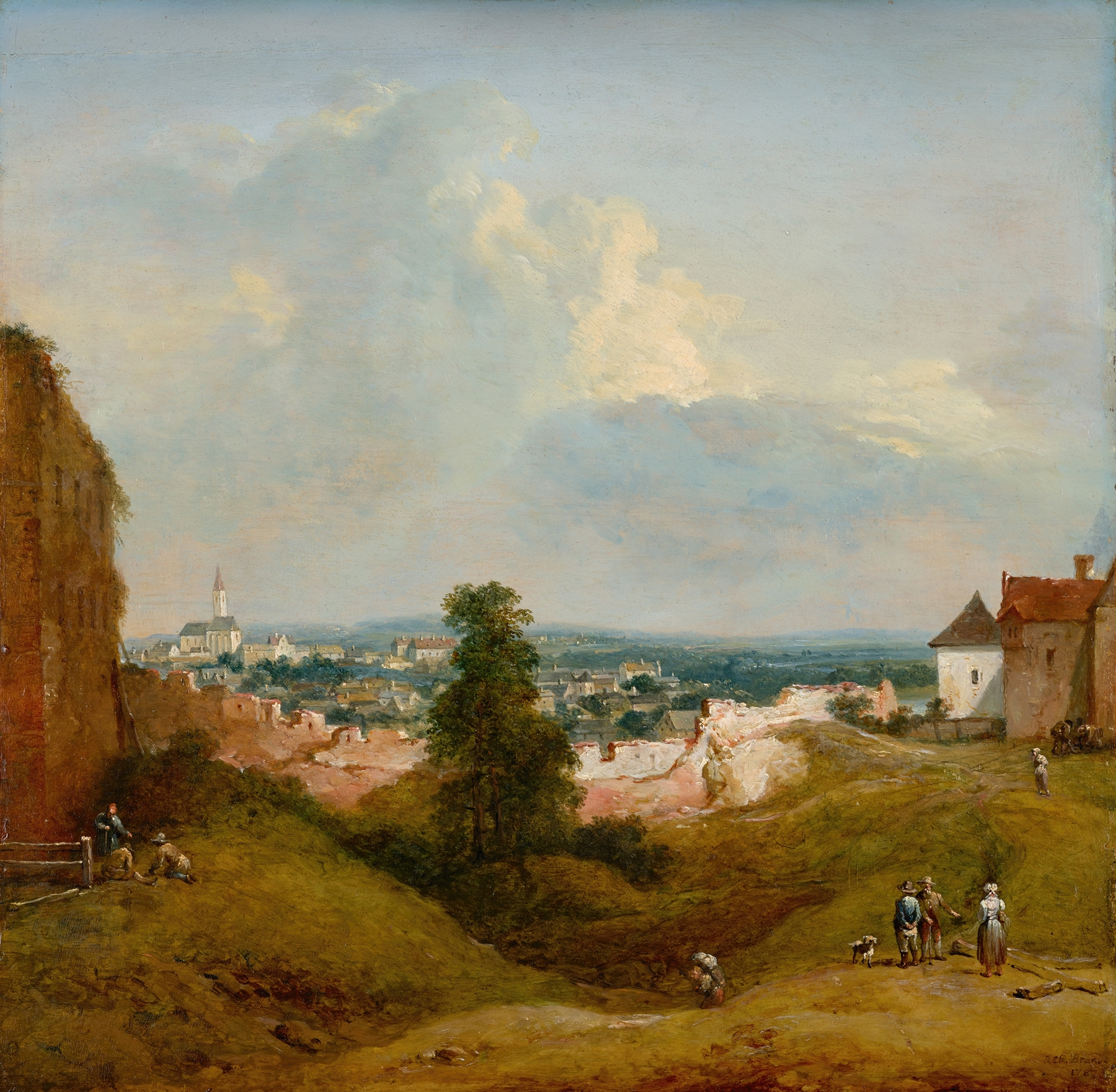
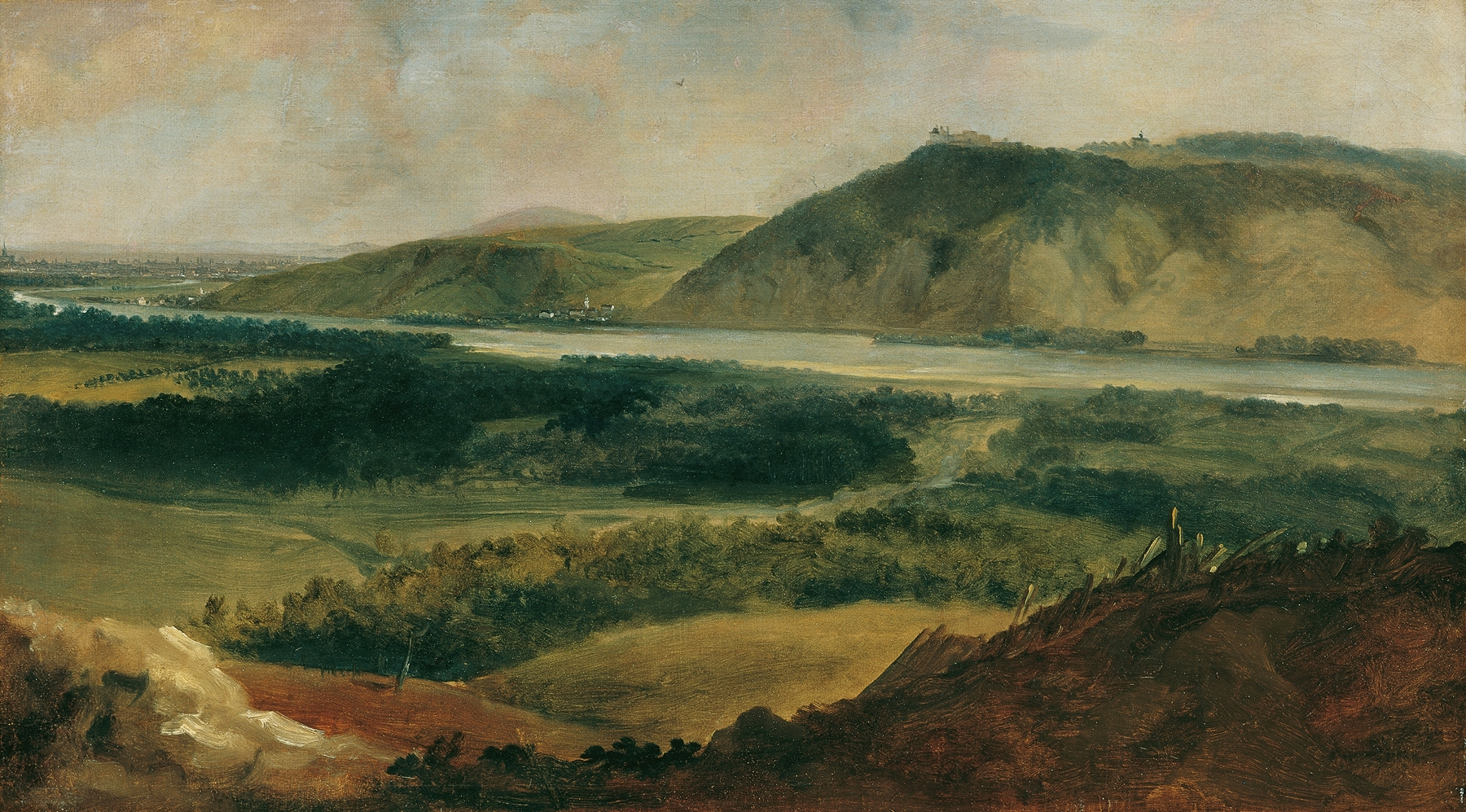
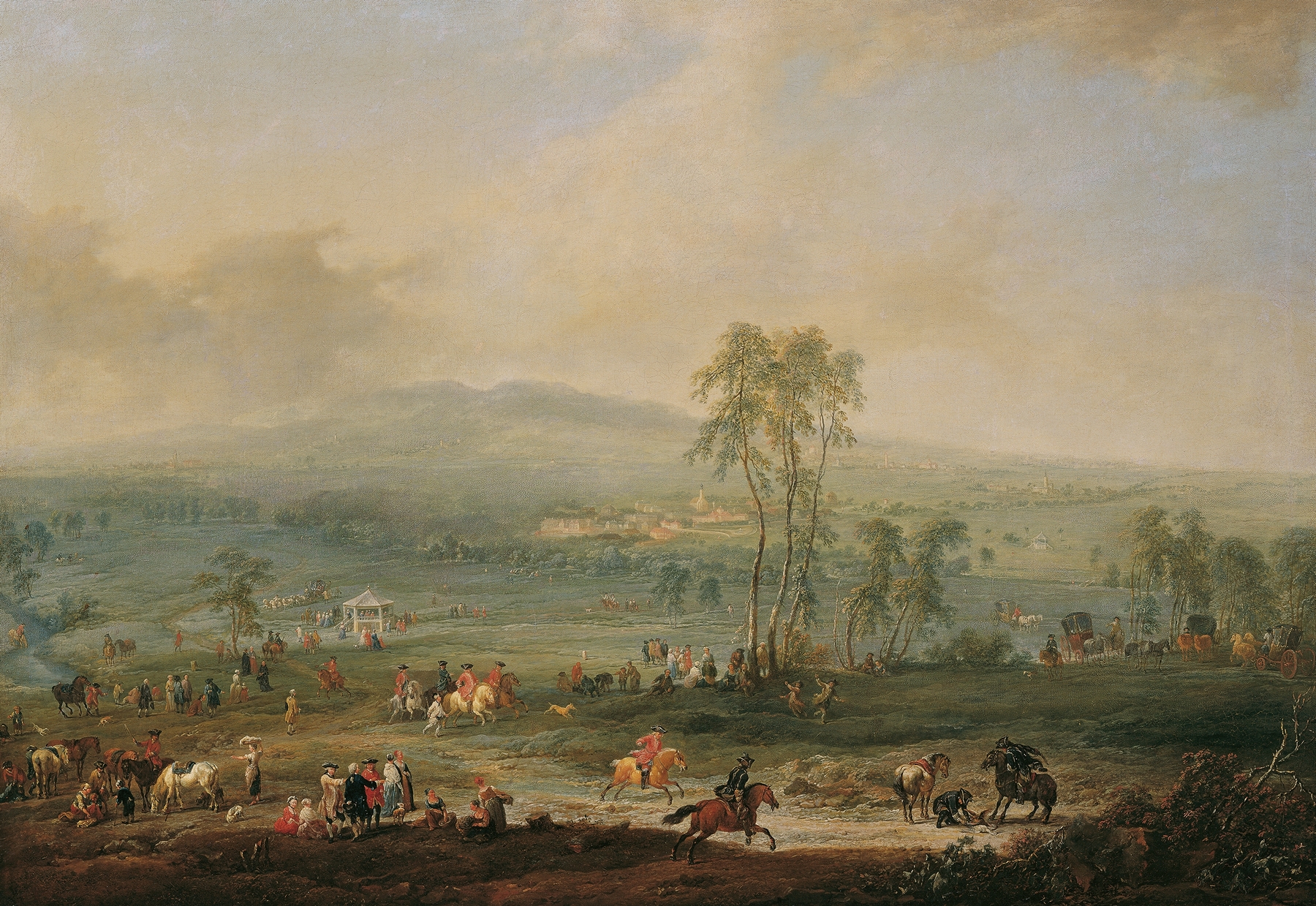
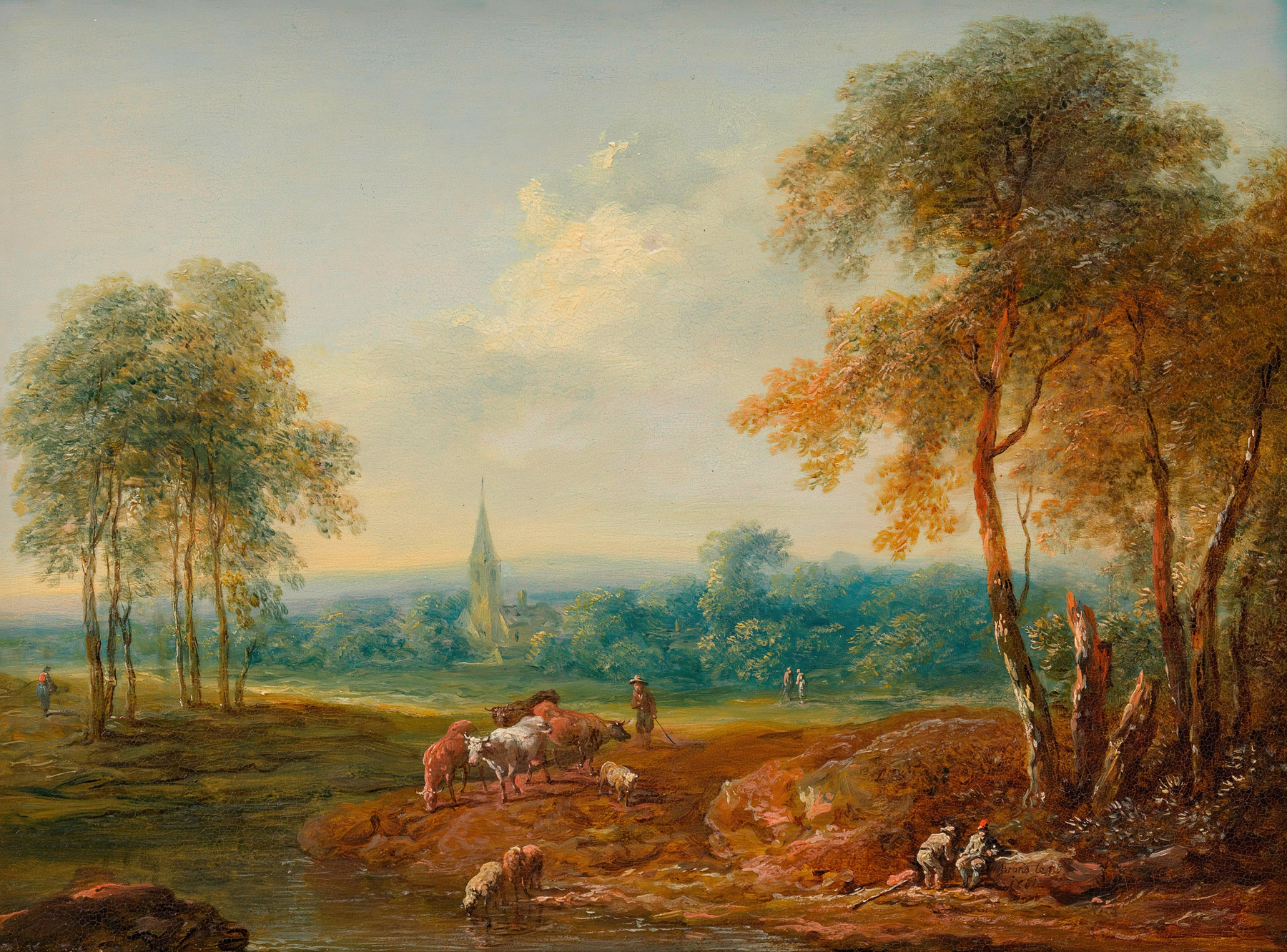
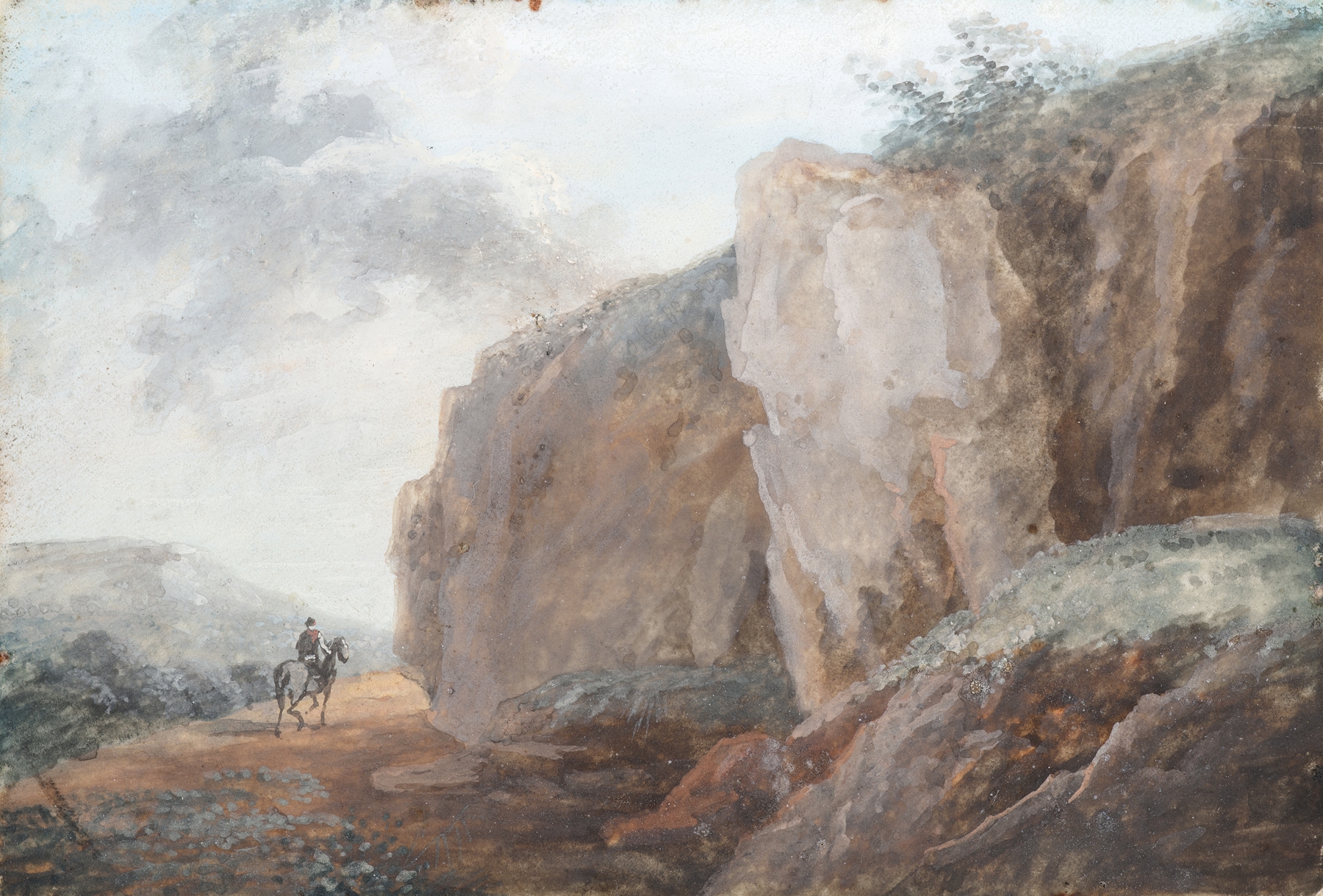
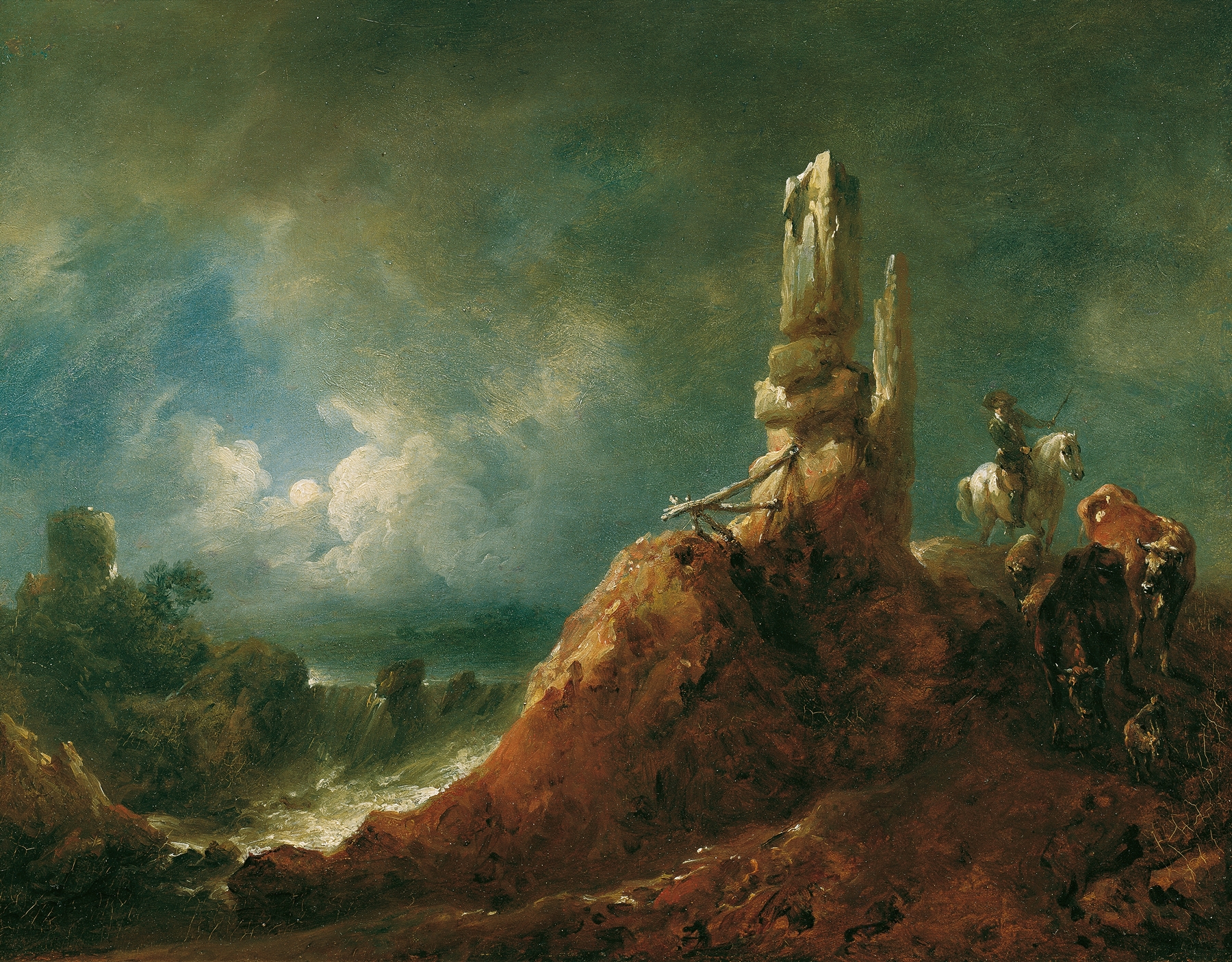
“Every brushstroke is a heartbeat remembered.” In the midst of serenity, madness lingers in the details of life, echoing the chaos of humanity within the calm of nature. Look to the center of Flusslandschaft, where a flowing river slices through the canvas, reflecting a mix of azure and jade that suggests both tranquility and tumult. The lush trees on either bank stand tall, their vibrant greens contrasting sharply with the deep shadows that creep along the water’s edge. Notice the delicate brushwork that imparts an almost feverish energy, causing the foliage to dance and the water to shimmer, inviting the viewer to lose themselves in this deceptively peaceful landscape.
Yet, beneath this idyllic scene lies a tension that speaks of madness. The billowing clouds overhead seem to swirl with foreboding, hinting at storms brewing both in nature and the human psyche. The interplay between light and shadow suggests a duality—peace and turmoil, clarity and confusion. Observing the figures, tiny and almost lost within the expanse, we sense their struggle against an overpowering natural world, symbolizing a broader existential fight against the chaos of life itself.
Created in 1784 while Brand was in Germany, Flusslandschaft reflects the artist's exploration of the natural world during a time of philosophical upheaval. The Enlightenment's ideals of reason and order contrast sharply with the raw emotion depicted in this landscape. The period was marked by a growing awareness of the complex relationship between humanity and nature, and Brand’s work serves as a poignant reflection of this evolving narrative in art.