Flusslandschaft in Mecklenburg — History & Analysis
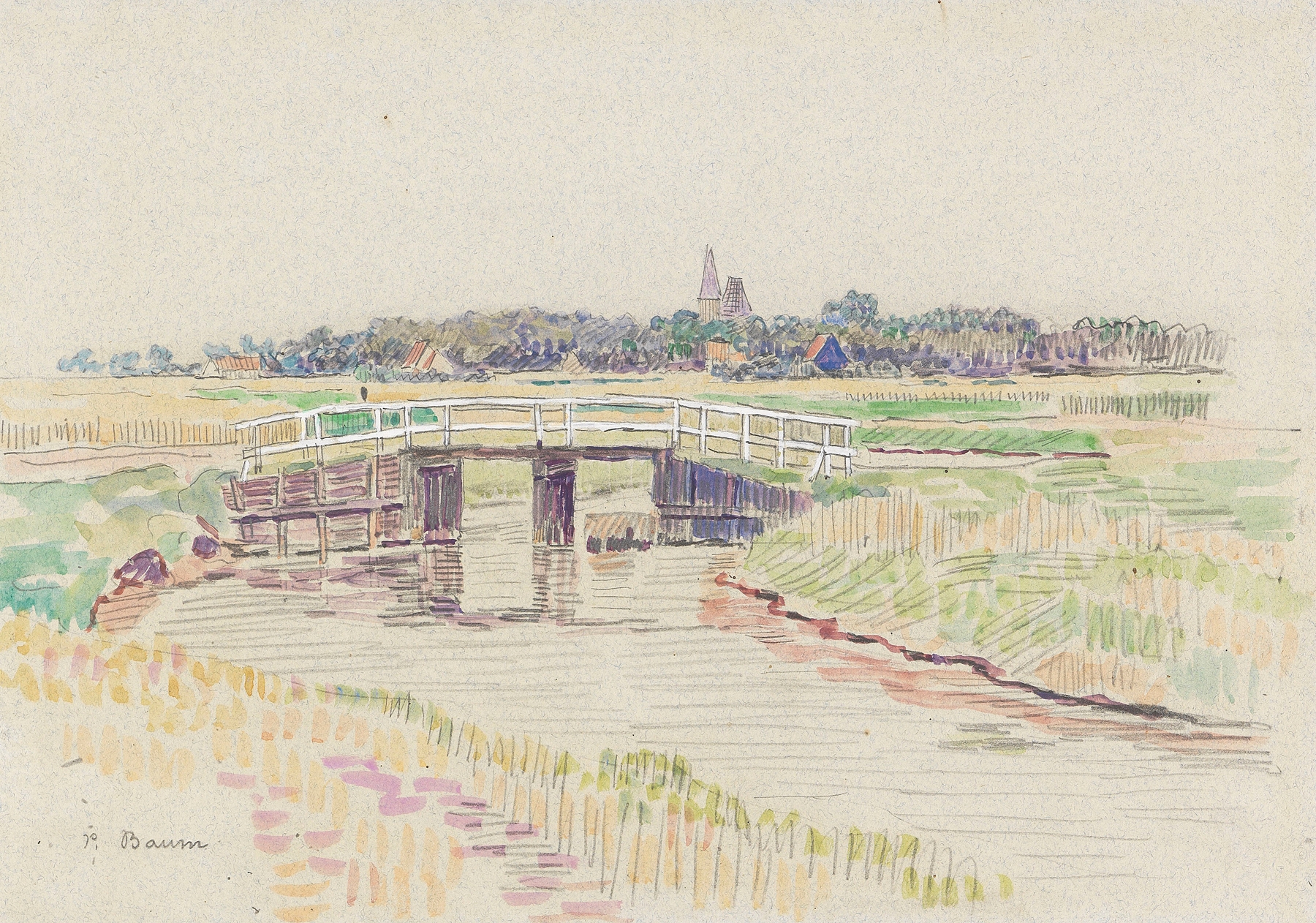
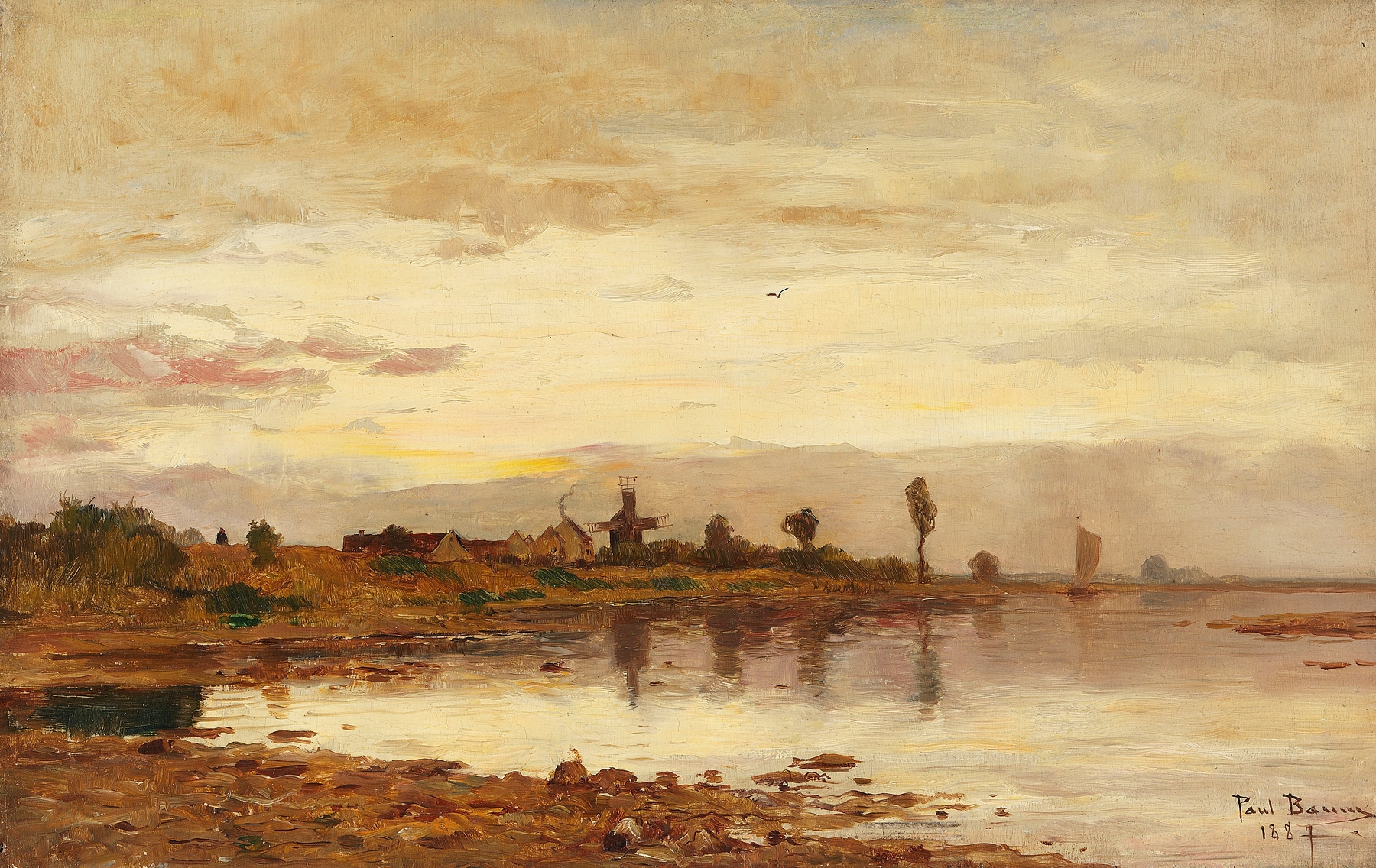
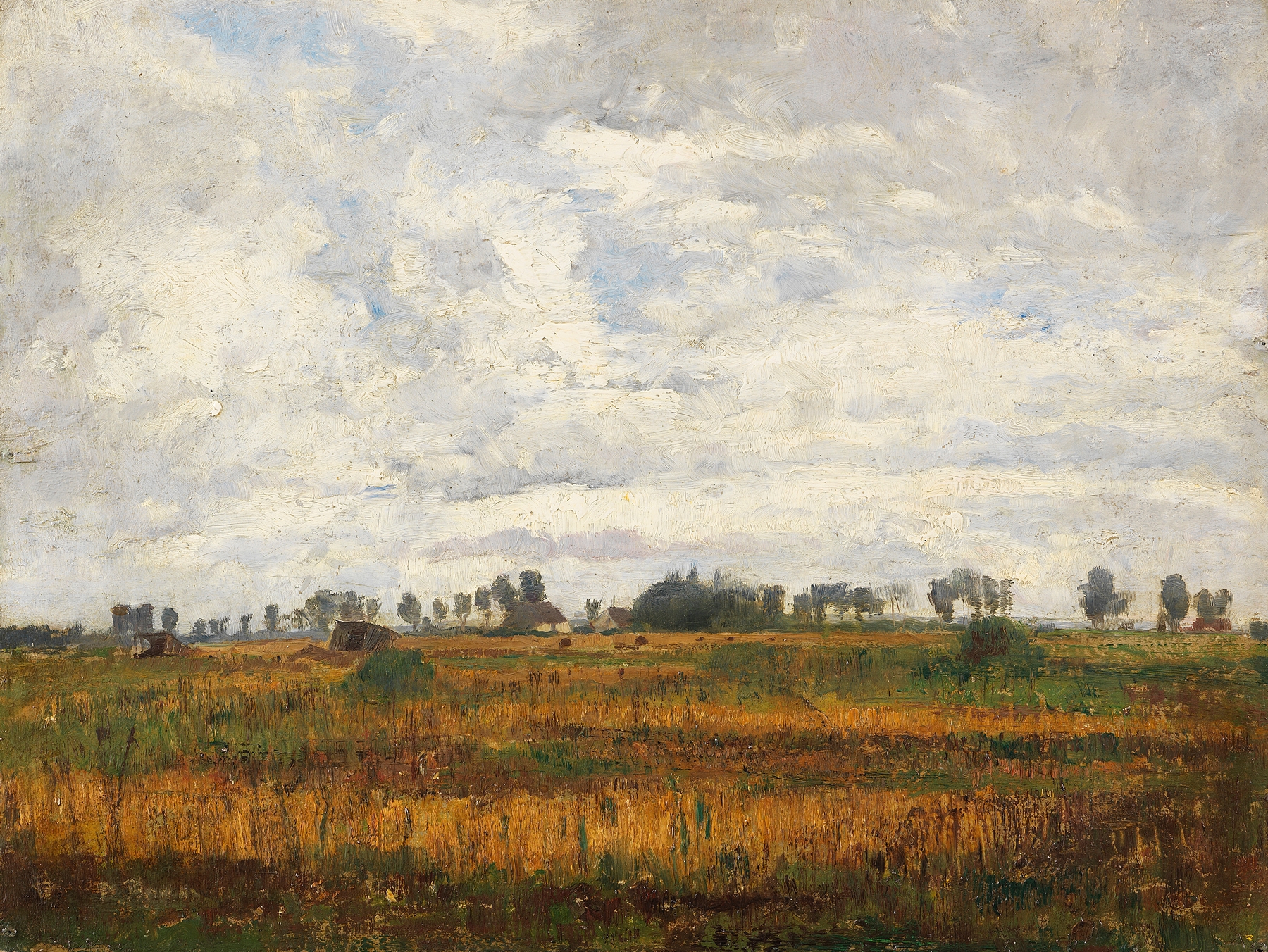
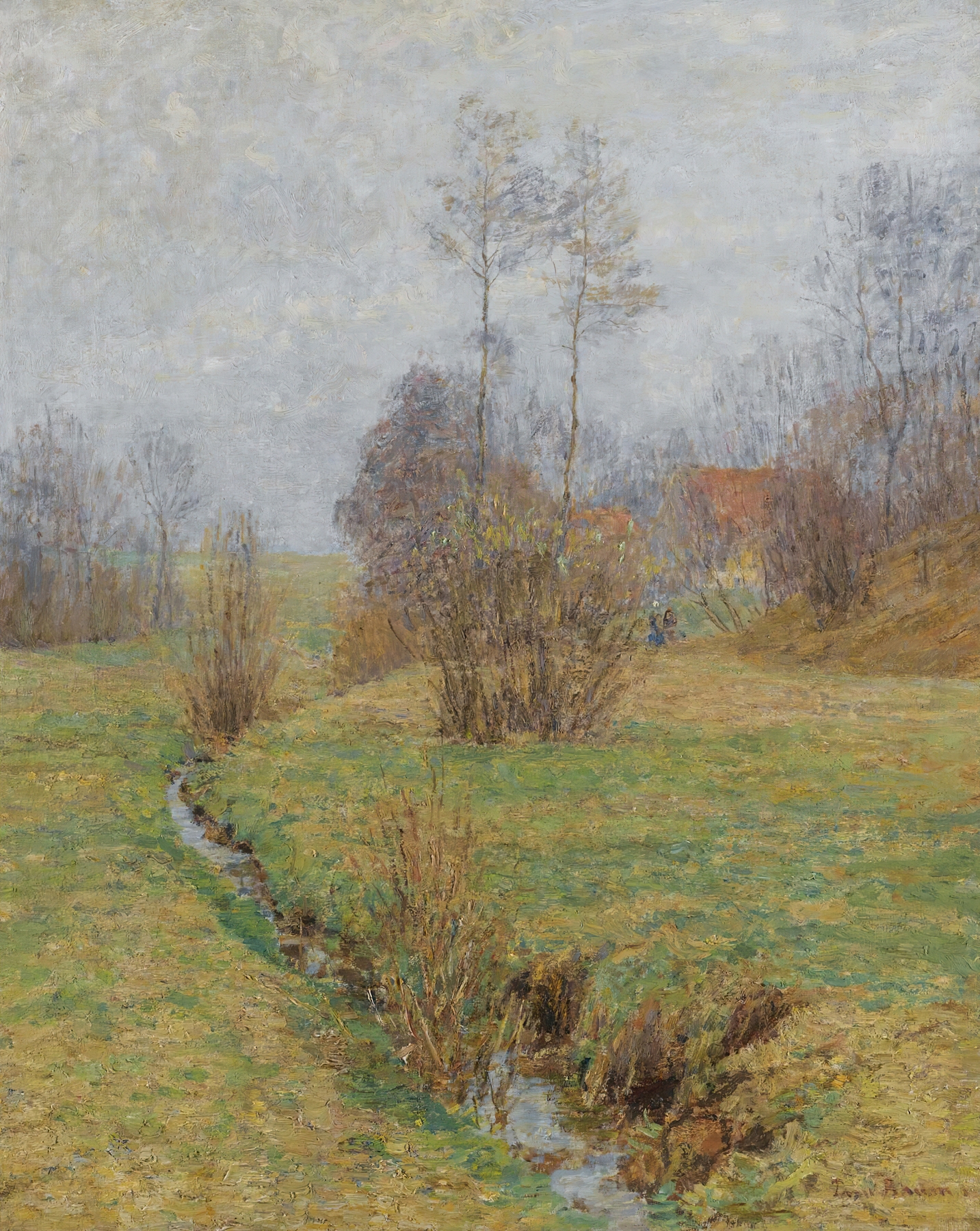
“Between color and silence, truth hides.” In a realm where time seems to pause, nostalgia breathes and whispers through the hues of nature. Look to the left at the vibrant greens, where lush trees embrace the flowing water, creating a harmonious dance between land and river. The artist utilizes gentle brushstrokes, blending shades of emerald with dappled sunlight, drawing the viewer's eye to the serene reflection on the water's surface. The composition balances the vividness of the landscape with an air of tranquility, inviting contemplation of both the seen and the unseen.
Delve deeper into the work: notice the small boats bobbing gently on the river, each one a vessel of memories, tethered to the past yet moving toward the uncertain future. The juxtaposition of the lively colors against the calm water evokes a sense of longing, a bridge between what was and what is. The distant horizon hints at limitless possibilities, while the foreground holds the tangible beauty of a moment preserved.
In 1885, Baum painted this scene during a time of personal and artistic exploration in his life. Residing in Germany, he was influenced by the shifting tides of Romanticism and Impressionism, seeking to capture the essence of landscapes that reflected his inner world. The period was marked by a growing appreciation for nature, leading artists to explore the emotive power found in the simplicity of rural settings, a theme that resonates in this evocative work.