
Forest — History & Facts
The forest looms like a sanctuary for the mind, inviting both revelation and madness in its depths. It is a realm where shadows whisper and the light plays tricks, drawing one into a world that dances between reason and the chaotic unknown. Focus your gaze on the textured canopy; notice how the vibrant greens intermingle with the earthy browns, creating a symphony of life. The brushstrokes convey movement, as if the trees themselves breathe, shifting with the unseen winds.
The light filters through the leaves, casting dappled patterns that beckon you deeper into the verdant labyrinth, enhancing the sense of both peace and foreboding. Yet, amidst this beauty lies a tension between clarity and obscurity. The towering trunks stand resolute, symbols of endurance, while the underbrush hints at hidden struggles beneath the surface. This duality reflects the psyche’s complexity—the allure of nature can evoke both serenity and an unsettling madness, as the mind grapples with the abyss lurking in the quiet spaces.
The juxtaposition of light and shadow in the foliage mirrors the internal conflict that comes with contemplation in isolation. In 1894, Ľudovít Čordák painted Forest during a time when Central Europe was experiencing a burgeoning interest in symbolism and a shift towards emotional expression in art. Living in Slovakia, he embraced the natural landscape, reflecting both a personal connection to his surroundings and an exploration into the depths of human experience. This work stands as a testament to a period where artists sought to capture not just the physical world, but the profound emotions it stirs within us.
More Artworks by Ľudovít Čordák
Browse all →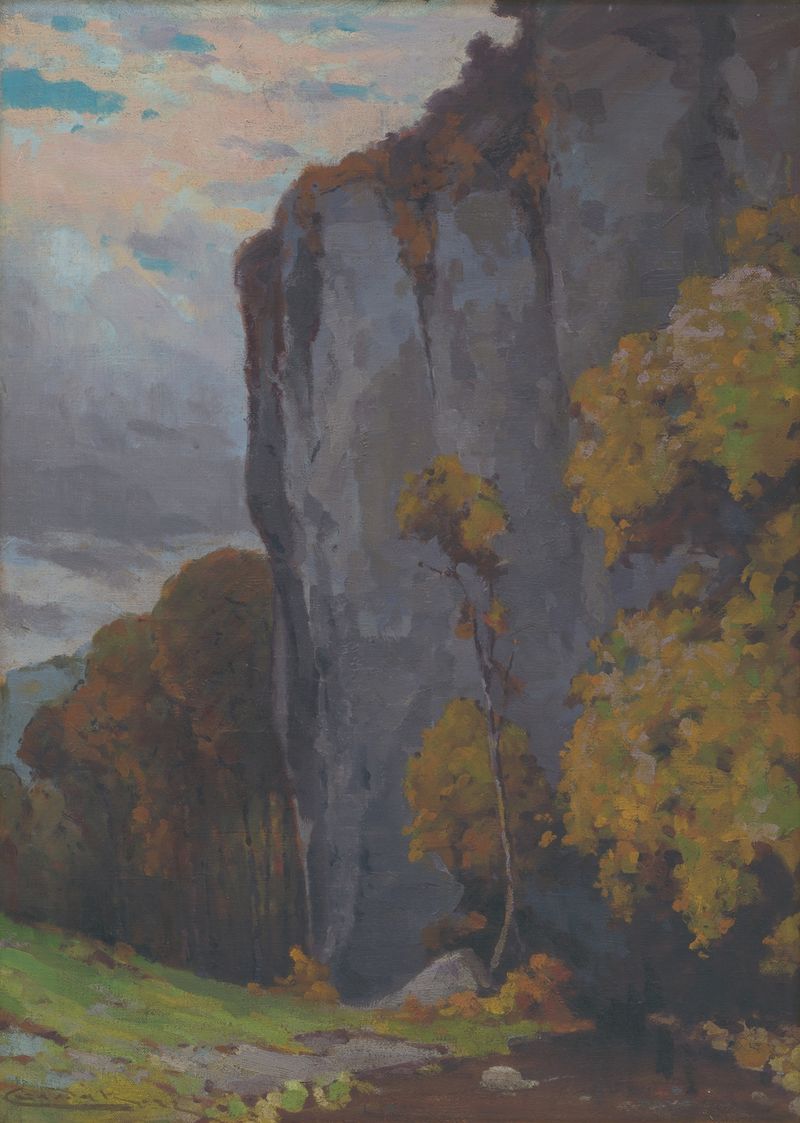
Zádiel
Ľudovít Čordák
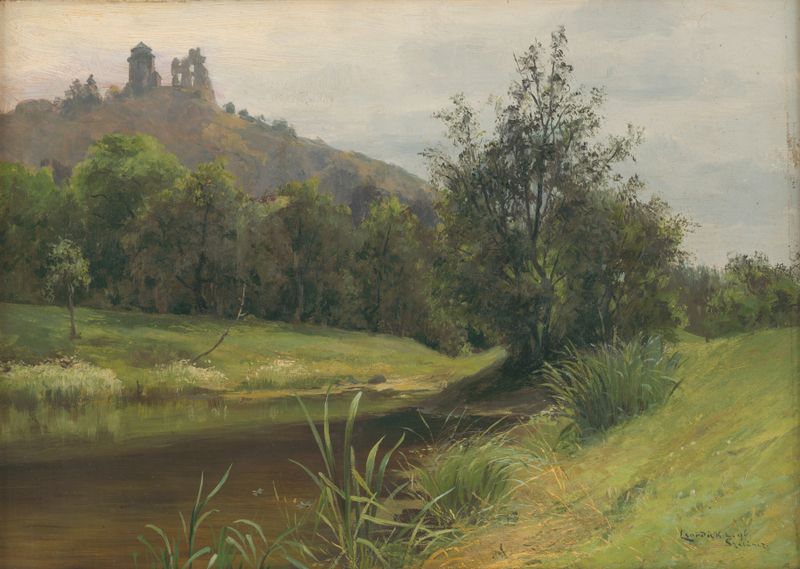
Močarina pod Slaneckým hradom
Ľudovít Čordák
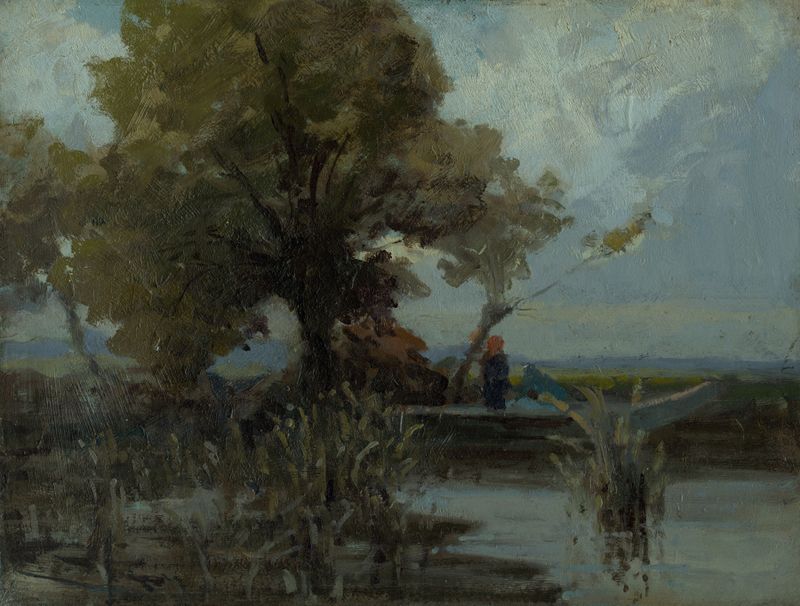
Košatý strom pri jazere
Ľudovít Čordák
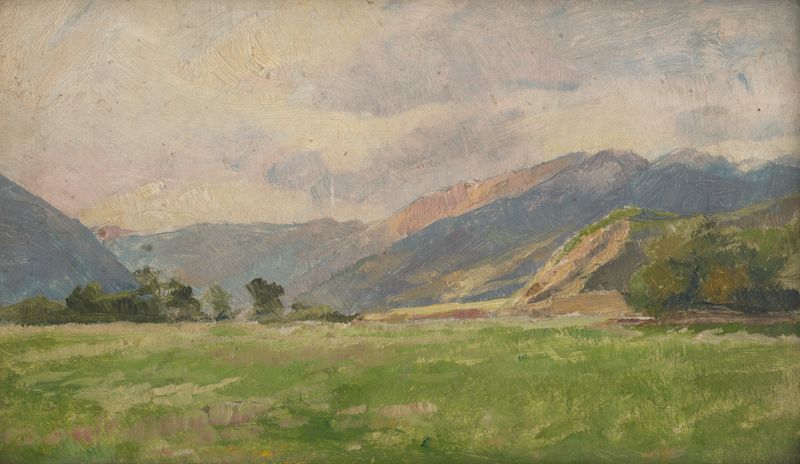
Mountain Meadow
Ľudovít Čordák
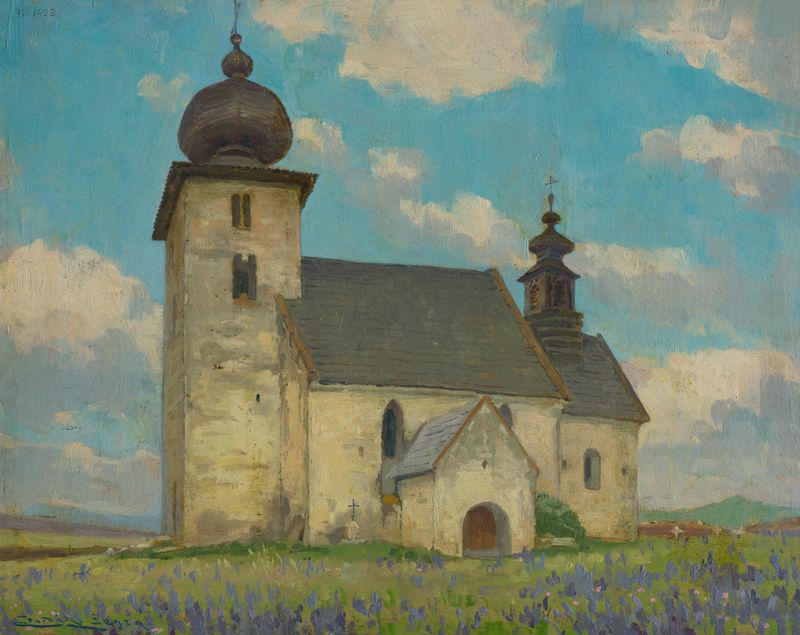
Gothic church in Žehra
Ľudovít Čordák
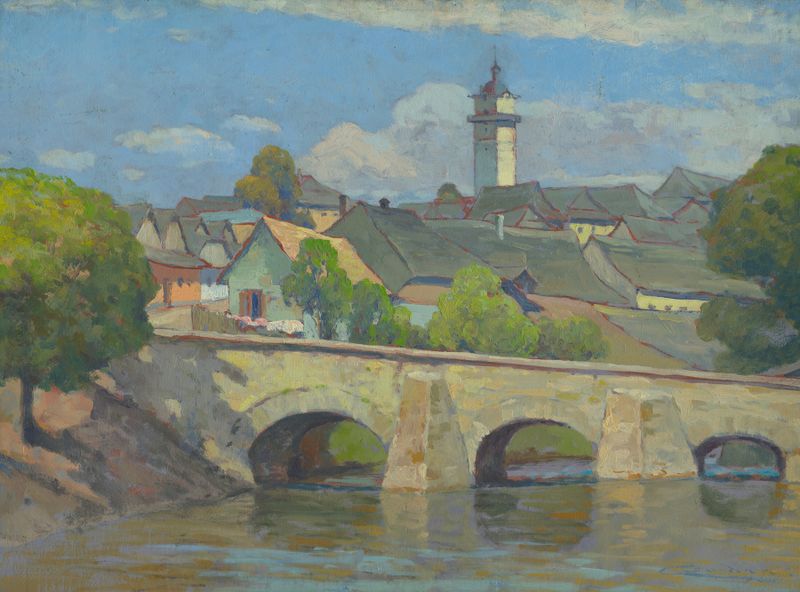
A small town in Spiš
Ľudovít Čordák
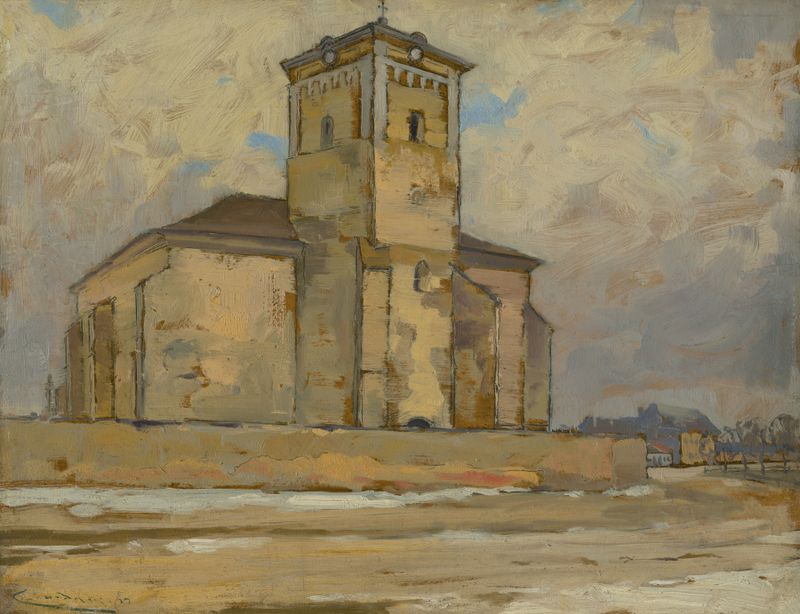
Church in Moldova
Ľudovít Čordák
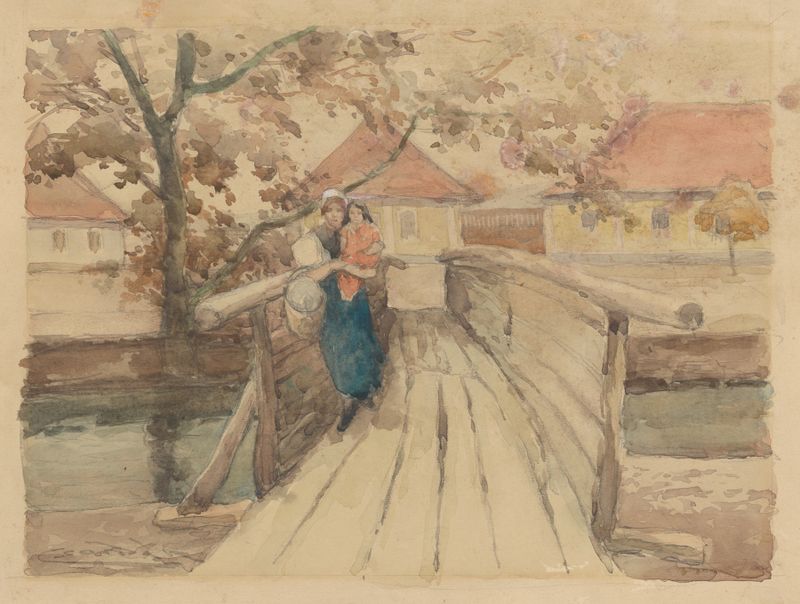
Wooden bridge
Ľudovít Čordák
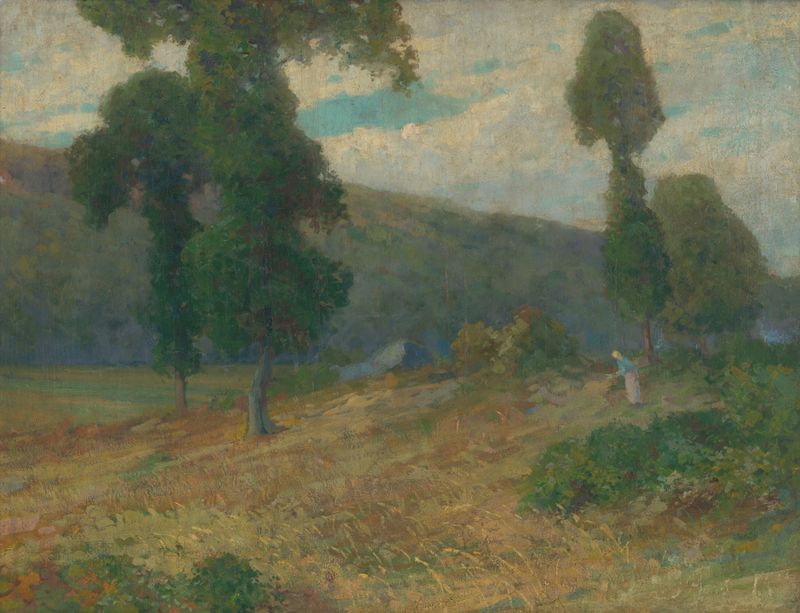
Autumn in the Slanca valley
Ľudovít Čordák
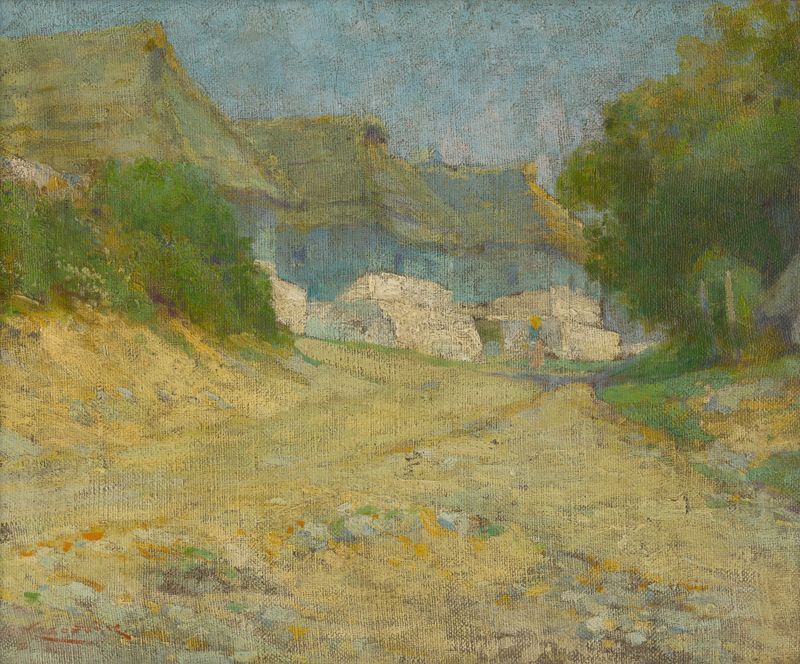
Village
Ľudovít Čordák





