
Forest floor still life with flowers, animals and insects — History & Facts
A single shaft of light falls through the canopy, catching the glint of a snake’s eye and the shimmer of a butterfly’s wing—this is a forest floor alive with secrets. Every inch of Abraham Mignon’s Forest floor still life with flowers, animals and insects is a careful orchestration of life and tension: a squirrel pauses, nose twitching, just above a tangle of mushrooms and fallen leaves, while a pair of birds perch warily in the oak’s shadow. The riot of wildflowers—poppies, daisies, cornflowers—spills outwards, their petals luminous against the deep, enveloping dark.
Mignon’s brushwork invites the viewer to linger, to notice the glistening snail shell, the curling snake, the fragile wings of an insect; each detail is a world in itself, and together they form a silent drama of predator and prey, growth and decay. Painted in 1674, this work belongs to the golden age of Dutch and German still life, when artists like Mignon found endless fascination in the natural world’s abundance and fragility. Such paintings were prized by collectors eager to display both their wealth and their scientific curiosity—each plant and creature rendered with the precision of a botanist’s eye. The genre’s popularity soared in a time when global trade and new discoveries brought exotic specimens to European cabinets of curiosity, and painters responded with compositions that were both celebrations and meditations on the fleetingness of life.
Though little is recorded about the journey of this particular painting, now in a private collection, its meticulous detail and layered symbolism invite us to look again—and to wonder what else might be hiding in the undergrowth.
More Artworks by Abraham Mignon

Still Life with Flowers and a Watch
Abraham Mignon
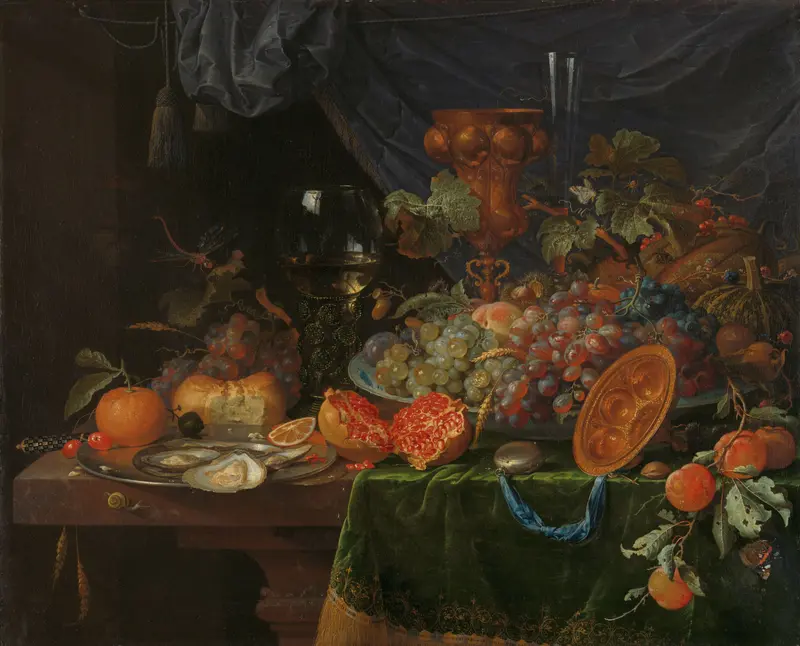
Still Life with Fruit and Oysters
Abraham Mignon
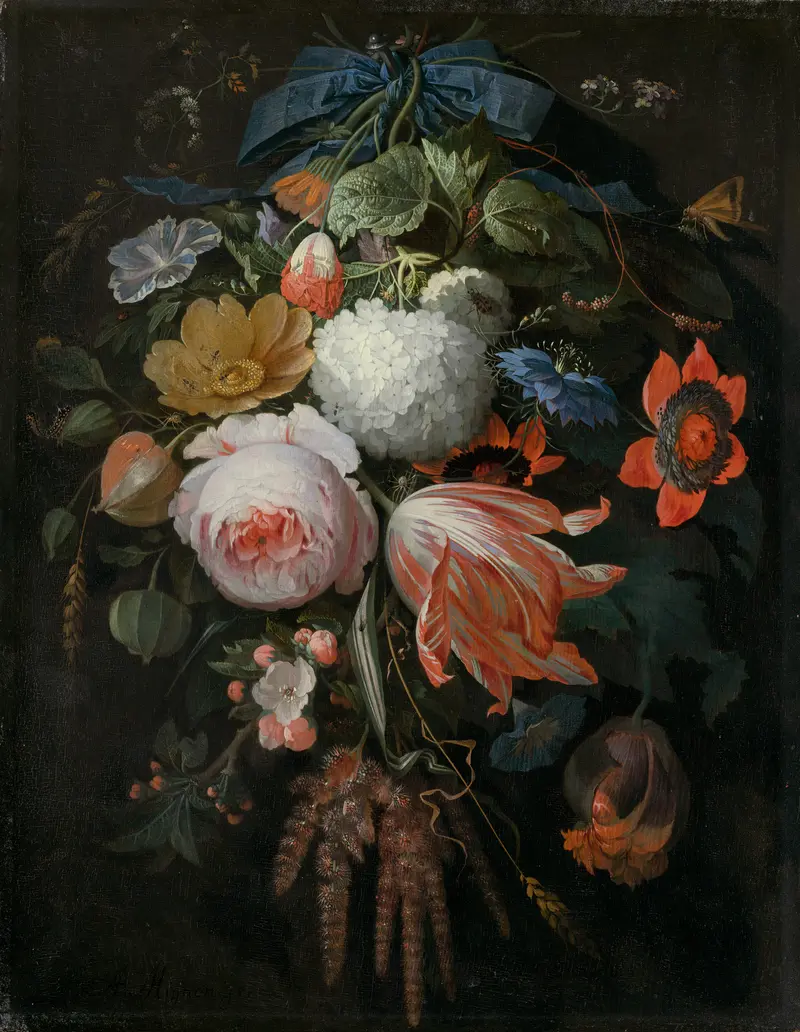
A Hanging Bouquet of Flowers
Abraham Mignon
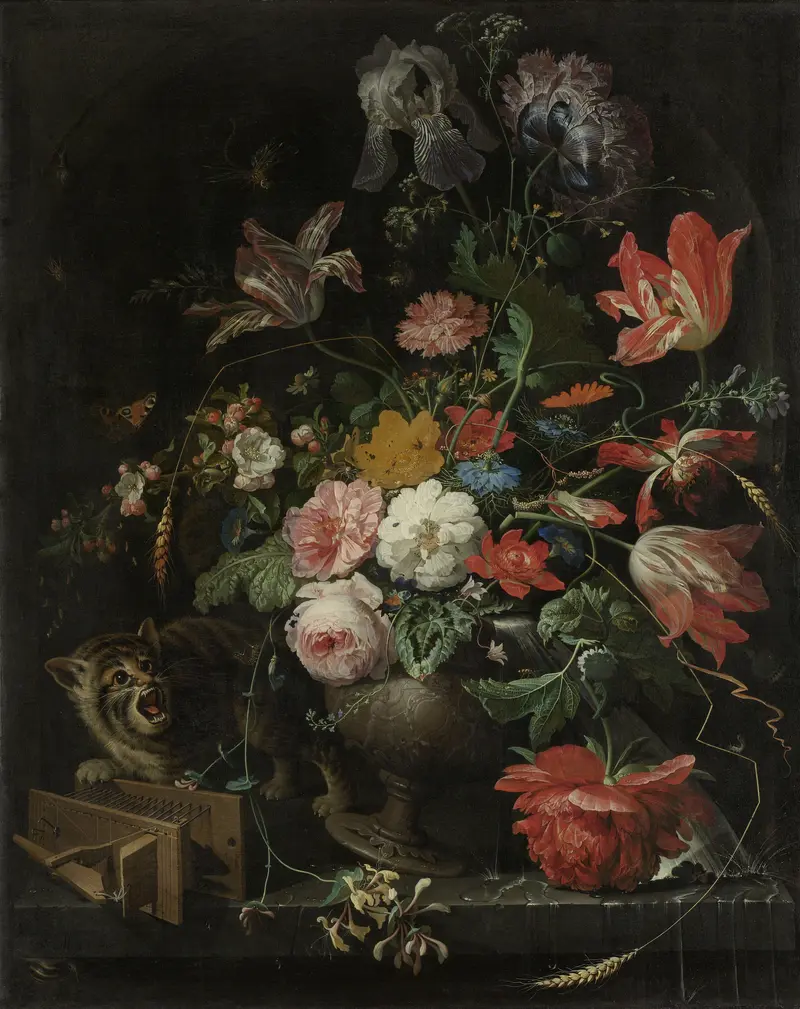
Bouquet with cat and mousetrap
Abraham Mignon
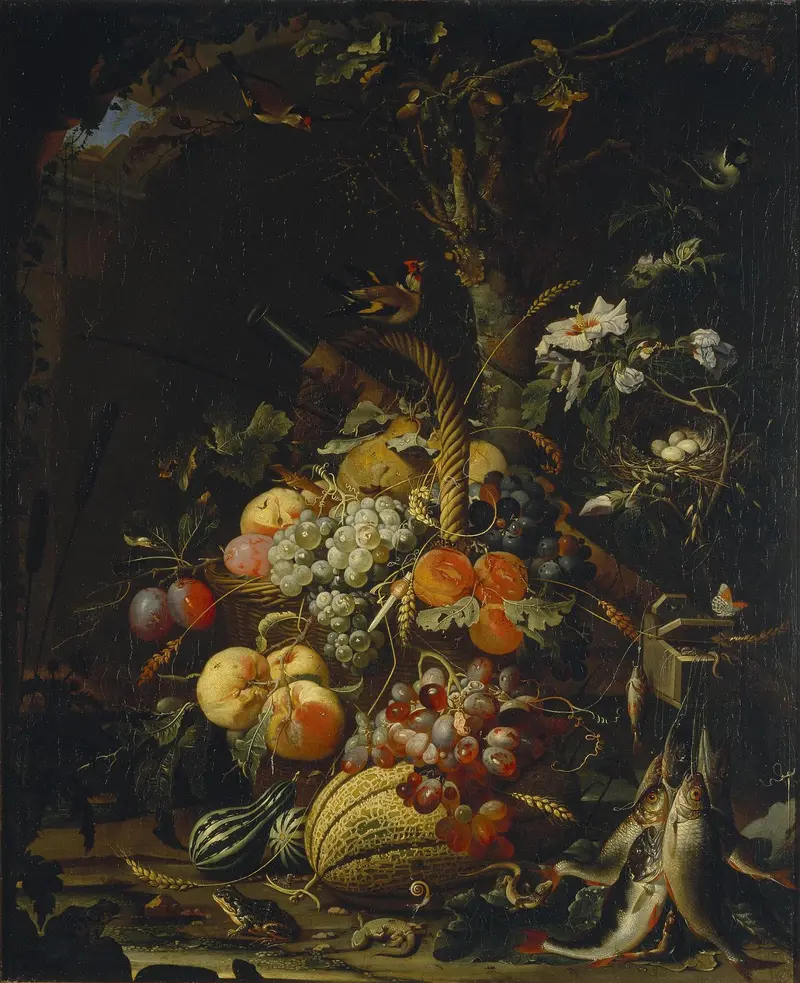
Forest floor still life with fruit, fish and a bird's nest
Abraham Mignon
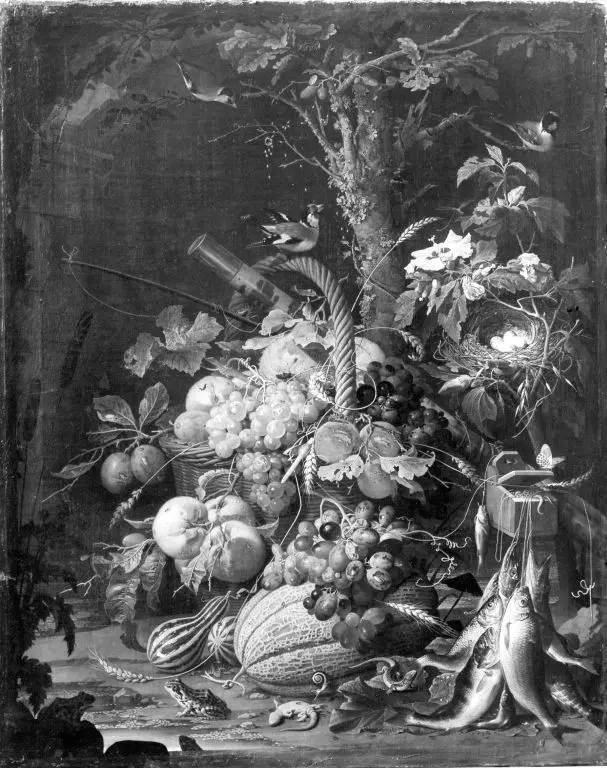
Still life with fruit, fish and a bird's nest
Abraham Mignon
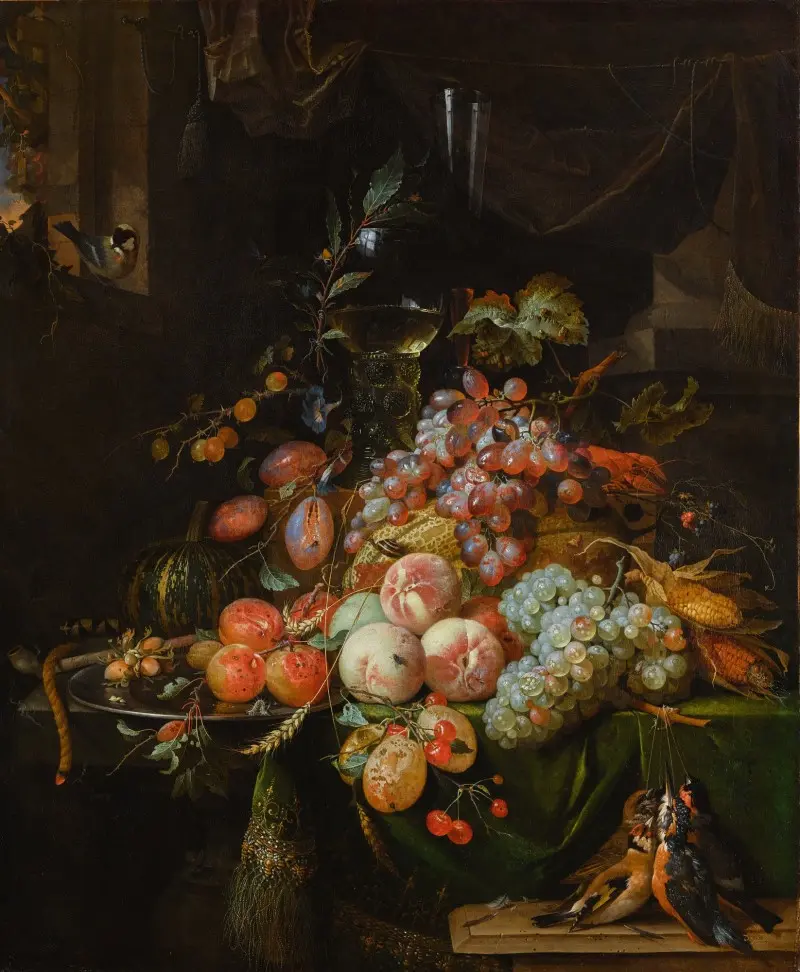
Still Life with Plums, Peaches, Apricots, Grapes and a Melon
Abraham Mignon
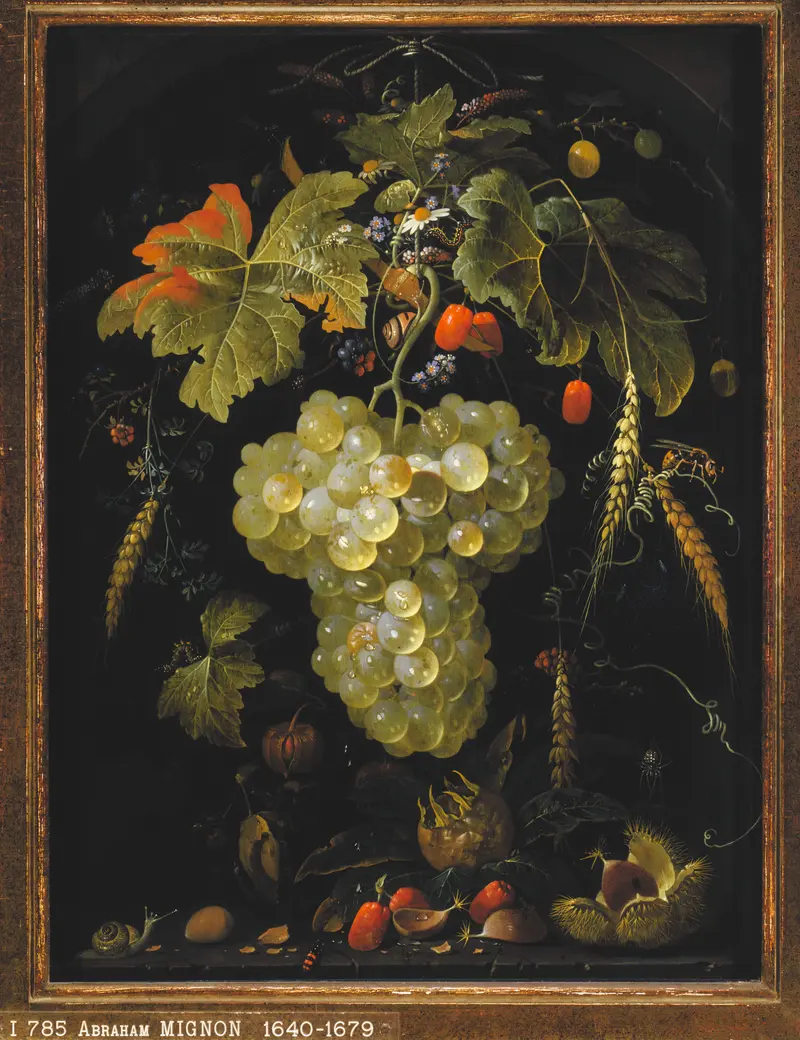
Festoon of fruit suspended from a rope, in a niche
Abraham Mignon
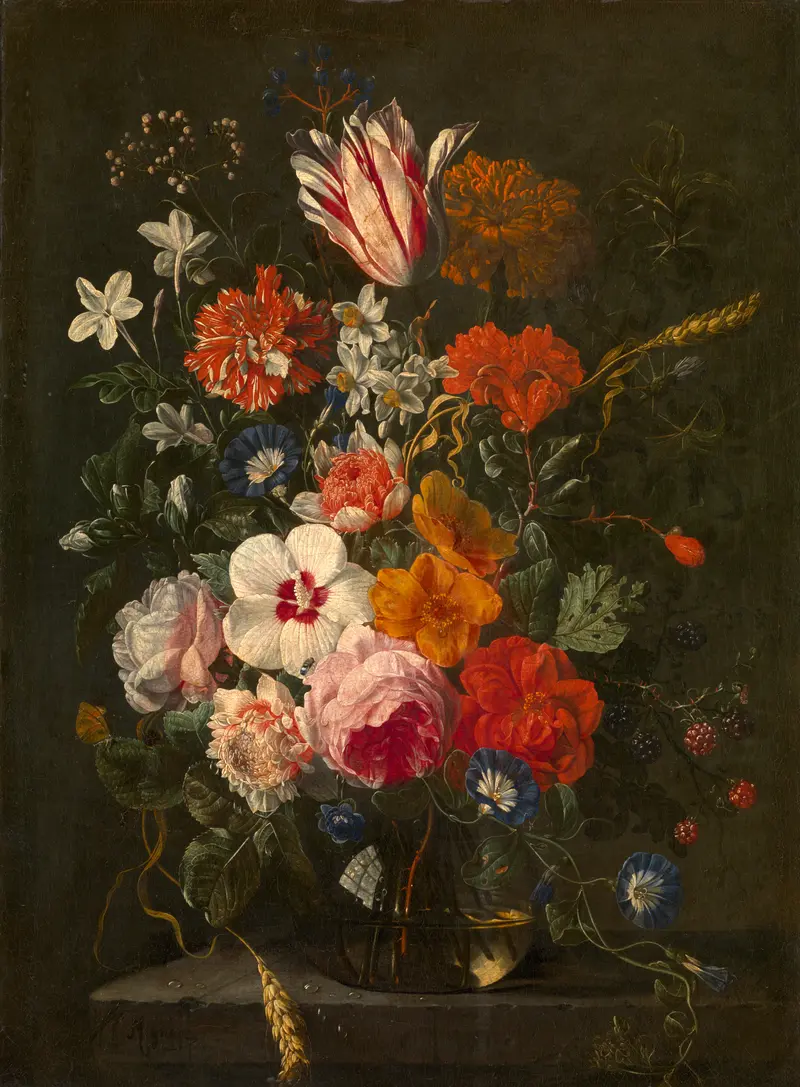
Flowers and a branch of berries in a glass vase on a stone ledge
Abraham Mignon
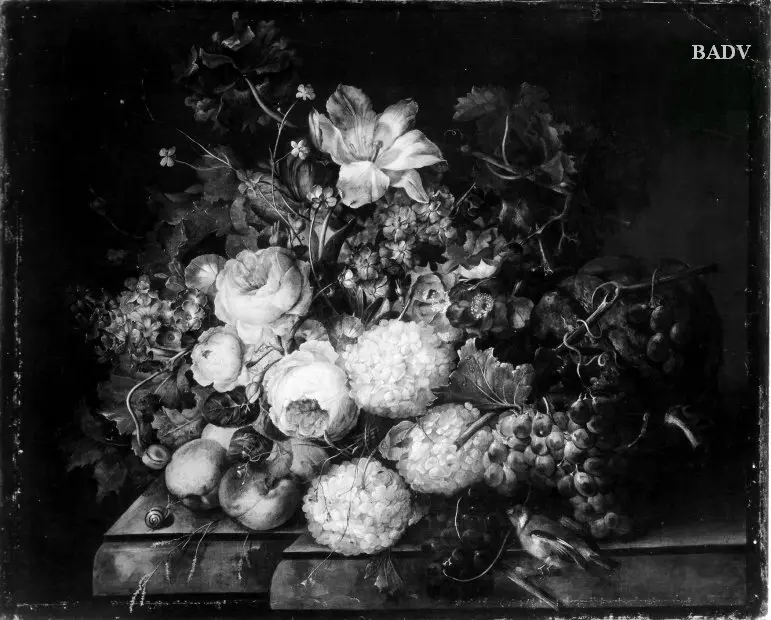
Flowers and fruit on a plinth
Abraham Mignon





