
Forest with a Stream Running Between Large Boulders — History & Facts
A narrow stream cuts through the hush of ancient trees, its path hemmed by massive boulders that seem to have stood for centuries. The eye is drawn first to the play of light glancing off the water, pulling us deeper into the shaded heart of the forest. Each stone is rendered with a patient, almost tactile attention, their mossy surfaces catching stray beams that filter through the canopy above.
The palette is earthy and restrained, setting a mood of quiet seclusion—this is not a landscape for grand gestures, but for the slow unfolding of detail: the way roots grip the rocks, the subtle shift from shadow to sunlight, the sense of cool air beneath the branches. In this moment, the forest is both a refuge and a world unto itself, inviting the viewer to linger and explore. Works like this, attributed to Antonie Waterloo, belong to a Northern tradition that found poetry in the overlooked corners of nature. In the seventeenth century, as Dutch and German artists turned away from myth and history, collectors and connoisseurs developed a taste for scenes that celebrated the wildness and variety of the local landscape.
Such paintings were often destined for private homes, reminders of the beauty that lay just beyond the city walls. While little is recorded about this specific painting in the Nationalmuseum, its careful observation and atmospheric depth place it firmly within the era’s fascination with the untamed forest. The longer you look, the more the painting yields—each branch and ripple a quiet testament to the artist’s attentive eye.
More Artworks by Antonie Waterloo
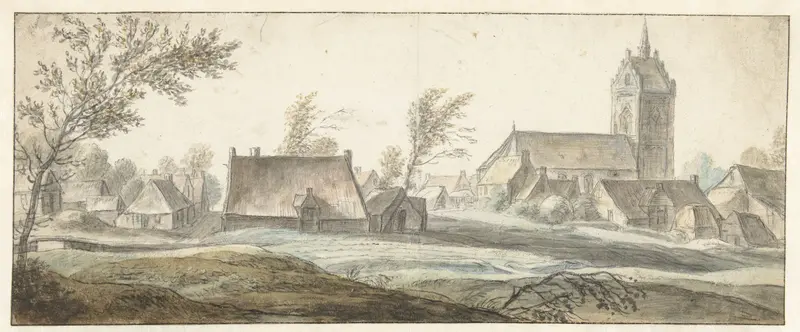
Gezicht op het dorp Soest
Antonie Waterloo
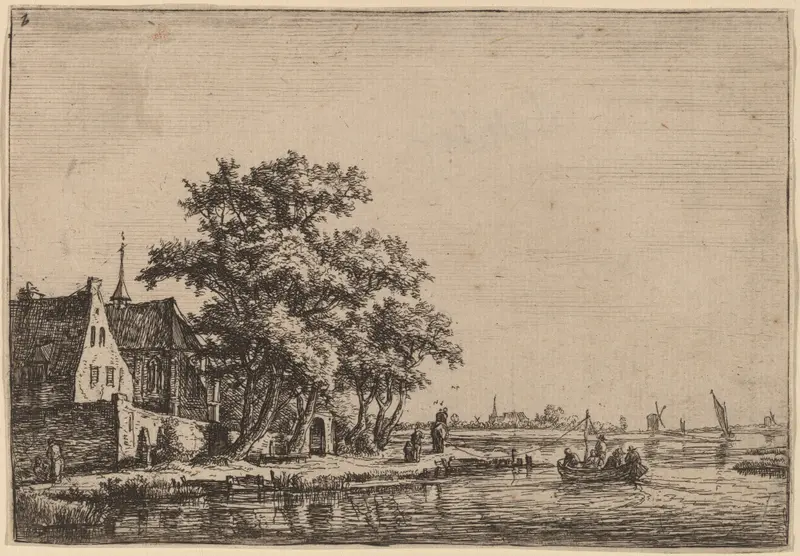
Churchyard at the Waterside
Antonie Waterloo
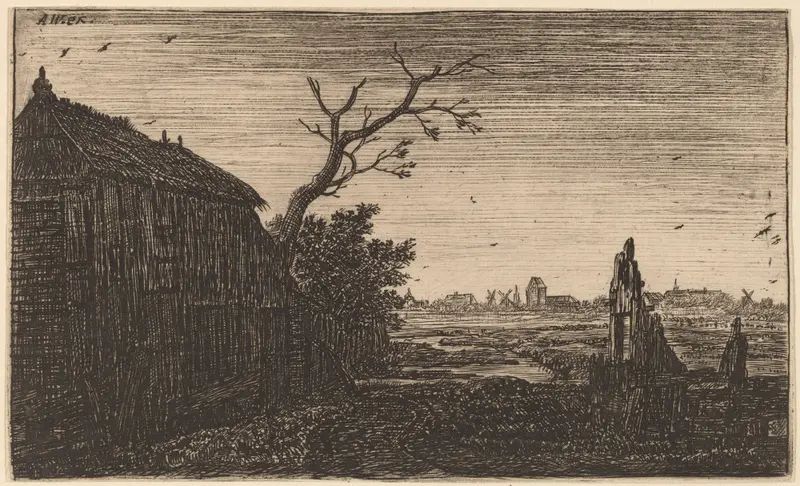
The Sluice
Antonie Waterloo
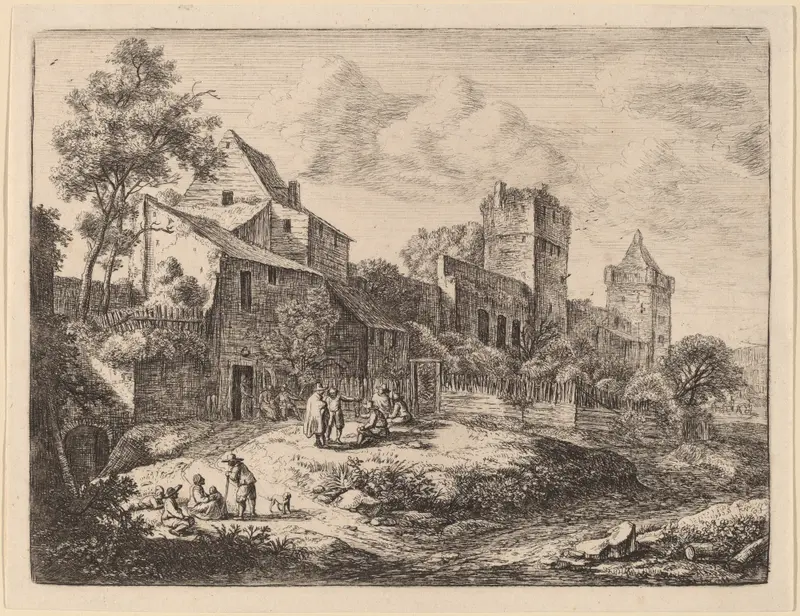
Square in Front of an Inn
Antonie Waterloo
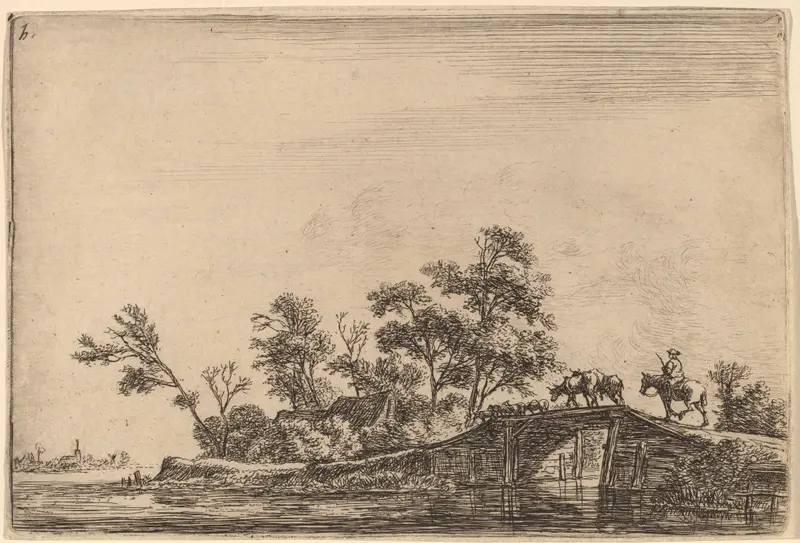
Rider and Flock on a Bridge
Antonie Waterloo
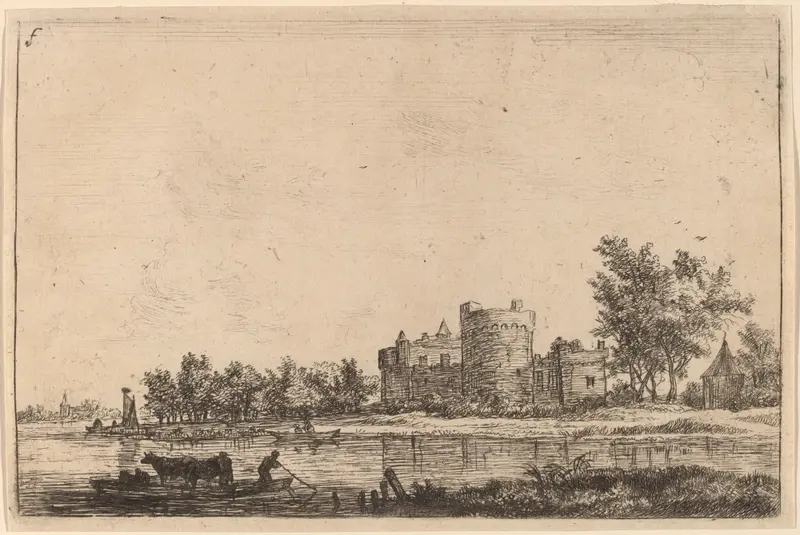
Two Cows on a Ferry
Antonie Waterloo
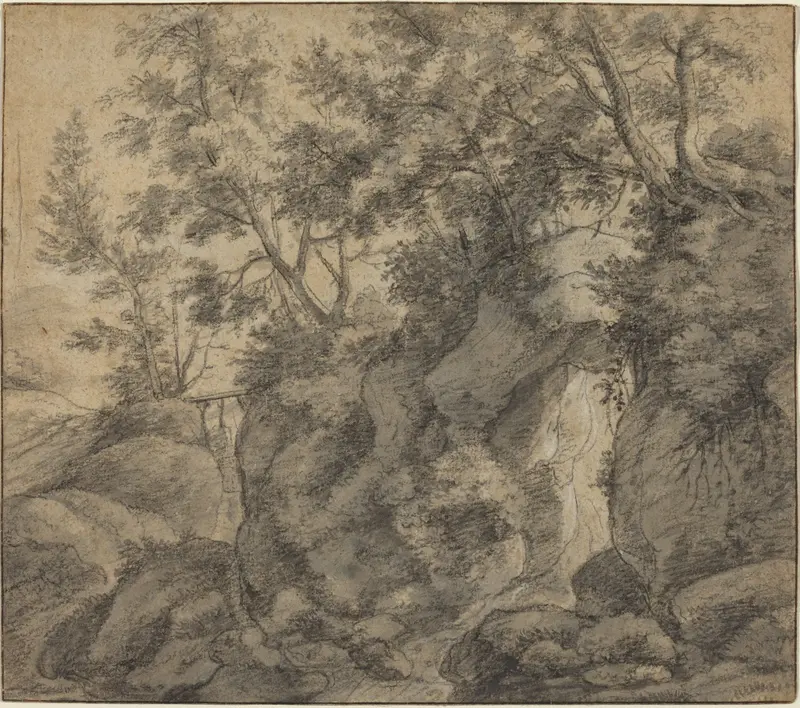
Landscape with a Wooded Ravine
Antonie Waterloo
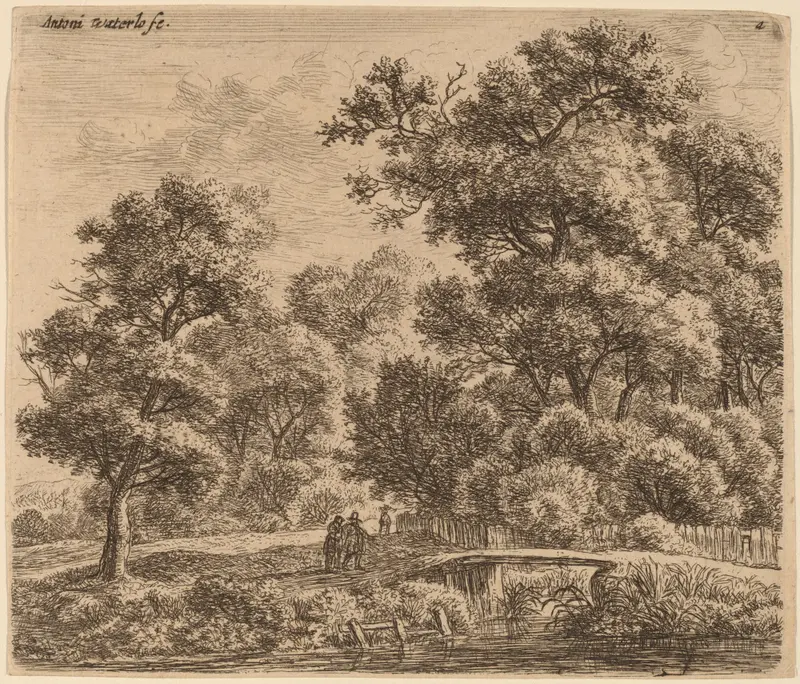
Wooded Landscape with a Bridge
Antonie Waterloo
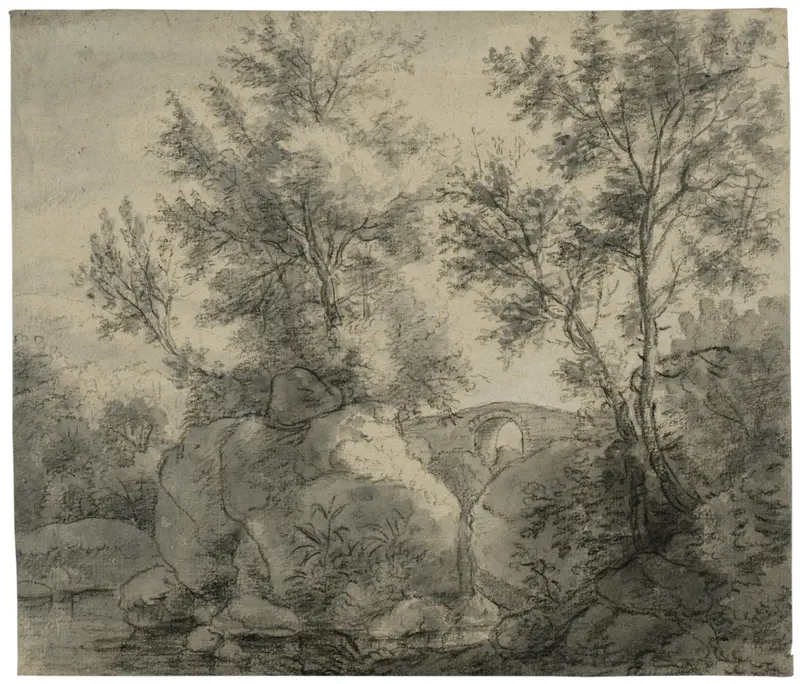
Rocky Landscape with a Stone Bridge
Antonie Waterloo
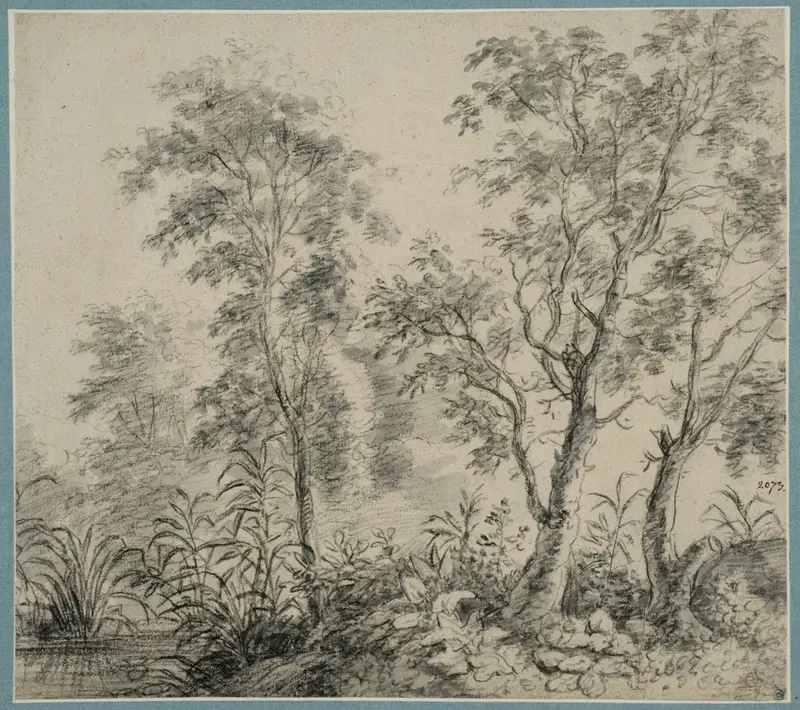
River Bank with a Row of Trees
Antonie Waterloo
More Landscape Art

The Starry Night
Vincent van Gogh

View of Delft
Johannes Vermeer

Water Lilies
Claude Monet

The Grand Canal, Venice, looking north-west from the Ca' Corner to the Ca' Contarini degli Scrigni, with the campanile of Santa Maria della Carità
Canaletto

Windsor Castle
Canaletto

The Grand Canal looking North-East from the Palazzo Dolfin-Manin to the Rialto Bridge
Canaletto