
Forêt de sapins — History & Facts
Can paint confess what words never could? In Forêt de sapins, the canvas unfolds as a testament to nature's silent resilience, inviting introspection on themes of rebirth and renewal amidst the shadows of existence. Look to the center, where a dense cluster of pines emerges, their dark green forms contrasting strikingly against the lighter hues of the surrounding landscape. The brushwork is both deliberate and expressive, capturing not only the trees' silhouette but also the undercurrent of life that pulses beneath the surface. Notice how the gentle gradation of colors evokes a tranquil yet vibrant atmosphere, highlighting the play of light filtering through branches, creating a mosaic of highlights and shadows that dance in harmony. As you explore the edges, the subtleties reveal themselves: the skeletal remains of fallen timber hint at decay yet coexist with the thriving forest.
This juxtaposition embodies the cycle of life, suggesting that from death springs new life, echoing themes of nature’s relentless ability to regenerate. The stillness of the scene belies an underlying tension between solitude and the promise of rebirth, urging viewers to reflect on their own moments of transformation. In 1938, Léon Spilliaert crafted this work during a period marked by personal introspection and artistic evolution. Living in Belgium, he was grappling with the complexities of identity and the shifting tides of the art world.
Amidst the rise of modernism, he sought solace in the natural environment, channeling his experiences into evocative landscapes that resonate with emotional depth, bridging the gap between reality and the subconscious.
More Artworks by Léon Spilliaert
Browse all →
Beachview at night
Léon Spilliaert

Strand met maan
Léon Spilliaert

De zeedijk te Oostende van op het staketsel gezien
Léon Spilliaert
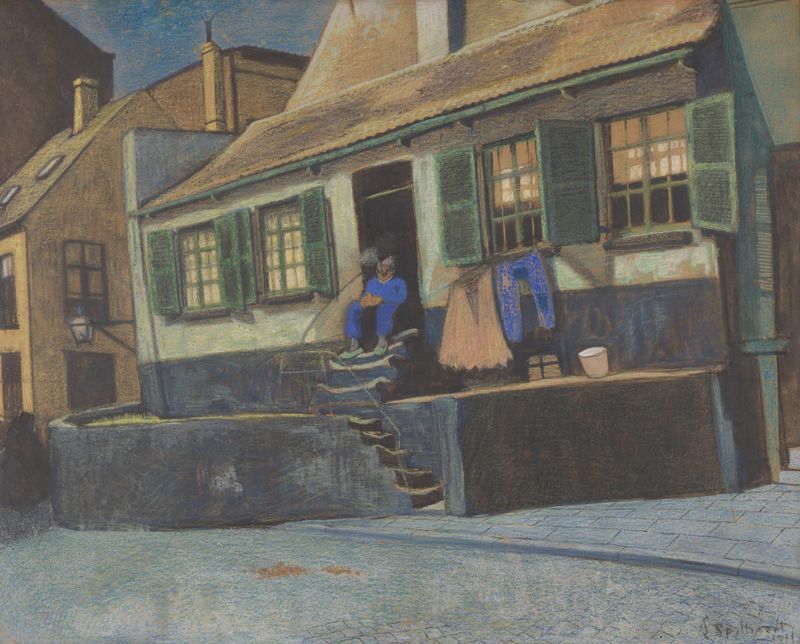
Het huis genaamd ‘De Preekstoel’ te Oostende
Léon Spilliaert

Vijgenboom in de winter, Grasse
Léon Spilliaert
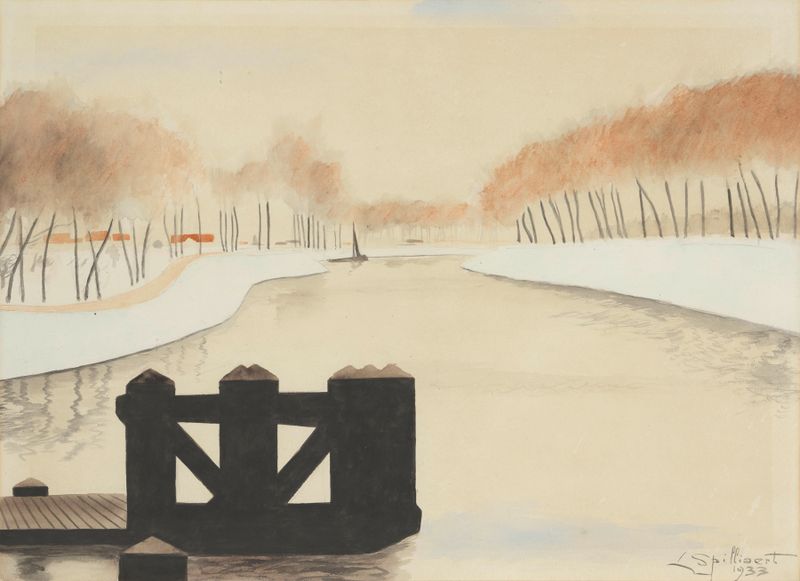
De Keignaertkreek in Zandvoorde
Léon Spilliaert
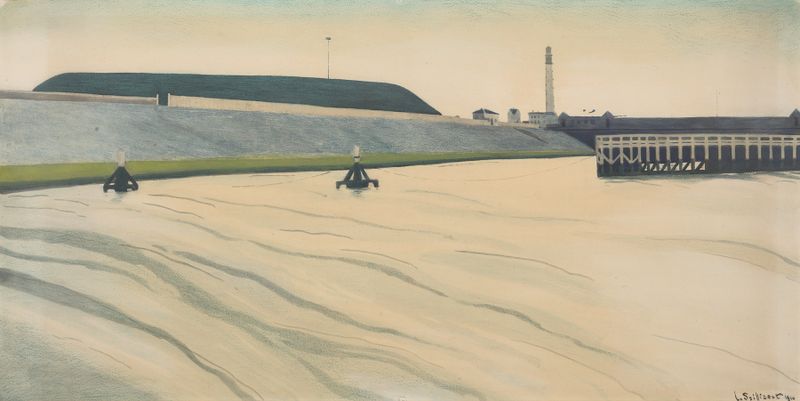
Haven te Oostende
Léon Spilliaert
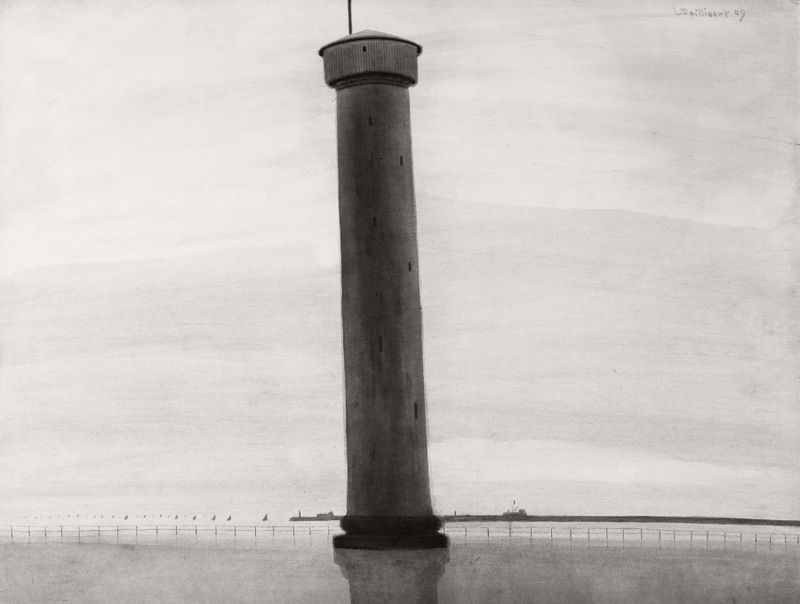
Le Phare aux signaux [De vuurtoren]
Léon Spilliaert
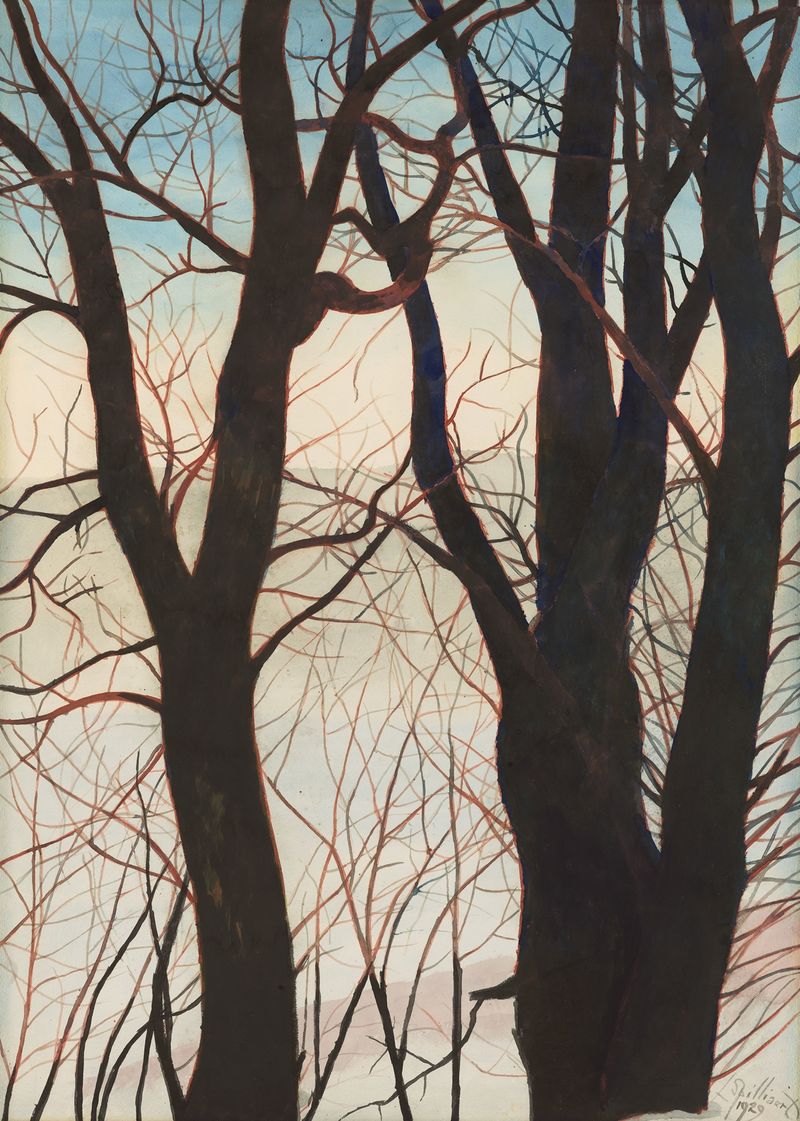
Bomen in de sneeuw
Léon Spilliaert
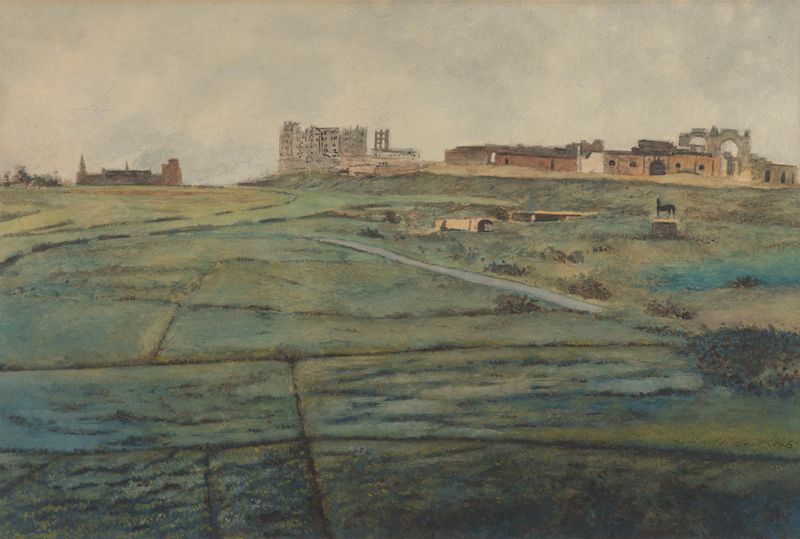
De Wellingtonrenbaan en het Royal Palace Hotel te Oostende kort na de Tweede Wereldoorlog
Léon Spilliaert





