
fountain in front of a villa — History & Facts
A cascade of sunlight and water draws the eye first, where the fountain rises at the heart of a secluded villa garden. The scene hums with the warmth of late afternoon, its palette thick with earthy ochres and deep, leafy greens. The brushwork is loose, almost feverish, blurring the boundary between stone, foliage, and figure, so that the world seems to shimmer with heat and memory.
A woman descends the steps, half-lost in shadow, while another lingers at the balustrade above—each gesture caught between movement and pause, as if the day itself were holding its breath. The fountain’s tiers glint with dabs of white, suggesting the play of water and light, while the villa’s shuttered windows hint at stories unfolding just out of sight. Painted in 1871, this work belongs to a moment when artists like Adolphe Joseph Thomas Monticelli were breaking away from academic clarity, searching instead for atmosphere and sensation. In the decades after the upheavals of mid-century France, scenes of private leisure and garden retreats became a kind of refuge for both painters and their patrons—an antidote to the noise of modern life.
Monticelli’s style, with its thick impasto and flickering color, anticipated the Impressionists, though his subjects often remained anchored in the world of the bourgeois villa and its pleasures. Today, the painting resides in the collection of Museum Boijmans Van Beuningen, a quiet testament to a time when the boundaries between dream and reality, nature and artifice, seemed as fluid as the water spilling from that central fountain. Look again, and see how the light itself becomes the true subject, dissolving the everyday into something quietly enchanted.
More Artworks by Adolphe Monticelli

Portrait of a Lady
Adolphe Monticelli
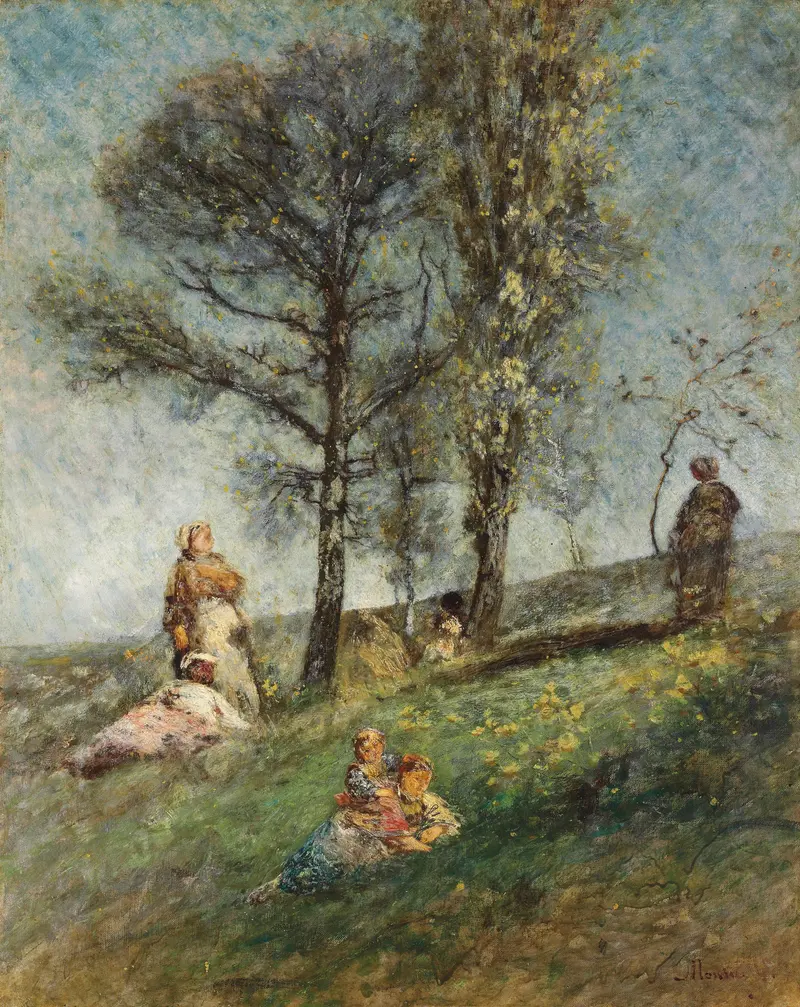
A Young Family Under Trees On A Hill
Adolphe Monticelli

Fête d'Après-Midi
Adolphe Monticelli
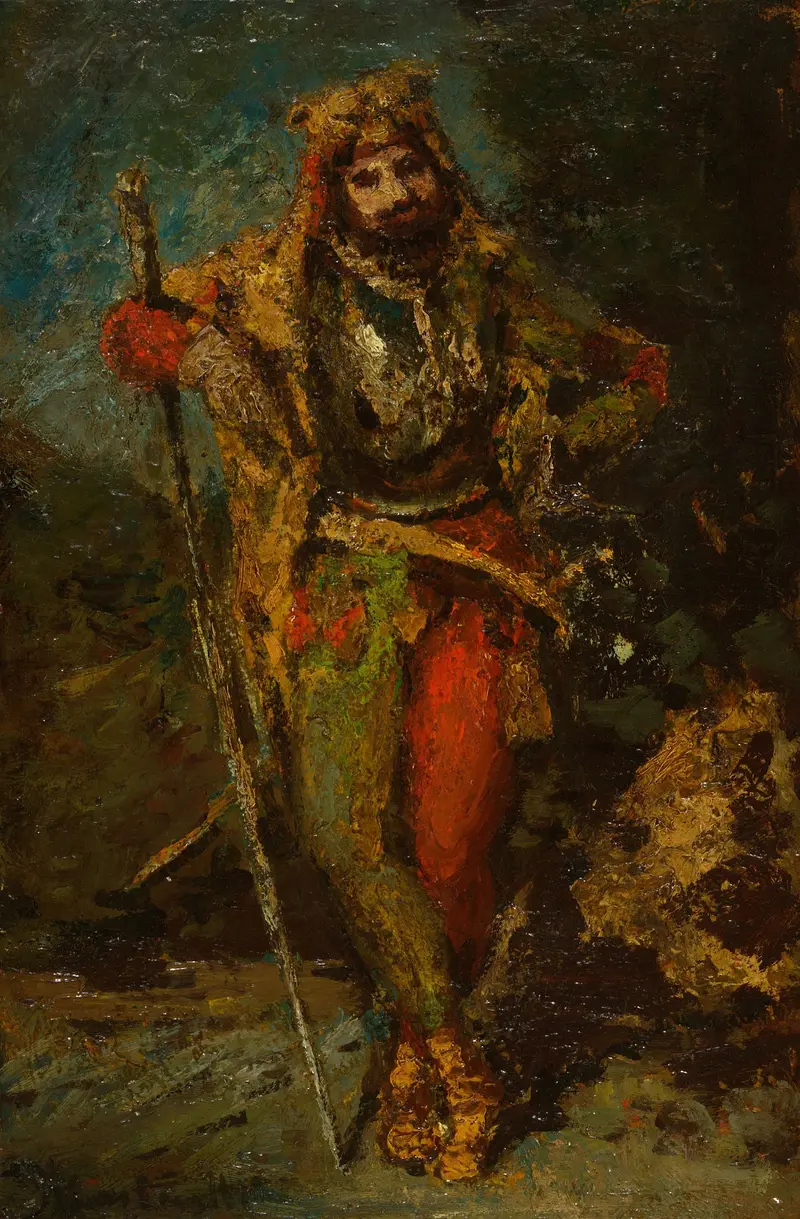
Mephisto from the Opera Faust
Adolphe Monticelli
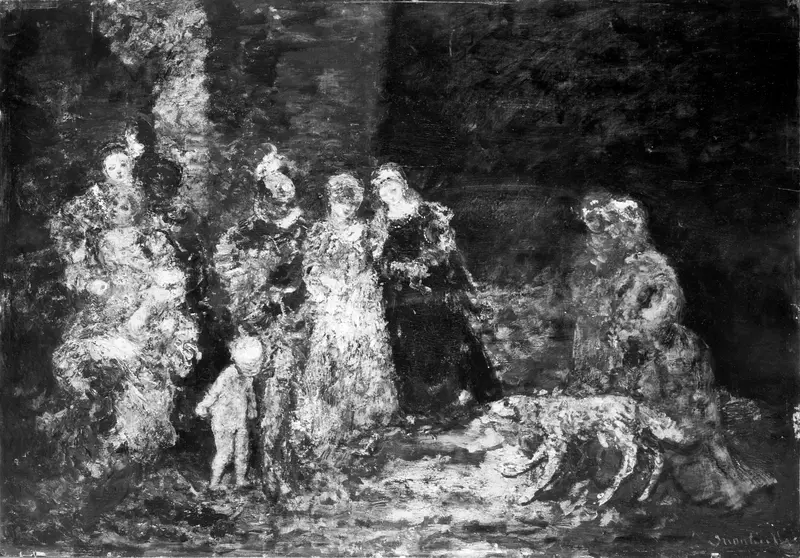
The Fairies
Adolphe Monticelli
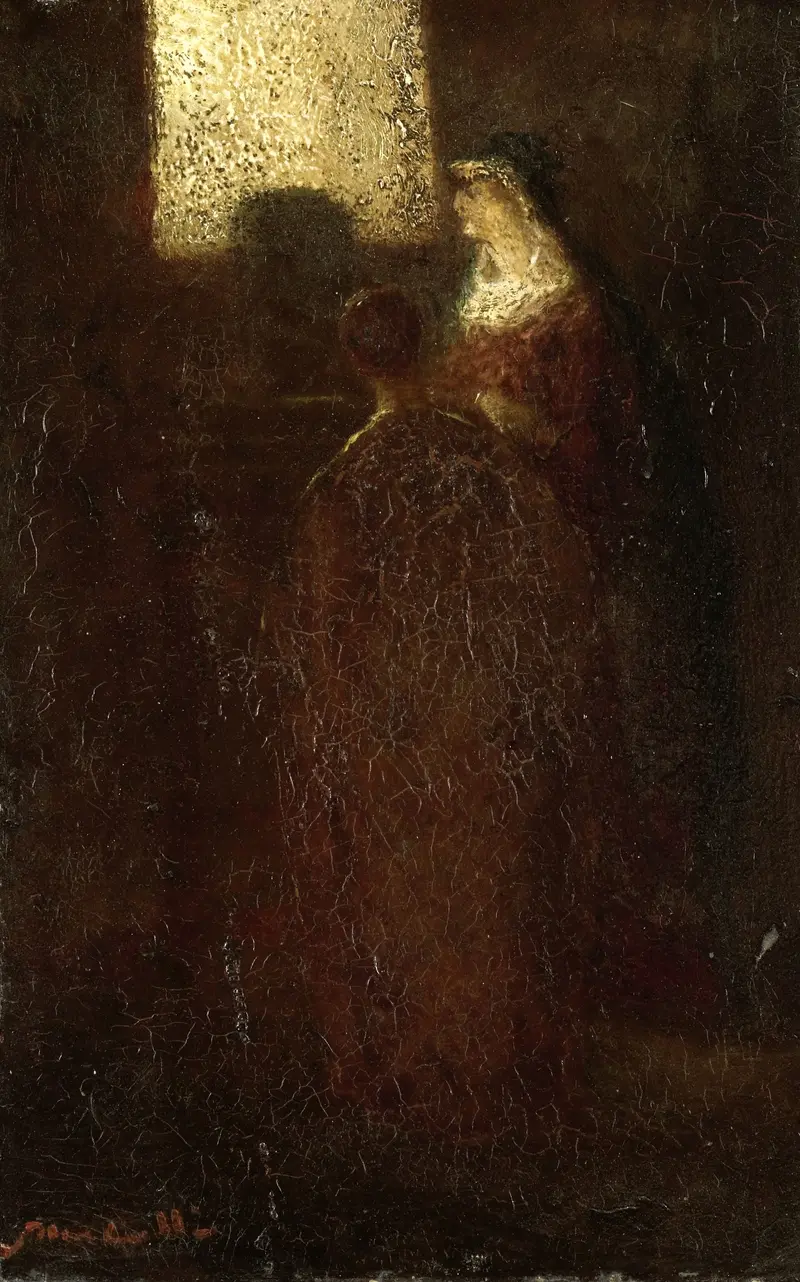
Aan het altaar
Adolphe Monticelli
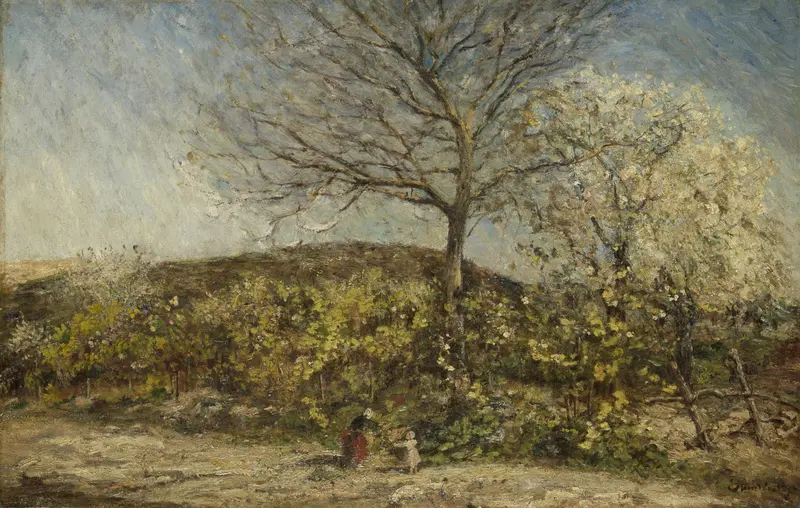
Landschap met bloeiende boomgaard
Adolphe Monticelli
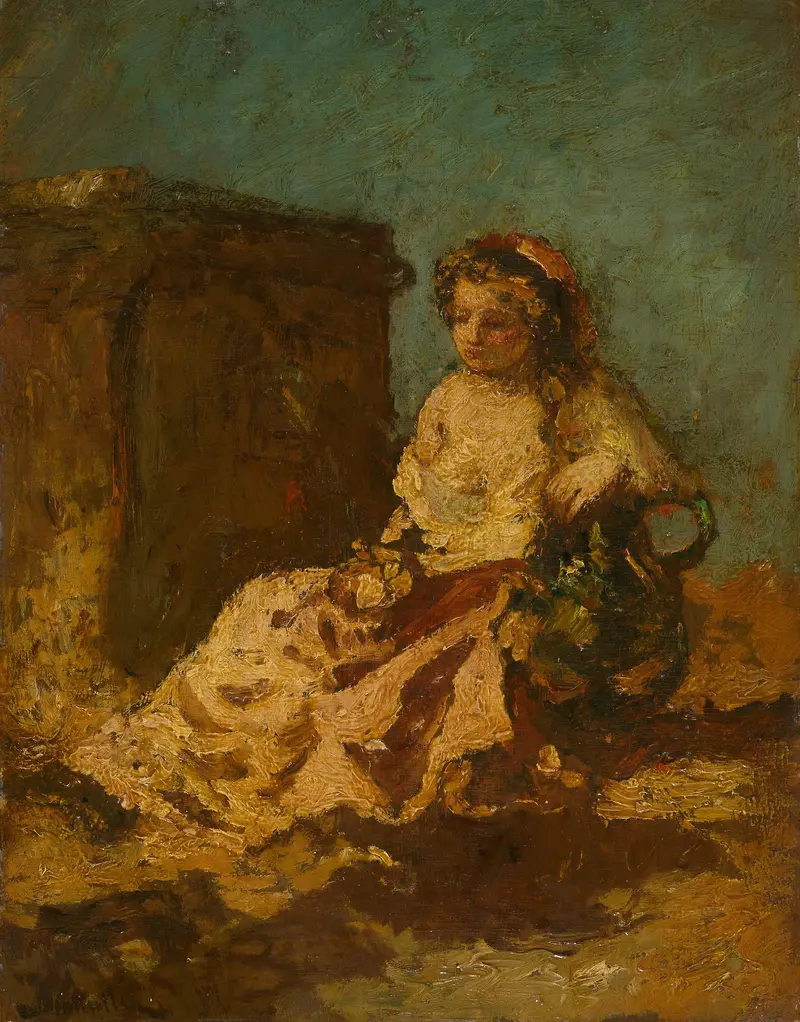
Meditation (Seated Woman)
Adolphe Monticelli
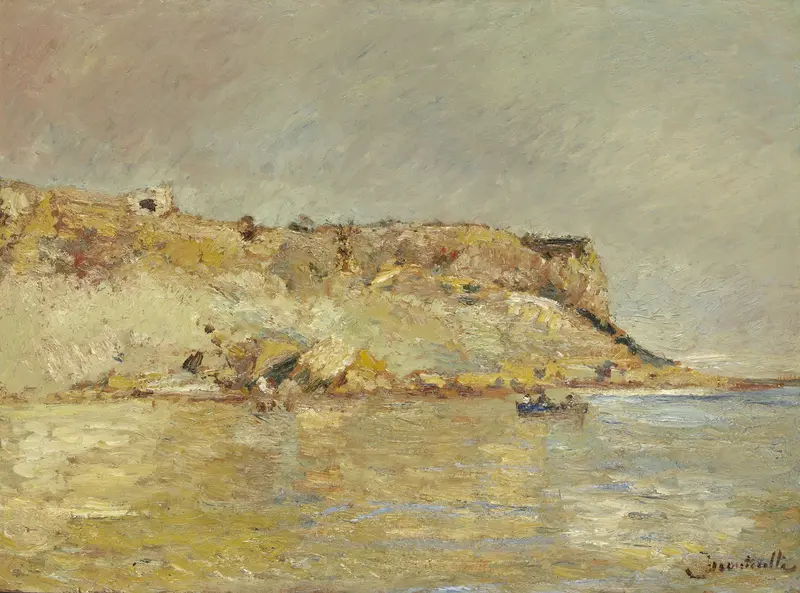
Coastal Mountains
Adolphe Monticelli
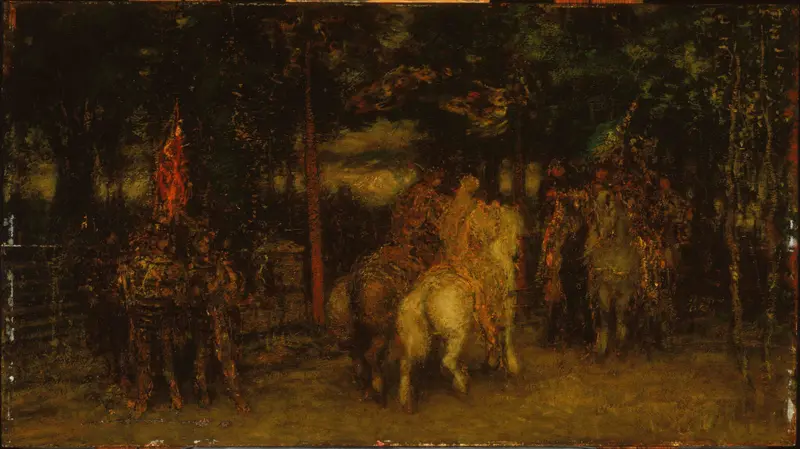
Landscape with Figures
Adolphe Monticelli
More Landscape Art

The Starry Night
Vincent van Gogh

View of Delft
Johannes Vermeer

Water Lilies
Claude Monet

The Grand Canal, Venice, looking north-west from the Ca' Corner to the Ca' Contarini degli Scrigni, with the campanile of Santa Maria della Carità
Canaletto

Windsor Castle
Canaletto

The Grand Canal looking North-East from the Palazzo Dolfin-Manin to the Rialto Bridge
Canaletto