
Four Figures — History & Facts
What first catches the eye in Four Figures by Adolphe Joseph Thomas Monticelli is the sheer energy of the brushwork—a scene that seems to flicker between presence and memory. The figures emerge from the darkness in thick, impasto strokes, their forms built from bold sweeps of light and shadow rather than careful lines. One stands, turned away, while the others cluster together, their gestures caught mid-conversation or perhaps mid-performance.
The painter’s hand is everywhere visible, as if the act of painting itself was as important as the subject. The light, concentrated on the figures’ garments and faces, draws the viewer into their orbit, leaving the world around them to dissolve into blackness. Painted sometime between 1844 and 1886, this work belongs to a period when artists like Monticelli were experimenting with color, texture, and the boundaries of representation. In France, such paintings were often made for private collectors seeking scenes of sociability or theatricality—moments of leisure, music, or masked intrigue.
Monticelli was known for his lush, improvisational style, which would later inspire artists like Van Gogh. While little is recorded about the journey of this particular painting, its presence in the Metropolitan Museum of Art’s open-access collection today invites us to linger over its mysteries. The longer one looks, the more the flickering forms seem to gather life from the paint itself.
More Artworks by Adolphe Monticelli

Portrait of a Lady
Adolphe Monticelli
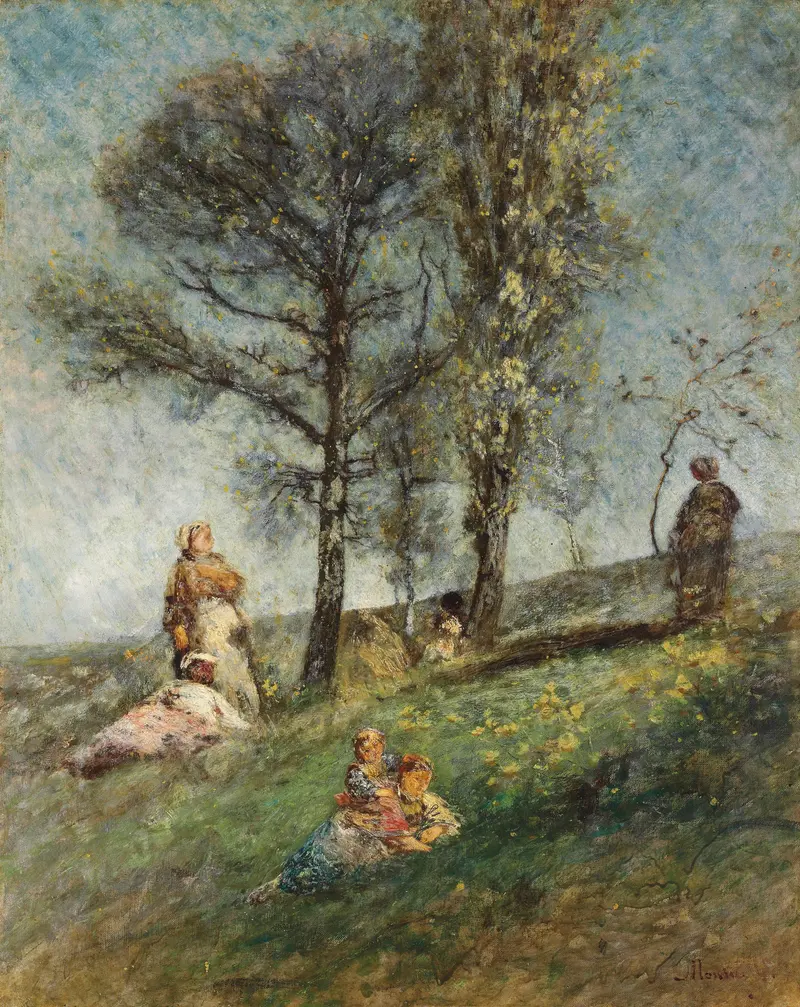
A Young Family Under Trees On A Hill
Adolphe Monticelli

Fête d'Après-Midi
Adolphe Monticelli
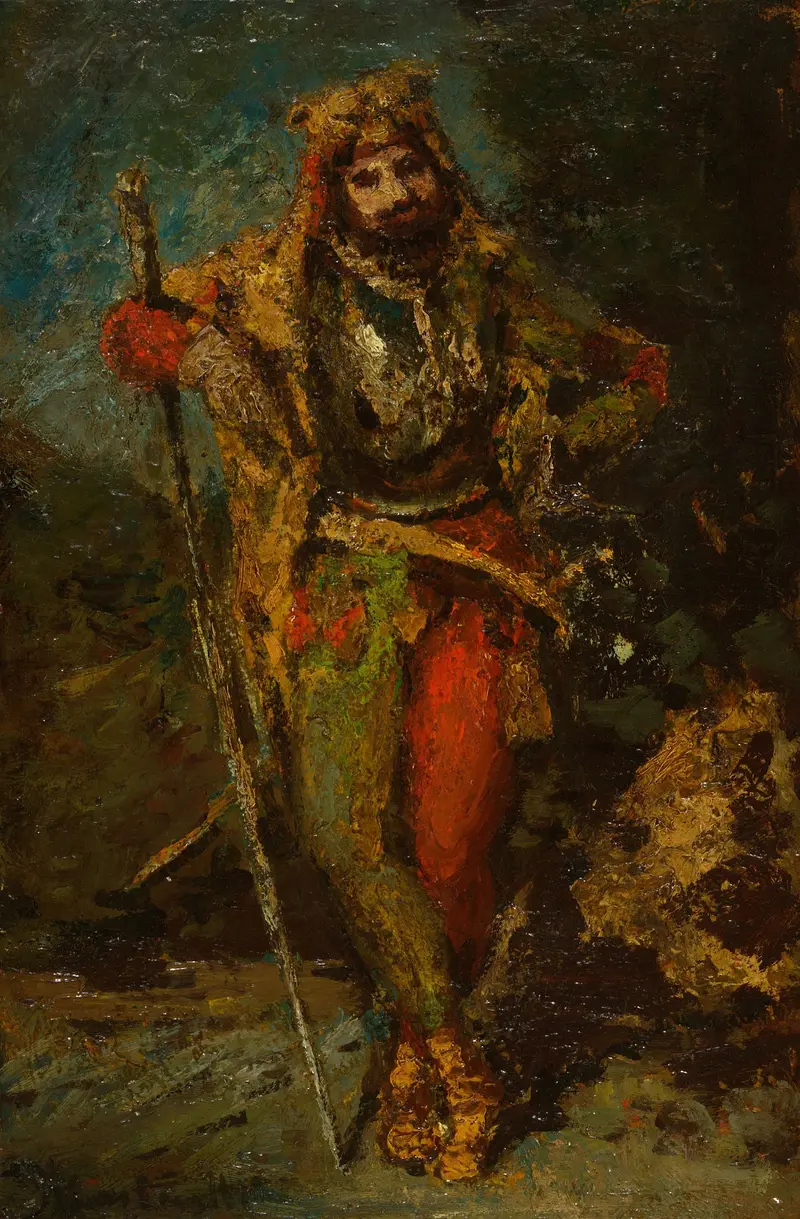
Mephisto from the Opera Faust
Adolphe Monticelli
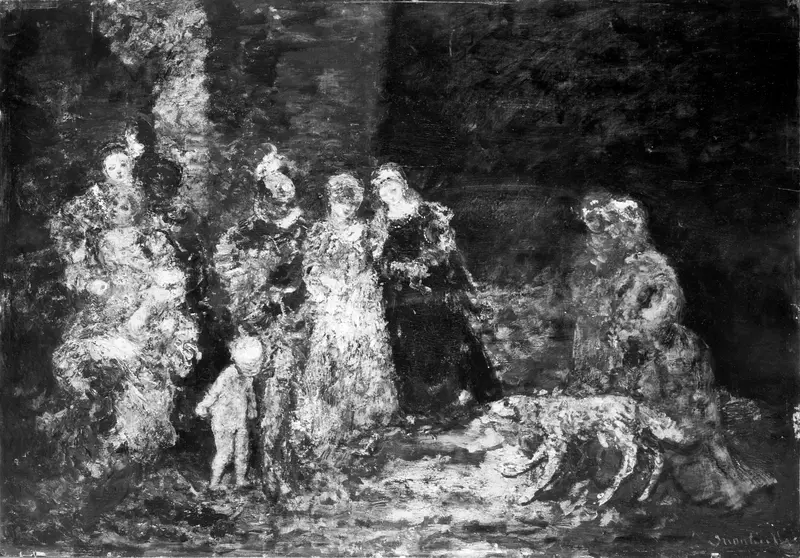
The Fairies
Adolphe Monticelli
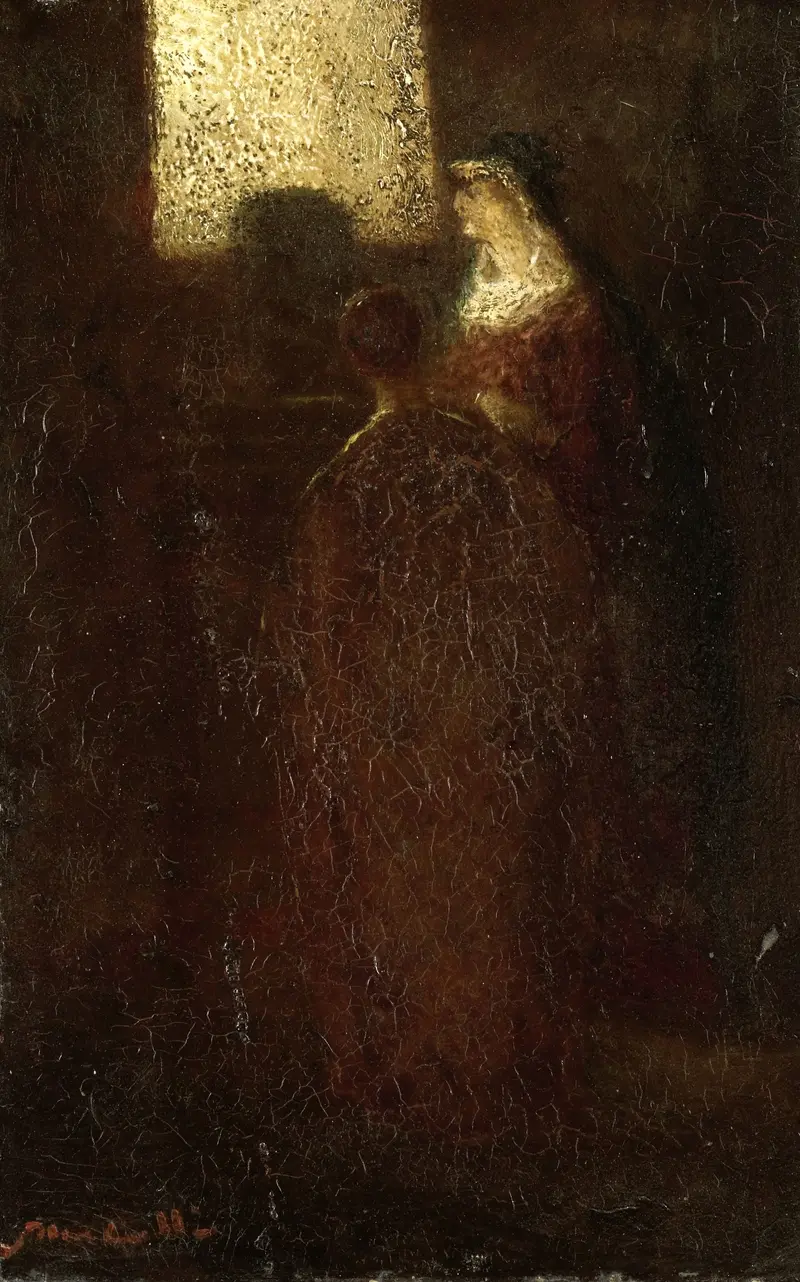
Aan het altaar
Adolphe Monticelli
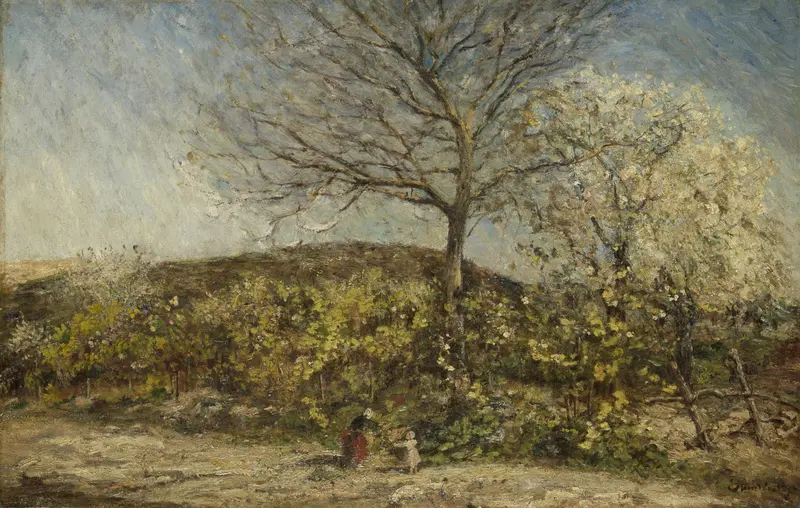
Landschap met bloeiende boomgaard
Adolphe Monticelli
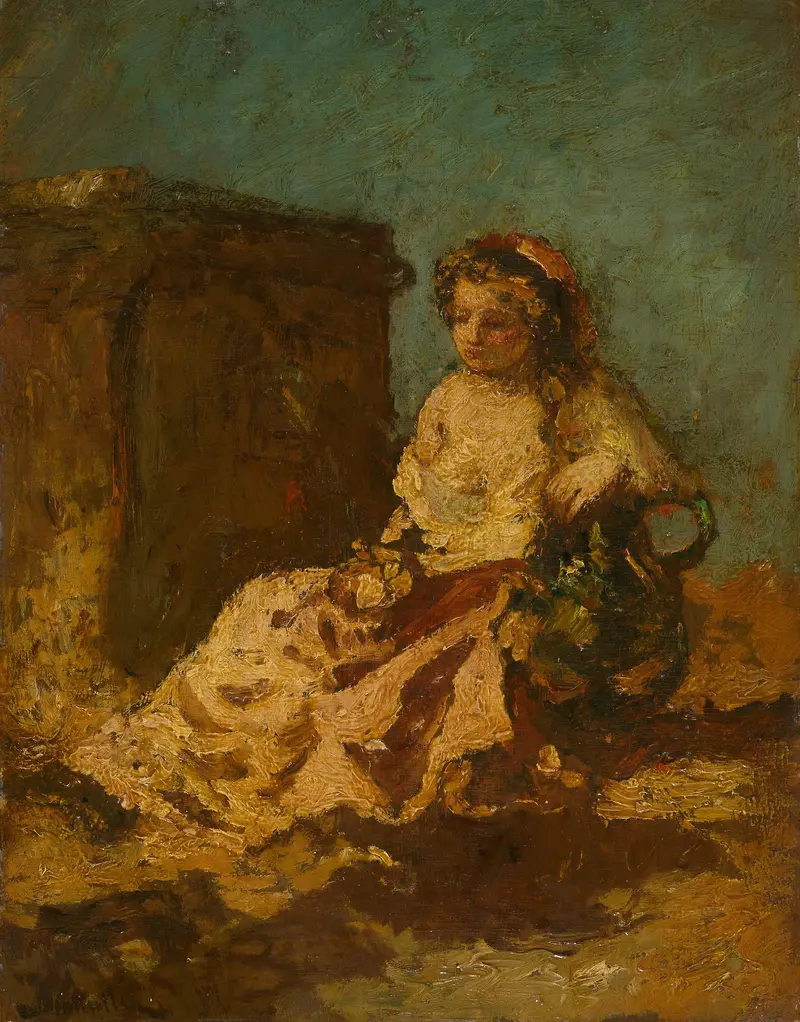
Meditation (Seated Woman)
Adolphe Monticelli
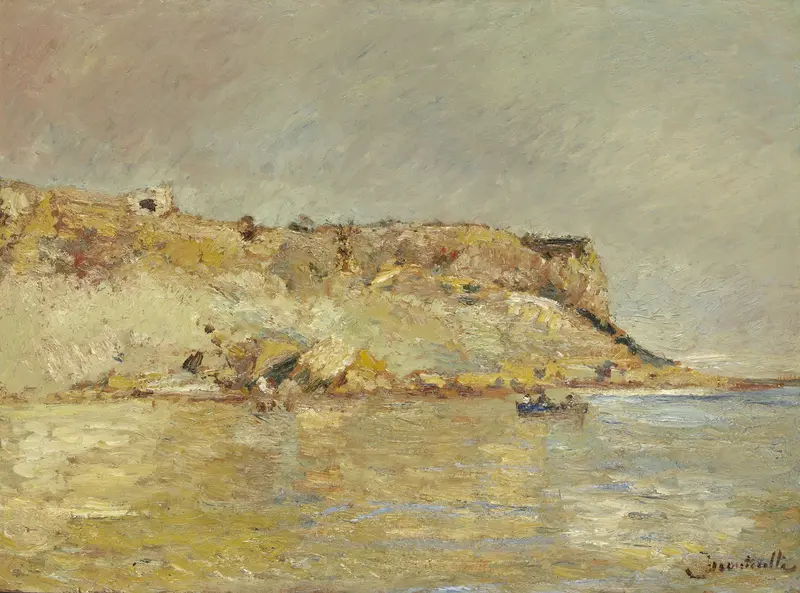
Coastal Mountains
Adolphe Monticelli
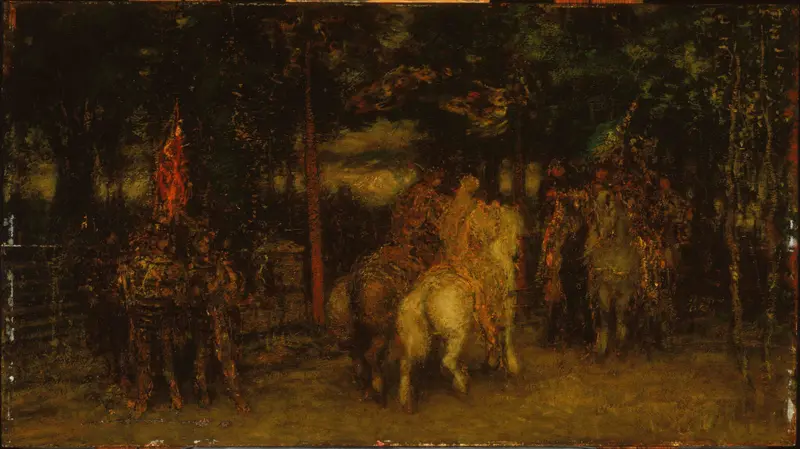
Landscape with Figures
Adolphe Monticelli



