
Francisco Pacheco — History & Facts
When Diego Velázquez painted his father-in-law and teacher, Francisco Pacheco, around 1620, he was still in his early twenties, yet already showing the precision and psychological depth that would define his career. This portrait is remarkable not only for its subject—a respected painter, theorist, and the artist’s mentor—but also because it marks a turning point: Velázquez’s move from Seville to Madrid, a journey that would soon make him court painter to Philip IV. The painting stands as a rare document of their close relationship, capturing the man who introduced Velázquez to the world of art and shaped his early style. Pacheco appears seated, his gaze direct and composed, dressed in the austere black typical of a learned Sevillian gentleman.
His left hand rests lightly on a table, possibly holding a book or paper, a nod to his role as an author and intellectual. The plain background and soft, naturalistic light focus attention on Pacheco’s thoughtful expression, emphasizing the sitter’s dignity and intellect rather than any outward display of status. Compared to the more formal, idealized portraits of the period—such as those by El Greco—Velázquez’s approach feels intimate and unvarnished, a testament to both his technical skill and his personal connection to the subject. The painting’s early history is not fully documented, but it likely remained in the Pacheco or Velázquez family for some time before entering public collections.
Today, it is recognized as one of the earliest surviving portraits by Velázquez, offering a glimpse into his formative years in Seville before his rise at the Spanish court. The work’s authenticity has never been seriously questioned, and it is now housed in the Museo del Prado, where it stands as a tribute to the teacher who helped shape one of Spain’s greatest painters.
More Artworks by Diego Velázquez

Las Meninas
Diego Velázquez
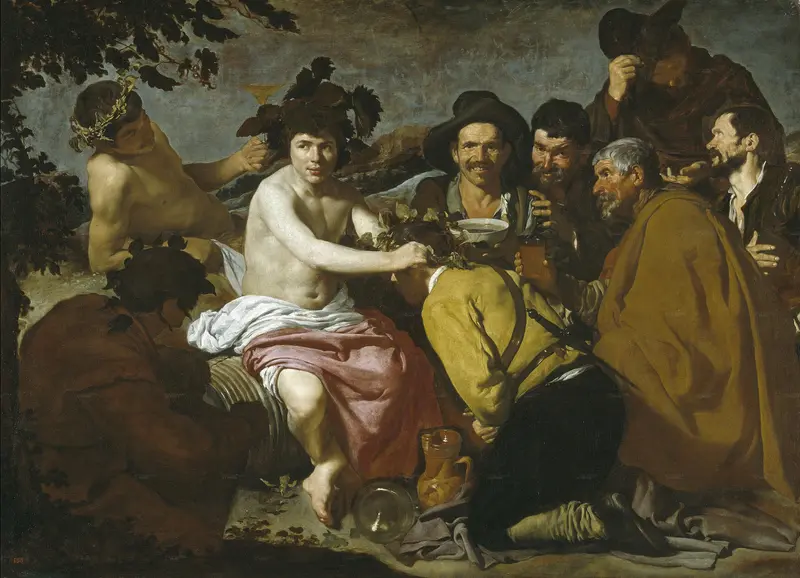
The Triumph of Bacchus
Diego Velázquez
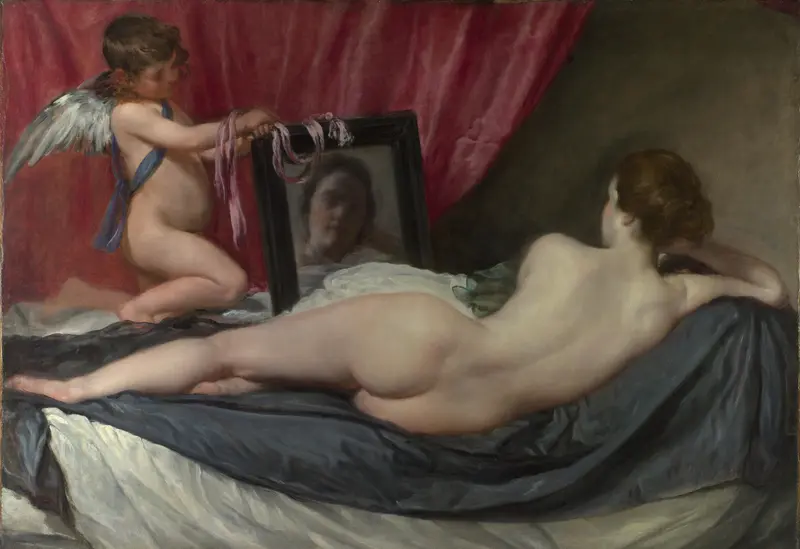
Rokeby Venus
Diego Velázquez
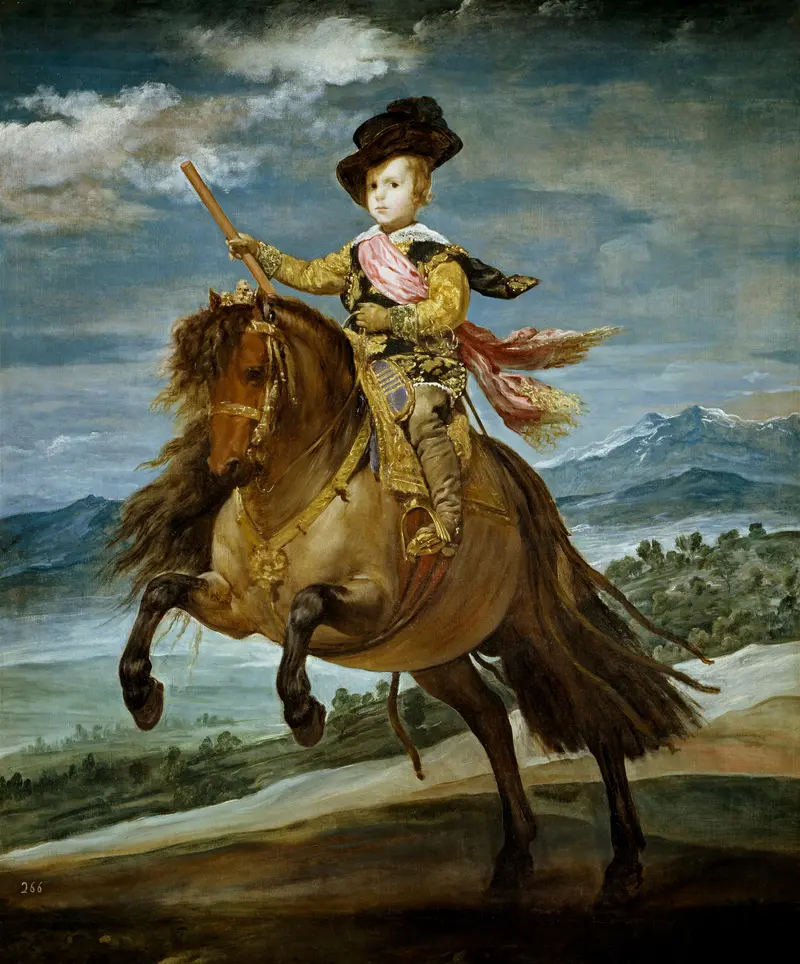
Equestrian Portrait of Prince Balthasar Charles
Diego Velázquez
Bacchus
Diego Velázquez
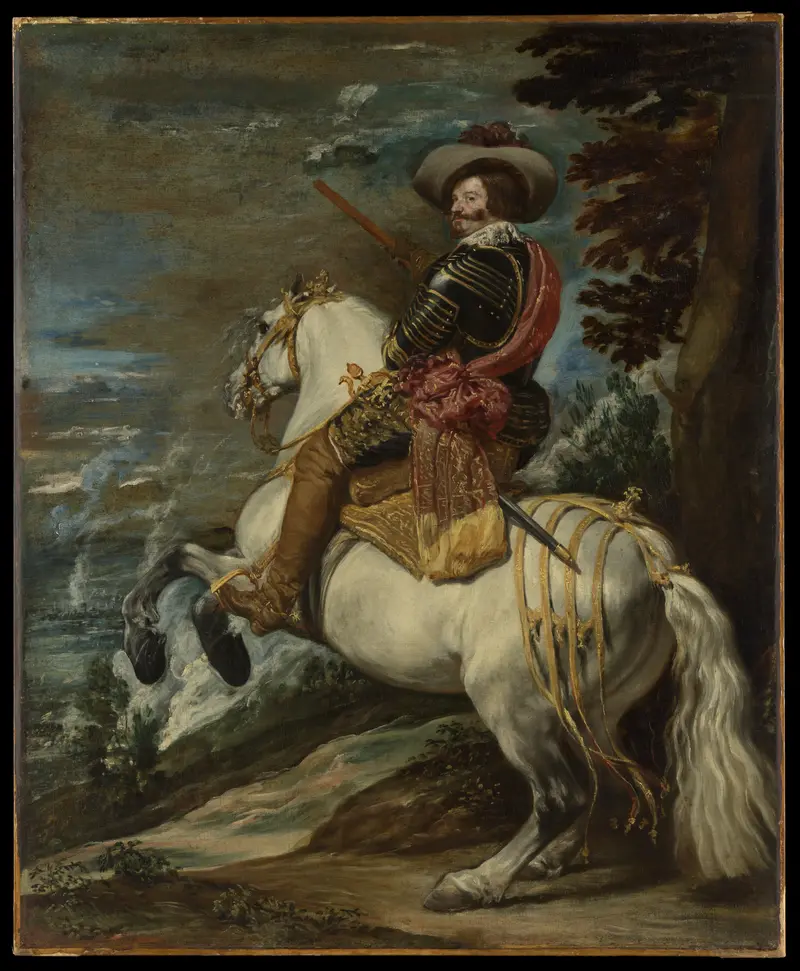
Don Gaspar de Guzmán (1587–1645), Count-Duke of Olivares
Diego Velázquez
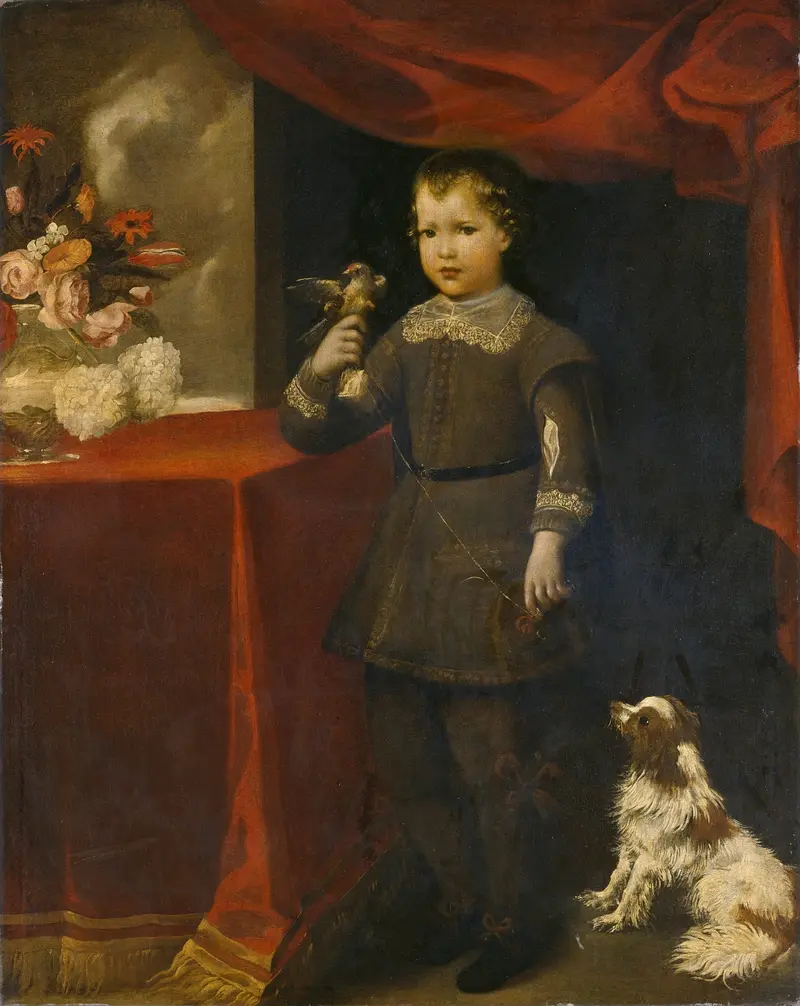
El príncipe Baltasar Carlos de Austria
Diego Velázquez
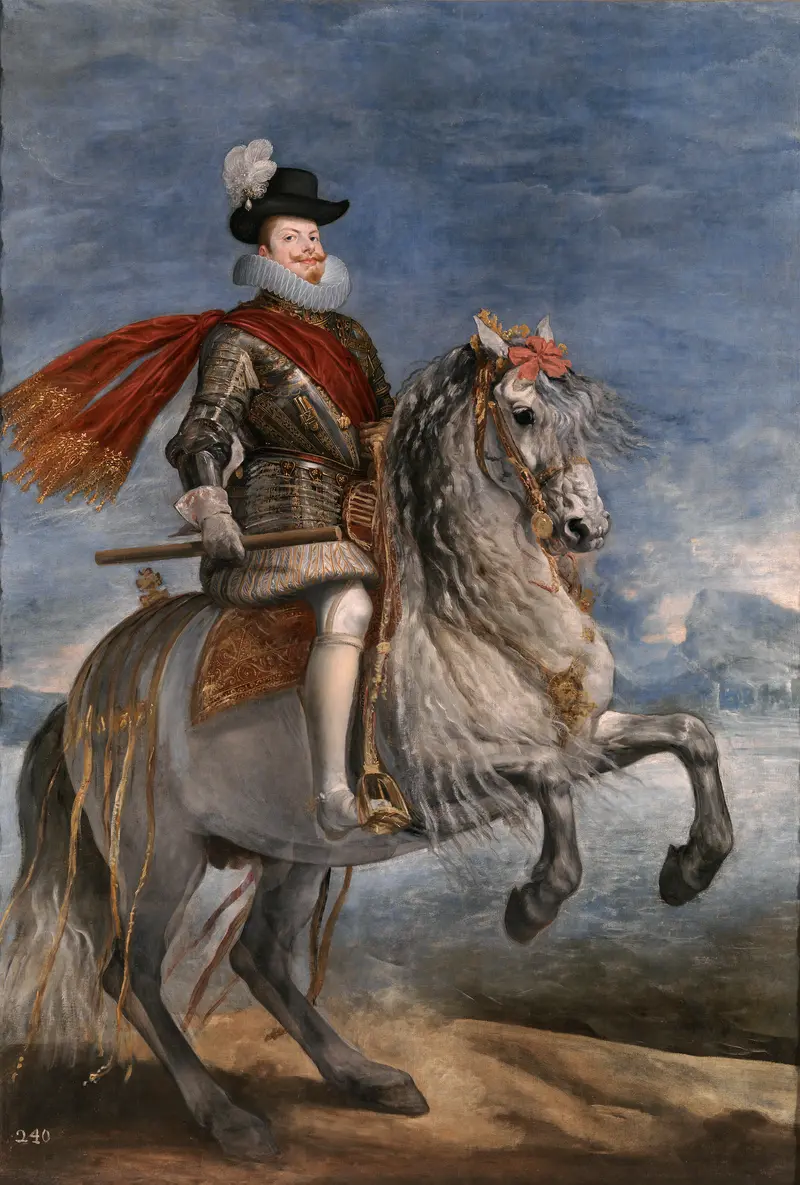
Equestrian Portrait of Philip III
Diego Velázquez
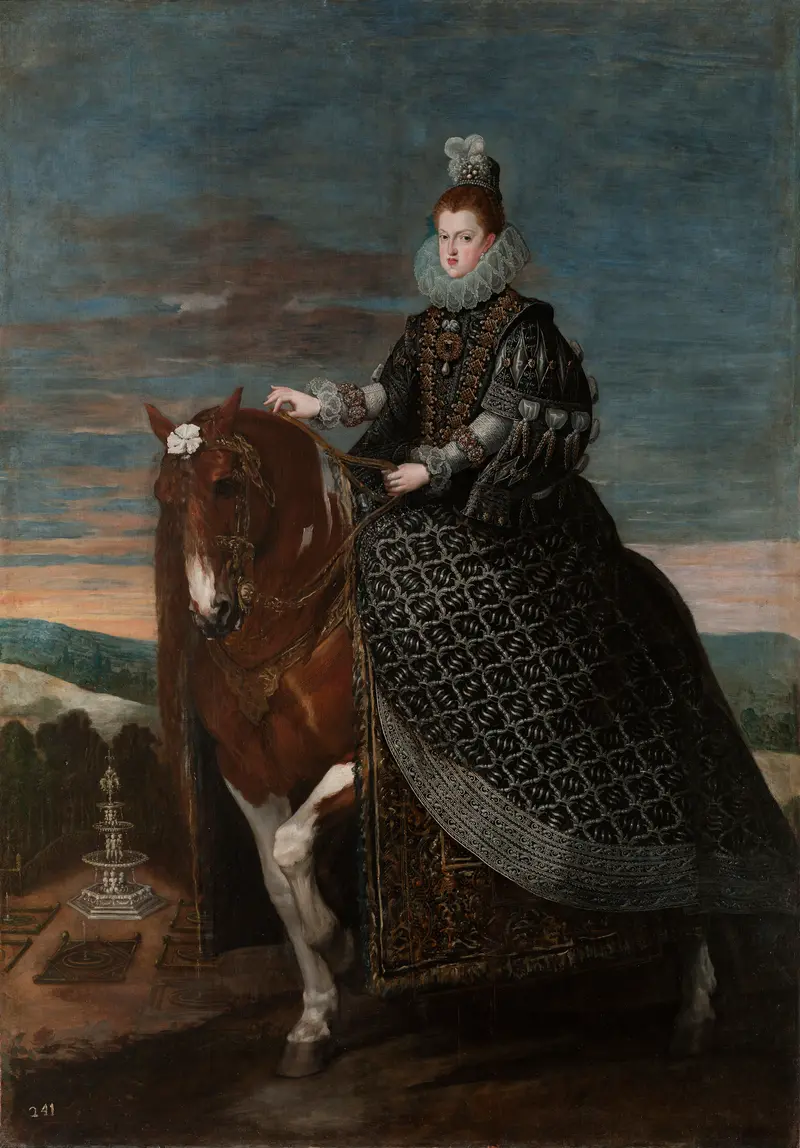
Equestrian Portrait of Margarita of Austria
Diego Velázquez
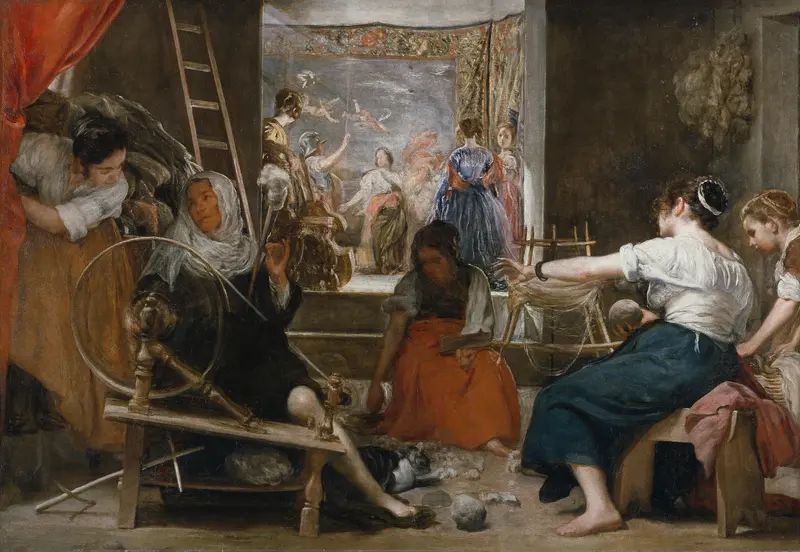
Las Hilanderas
Diego Velázquez




