
Frauen vor ländlichen Häusern — History & Facts
When did color learn to lie? The vibrant hues of Frauen vor ländlichen Häusern beckon us to explore an intricately woven tapestry of truth and illusion, where every brushstroke whispers secrets of obsession and identity. Look to the left at the sun-drenched yellow walls of the rustic homes, their warm tones creating a striking contrast against the verdant greens of the surrounding landscape. The figures of the women, clothed in deep blues and reds, draw the eye with their purposeful stances and expressions that dance between tranquility and tension. Notice how the light gently caresses their forms, highlighting the intricate details of their garments, as if revealing a deeper narrative beneath the surface. As you delve further into the composition, subtle emotional contrasts emerge.
The serene beauty of the idyllic rural setting is laced with a sense of unease; the women, while seemingly at ease, reflect an underlying obsession with their roles and surroundings. This duality evokes a tension between tradition and the pressing currents of modernity that shaped the early 20th century, prompting viewers to question the intersection of personal identity and societal expectations. In 1920, Höckner painted this piece during a time marked by cultural upheaval and change, as the aftermath of World War I reverberated across Europe. Residing in Germany, he was influenced by the shifting landscape of art, which was moving toward modernism, yet still held close ties to representational forms.
This work stands as a testament to both his artistic evolution and the complex emotions of a society grappling with its past while yearning for a new identity.
More Artworks by Rudolf Höckner
Browse all →
Am Stintmarkt in Lüneburg
Rudolf Höckner
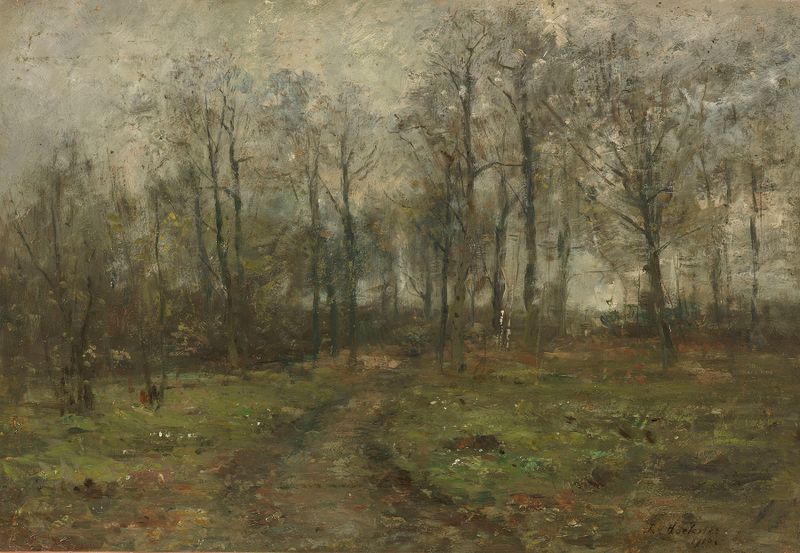
Weg im Gehölz
Rudolf Höckner

Marschlandschaft mit Weidenallee und Reiter
Rudolf Höckner

Winterlandschaft mit Gehöft
Rudolf Höckner

Ansicht von Wedel
Rudolf Höckner

Bauerngehöft mit Teich
Rudolf Höckner
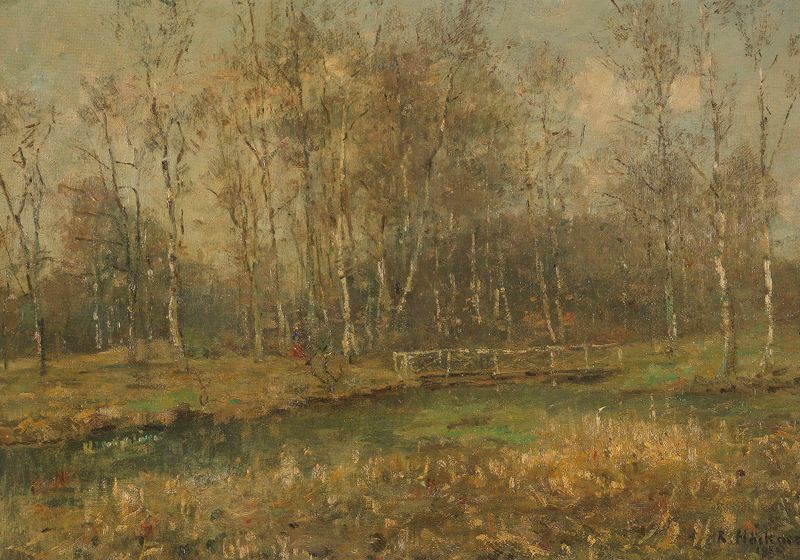
Vorfrühling im Park
Rudolf Höckner

Landschaft mit kleinen Gestalten
Rudolf Höckner
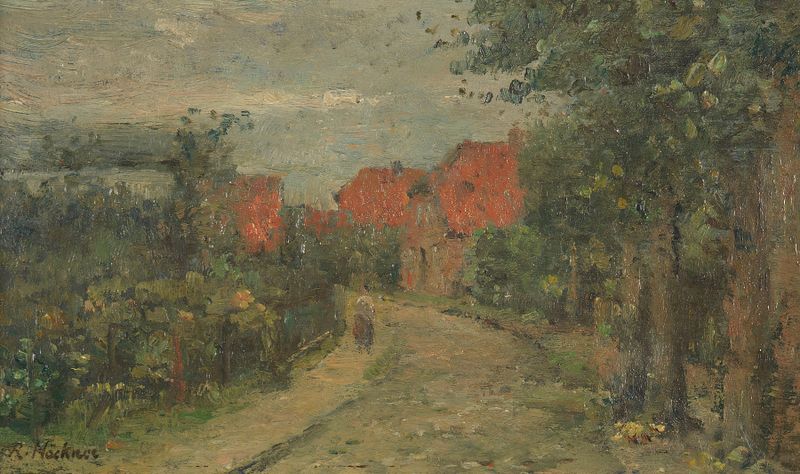
Dorfstraße
Rudolf Höckner

Der letzte Schnee
Rudolf Höckner





