
French Farmyard — History & Facts
What if beauty was never meant to be finished? In French Farmyard, the viewer is drawn into a moment where simplicity meets the unfathomable depths of life's complexities, inviting contemplation amid pastoral tranquility. Look to the left at the vibrant greens of the grass, which almost seem to pulsate with life. The warm hues of the farm structures contrast beautifully against the coolness of the sky, establishing a dialogue between earth and air. Notice how the play of light falls across the figures, casting gentle shadows that suggest both presence and absence, stirring a spectrum of emotions just beneath the surface. The composition reveals an intricate interplay of human endeavor and the natural world, with figures that appear both engaged and distant from their surroundings.
The scattered animals roam freely, symbolizing the unpredictable nature of life, while the locked gaze of a solitary figure hints at an inner turmoil. This juxtaposition of labor and contemplation evokes a profound sense of fear—fear of the uncertain, fear of what lies beyond the idyllic surface. In 1867, Winslow Homer painted this piece while living in Paris, amidst a transformative period in his artistic career. The world was shifting, and so was his approach to capturing realism in art, moving away from conventional European styles to embrace more personal, American themes.
His experience in the French countryside provided him with inspiration, leading to a distinctive blend of observation and emotional depth that would define his later works.
More Artworks by Winslow Homer
Browse all →
The Gulf Stream
Winslow Homer
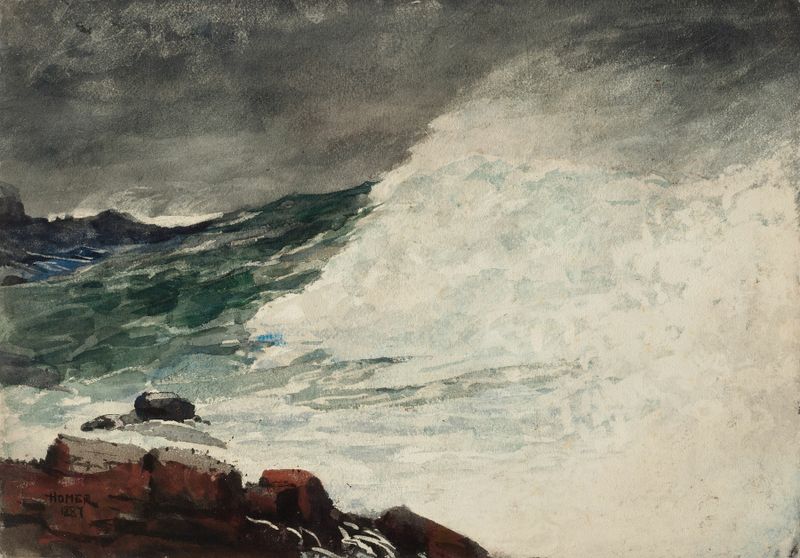
Prout’s Neck, Breaking Wave
Winslow Homer
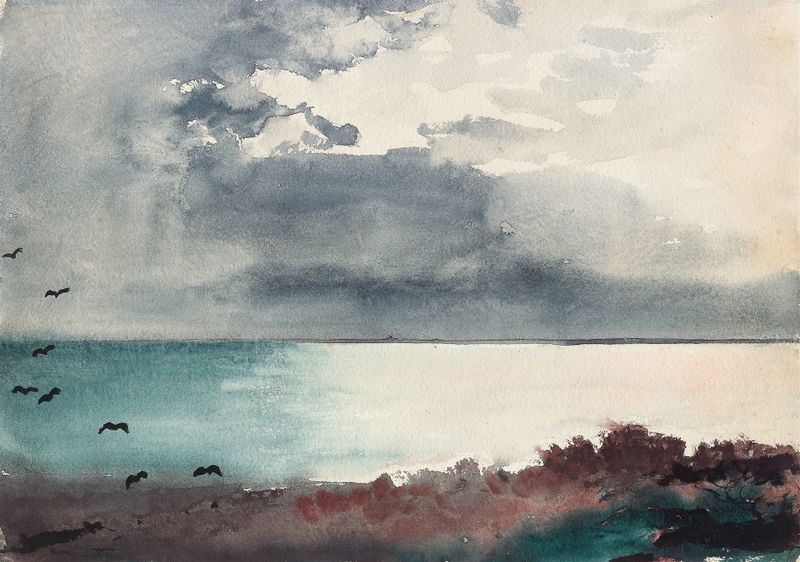
Breaking Storm, Coast of Maine
Winslow Homer
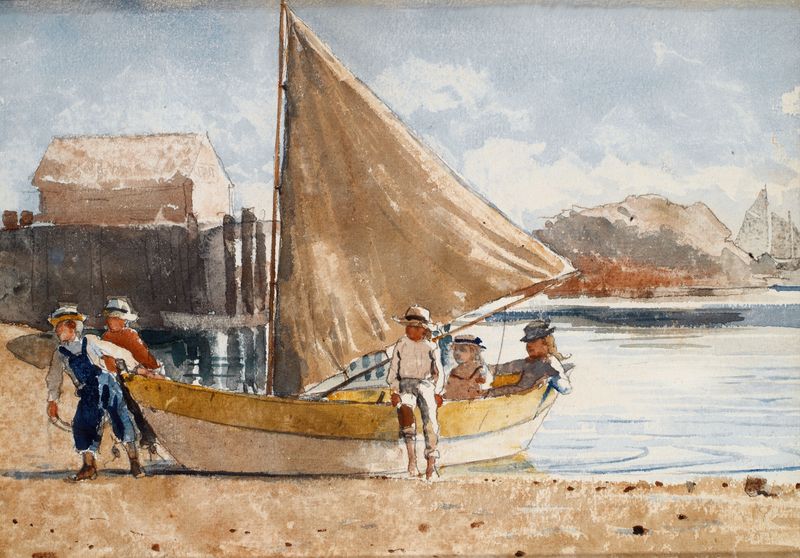
Summertime
Winslow Homer
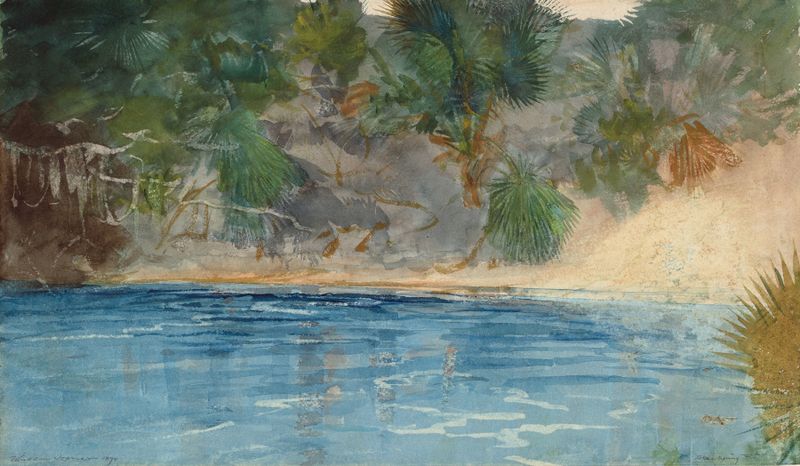
Blue Spring, Florida
Winslow Homer
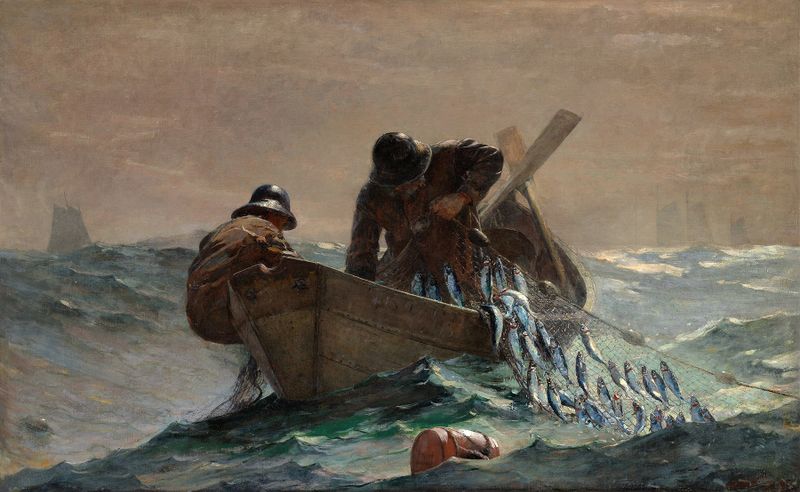
The Herring Net
Winslow Homer
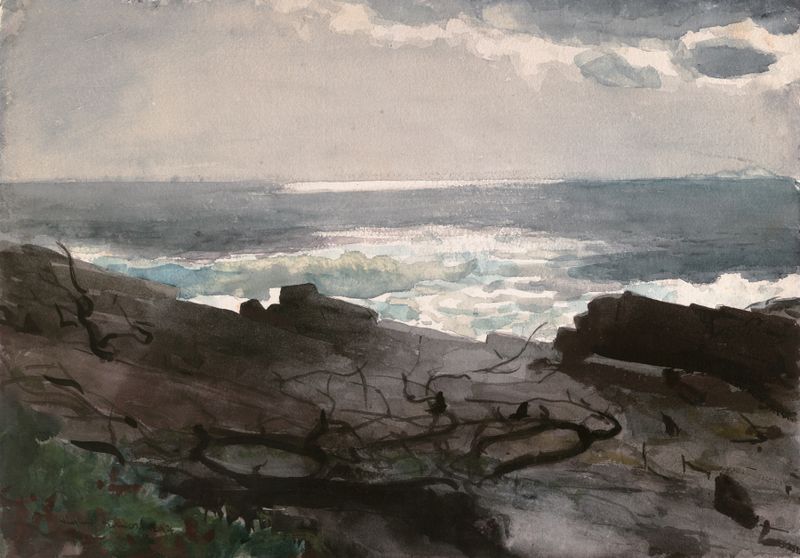
Sunshine and Shadow, Prout’s Neck
Winslow Homer
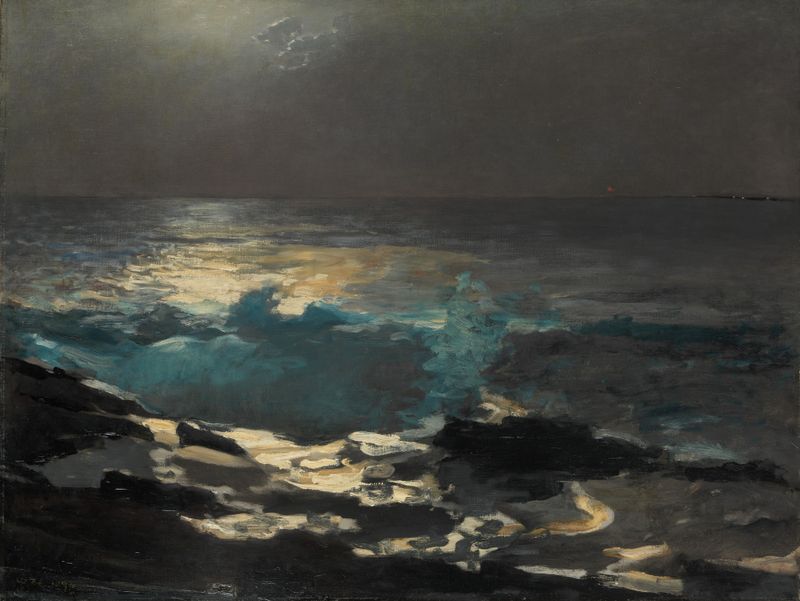
Moonlight, Wood Island Light
Winslow Homer
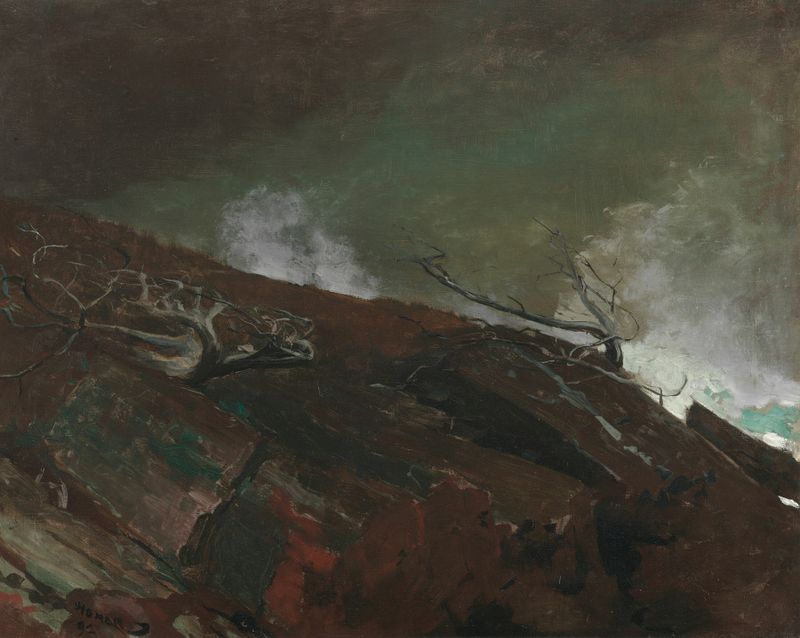
Coast of Maine
Winslow Homer
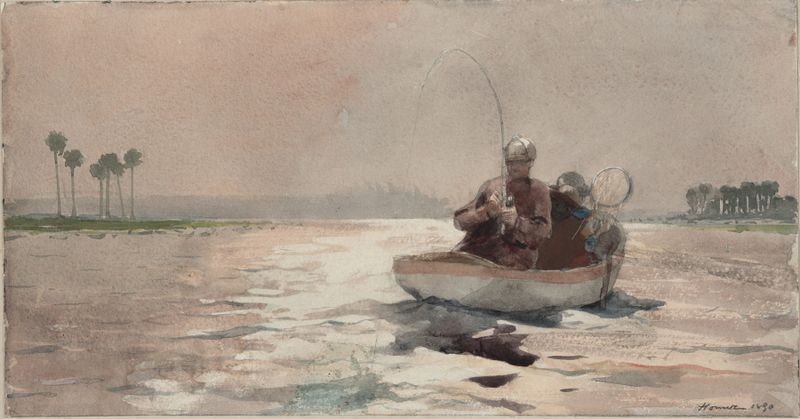
Bass Fishing – Florida
Winslow Homer





