
Garden in Montmarte with lovers — History & Facts
In the dappled light of a Parisian afternoon, two lovers lean toward each other beneath the vibrant foliage of Montmartre. Their tentative gestures, a brush of hands and shared laughter, create an electric intimacy amid the surrounding blooms. Sunlight filters through the leaves, casting playful shadows that dance across the tender scene, where time seems to suspend in gentle balance. Focus on the couple at the center; their figures are painted with bold strokes that convey both movement and emotion.
Look closely at the contrasting colors—lush greens and soft pastels—that unite the lovers with their surroundings. The lushness of the garden envelops them, while rhythmic brushwork gives life to the flowers, almost echoing the pulse of their affection. Notice how Van Gogh uses vibrant yellows and blues to enhance the warmth of the moment, inviting viewers to relish the joy and warmth of love. Yet within this serene tableau, there lies an undercurrent of tension—the juxtaposition of love and isolation.
The lovers are enveloped in a world of their own, contrasting sharply with the bustling city beyond, suggesting a longing for connection amidst the chaos of urban life. The garden, a sanctuary of beauty, reflects the delicate balance between love and solitude, hinting at the struggles and joys that coexist within every heart. In the summer of 1887, Van Gogh found himself in Paris, surrounded by the burgeoning Impressionist movement. His time in Montmartre marked a period of experimentation with color and technique, influenced by his contemporaries.
Seeking to capture the essence of modern life, he painted Garden in Montmarte with lovers, reflecting both his personal desires and the vibrant social scene of the time, giving voice to the universal experience of love.
More Artworks by Vincent van Gogh
Browse all →
Starry Night
Vincent van Gogh
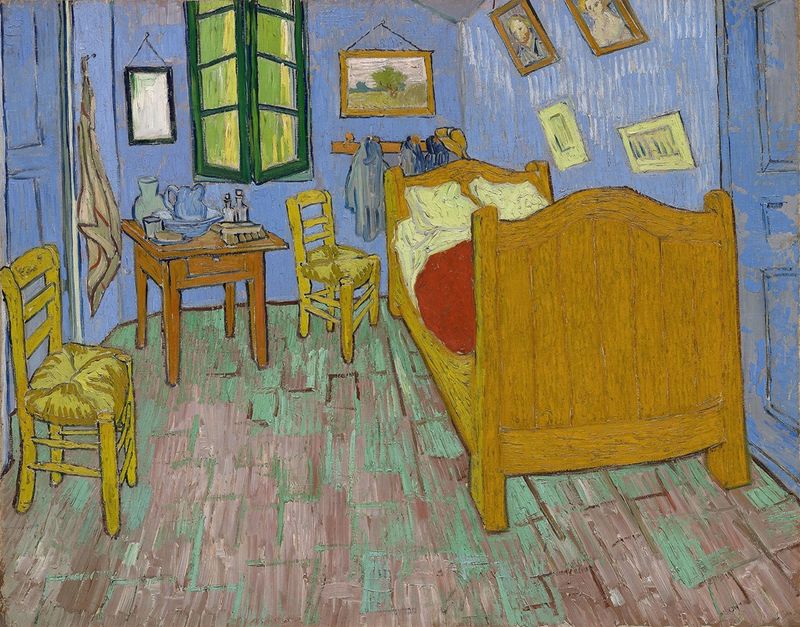
The Bedroom
Vincent van Gogh
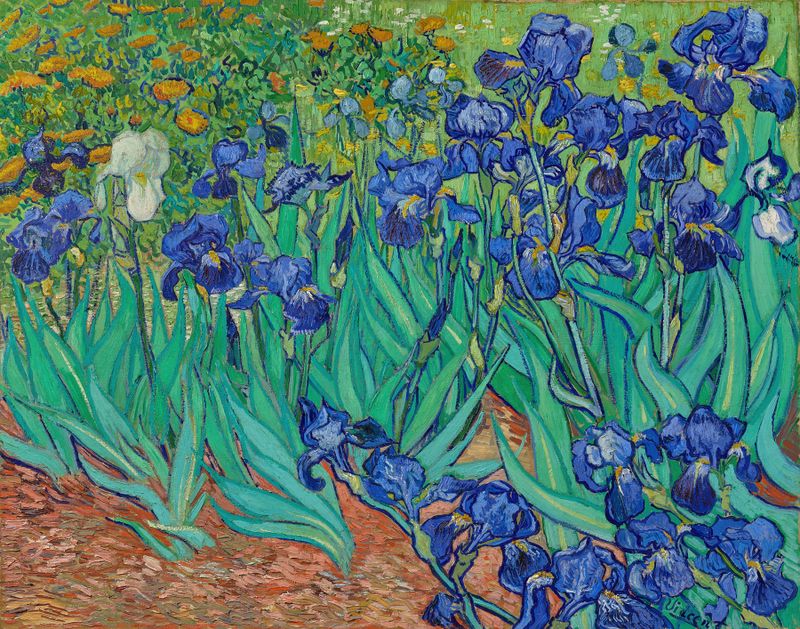
Irises
Vincent van Gogh
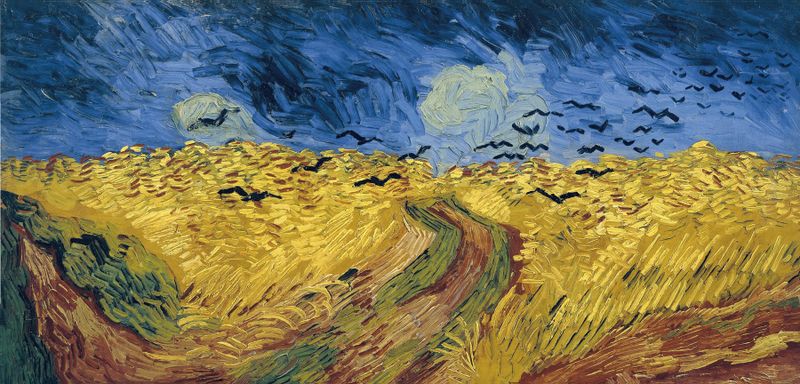
Wheatfield with Crows
Vincent van Gogh
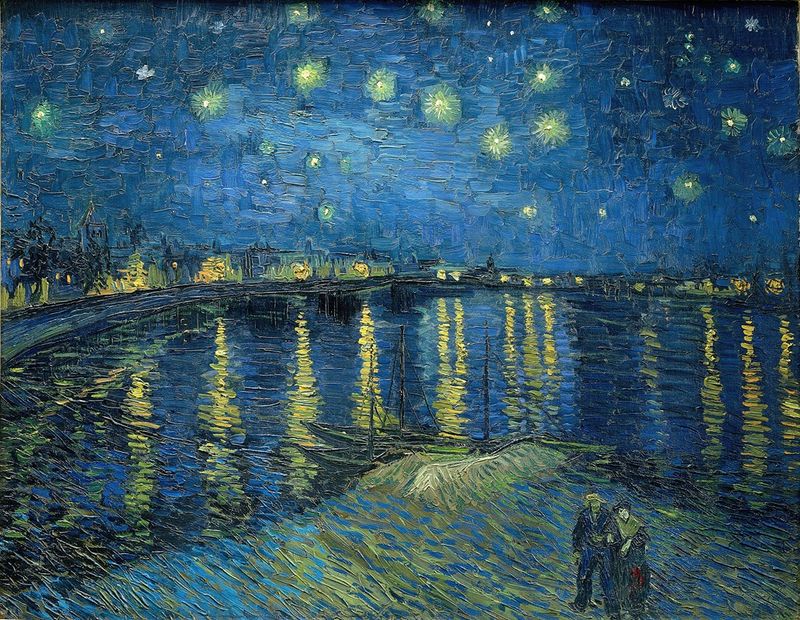
Starry Night over the Rhone
Vincent van Gogh

The yellow house
Vincent van Gogh
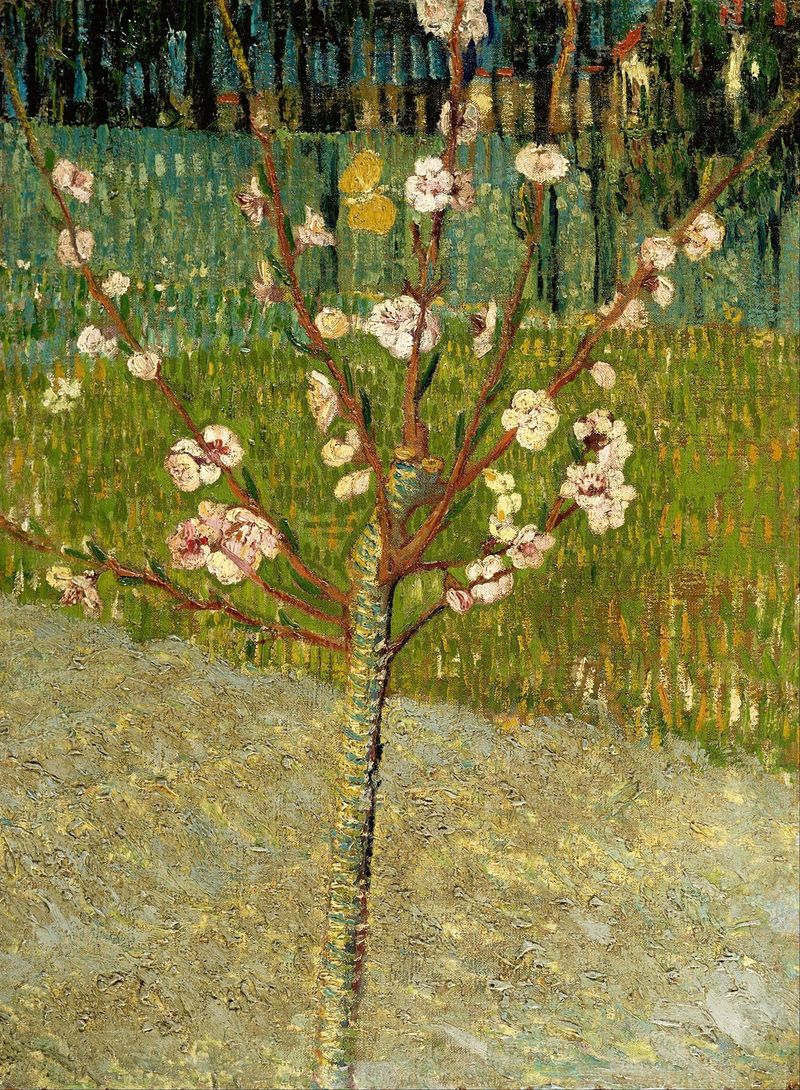
Almond tree in blossom
Vincent van Gogh

Portrait of Dr Gachet
Vincent van Gogh

The Church in Auvers-sur-Oise, View from the Chevet
Vincent van Gogh

Self-Portrait
Vincent van Gogh





