
Garden Party — History & Facts
A shimmer of laughter seems to hang in the air, caught between the dappled shadows and the soft glow of evening. In Garden Party, Adolphe Joseph Thomas Monticelli conjures a world of private festivity, where the swirl of silk and the tilt of a hat are as important as any spoken word. The figures, half-emerging from the golden haze, invite the eye to linger—one arm drapes languidly over a stone balustrade, another figure leans in, perhaps to share a secret or a joke.
The lush, almost dreamlike brushwork blurs the boundary between figure and foliage, so that people and garden seem to belong to the same fleeting moment. This is the language of pleasure and leisure in nineteenth-century France, painted around 1868 when the world of private gardens and exclusive gatherings was both a social ritual and a painterly challenge. Monticelli’s handling of light—flickering, almost liquid—guides the viewer through the scene, from the bright dresses that catch the sun to the mysterious shadows under the trees. The composition is intimate but never static: every gesture opens a new story, every patch of color suggests movement.
Such scenes were popular among collectors eager to display their sophistication and taste, and Monticelli’s work, now in the Minneapolis Institute of Arts, stands as a testament to both the pleasures and the vanishing fragility of these private worlds. Look again, and notice how quickly the figures seem to dissolve into the garden, as if the memory of the party is already slipping away.
More Artworks by Adolphe Monticelli

Portrait of a Lady
Adolphe Monticelli
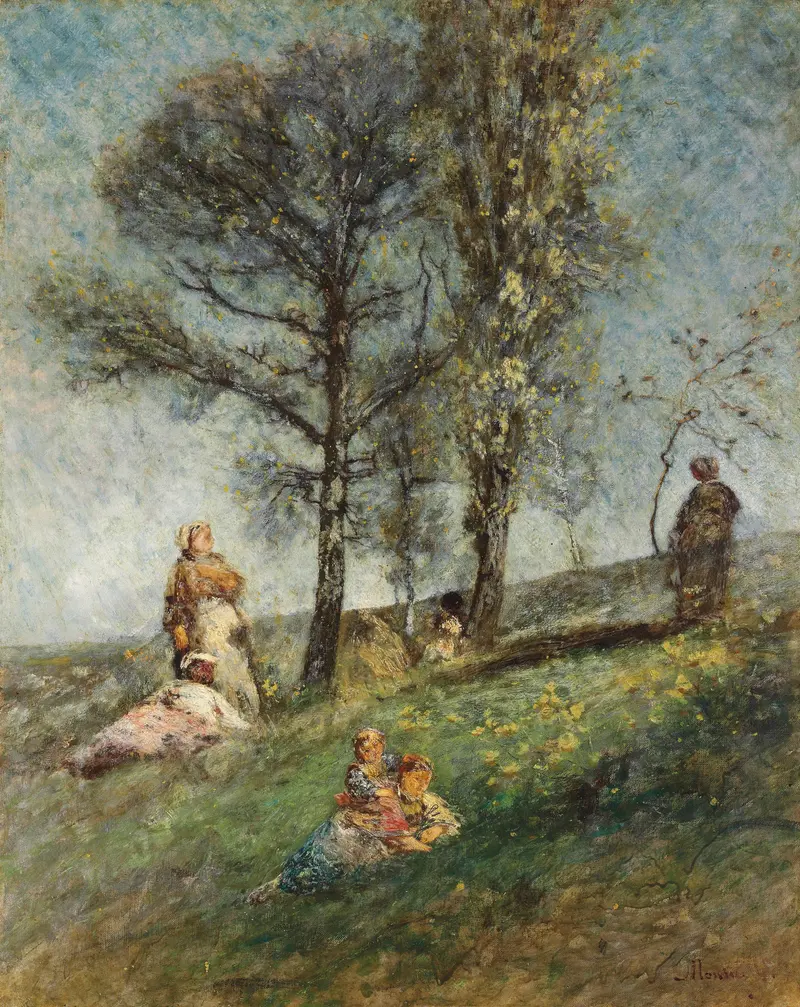
A Young Family Under Trees On A Hill
Adolphe Monticelli

Fête d'Après-Midi
Adolphe Monticelli
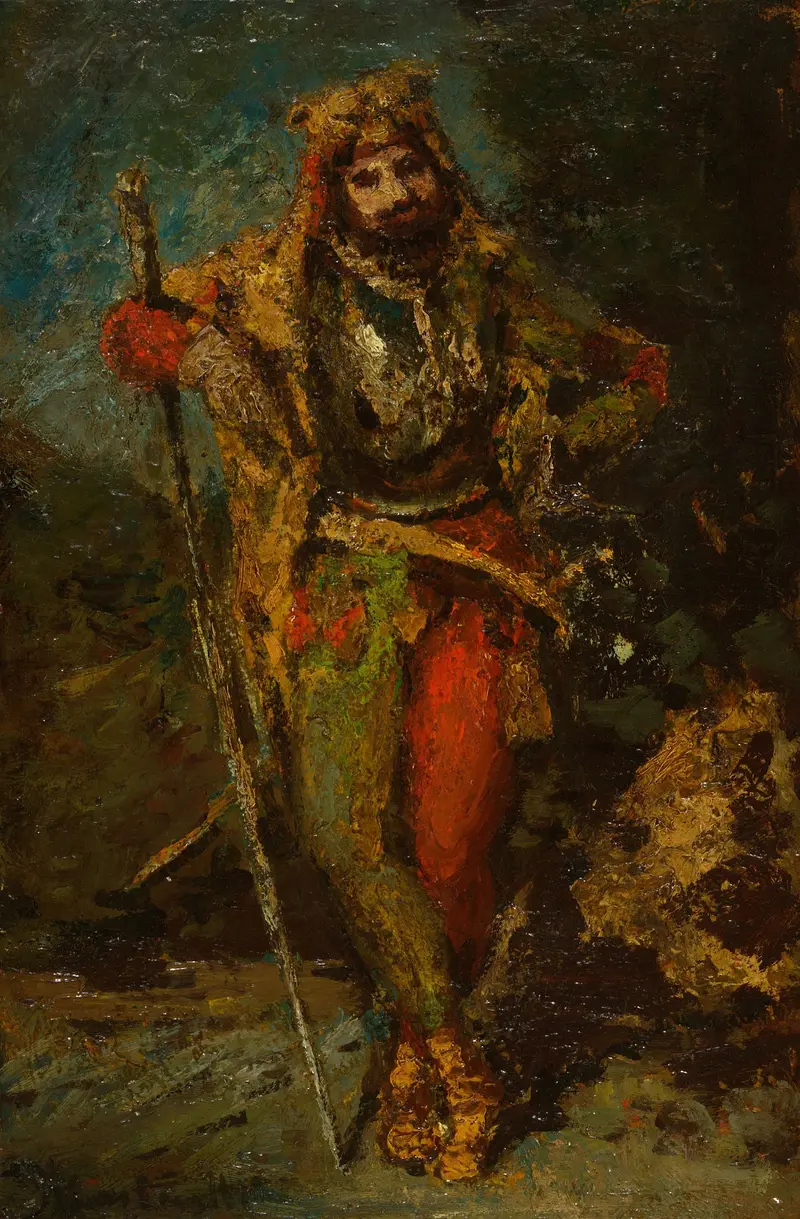
Mephisto from the Opera Faust
Adolphe Monticelli
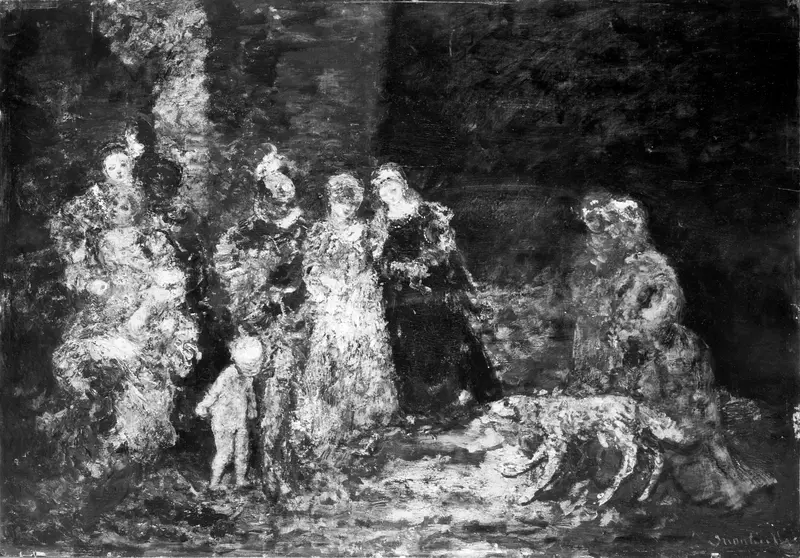
The Fairies
Adolphe Monticelli
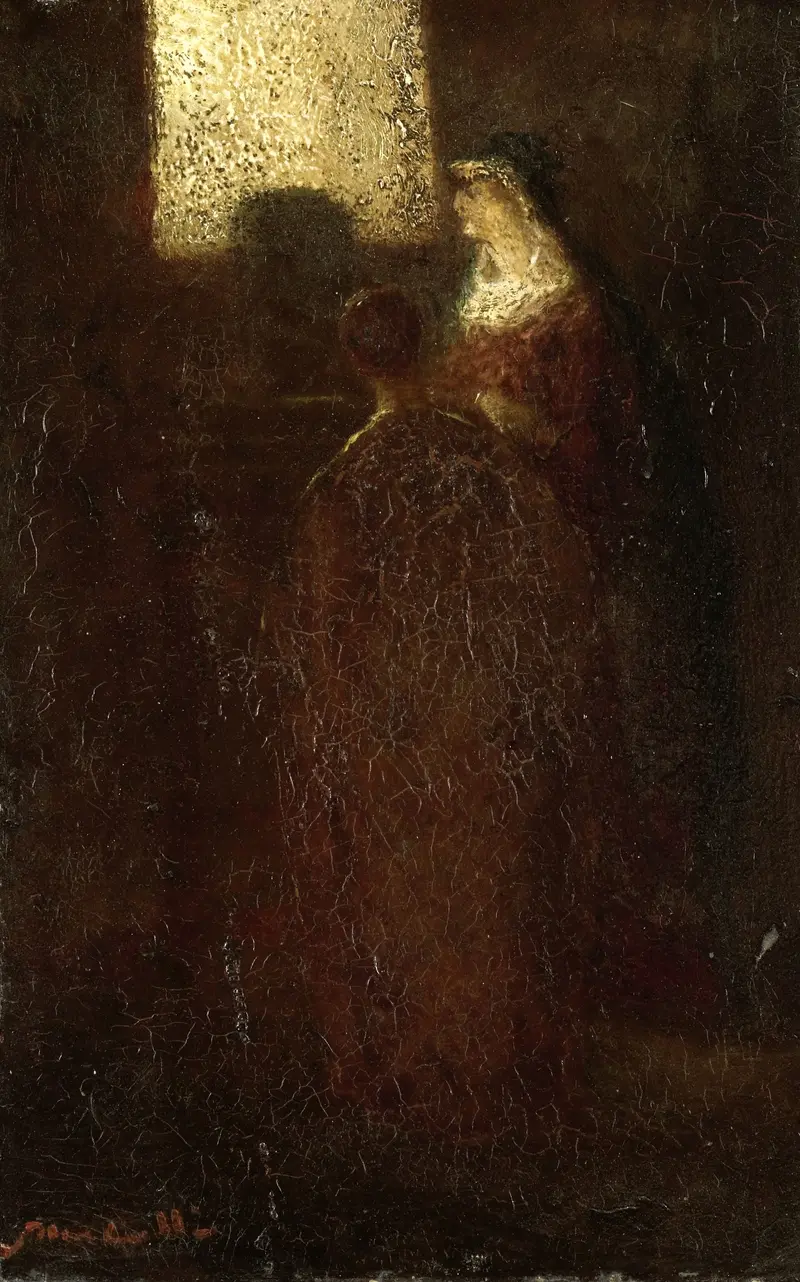
Aan het altaar
Adolphe Monticelli
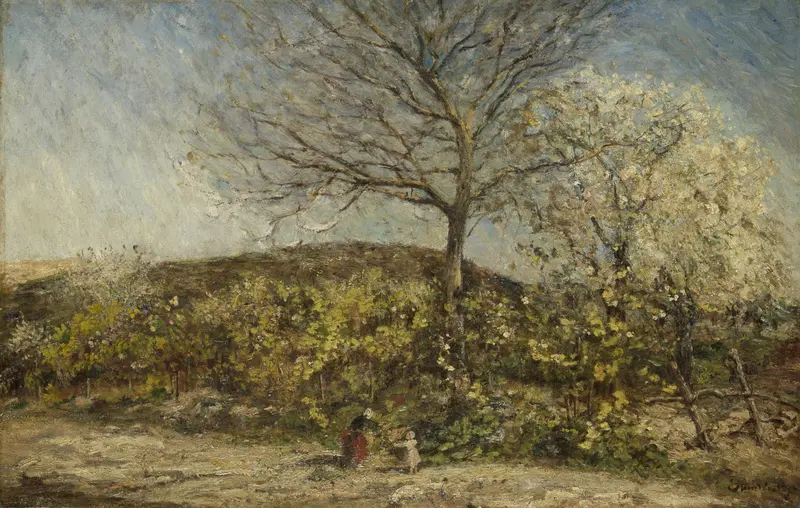
Landschap met bloeiende boomgaard
Adolphe Monticelli
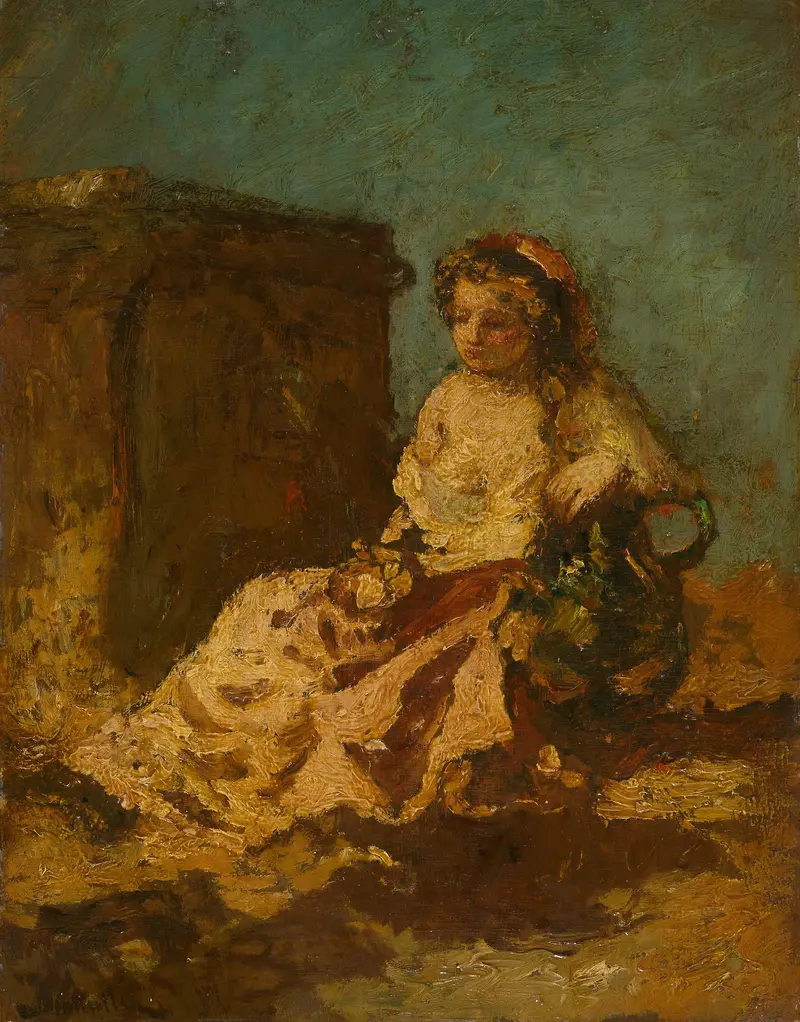
Meditation (Seated Woman)
Adolphe Monticelli
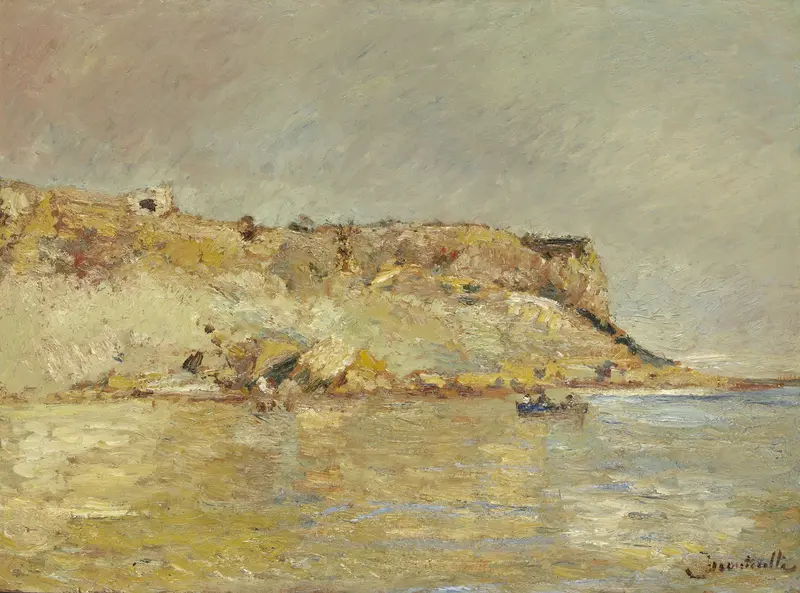
Coastal Mountains
Adolphe Monticelli
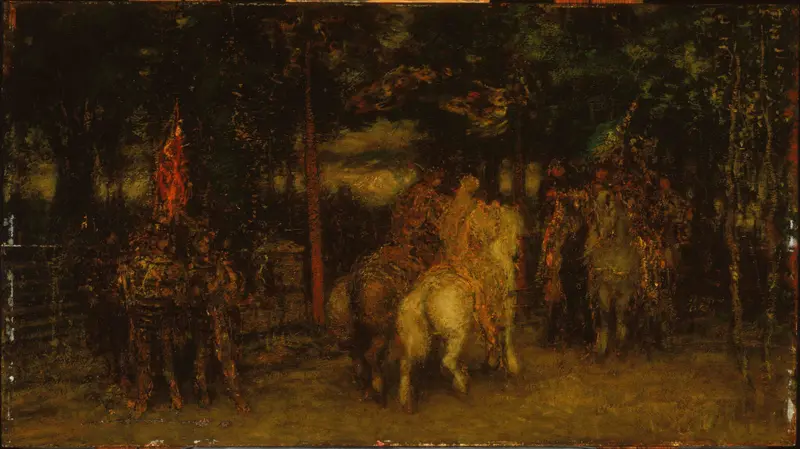
Landscape with Figures
Adolphe Monticelli
More Genre Scene Art

Banquet of the Officers of the St George Civic Guard
Frans Hals

Rembrandt and Saskia in the Scene of the Prodigal Son
Rembrandt van Rijn

Bal du moulin de la Galette
Pierre-Auguste Renoir

Quadrille at the Moulin Rouge
Henri de Toulouse-Lautrec

A Burial at Ornans
Gustave Courbet

When Will You Marry?
Paul Gauguin