
Géricault - Vorführung eines Schimmels, um 1821- — History & Facts
When Théodore Géricault arrived in England in 1820, he found himself captivated by the world of horse trading and public auctions—a fascination that would shape several of his most striking works. Among them is Vorführung eines Schimmels, um 1821-, painted around 1822, which stands out for its vivid immersion in the spectacle of animal display. Rather than romanticizing the horse, as so many artists before him had done, Géricault chose to focus on the charged moment of presentation, capturing both the animal’s tension and the human drama surrounding it.
This painting belongs to a small group of studies he made during his English sojourn, each reflecting his acute observation of equine anatomy and the social rituals of the marketplace. The scene unfolds at the very instant a powerful grey horse is led before a crowd, its muscles taut, nostrils flared, and eyes wide with alertness. A handler, gripping the reins, attempts to control the animal’s restless energy, while a cluster of onlookers—some appraising, some indifferent—witness the display. The light falls dramatically across the horse’s flanks, emphasizing both its beauty and its agitation, while the human figures are rendered with brisk, almost sketch-like brushwork.
Unlike George Stubbs, who often painted horses in calm, isolated poses, Géricault thrusts us into the noisy, unpredictable world of the auction ring, where animal and human destinies intersect in a moment of suspense. The exact medium of Vorführung eines Schimmels, um 1821- remains uncertain, though it is likely oil on canvas, in keeping with Géricault’s practice at the time. The work’s provenance is not fully documented, but it is generally agreed to be part of the series he executed during his English period, a time when he was deeply engaged with themes of movement, power, and the human-animal relationship. Today, the painting is valued as a key example of Géricault’s innovative approach to animal subjects, bridging the worlds of Romanticism and reportage.
Its raw immediacy and observational acuity continue to draw attention, both as a record of a vanished social world and as a testament to the artist’s restless curiosity.
More Artworks by Théodore Géricault
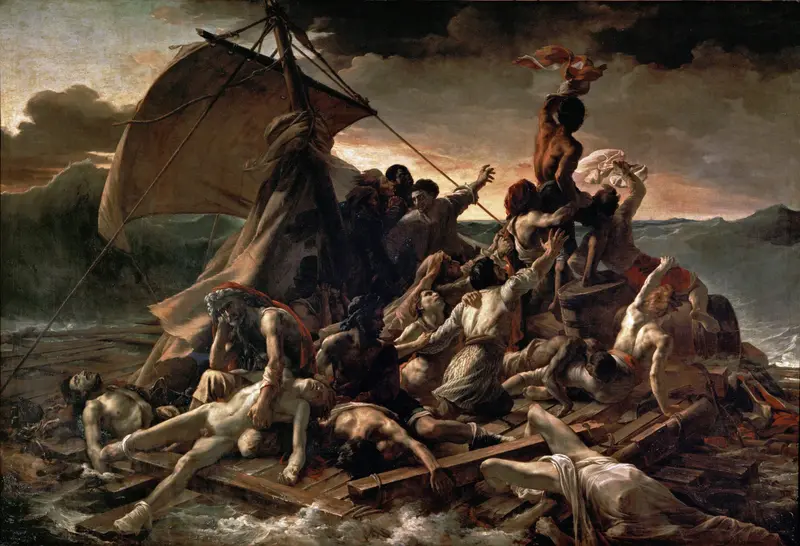
The Raft of the Medusa
Théodore Géricault

Géricault - Le naufrage du radeau de la Méduse, MBA 790
Théodore Géricault
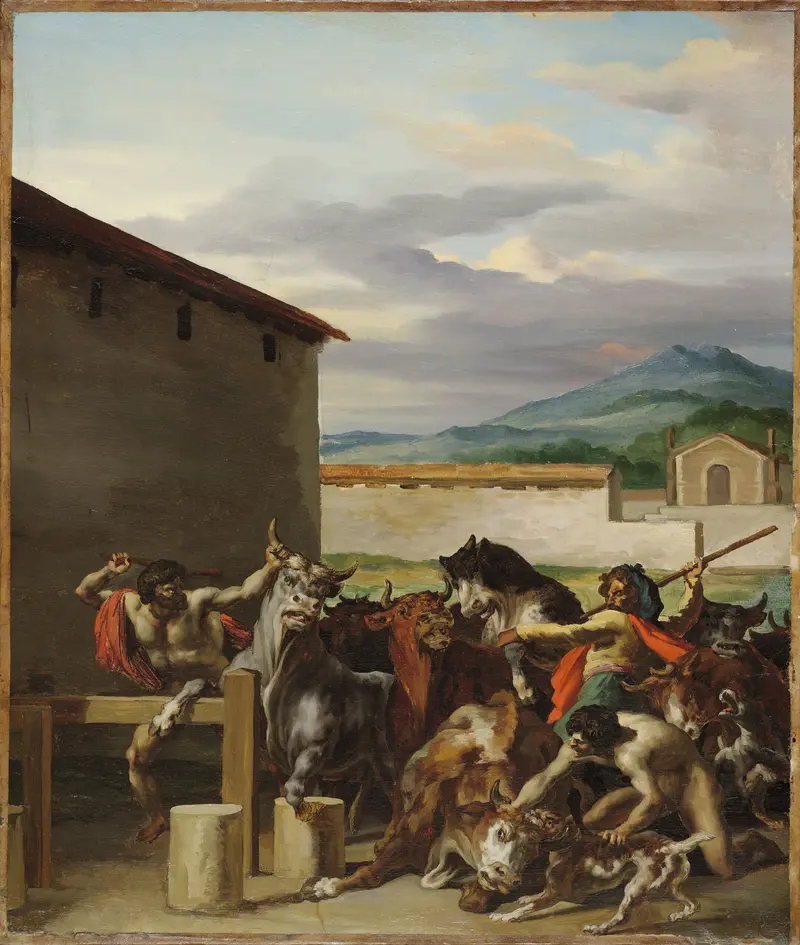
Cattle Market
Théodore Géricault
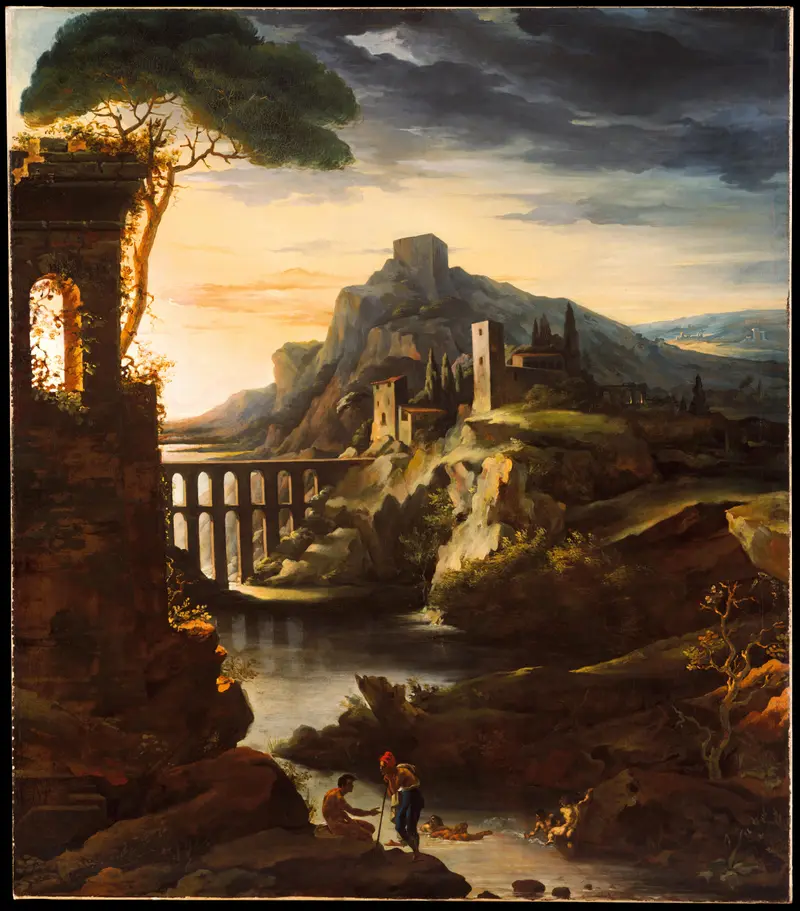
Evening; Landscape with an Aqueduct
Théodore Géricault
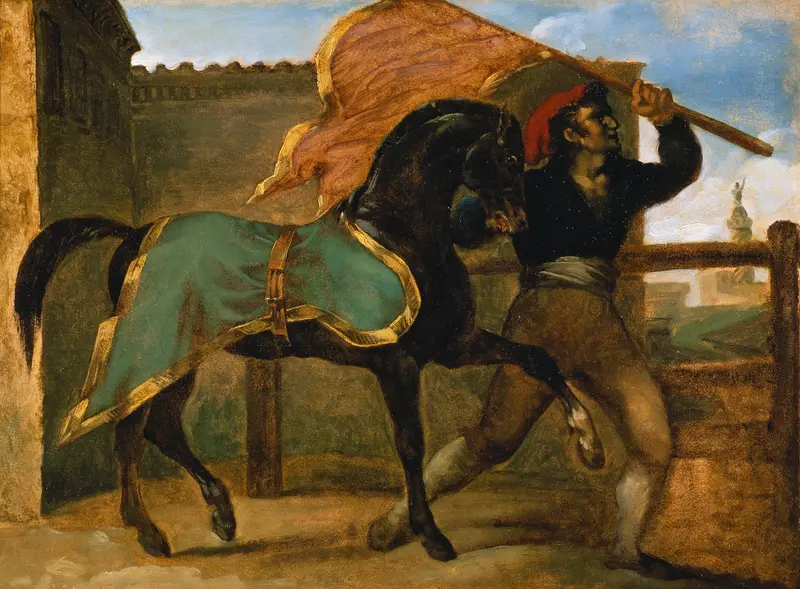
Horse Race
Théodore Géricault

Horses Standing in a Mews
Théodore Géricault
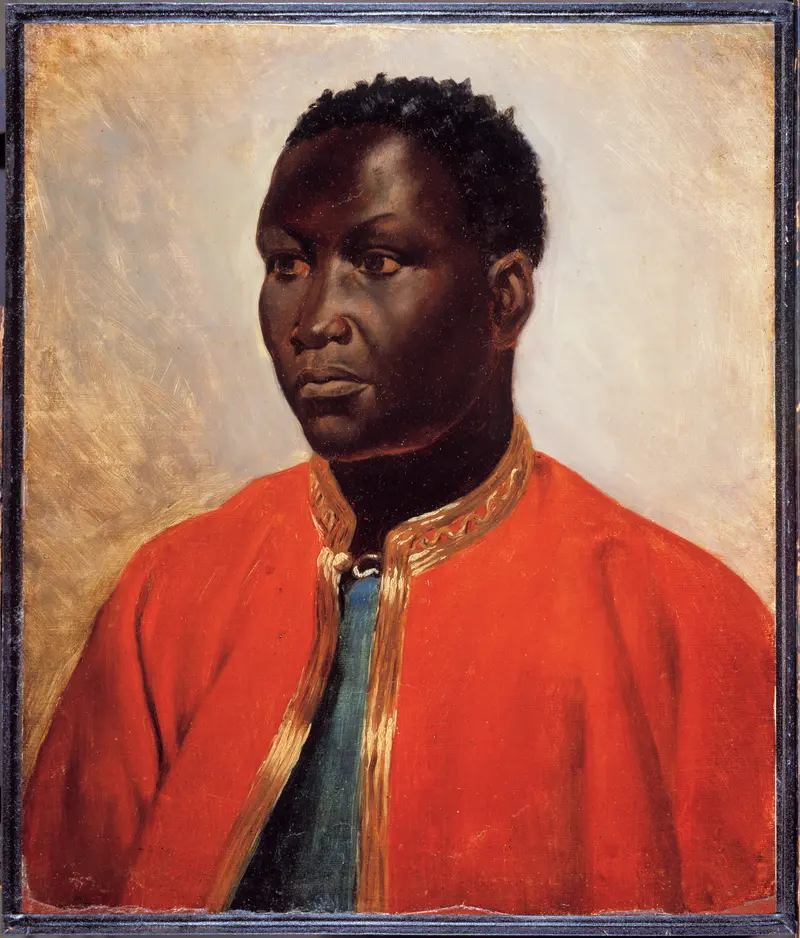
Portrait of a Negro
Théodore Géricault
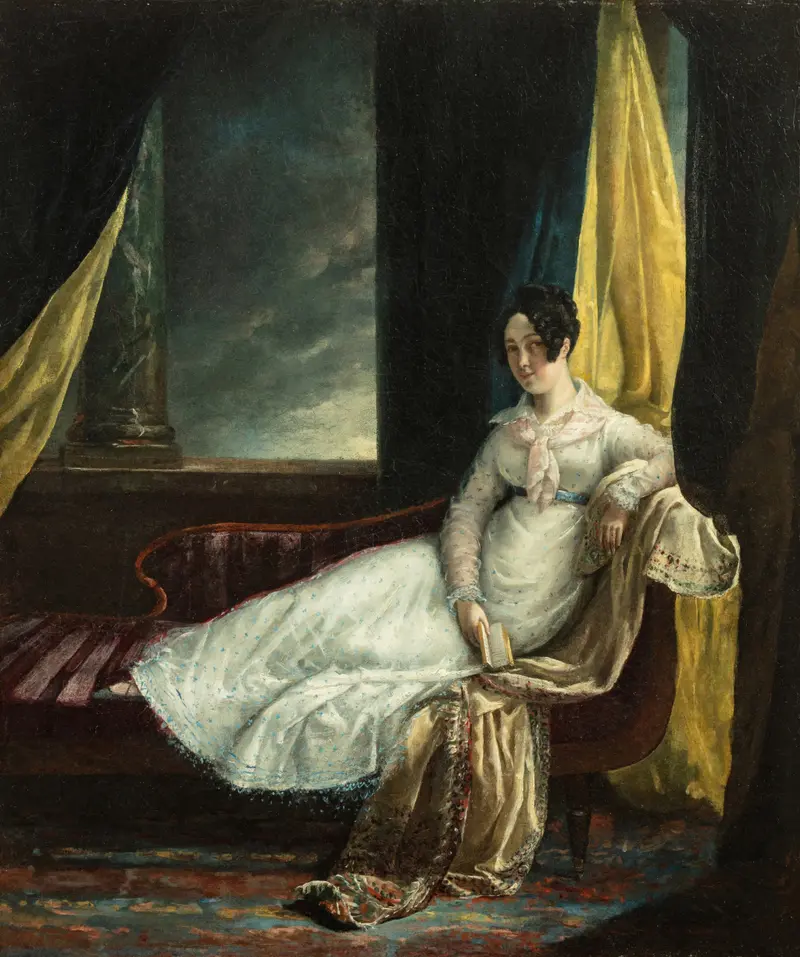
Portrait of Zoë Elmore
Théodore Géricault
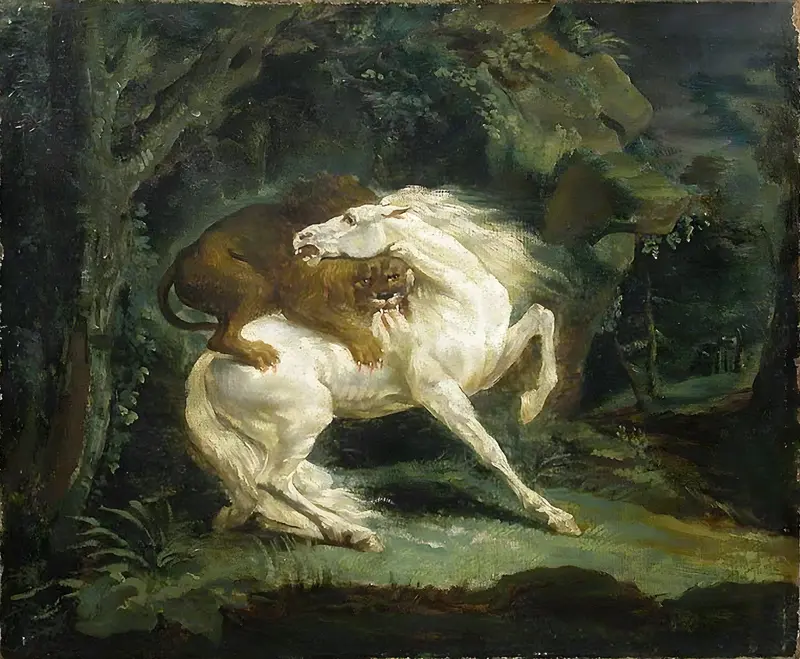
Cheval attaqué par un lion
Théodore Géricault
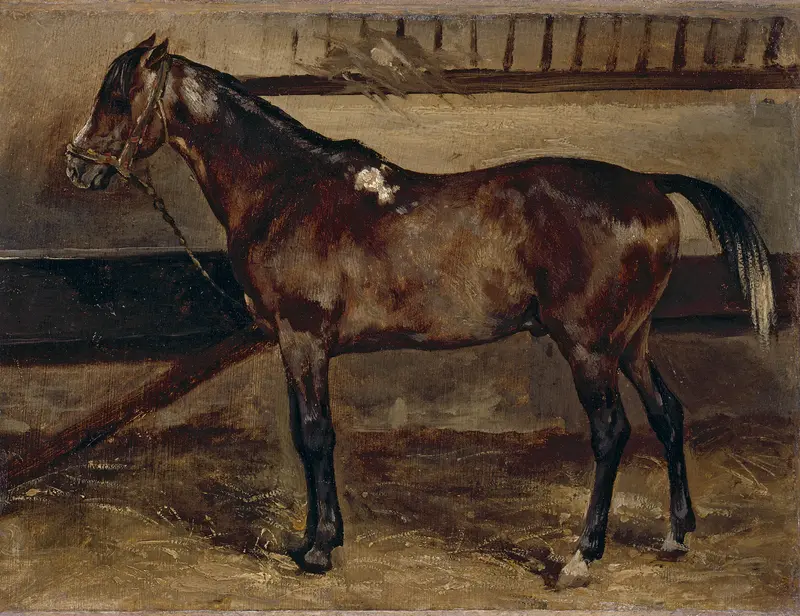
Cheval brun à l'écurie
Théodore Géricault





