
Geseling — History & Facts
What if silence could speak through light? In a moment frozen in time, Geseling offers a poignant reflection on human vulnerability and the shadows that linger in our hearts. Look to the center of the composition, where a solitary figure stands in a gesture of despair, overshadowed by the looming presence of a darkened landscape. The intricate details of Callot’s etching draw your eye to the contrast between the delicate lines of the figure and the heavy textures surrounding it. Notice how the light illuminates the contours of this lone figure, creating a haunting interplay of illumination and shadow that evokes a deep sense of melancholy. As you delve deeper, the emotional tensions unfold in subtle contrasts: the stillness of the figure juxtaposed against the chaotic whispers of the background, hinting at an unseen turmoil.
The use of monochromatic tones enhances this feeling, evoking a silent scream that resonates with the viewer's own experiences of solitude and grief. Each line meticulously etched by Callot reveals a narrative of introspection, prompting reflections on loss and the fragility of existence. Created between 1624 and 1625, this piece emerged during a time when Callot was exploring the depths of human emotion through his work in Nancy, France. The period was marked by both personal and societal upheaval, with the Thirty Years' War casting a shadow over Europe.
This context colored his artistic vision, allowing him to convey powerful narratives that echo the complexities of the human condition.
More Artworks by Jacques Callot
Browse all →
Titelprent voor de prentreeks 'De kleine apostelen' (Het martelaarschap van de apostelen)
Jacques Callot
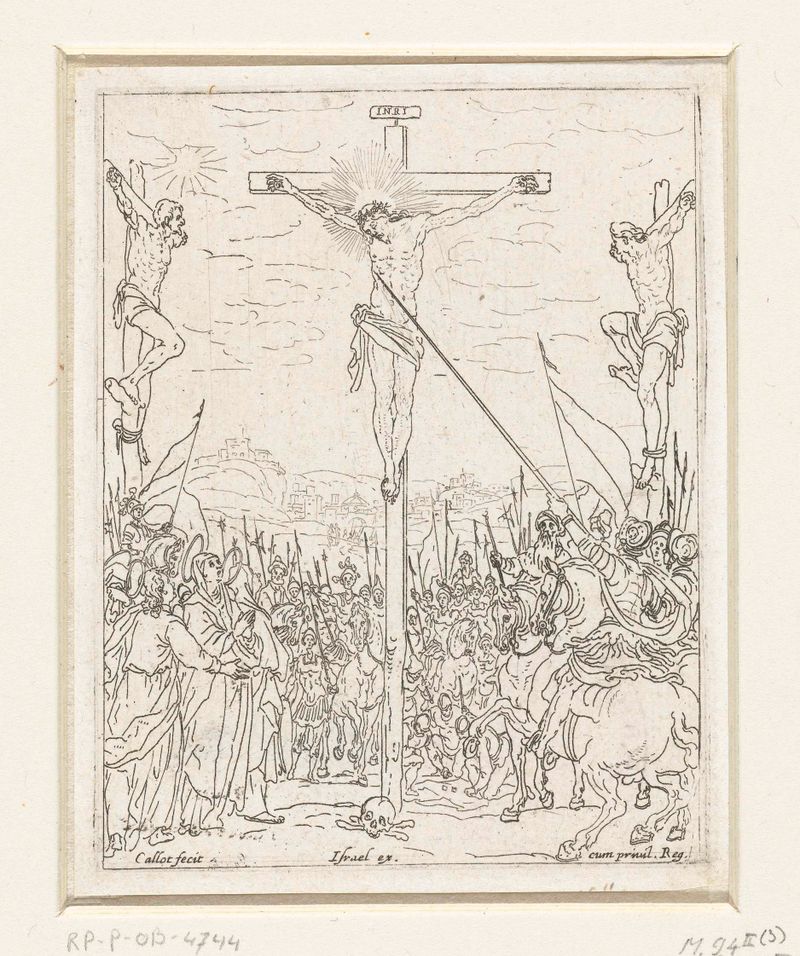
Kruisiging
Jacques Callot

De doortocht door de Rode Zee
Jacques Callot

De verloren zoon als zwijnenhoeder
Jacques Callot

Annunciatie
Jacques Callot
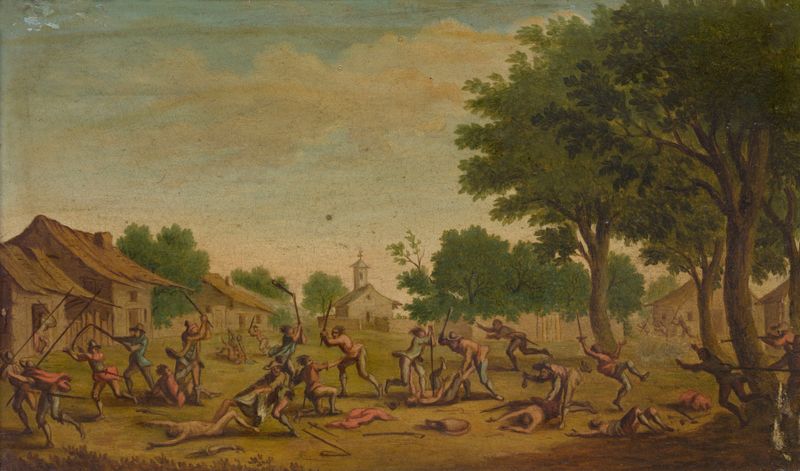
Village Fight
Jacques Callot

Titelprent voor prentreeks 'Het leven van Maria'
Jacques Callot
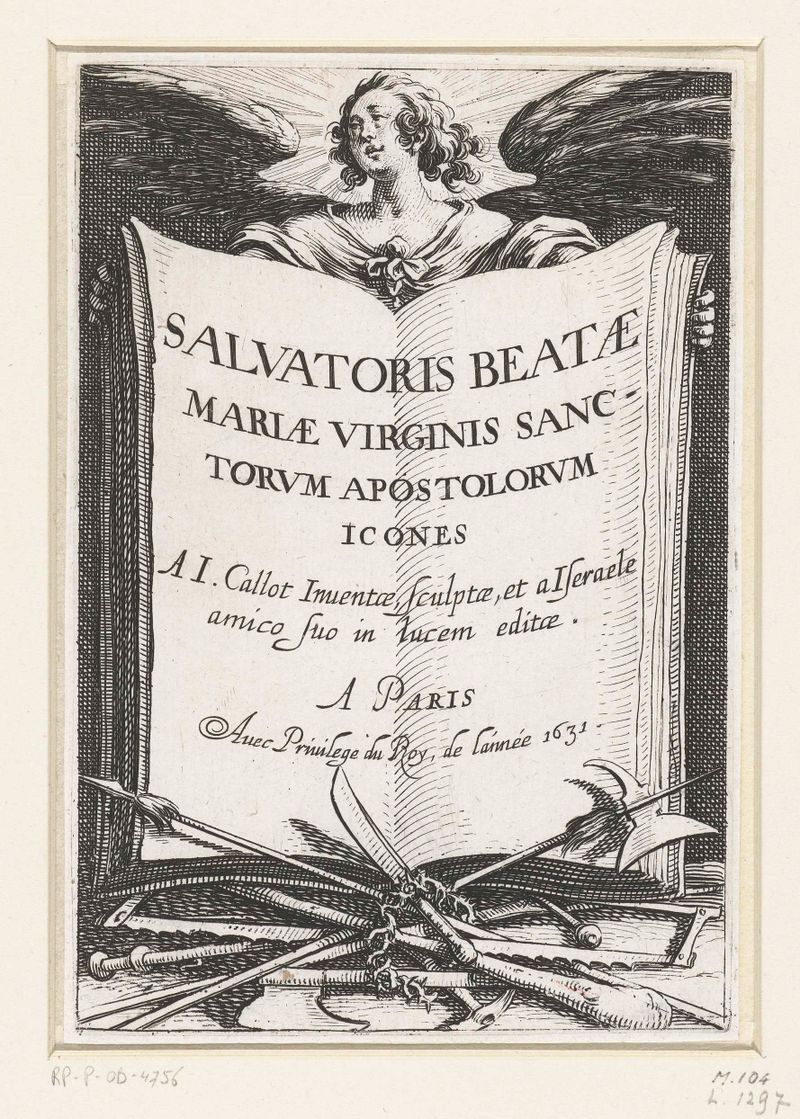
Titelprent voor de prentreeks 'De grote apostelen' (Christus, Maria en de apostelen)
Jacques Callot

Christus aan het volk getoond (Ecce homo)
Jacques Callot
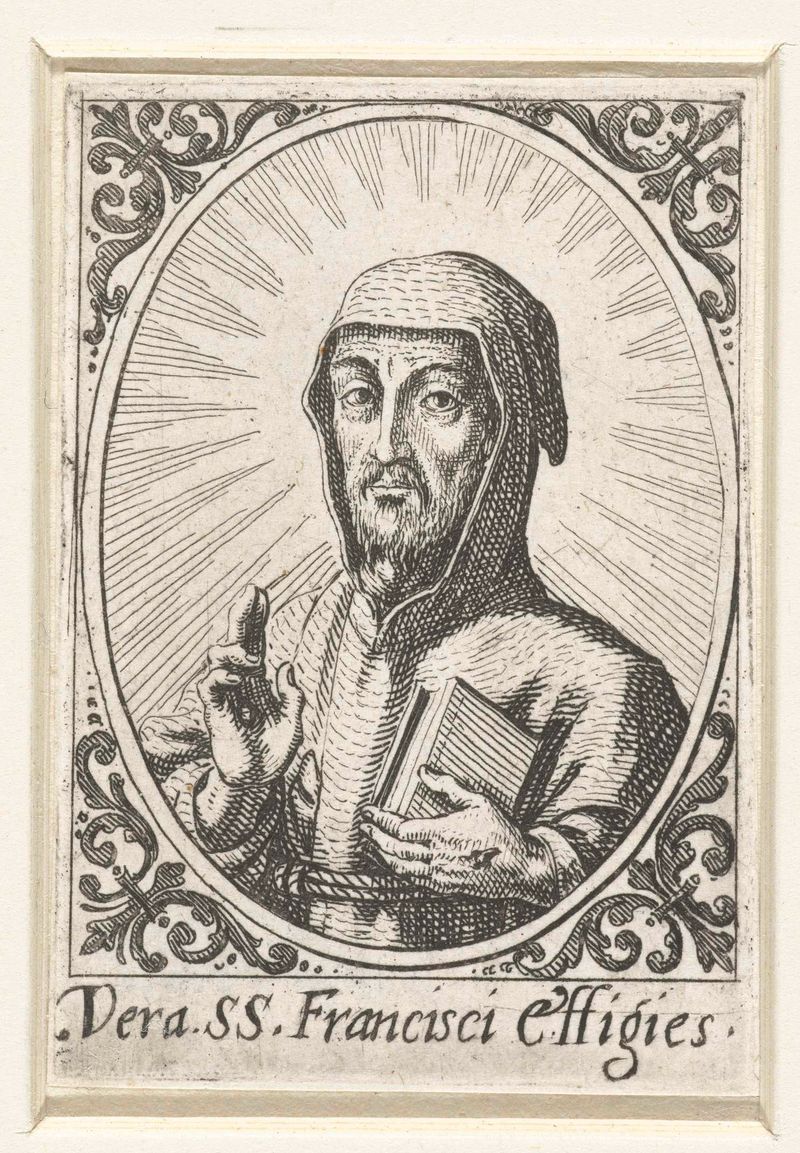
Portret van de Heilige Franciscus
Jacques Callot





