
Gezicht op de klif van Dover — History & Facts
Is this a mirror — or a memory? In Wenceslaus Hollar’s Gezicht op de klif van Dover, the cliffs rise dramatically against an expansive sky, evoking a sense of both permanence and change — a gateway between the known and the unknown. Focus on the imposing cliffs on the left, their rugged texture rendered with deft, sweeping lines that evoke both strength and fragility. To the right, the gentle lapping of waves contrasts sharply with the solidity of the land, their soft curves echoing the tumult of emotions beneath the surface. Notice how the light dances across the water, reflecting the subtle hues of blue and green, while soft, muted tones create a dreamy atmosphere, inviting contemplation about the passage of time and the inevitability of transformation. Hidden within the stark beauty of this landscape lies a dialogue between nature and human experience.
The cliffs, symbols of endurance, stand steadfast against the relentless sea, perhaps suggesting resilience in the face of change. Conversely, the gentle waves imply a sense of transience, reminding us that nothing remains constant. This tension encapsulated in the interplay of light and shadow draws the viewer into a deeper understanding of the forces shaping our lives and memories. Wenceslaus Hollar created this work between 1625 and 1677, during a time of significant upheaval in Europe.
Settled in England after leaving his native Prague, Hollar was immersed in the vibrant artistic scenes of the time, influenced by both the Baroque style and a burgeoning interest in landscapes. His experiences living in a new country amid the complexities of the era profoundly informed his artistry, as reflected in this evocative piece.
More Artworks by Wenceslaus Hollar
Browse all →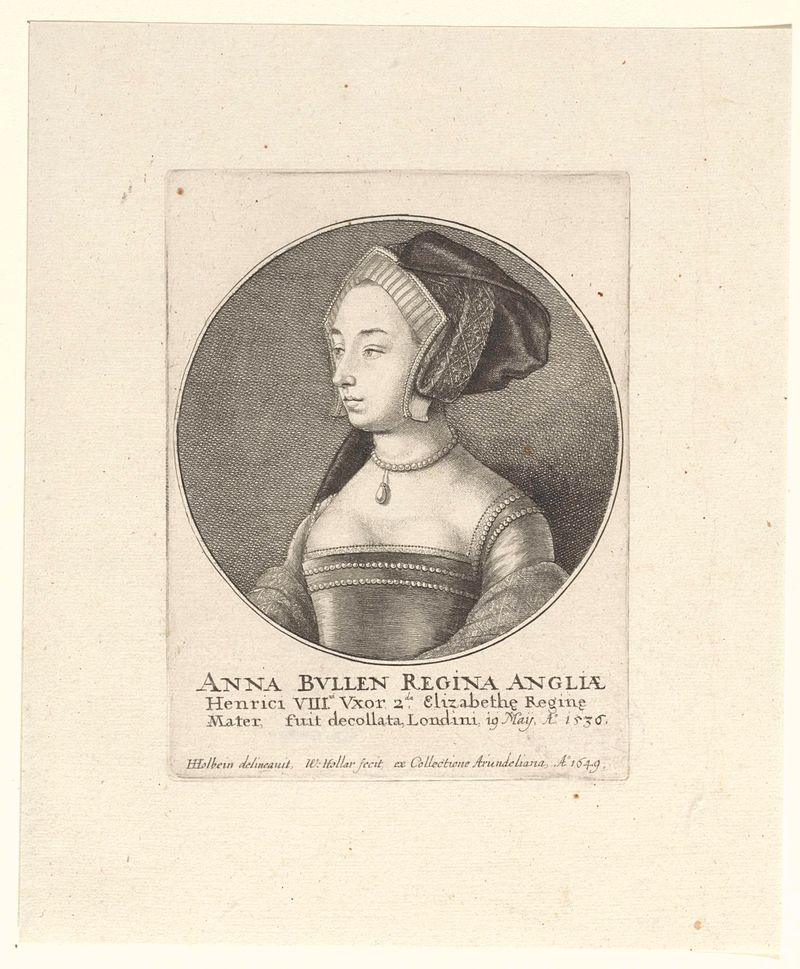
Portret van Anna Boleyn, koningin van Engeland
Wenceslaus Hollar
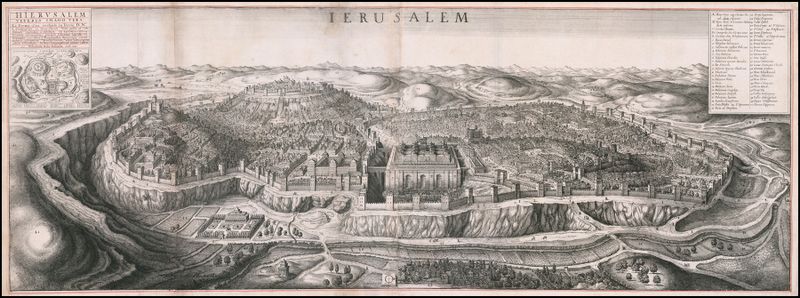
Bird’s eye view of Jerusalem
Wenceslaus Hollar
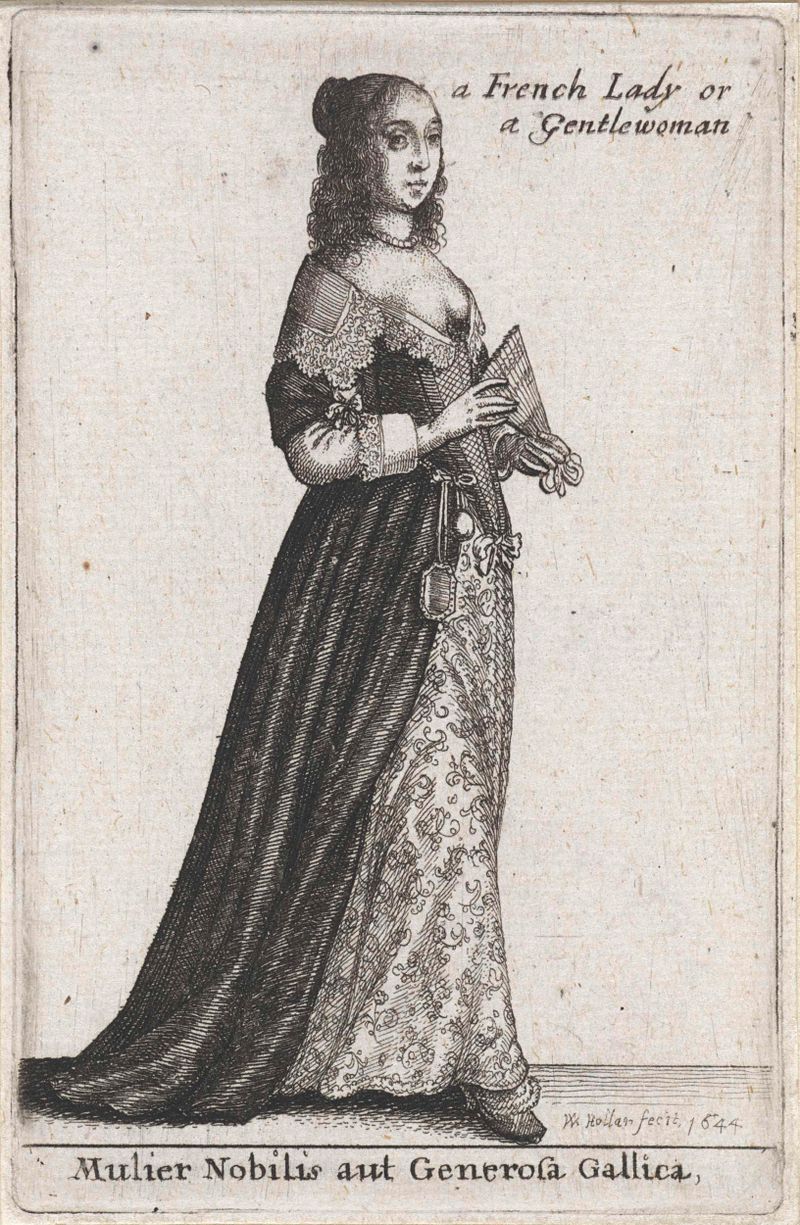
Mulier Nobilis aut Generosa Gallica / a French Lady or Gentlewoman
Wenceslaus Hollar
Titelprent voor: Ornatus Muliebris Anglicanus
Wenceslaus Hollar
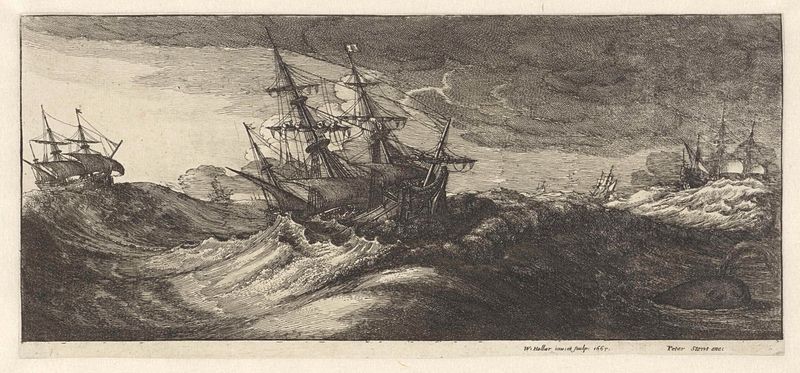
Oorlogsschepen en een walvis in een zeestorm
Wenceslaus Hollar
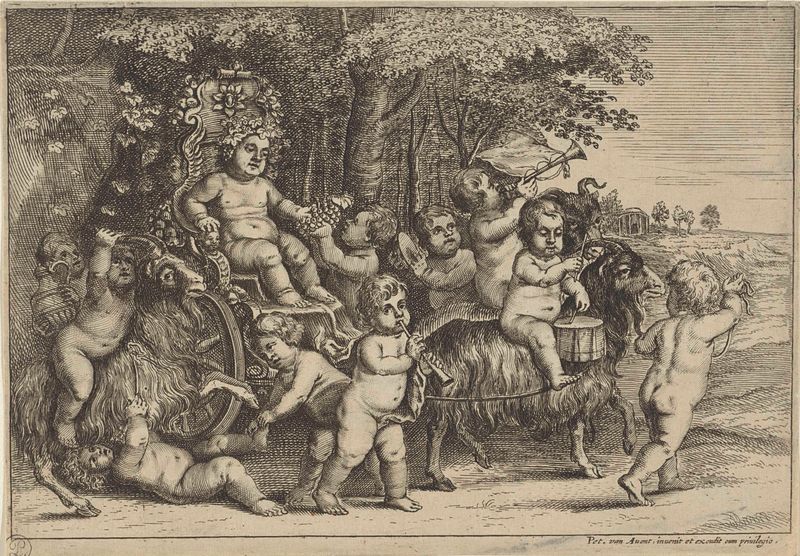
Optocht van bacchant en jongetjes op geiten
Wenceslaus Hollar
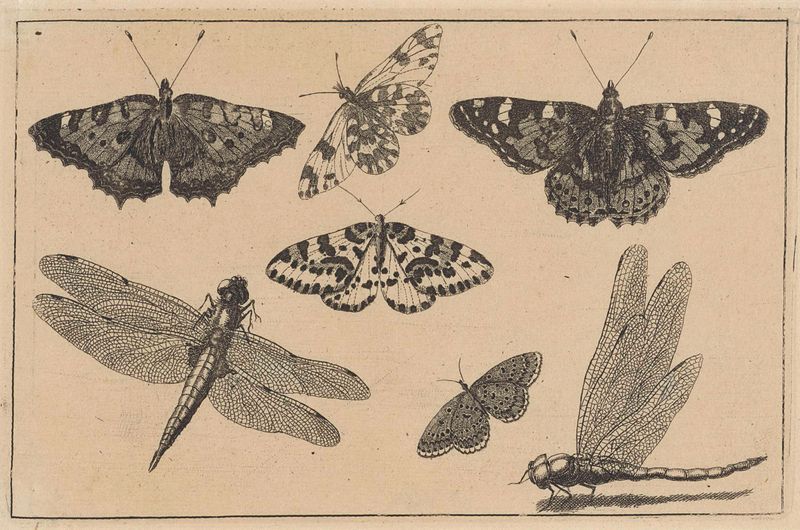
Twee libellen en vijf vlinders
Wenceslaus Hollar
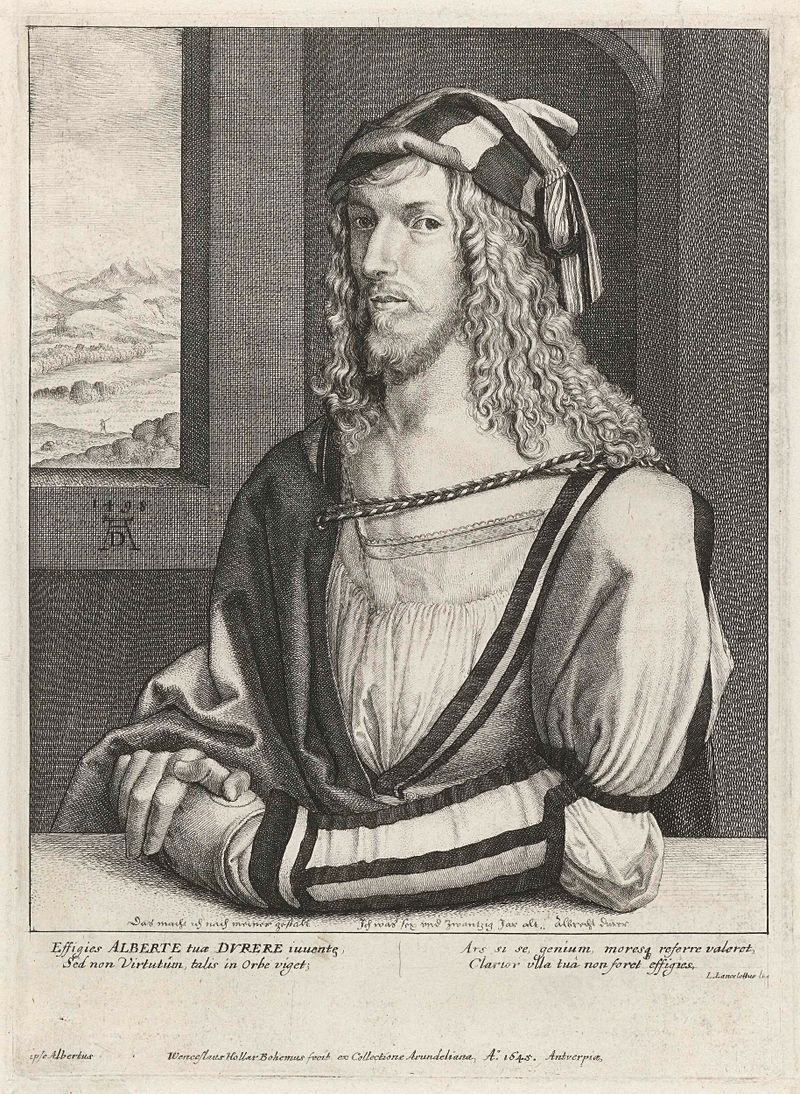
Portret van Albrecht Dürer
Wenceslaus Hollar
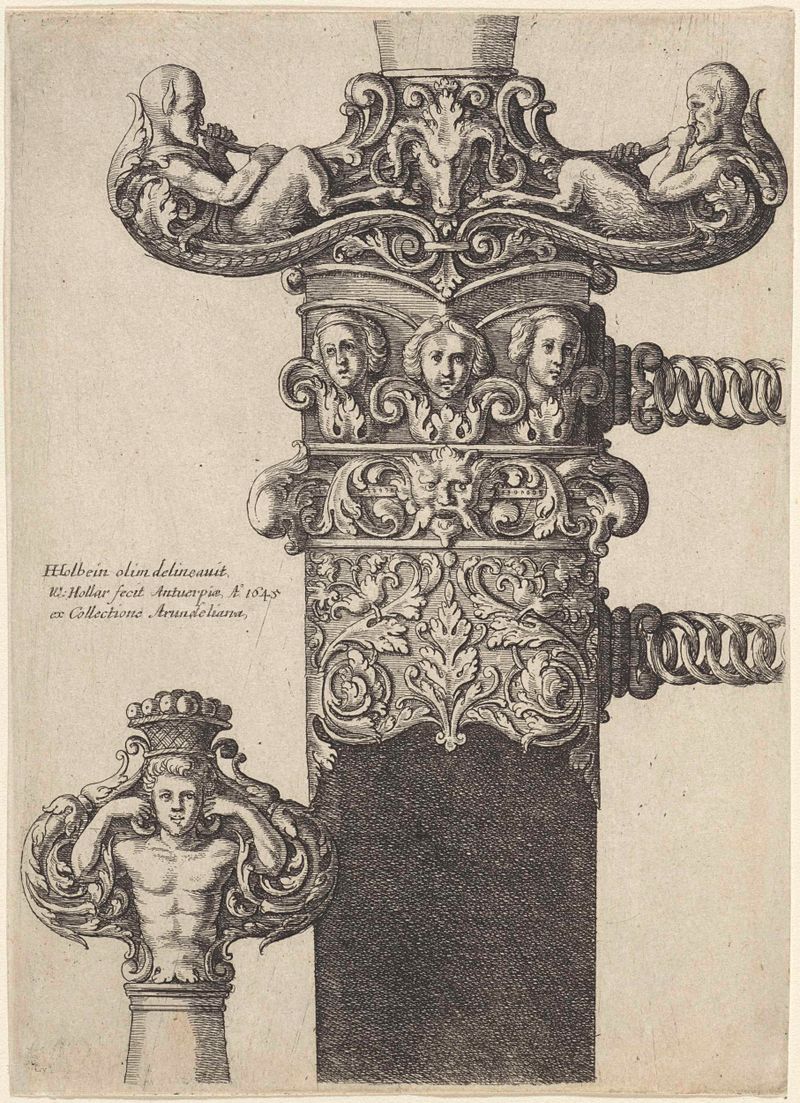
Ornamenteel ontwerp voor een dolk
Wenceslaus Hollar
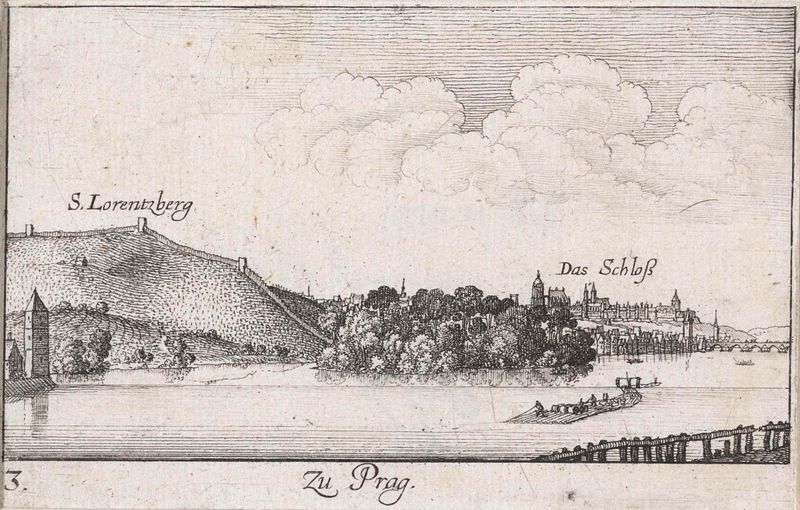
Gezicht op Praag vanaf de Moldau
Wenceslaus Hollar





