Gezicht op de Seringenberg op landgoed de Raephorst De Raephorst — History & Analysis
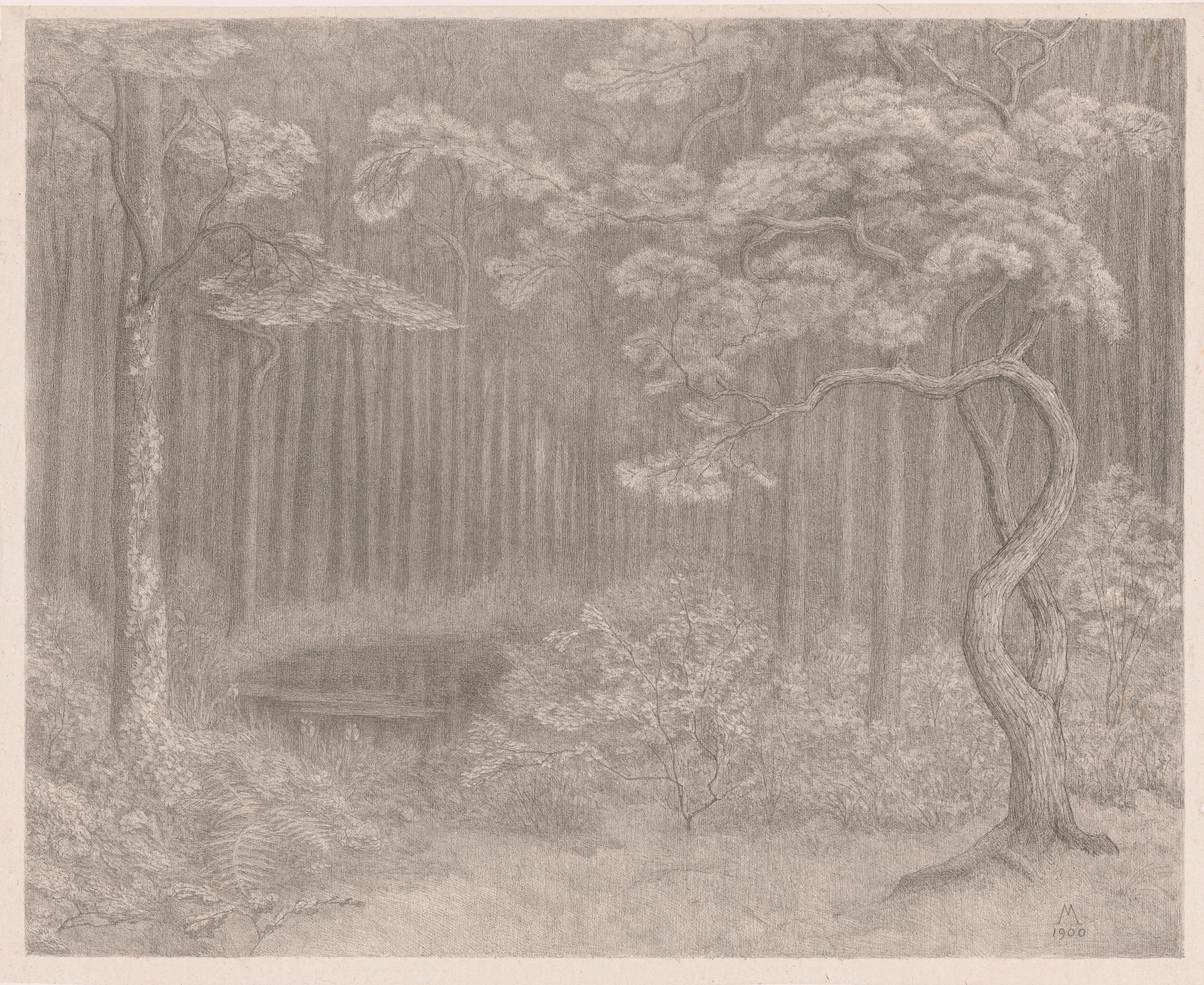
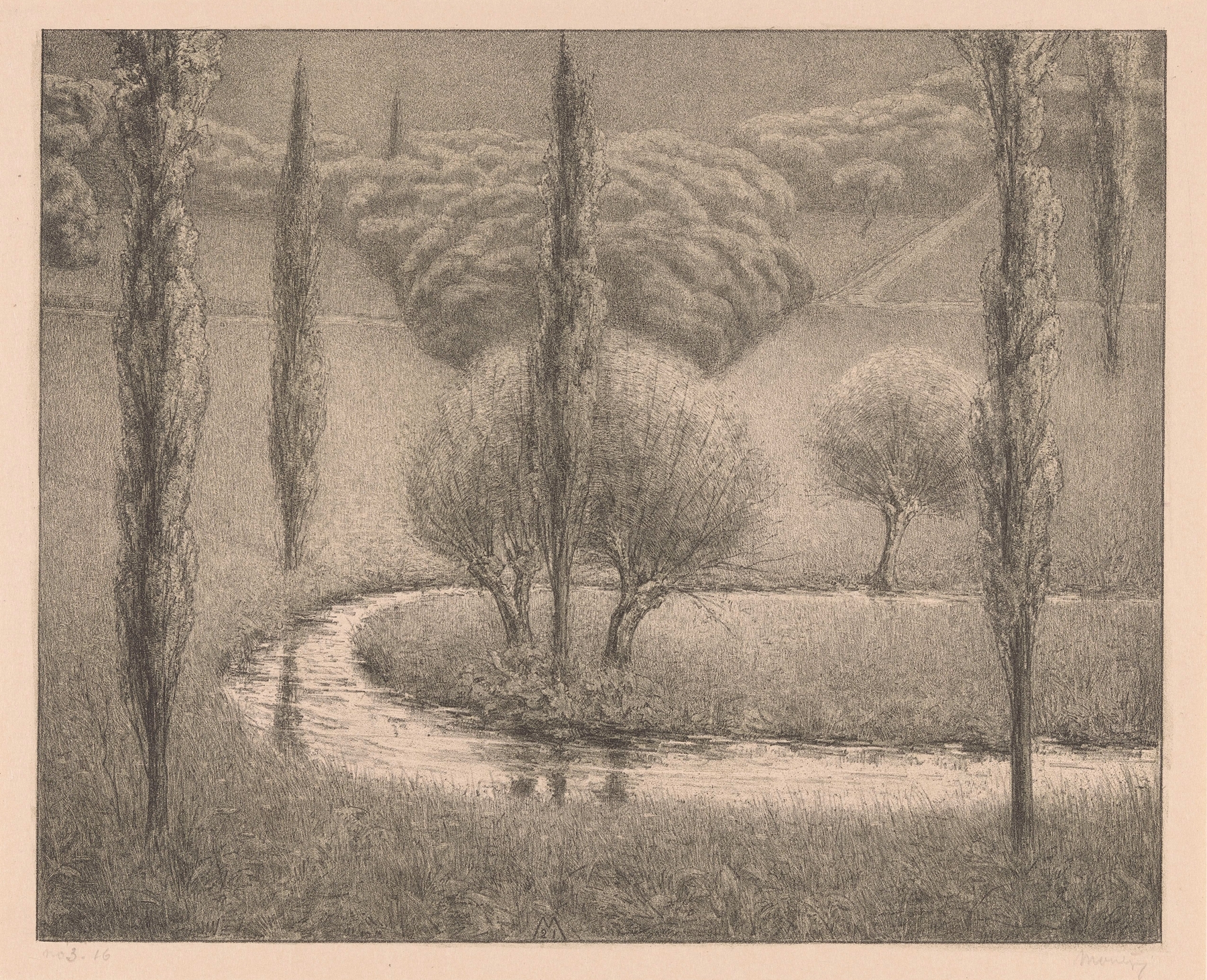
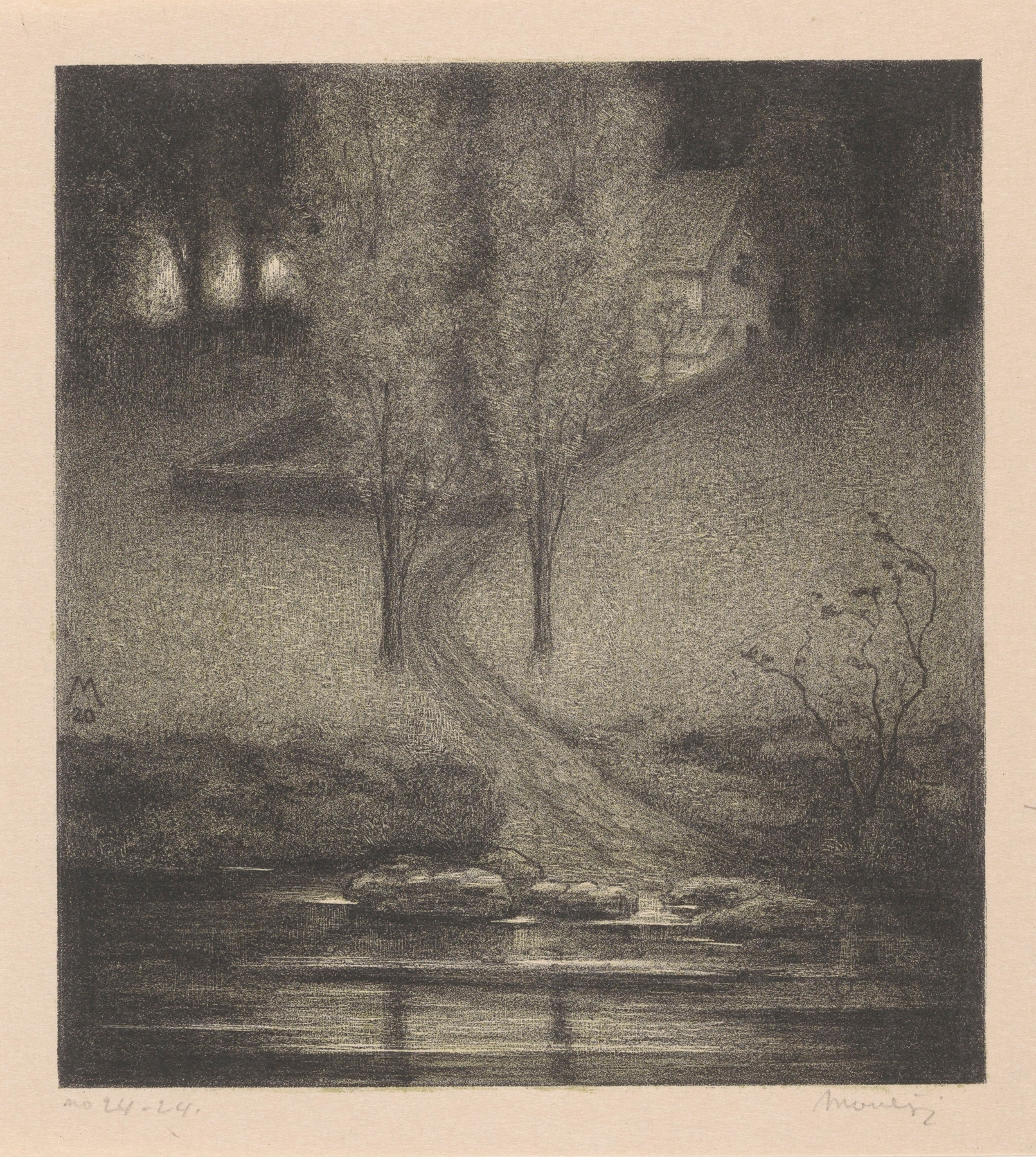
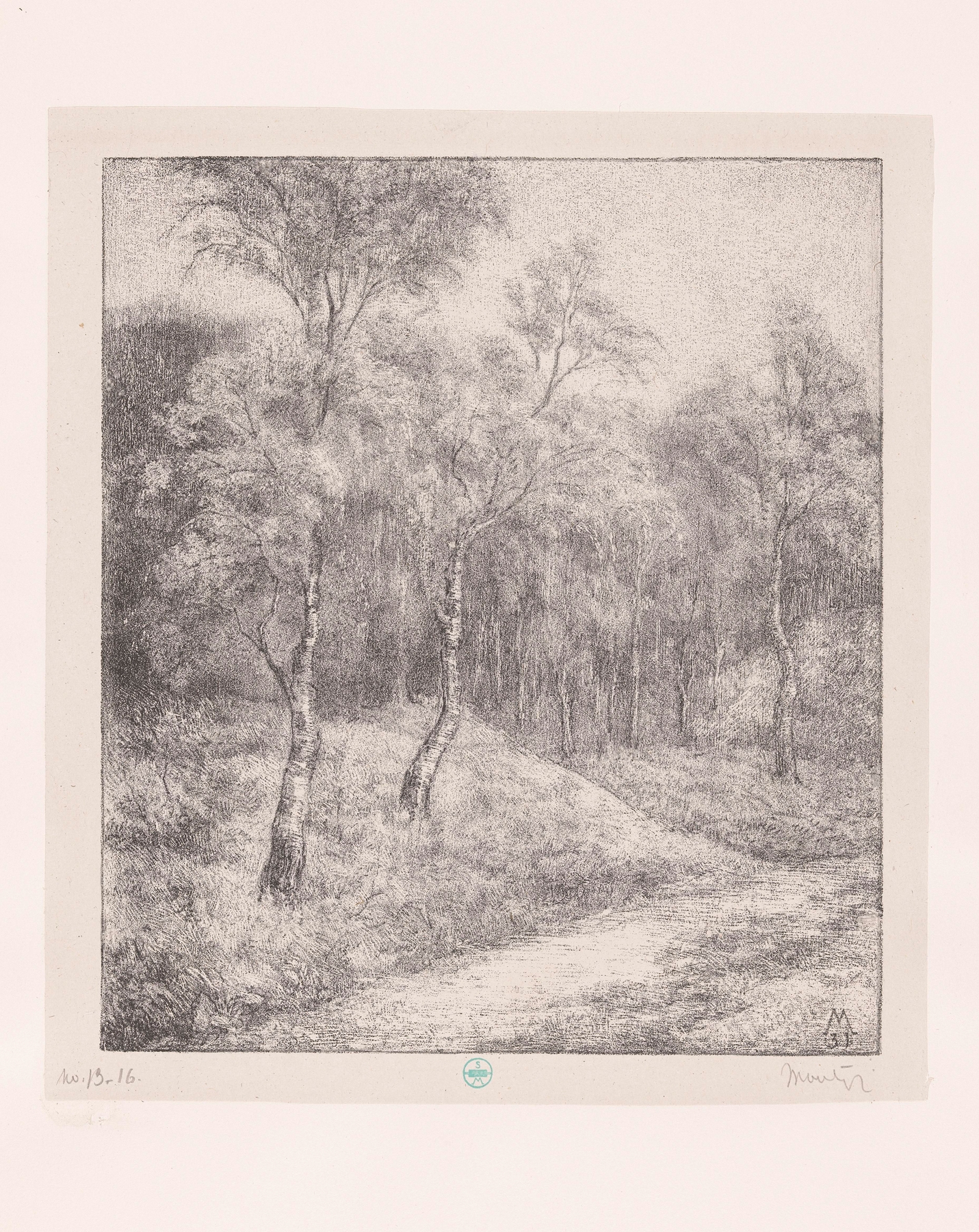
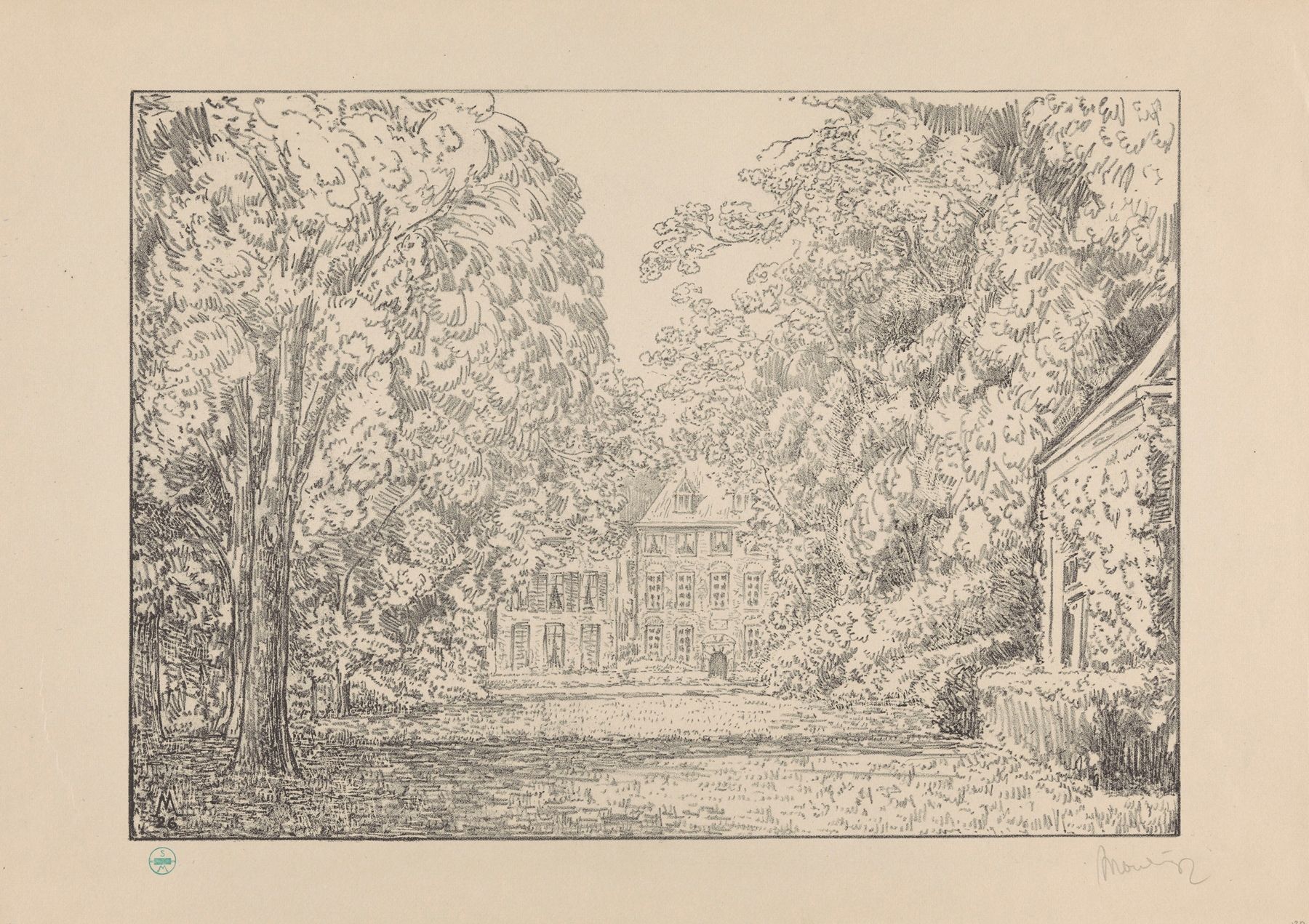
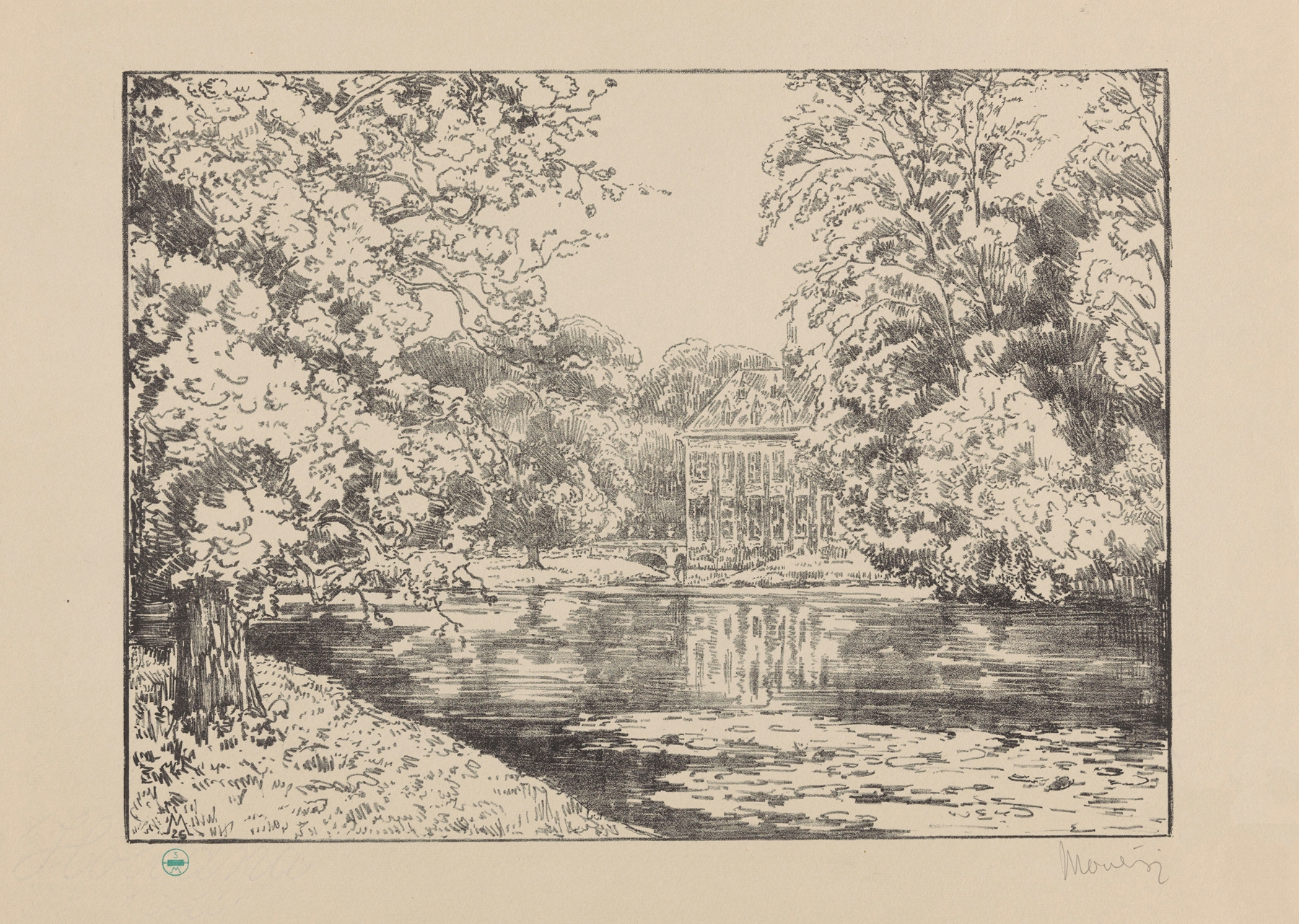
Where does light end, and longing begin? In the tranquil embrace of nature, the interplay between light and shadow invites introspection and awe. Look to the left at the vibrant clusters of lilacs, their delicate petals unfolding like whispered secrets. The painter employs a soft palette of purples and greens, each brushstroke capturing the fleeting moment of early bloom. Notice how the sunlight drapes over the landscape, creating a harmonious dance of illumination that beckons the viewer to wander.
The gentle undulations of the terrain guide your gaze across the canvas, seamlessly blending the foreground with the horizon. Yet, beneath this serene surface lies a tension between the ephemeral and the eternal. The lilacs, in their fleeting beauty, symbolize the transient nature of time, while the steadfast trees that frame the background echo a sense of permanence. The light, warm and inviting, seems to cradle the scene, but its very brilliance hints at the inevitability of change.
Each element encapsulates the delicate balance between presence and absence, a bittersweet reminder of what is transient in life. In 1929, Simon Moulijn created this work on the estate of De Raephorst, a period marked by artistic exploration in the Netherlands. He was deeply engaged with the Dutch landscape tradition, seeking to capture not just the physical beauty but also the emotional resonance of his surroundings. During this time, the art world was transitioning, embracing modernist influences while still honoring the past, a duality that echoes throughout this enchanting piece.