
Gezicht op de Zuiderzee met zeilschepen — History & Facts
Did the painter know this moment would outlive them? In the canvas of Gezicht op de Zuiderzee met zeilschepen, time stands still, preserving an idyllic view that dances between the ephemeral and the eternal. Focus on the shimmering water that stretches across the lower half of the painting, reflecting the soft blues of the sky above. Look to the left, where a cluster of billowing sails catch the gentle breeze, their white hues contrasting beautifully against the deepening navy of the horizon. Notice the delicate interplay of light and shadow — how it defines both the sails and the distant shoreline, creating a harmonious balance that draws the eye across the scene.
Hollar’s skilled etching technique captures every ripple, infusing life into the otherwise tranquil composition. Beneath the serene surface lies a tension between man and nature. The vessels, though skillfully navigating the waters, seem dwarfed by the vast expanse of the sky, suggesting humanity’s humble place within the grandeur of the natural world. The shadows cast by the clouds hint at the impermanence of the moment, a fleeting glimpse of life on the water that resonates with both beauty and melancholy.
This duality speaks to the constant interplay of light and darkness, evoking a deeper reflection on existence itself. In 1635, Wenceslaus Hollar was living in the Netherlands, a period marked by artistic exploration and burgeoning trade. As a skilled engraver and draftsman, he was capturing the evolving landscapes of a thriving maritime culture. This work, emerging from a time of great transformation, reflects not only Hollar's deft artistry but also the broader currents of change shaping both art and society.
More Artworks by Wenceslaus Hollar
Browse all →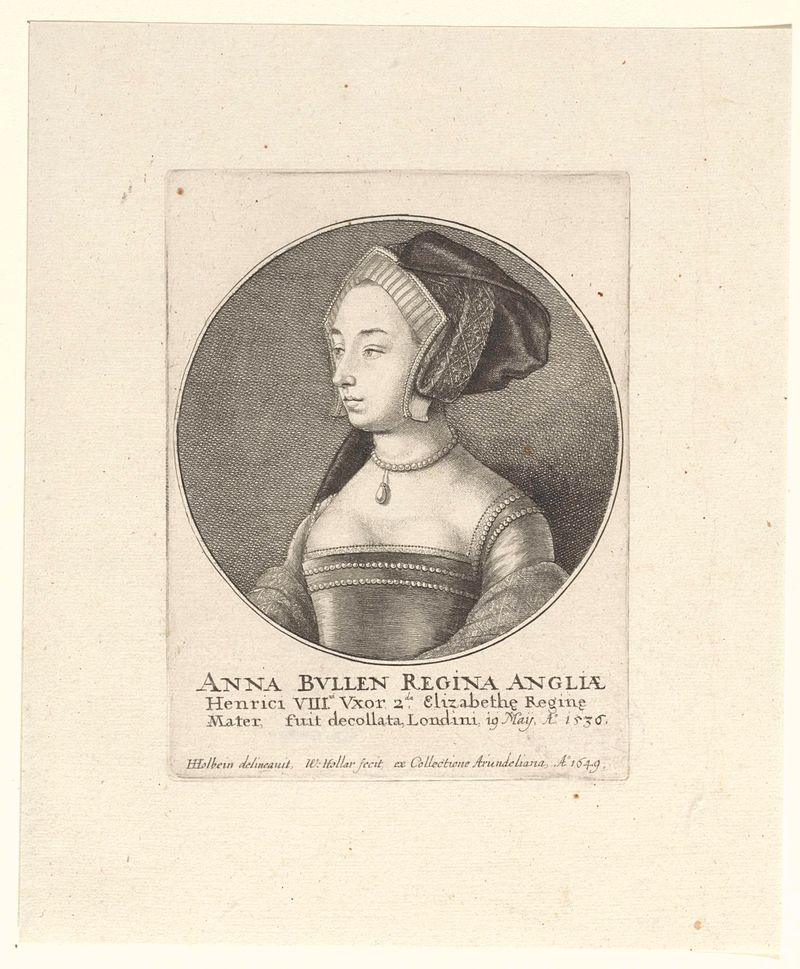
Portret van Anna Boleyn, koningin van Engeland
Wenceslaus Hollar
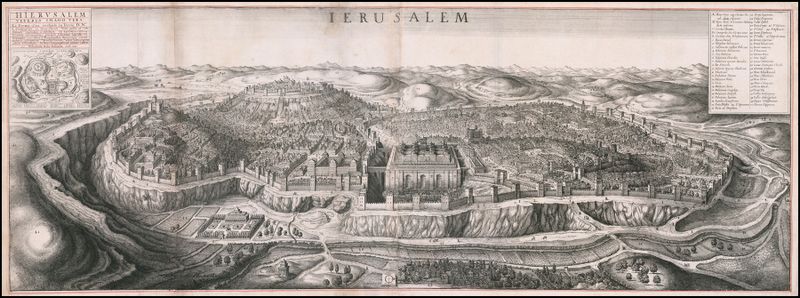
Bird’s eye view of Jerusalem
Wenceslaus Hollar
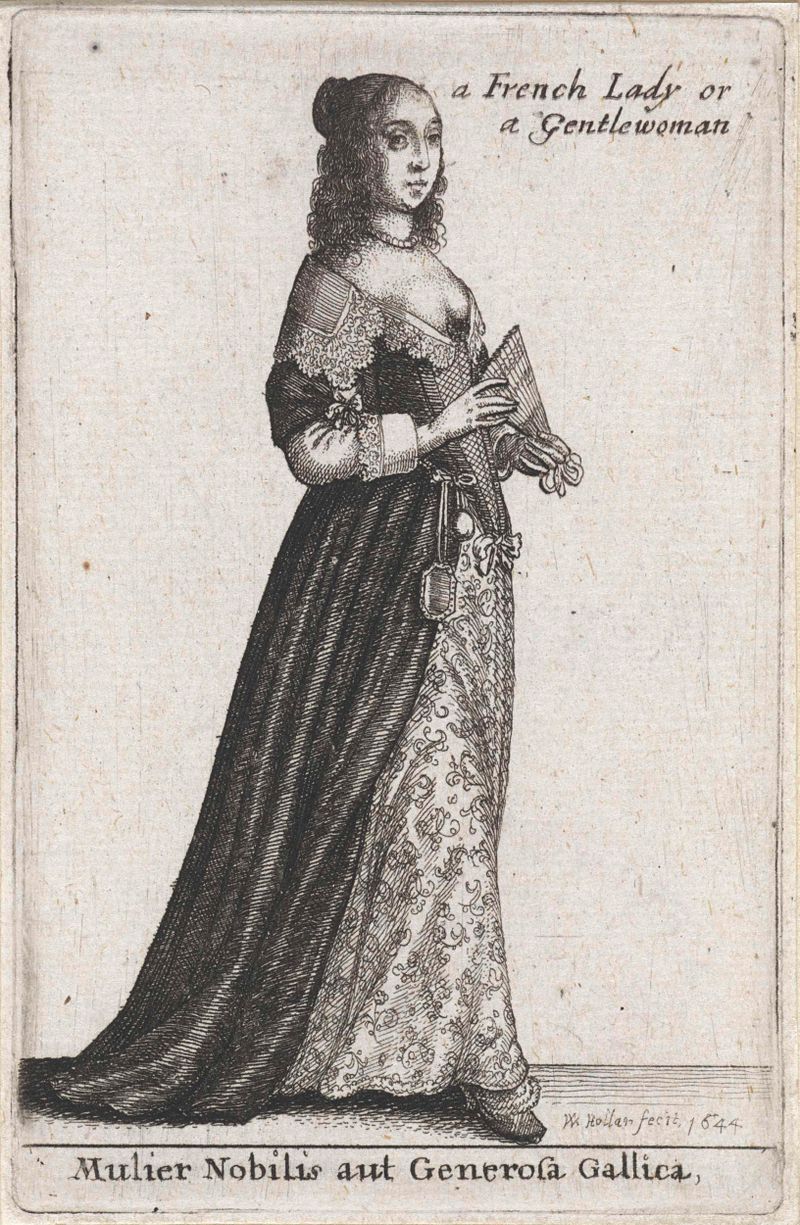
Mulier Nobilis aut Generosa Gallica / a French Lady or Gentlewoman
Wenceslaus Hollar
Titelprent voor: Ornatus Muliebris Anglicanus
Wenceslaus Hollar
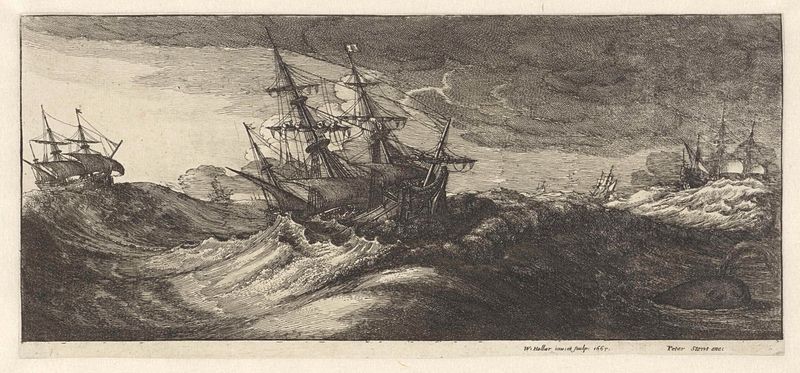
Oorlogsschepen en een walvis in een zeestorm
Wenceslaus Hollar
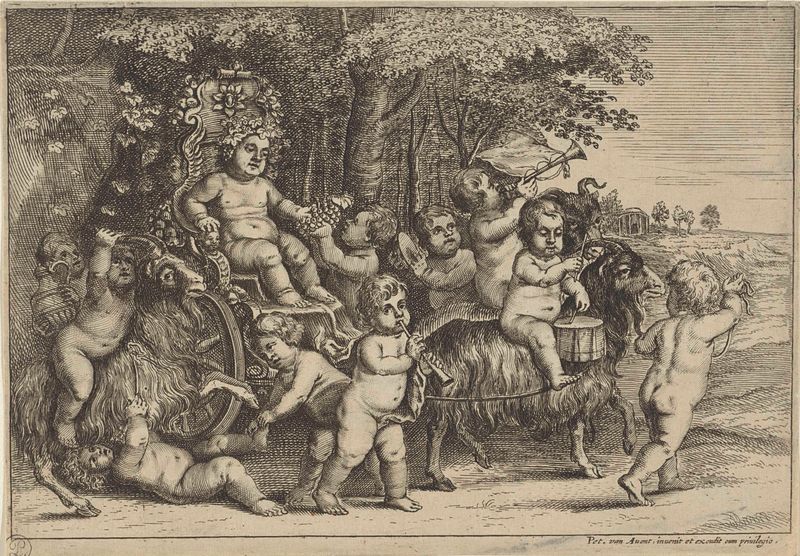
Optocht van bacchant en jongetjes op geiten
Wenceslaus Hollar
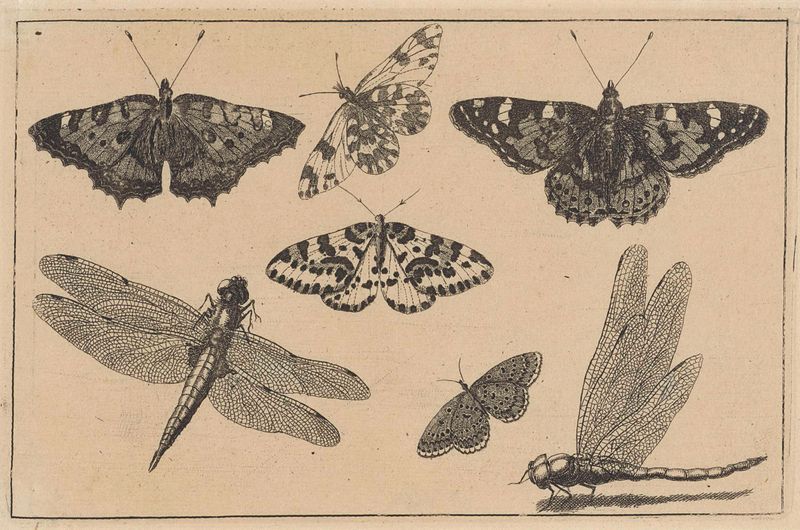
Twee libellen en vijf vlinders
Wenceslaus Hollar
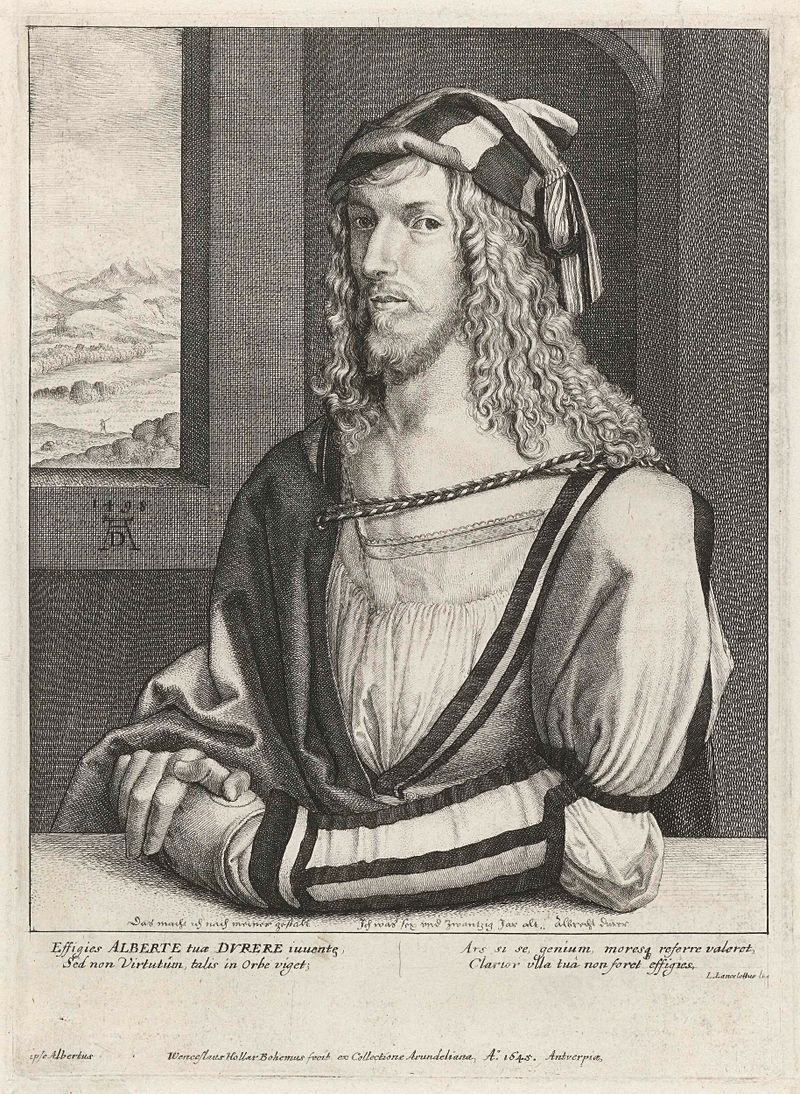
Portret van Albrecht Dürer
Wenceslaus Hollar
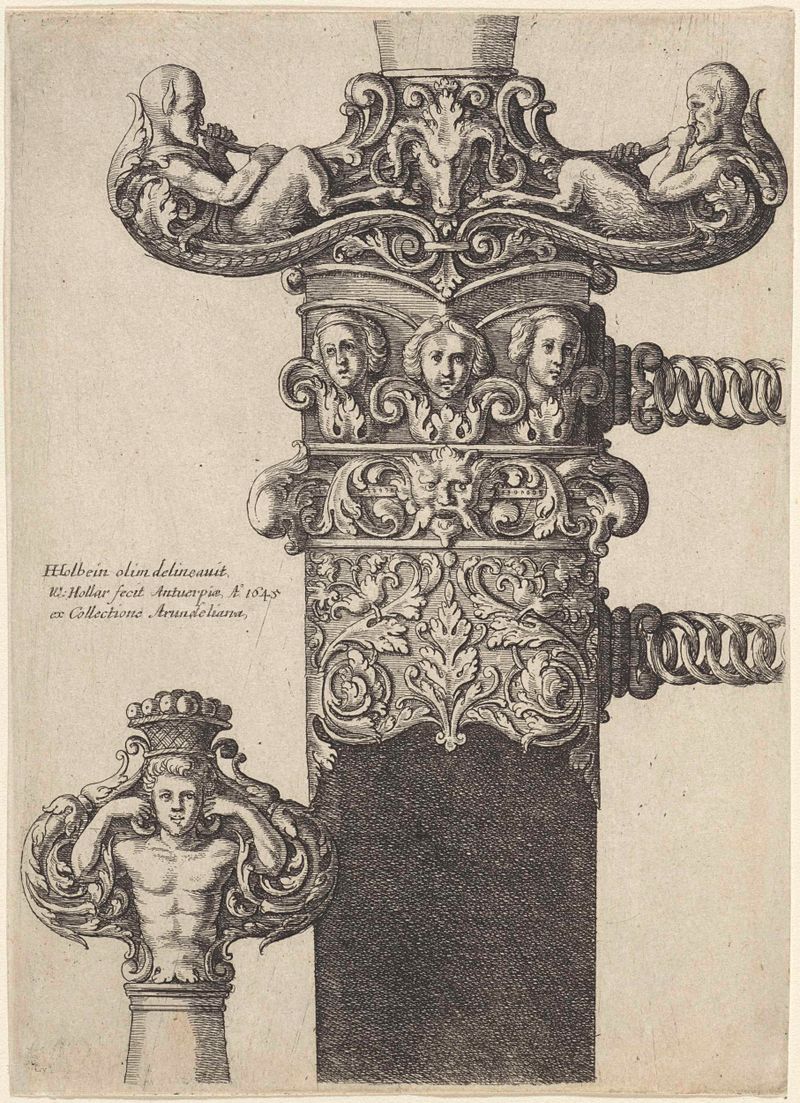
Ornamenteel ontwerp voor een dolk
Wenceslaus Hollar
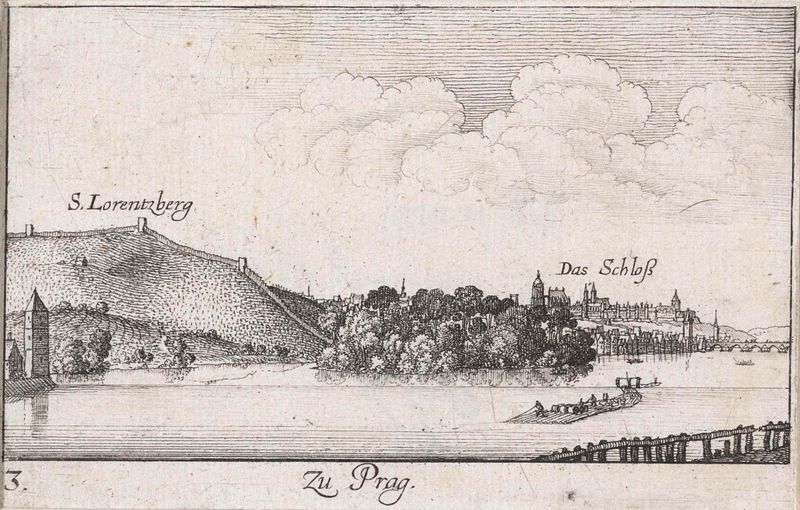
Gezicht op Praag vanaf de Moldau
Wenceslaus Hollar





