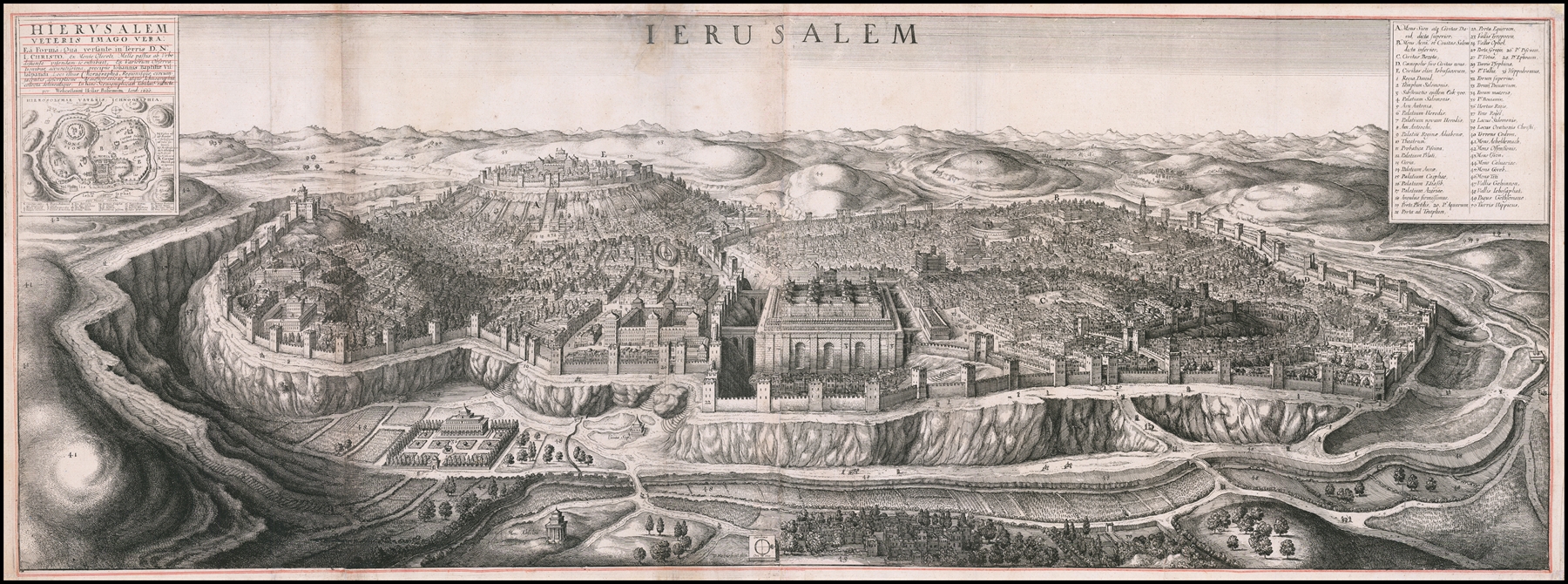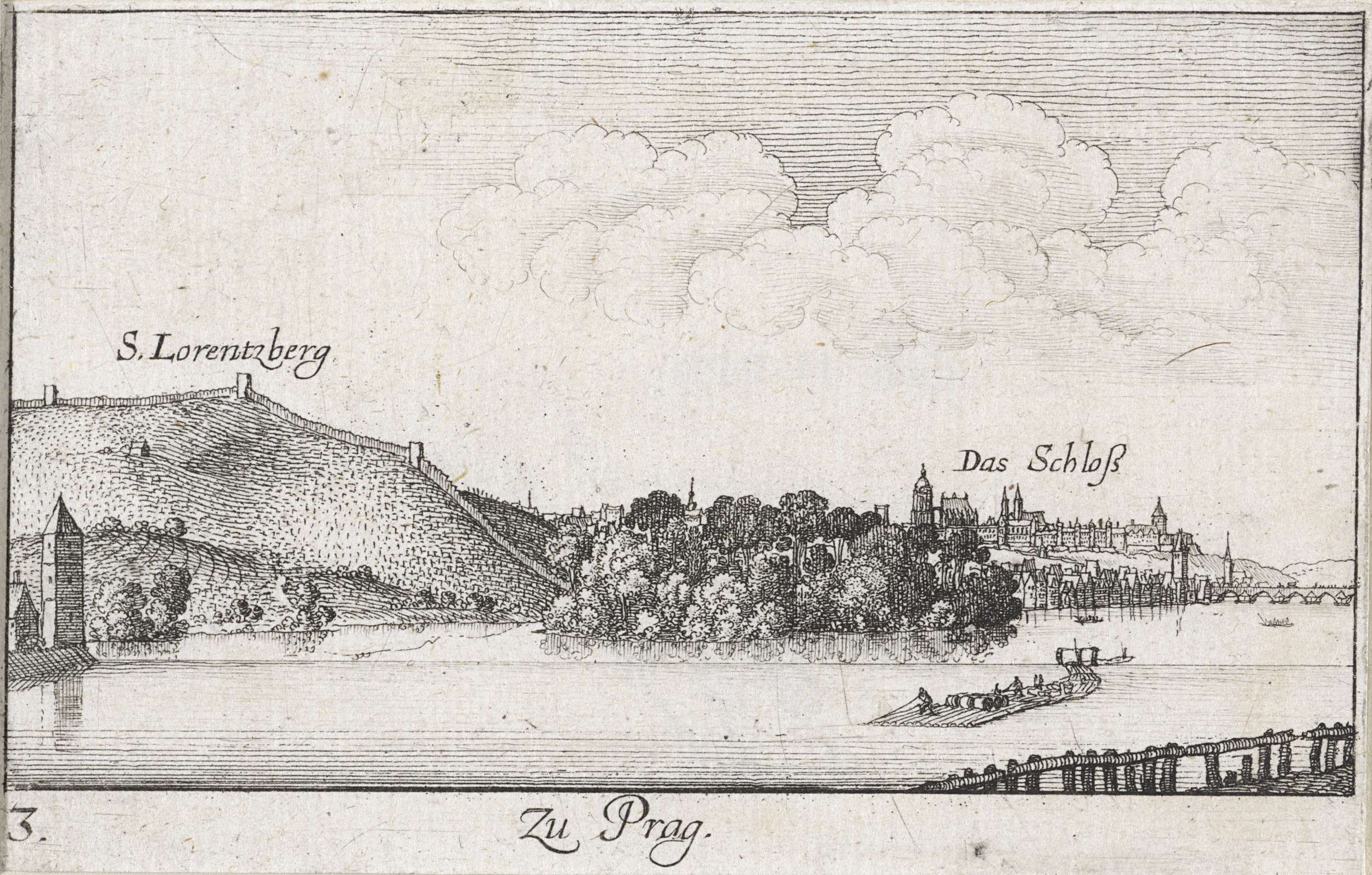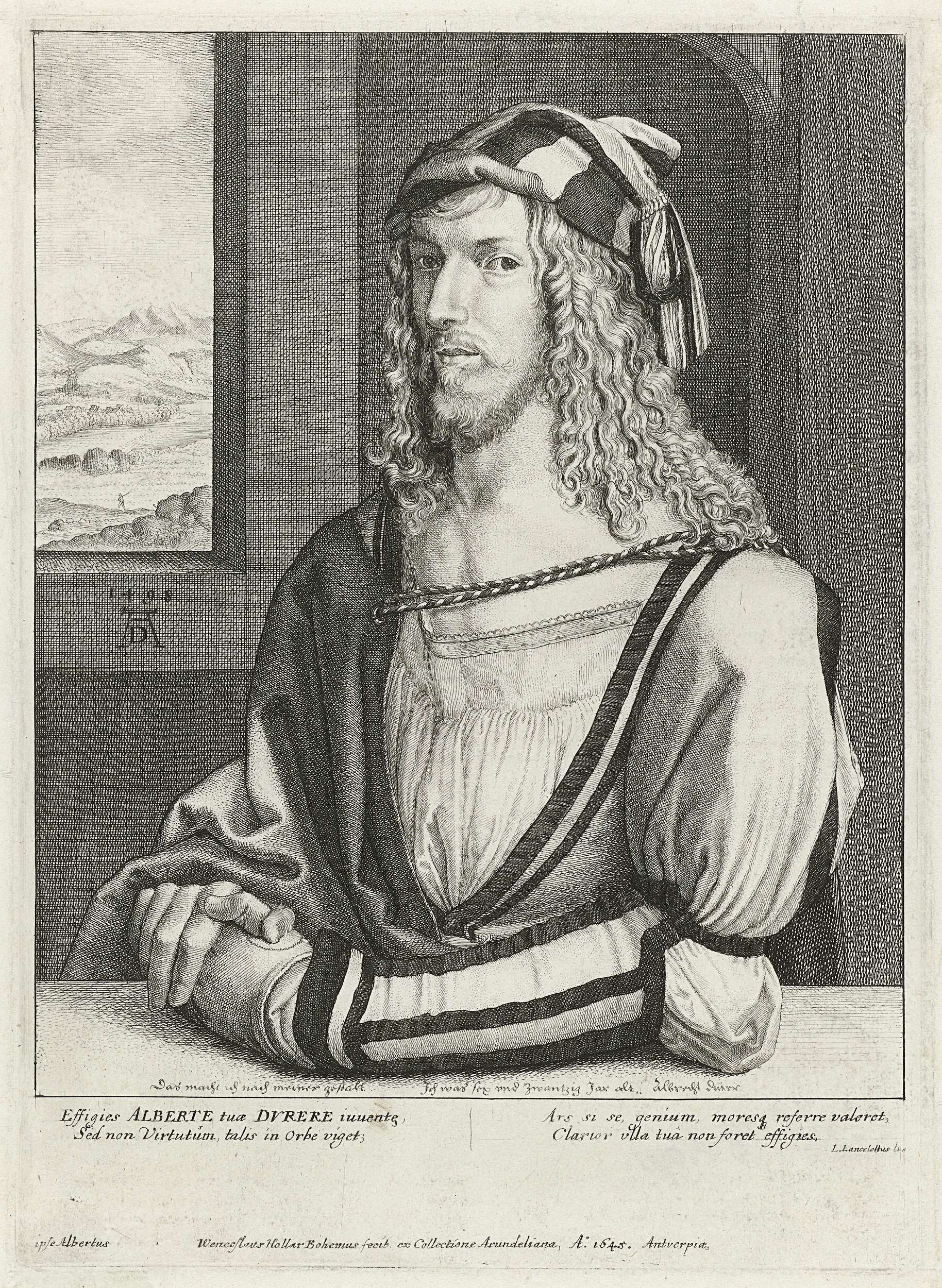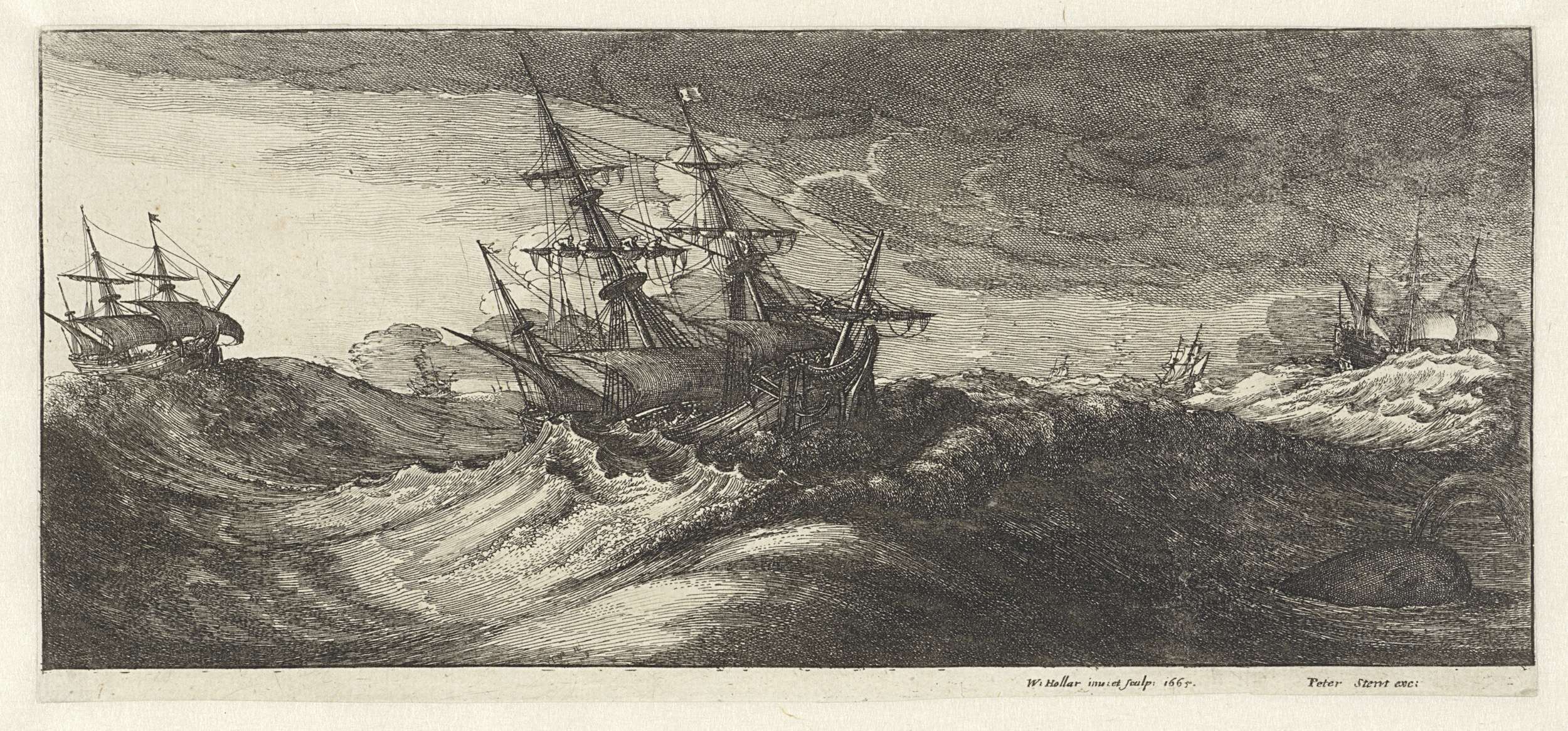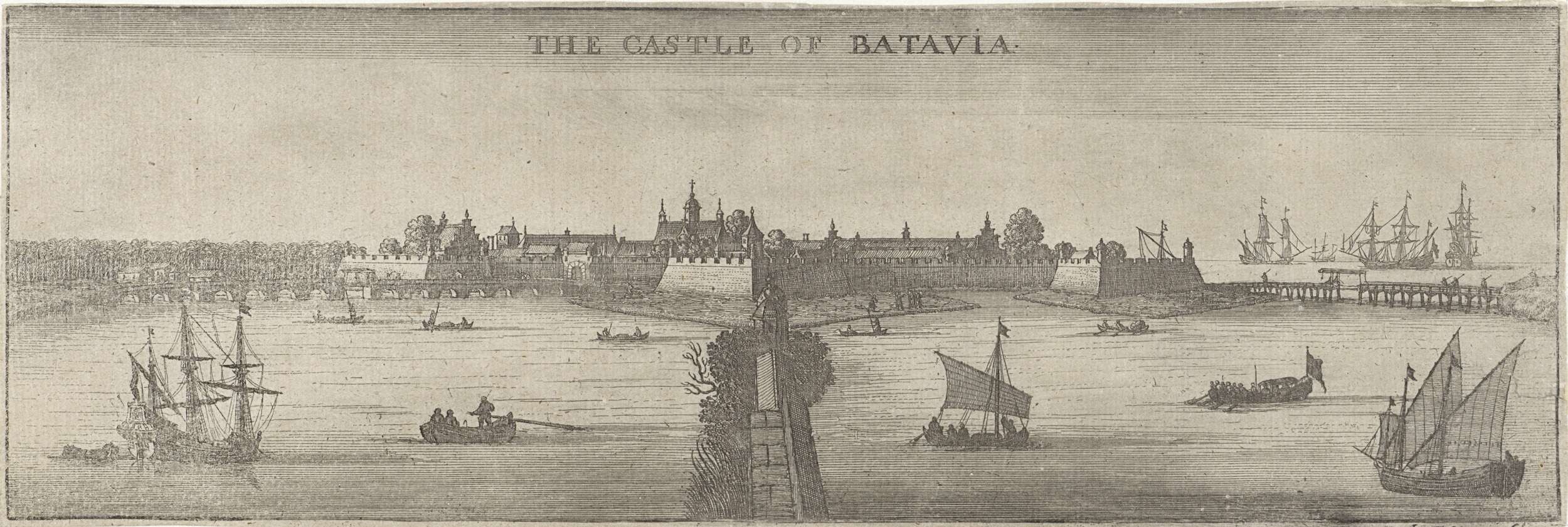
“The canvas doesn’t lie — it simply waits.” In a world where chaos often reigns, the stillness of a painting invites contemplation and balance, urging us to pause and appreciate the harmony of creation. Focus on the serene landscape that unfolds before you. Look to the left, where a majestic castle rises against a clear sky, its towers reaching upward as if embracing the heavens. Notice how the artist’s delicate line work outlines the architecture, each stroke meticulously crafted to convey both strength and elegance. The muted palette of greens and browns balances the vibrant blue of the water, creating a visual dance that leads the eye across the canvas. Amidst this tranquility lies an intricate interplay of light and shadow, evoking a sense of depth and dimension. The water reflects the castle with a gentleness that contrasts the firmness of its stone walls, symbolizing the duality of power and vulnerability. The surrounding nature, lush yet restrained, suggests a coalescence of humanity and the natural world, inviting the viewer to contemplate their own place within this balance. In 1669, Wenceslaus Hollar painted this piece during his time in the Netherlands, a period marked by both personal struggles and artistic exploration. As a printmaker and draughtsman, he captured landscapes that spoke to the heart of Baroque sensibilities, reflecting the changing tides of European art and society. In this work, Hollar does not merely depict a location; he encapsulates an essence, a moment where the physical and the spiritual converge.