
Gezicht op Keulen met molen op voorgrond — History & Facts
In moments of silence, the heart finds its voice, whispering secrets through the strokes of a brush or the etch of a line. It is within this stillness that the essence of a place, captured in time, unfolds. Focus first on the tranquil river, where its glassy surface reflects both the grandeur of Cologne’s skyline and the simple yet bold windmill in the foreground. Hollar’s meticulous detailing draws you in—the precise lines and subtle shading breathe life into the architecture, contrasting the delicate clouds that float above.
The muted palette, dominated by soft blues and earthy browns, creates a serene atmosphere, inviting contemplation rather than chaos. Yet beneath this calm exterior lies a tension between the human and natural worlds. The windmill stands as a testament to industriousness amidst the serene landscape, embodying a harmony that suggests both progress and the passage of time. The distant towers of Cologne, though majestic, appear almost ghostly, hinting at a forgotten past as they loom over the scene.
This juxtaposition reflects a world in transition, where human endeavors and nature intertwine, creating an unsettling beauty. Wenceslaus Hollar created this etching in 1635 while living in Amsterdam, having fled the turmoil of the Thirty Years' War in his native Bohemia. During this period, he was deeply immersed in the art of printmaking, capturing landscapes and urban scenes with remarkable precision. His works often mirrored the experiences and upheavals of his time, encapsulating a moment of profound stillness amid a world rife with change.
More Artworks by Wenceslaus Hollar
Browse all →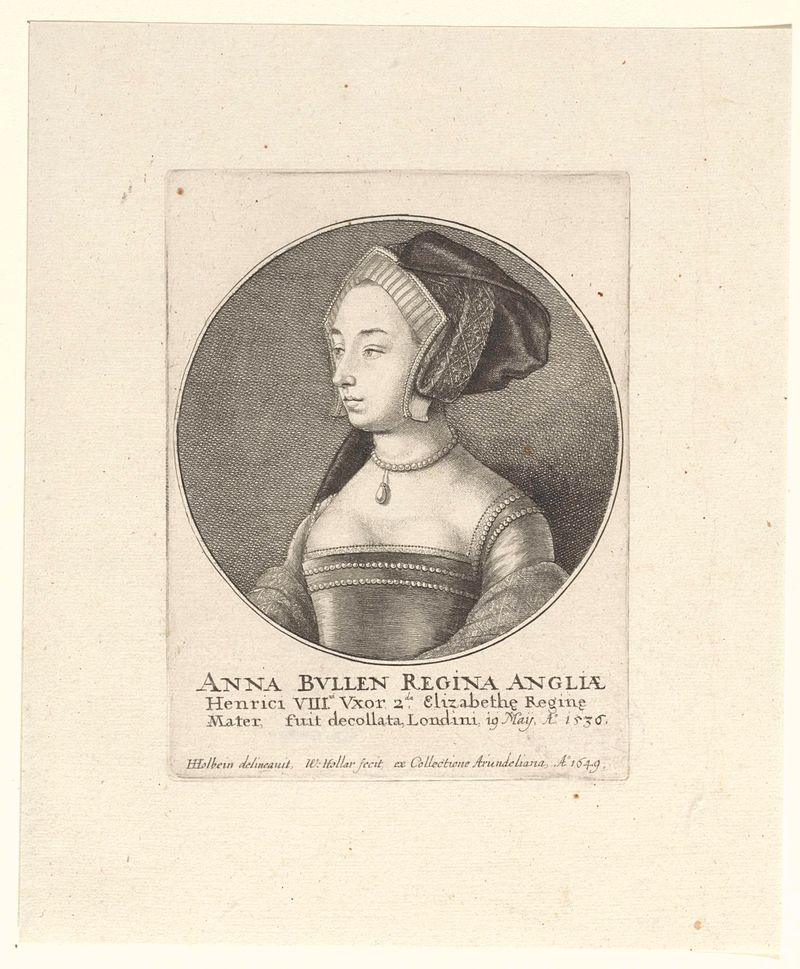
Portret van Anna Boleyn, koningin van Engeland
Wenceslaus Hollar
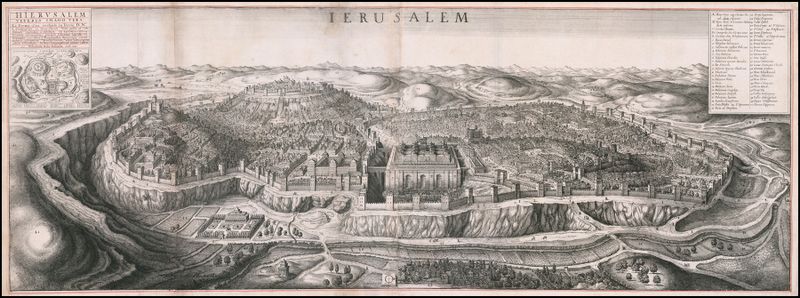
Bird’s eye view of Jerusalem
Wenceslaus Hollar
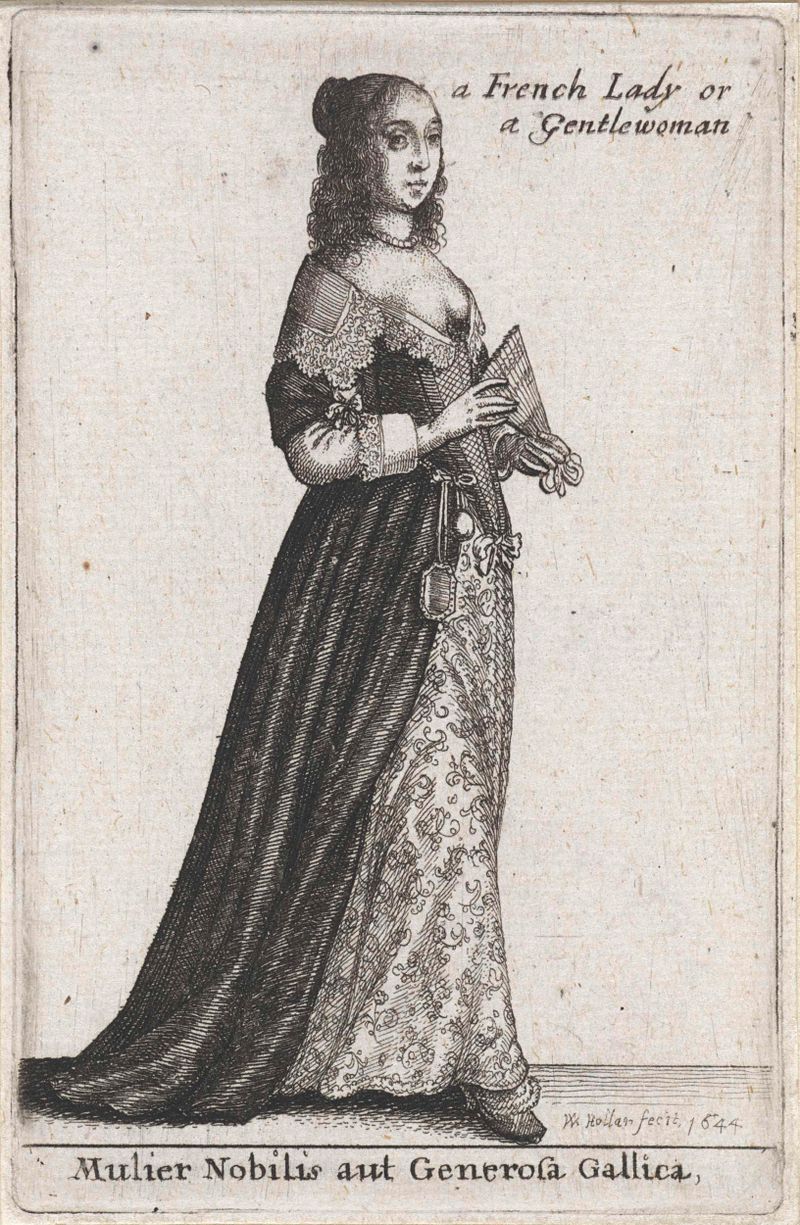
Mulier Nobilis aut Generosa Gallica / a French Lady or Gentlewoman
Wenceslaus Hollar
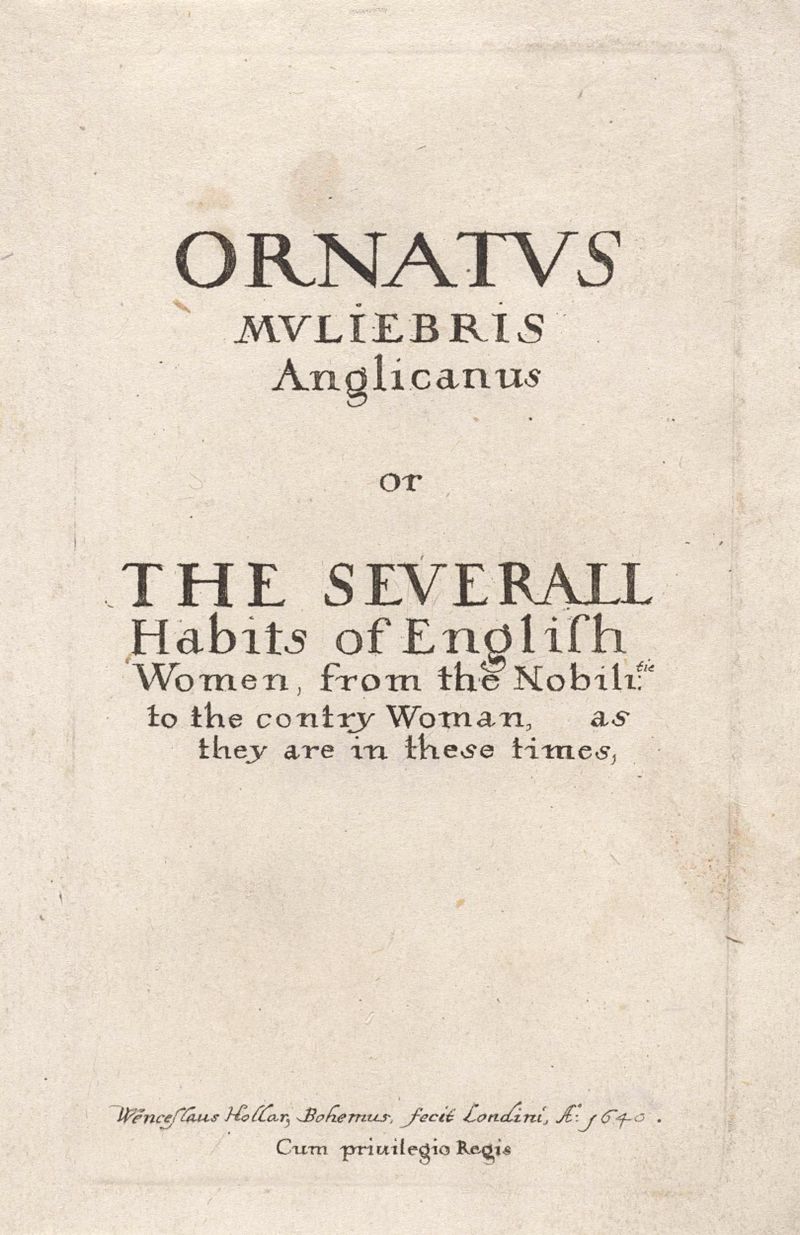
Titelprent voor: Ornatus Muliebris Anglicanus
Wenceslaus Hollar
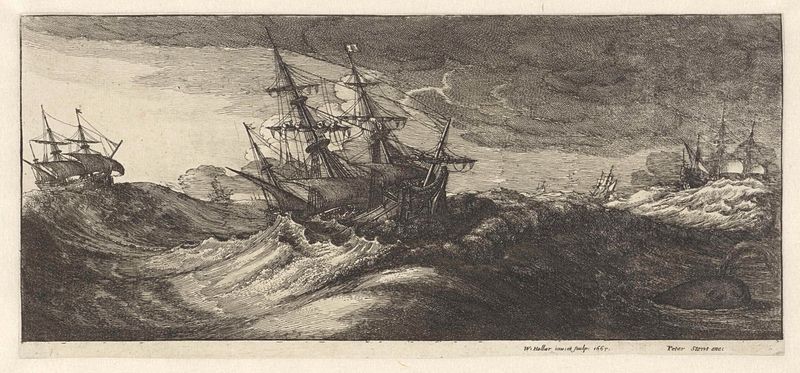
Oorlogsschepen en een walvis in een zeestorm
Wenceslaus Hollar
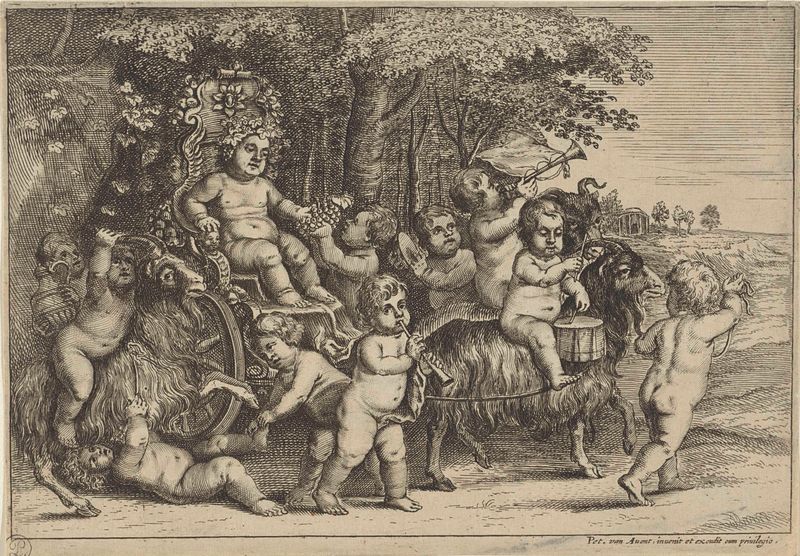
Optocht van bacchant en jongetjes op geiten
Wenceslaus Hollar
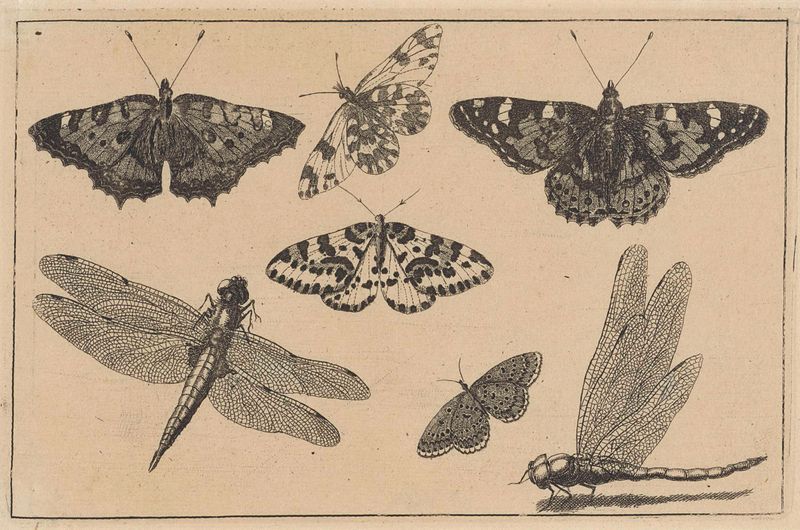
Twee libellen en vijf vlinders
Wenceslaus Hollar
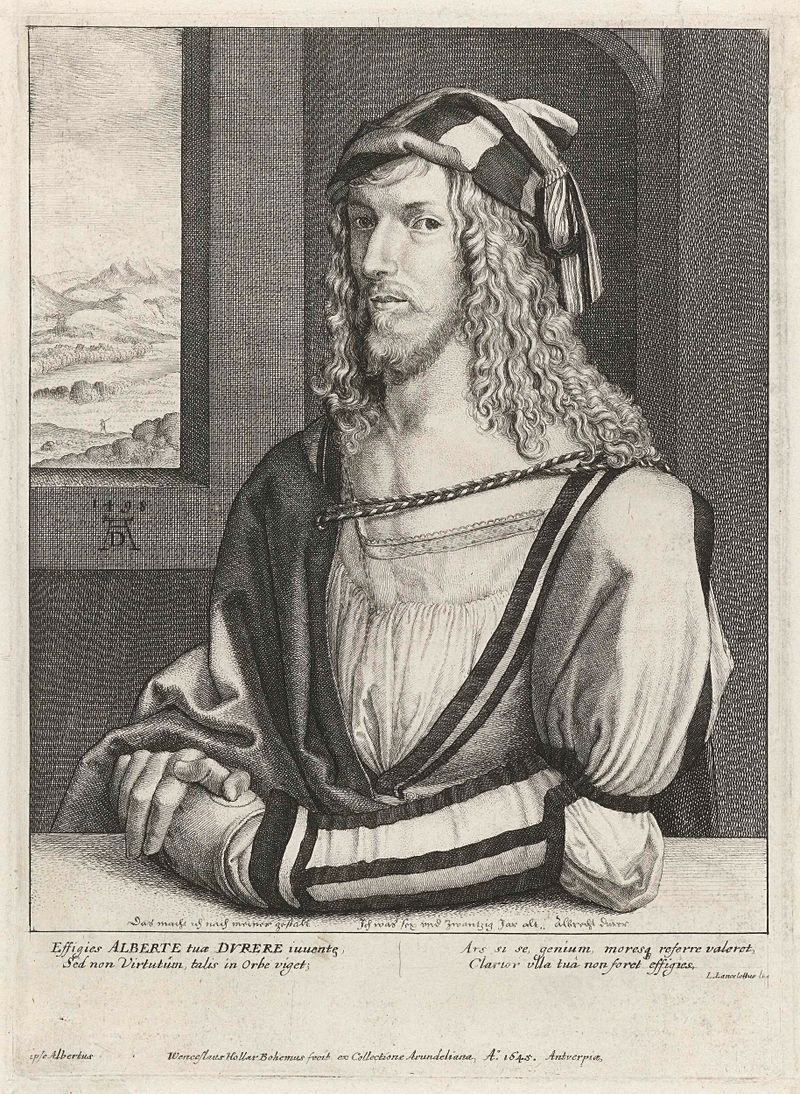
Portret van Albrecht Dürer
Wenceslaus Hollar
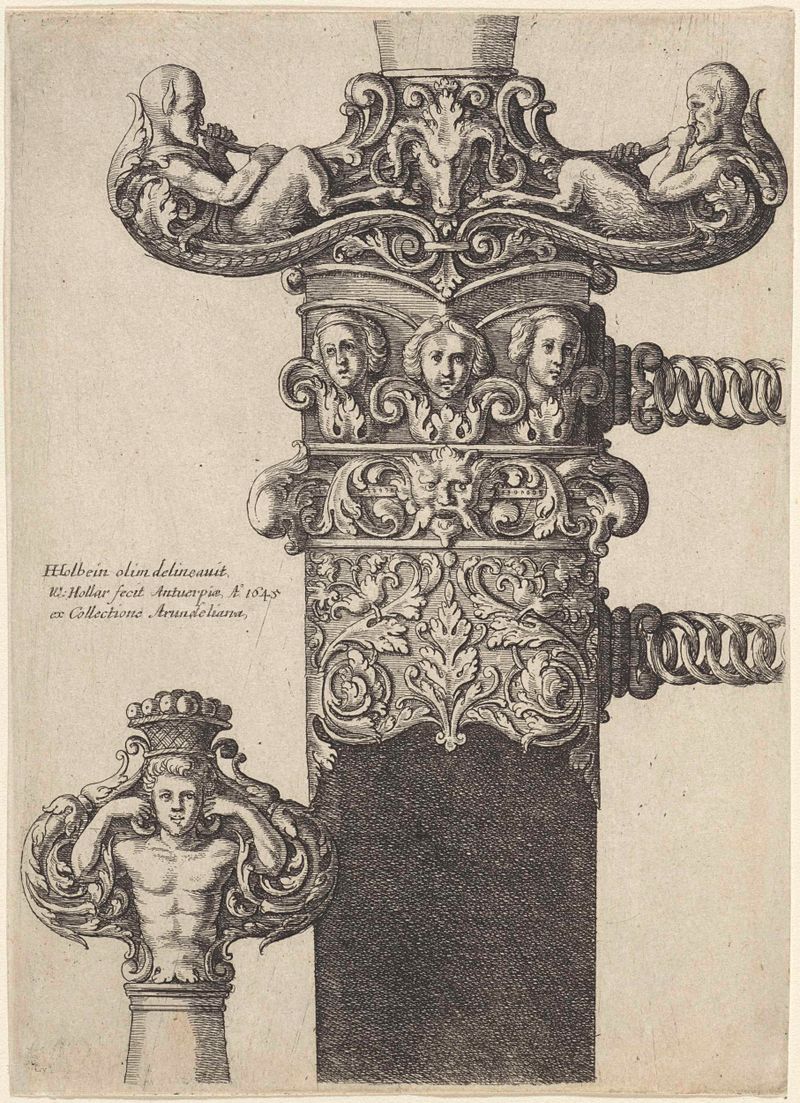
Ornamenteel ontwerp voor een dolk
Wenceslaus Hollar
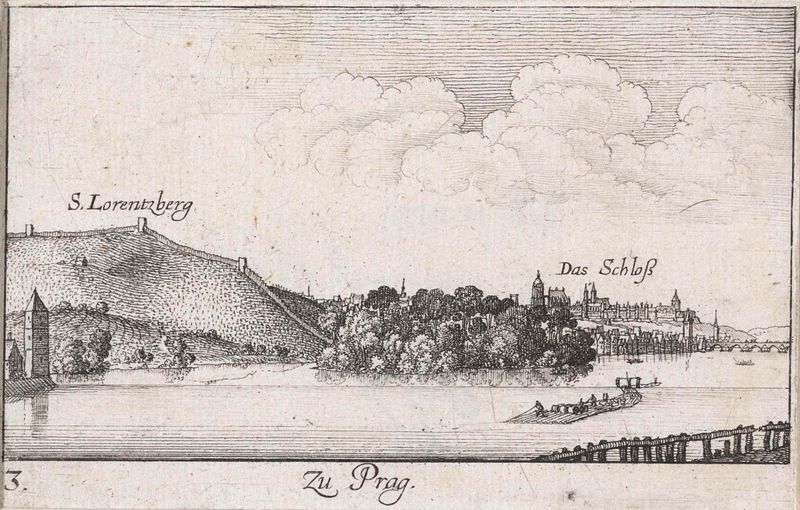
Gezicht op Praag vanaf de Moldau
Wenceslaus Hollar





