Gierigheid — History & Analysis
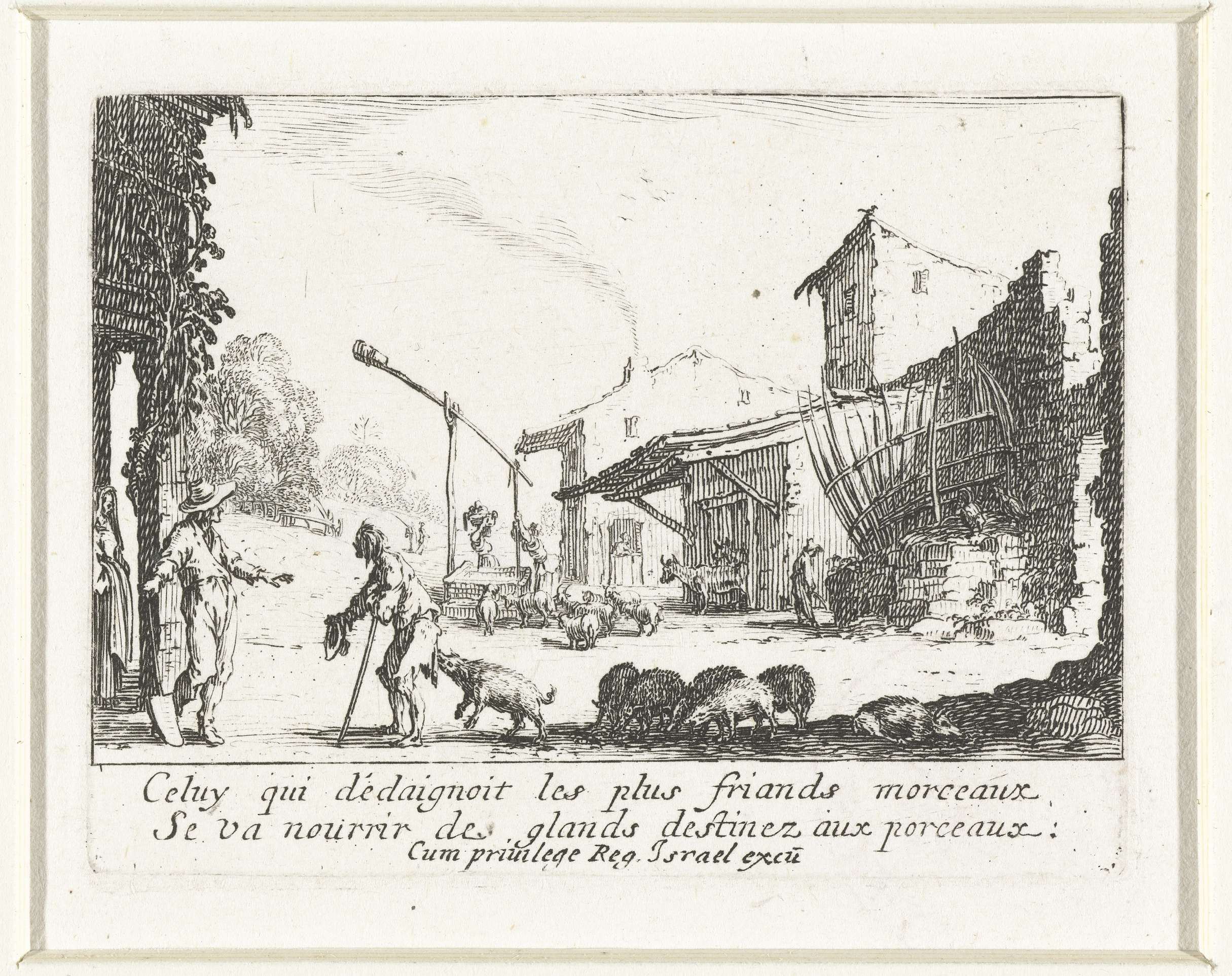
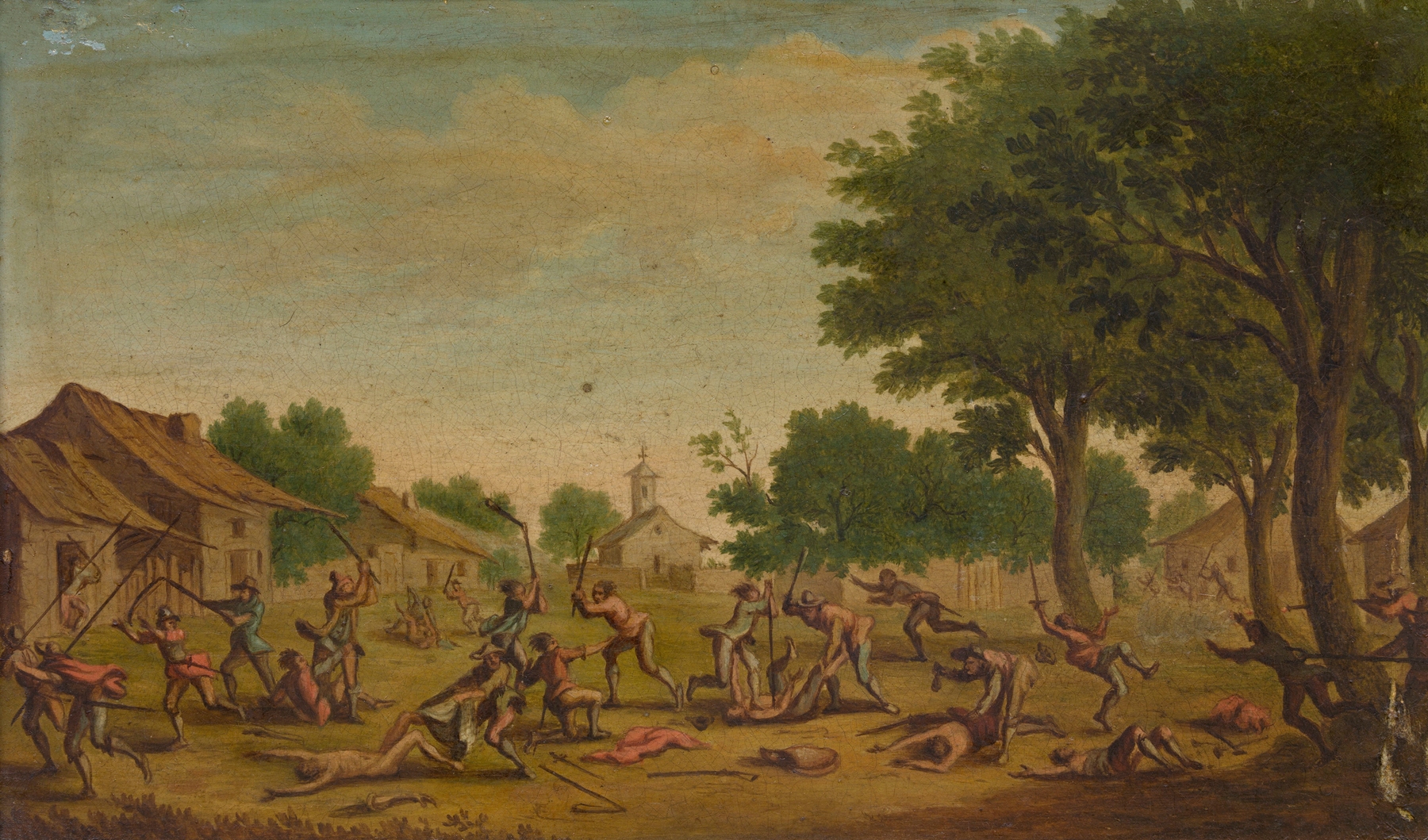
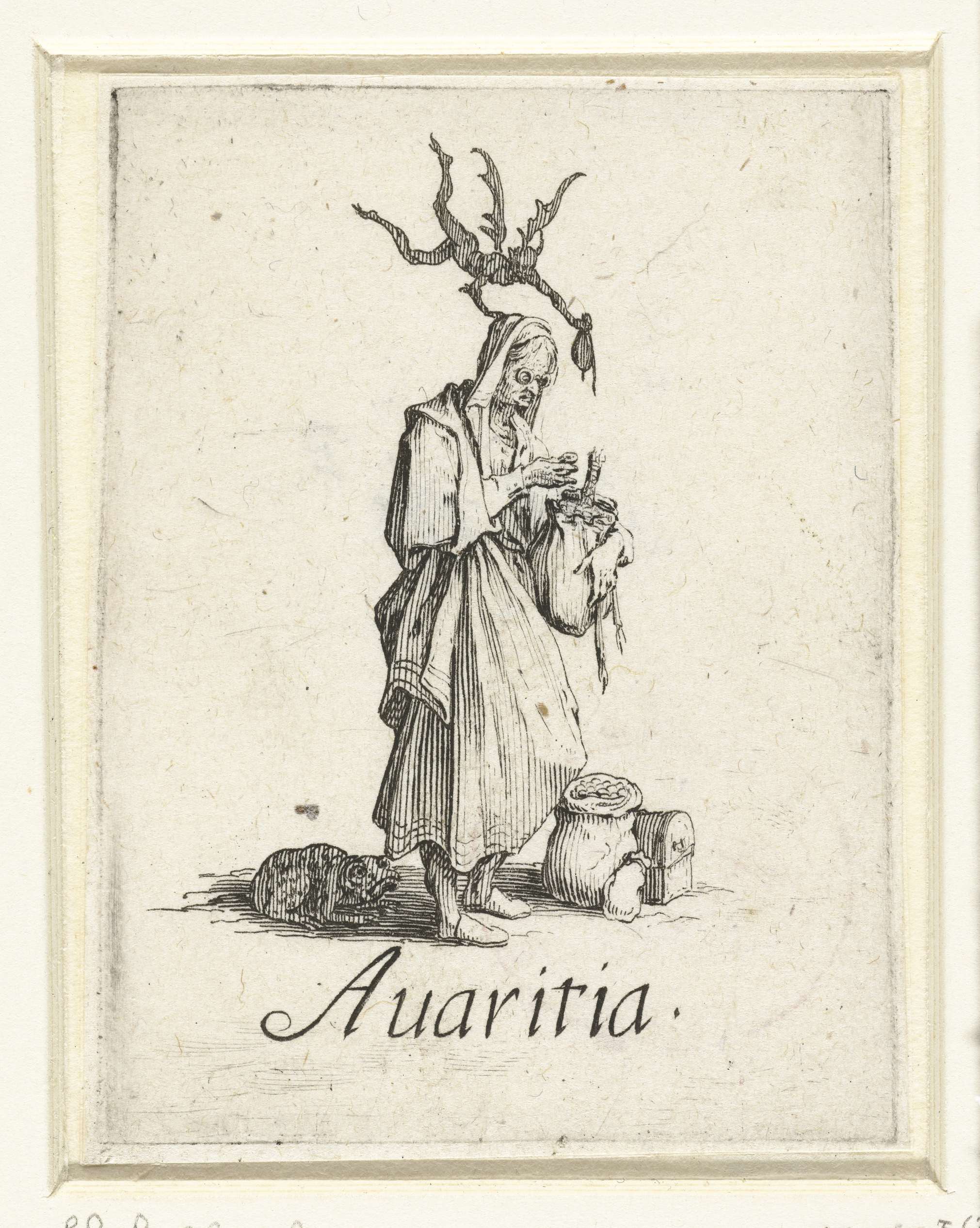
Could beauty survive in a century of chaos? The question lingers in the air, as we gaze upon a vivid spectacle steeped in human frailty and desire. Look to the center of the composition, where an array of contorted figures twist and sway in a frenzy fueled by greed. The rich hues of gold and deep crimson dominate the scene, illuminating the tension woven into every gesture. Notice how the opulence of color contrasts sharply with the stark expressions of desperation etched upon their faces, revealing the dark underbelly of temptation.
The careful interplay of light and shadow draws your eye across the canvas, inviting you to explore the labyrinth of avarice laid bare before you. The work pulsates with emotional depth, as each figure embodies a unique reaction to their insatiable cravings. The grotesque distortions in their forms manifest the struggles of desire, while the chaotic crowd evokes a sense of collective madness. Amidst the turmoil, a solitary figure clutches a bag of riches, an emblem of what is lost in the pursuit of wealth.
This moment acts as a poignant reminder of the fine line between aspiration and corruption, illuminating the complexities of the human condition. During the years between 1618 and 1625, Jacques Callot created Gierigheid in a Europe embroiled in social and political upheaval. The Thirty Years' War was looming, casting a shadow over daily life and artistic expression. As a master printmaker, Callot's work challenged conventional norms, capturing the tumult of his time while offering a critique of human nature itself, making this piece a remarkable reflection of an era struggling with its identity.