
Gipsy Girl — History & Facts
No other work by Frans Hals has sparked as much speculation as Gipsy Girl. From the moment it entered the public eye, viewers have wondered: who was this laughing woman, and why did Hals choose to paint her with such bold informality? The painting’s candid sensuality was unusual for Dutch portraiture of the 1620s, and some early critics even suspected it was a depiction of a prostitute or a figure from Haarlem’s lower classes. Its title, assigned centuries after its creation, only deepened the mystery, as there is no evidence the sitter was actually a “gypsy.” Caught mid-laughter, the young woman leans forward, her lips parted in a broad grin, her eyes meeting ours with a frank, almost conspiratorial gaze.
She wears a low-cut, brightly colored bodice, her dark hair tumbling loose—details that set her apart from the more restrained, formal portraits of the Dutch Golden Age. Hals’s rapid, visible brushwork, especially in the flushed cheeks and shimmering fabric, gives the painting a sense of movement and immediacy. Unlike Rembrandt’s introspective heroines or Vermeer’s poised figures, Hals presents a sitter who seems to exist only in this fleeting, joyful moment, her laughter echoing across the centuries. The origins and early history of Gipsy Girl remain unclear, as no commission records survive and the sitter’s identity is lost to time.
The painting entered the collection of the Musée du Louvre in the 19th century, where it became a favorite for its lively character and technical bravura. Today, it is recognized as a key example of Hals’s ability to capture personality and spontaneity, marking a turning point in his career from formal portraiture to more expressive, genre-like studies. Its uncertain medium—possibly oil on canvas or panel—adds yet another layer to its enigmatic charm.
More Artworks by Frans Hals

Banquet of the Officers of the St George Civic Guard
Frans Hals

Portrait of Jacob Pietersz Olycan (1596-1638)
Frans Hals
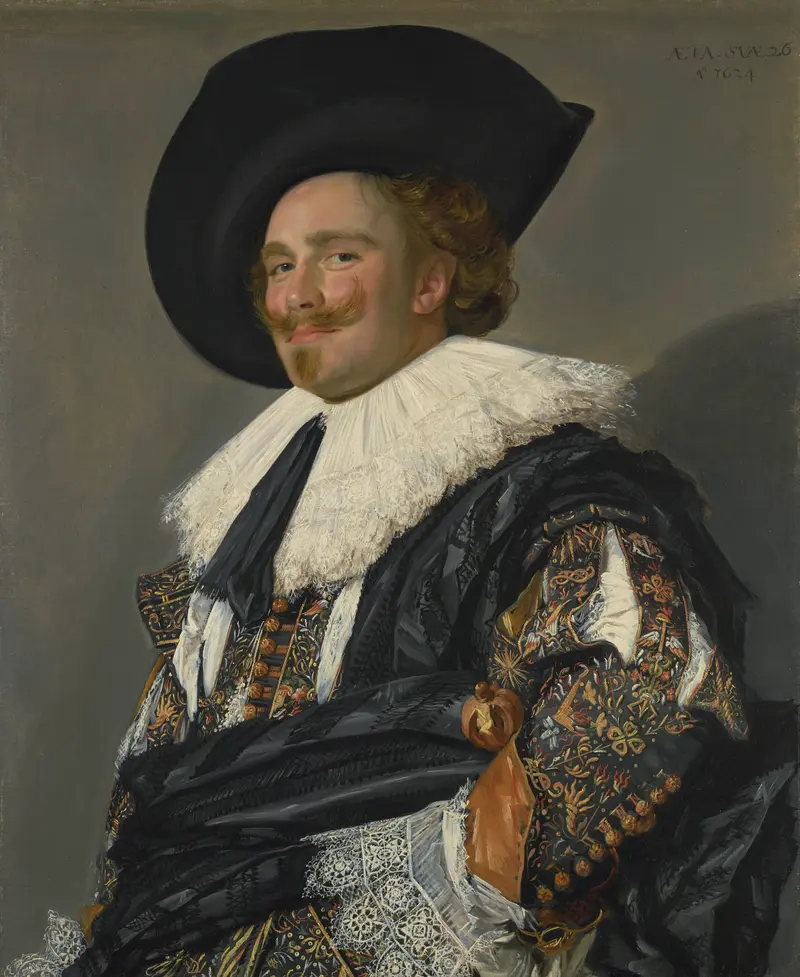
Laughing Cavalier
Frans Hals

Militia Company of District XI under the Command of Captain Reynier Reael, Known as ‘The Meagre Company’
Frans Hals
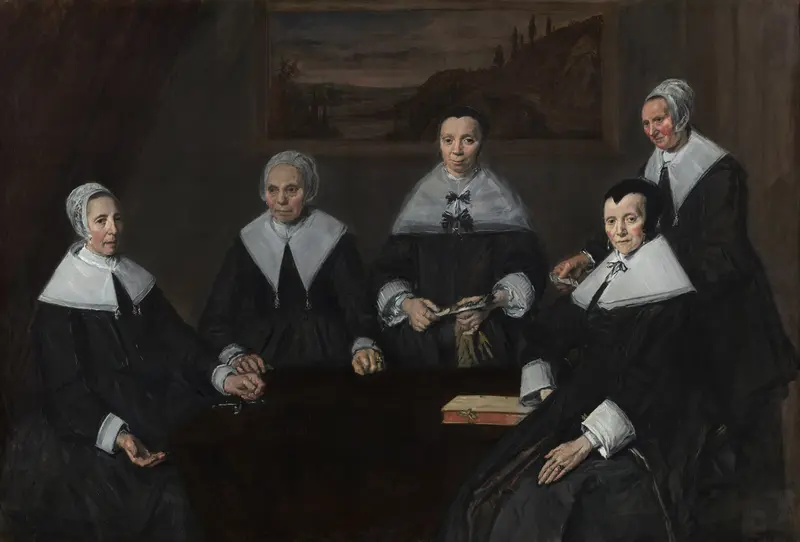
Regentesses of the Old Men's Alms House
Frans Hals
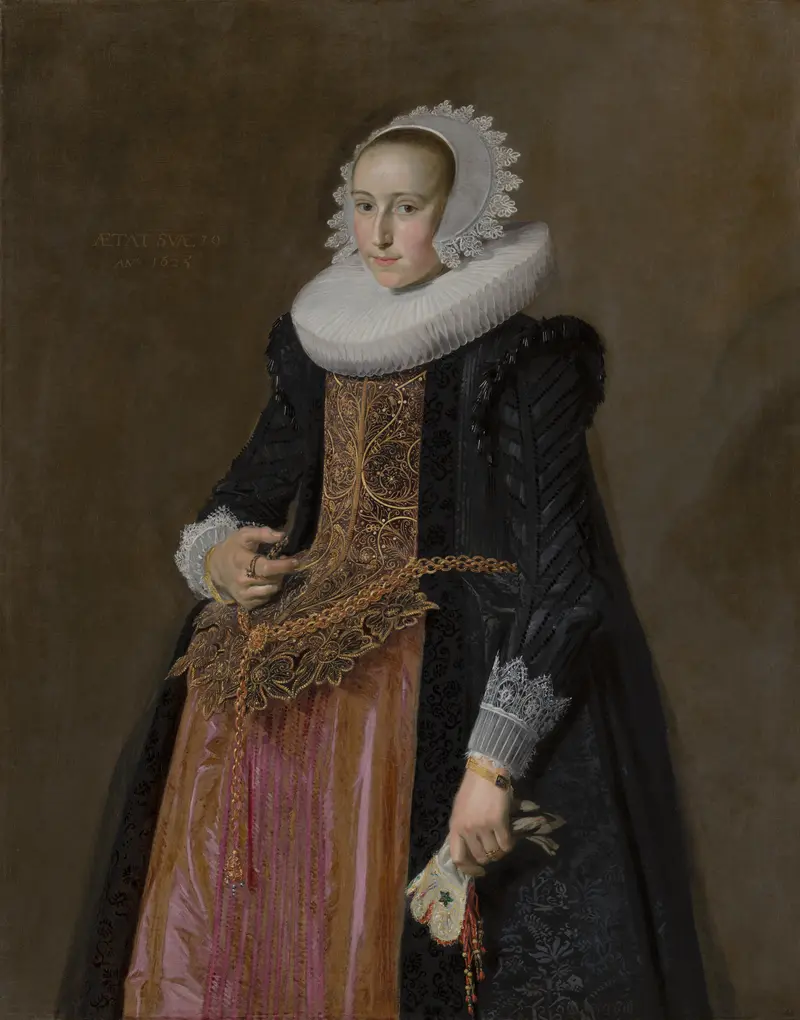
Portrait of Aletta Hanemans (1606–1653)
Frans Hals
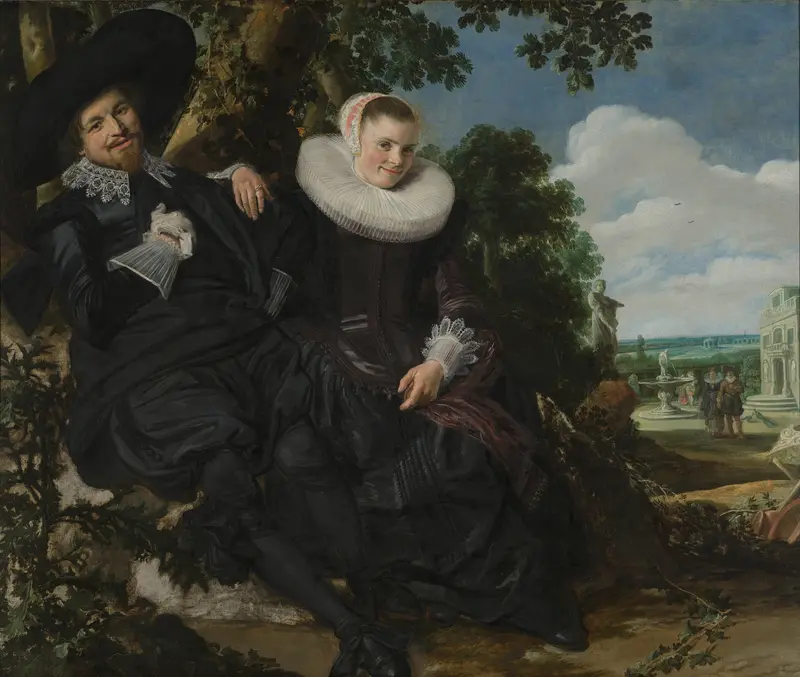
Portrait of a Married Couple, Likely Isaac Abrahamsz Massa and Beatrix van der Laen
Frans Hals
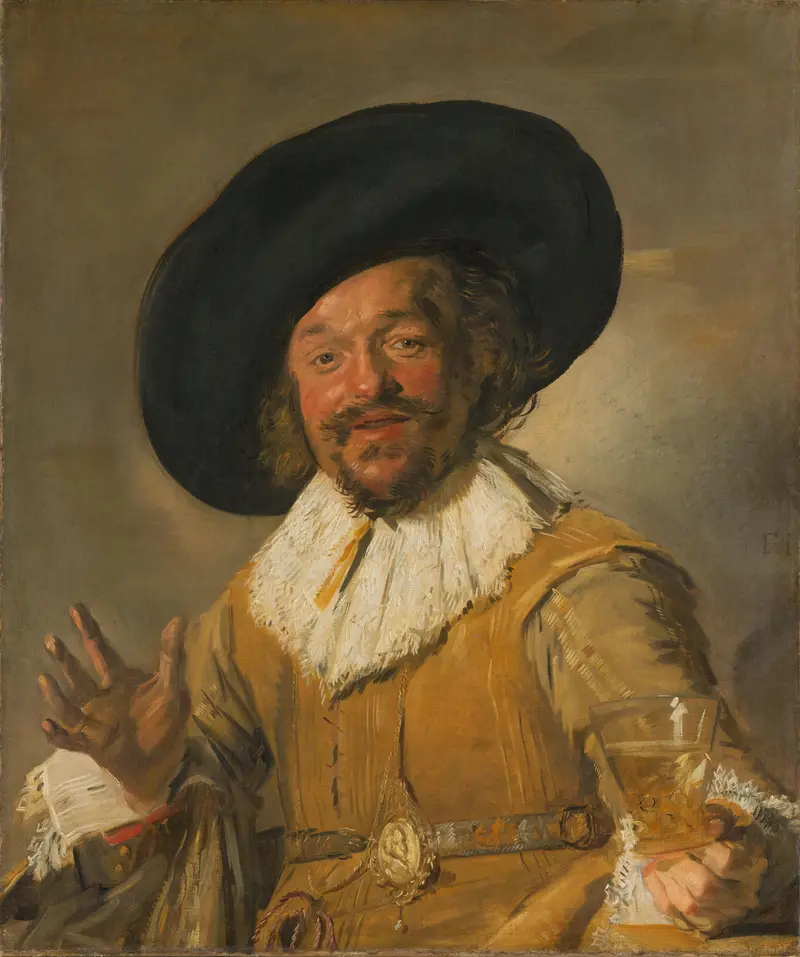
The Merry Drinker
Frans Hals
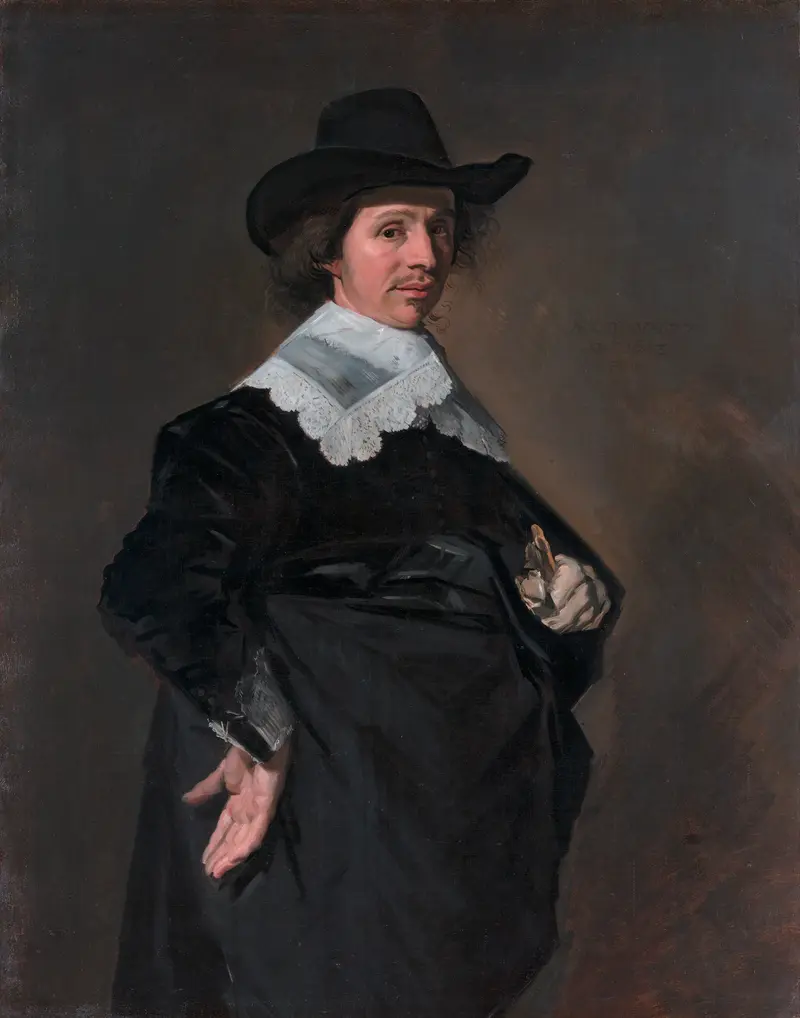
Portrait of Paulus Verschuur
Frans Hals
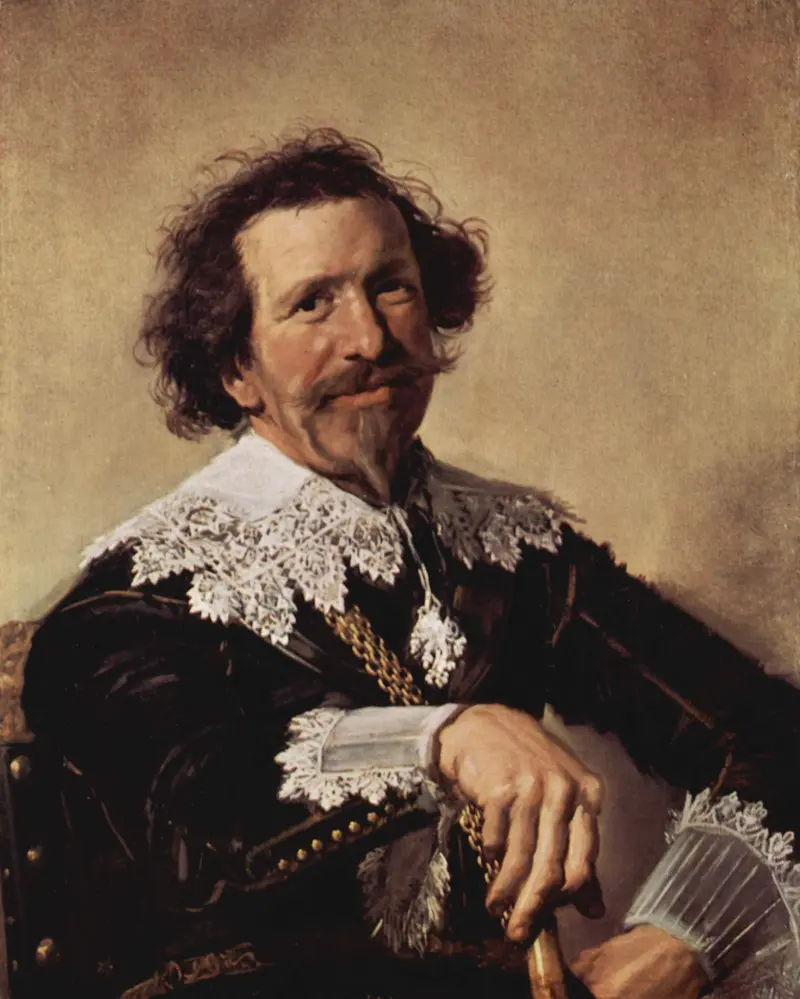
Portrait of Pieter van den Broecke
Frans Hals





