
Giuseppina Grassini Playing Zaire — History & Facts
What first catches the eye in Giuseppina Grassini Playing Zaire by Elisabeth Louise Vigée Le Brun is the theatrical pause: the sitter’s gaze drifts away from us, as if listening for a distant cue, her pose suspended between thought and performance. Draped in a sumptuous costume of white and gold, accented by a deep red sash and an ornate headdress, she is both regal and vulnerable. The fine embroidery and jeweled clasps draw the viewer’s attention to her chest, where the heart of the character—Zaire—might be read in the tension of her hand gripping a handkerchief.
Light falls softly across her face and robes, illuminating the delicate textures and lending the scene a sense of anticipation, as if the drama is unfolding just out of sight. This portrait belongs to a world where art and theater mingled freely, especially in the early nineteenth century, when celebrated performers like Giuseppina Grassini captivated audiences and inspired artists. Painted in 1805, the work reflects the era’s fascination with exotic roles and grand emotion, as well as the technical brilliance of Vigée Le Brun, one of the period’s most sought-after portraitists. While history has kept few traces of this particular painting’s journey, its presence in a private collection today invites us to imagine the circles of music, stage, and society in which it was first admired.
Look again at the sitter’s expression—half in character, half herself—and you may sense the very moment when art and life become indistinguishable.
More Artworks by Elisabeth Louise Vigée Le Brun
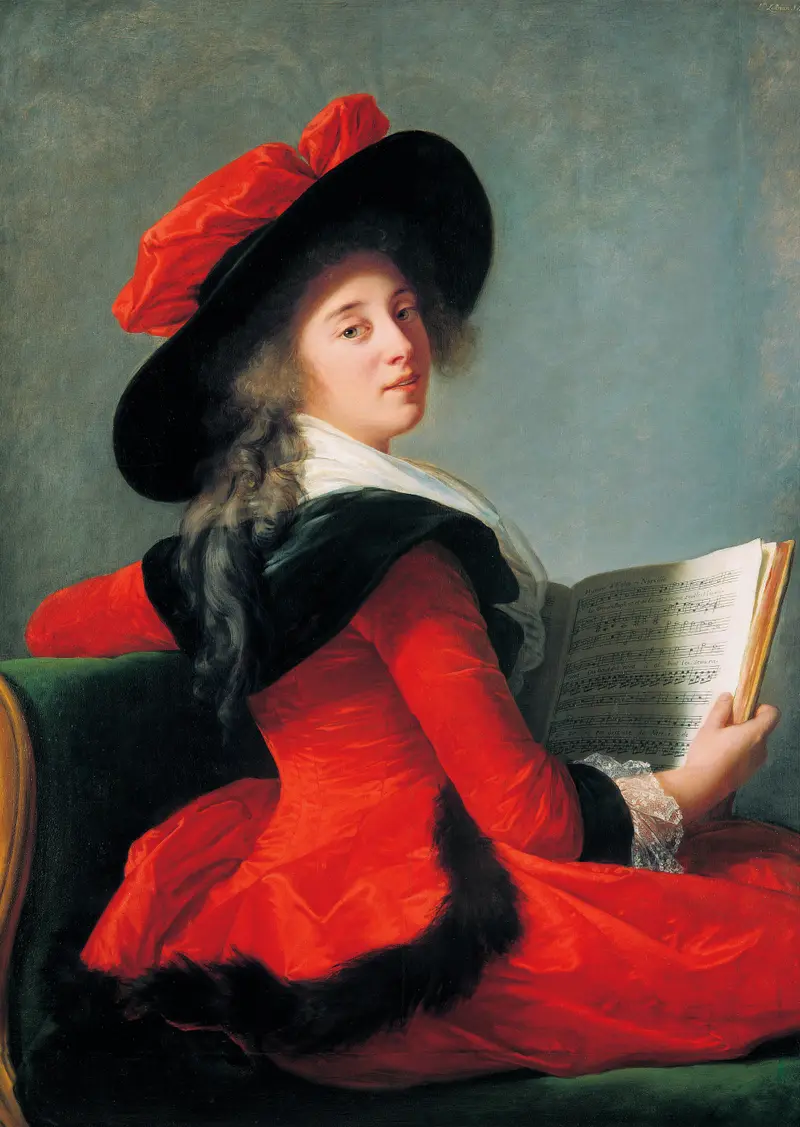
Baronne de Crussol
Elisabeth Louise Vigée Le Brun
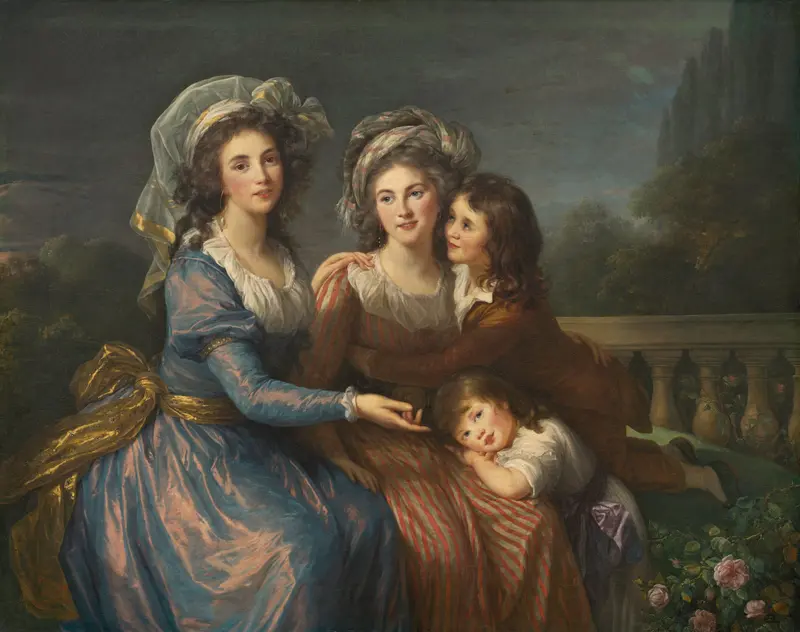
The Marquise de Pezay, and the Marquise de Rougé with Her Sons Alexis and Adrien
Elisabeth Louise Vigée Le Brun
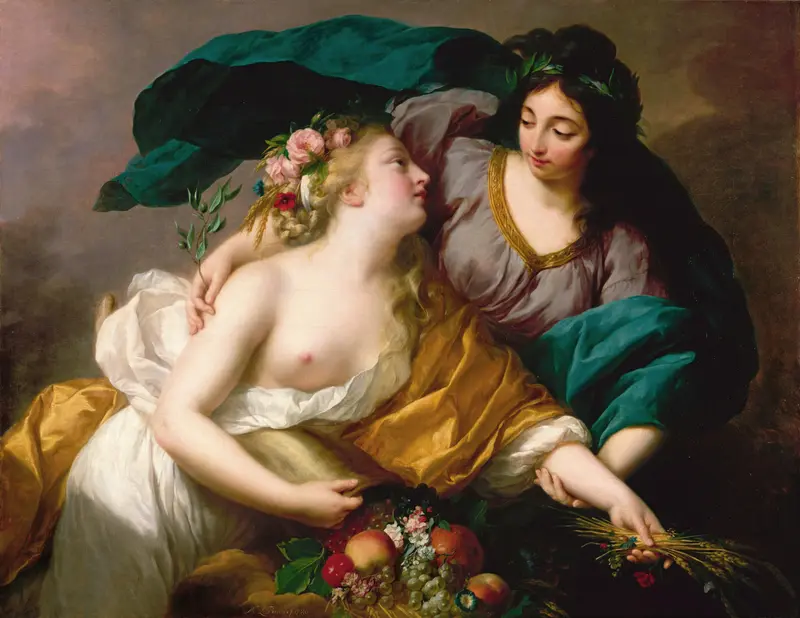
Peace bringing back Prosperity
Elisabeth Louise Vigée Le Brun
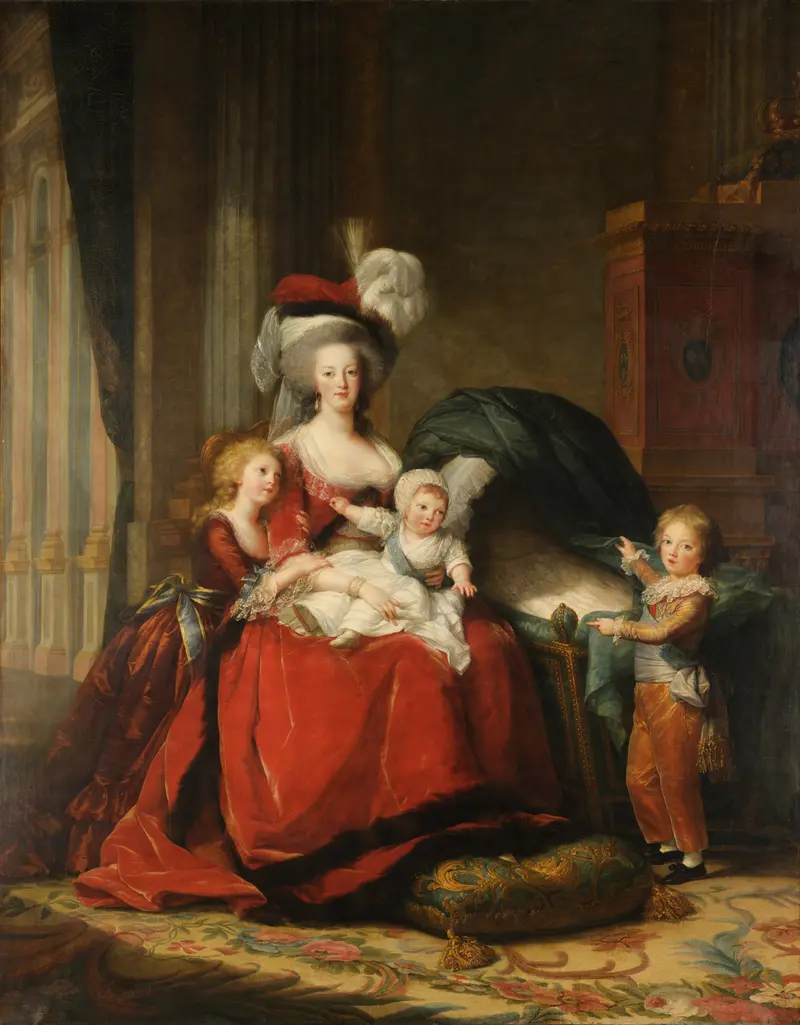
Marie Antoinette and Her Children
Elisabeth Louise Vigée Le Brun
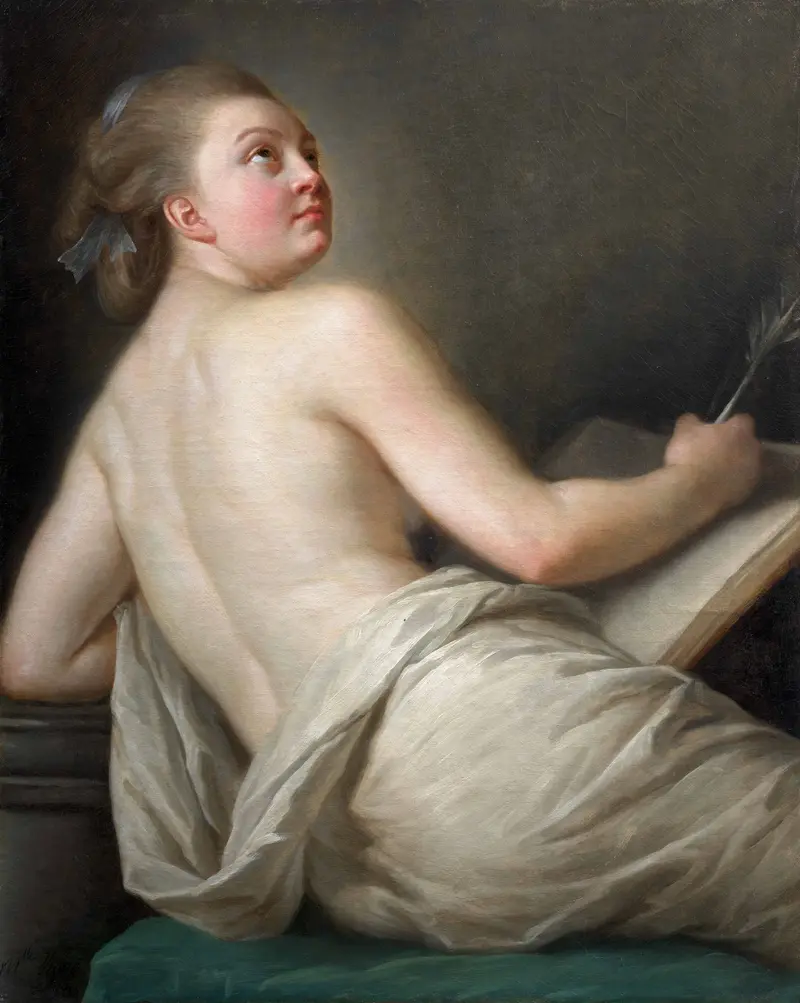
Allegory of Poetry
Elisabeth Louise Vigée Le Brun
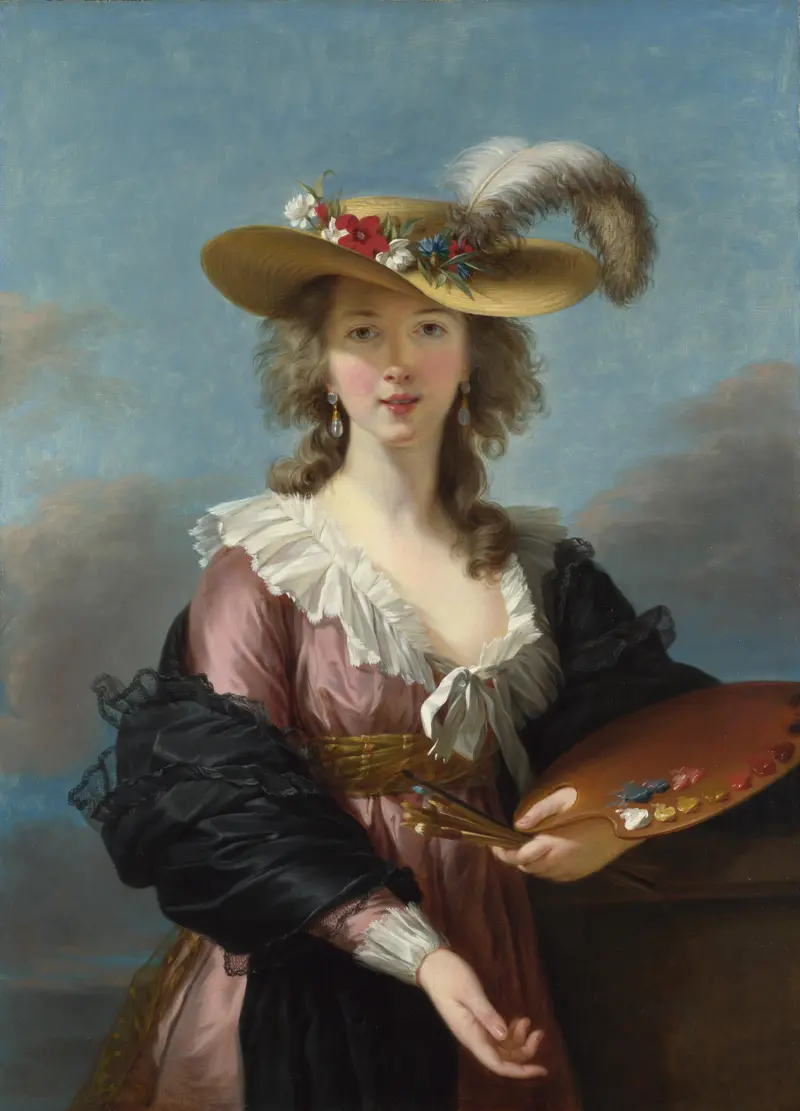
Self Portrait in a Straw Hat
Elisabeth Louise Vigée Le Brun
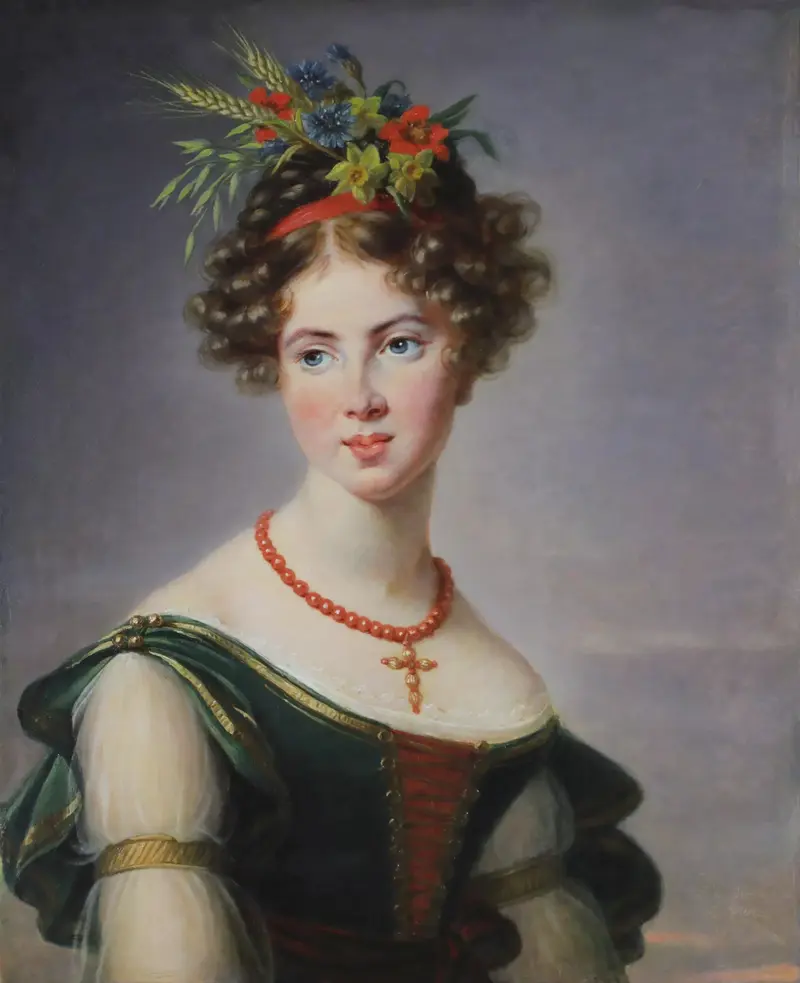
Portrait de la comtesse de Baussancourt, par Élisabeth Vigée Le Brun
Elisabeth Louise Vigée Le Brun

Hubert Robert
Elisabeth Louise Vigée Le Brun
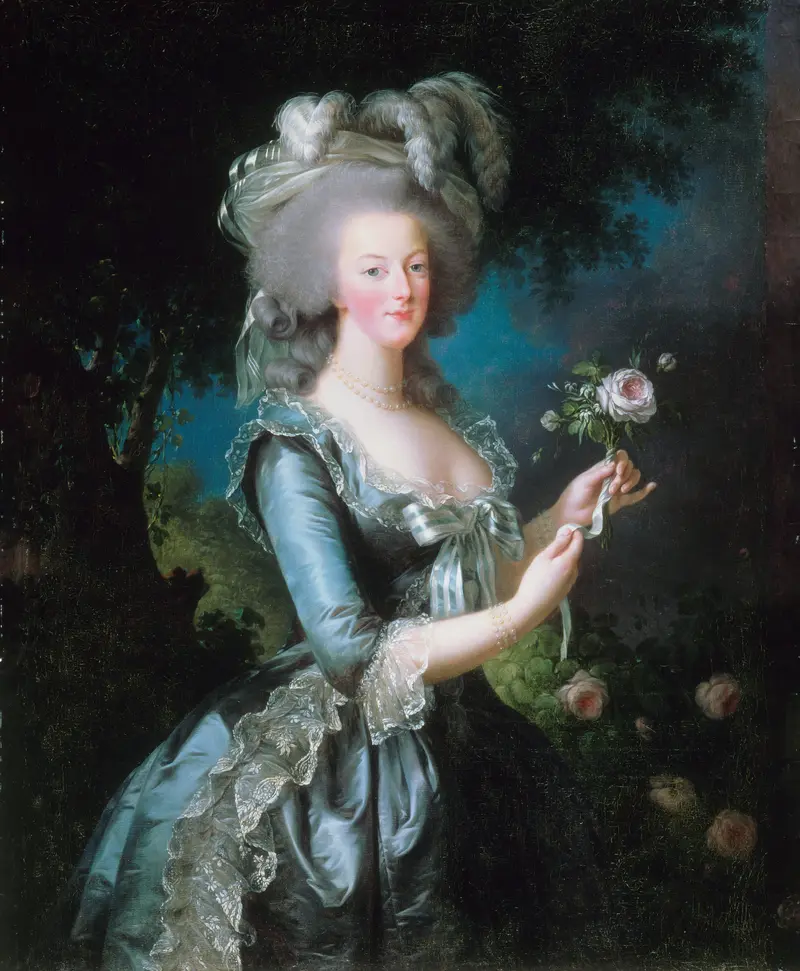
Marie Antoinette with a Rose
Elisabeth Louise Vigée Le Brun
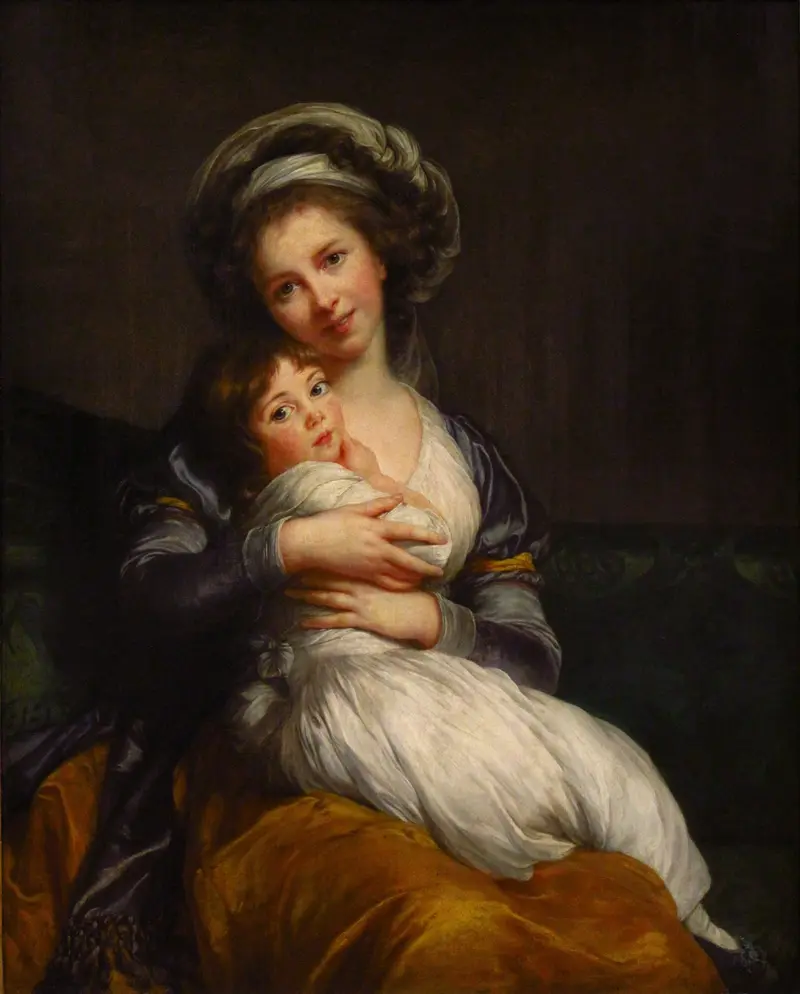
Self-portrait with Her Daughter, Julie
Elisabeth Louise Vigée Le Brun





