Portrait de la comtesse de Baussancourt, par Élisabeth Vigée Le Brun — History & Facts
What first catches the eye is the vivid crown of flowers and wheat, a burst of color and life that lifts the entire portrait and draws the viewer into the world of the sitter. The comtesse’s gaze, turned just away from the viewer, suggests a moment of gentle reflection or perhaps a private amusement. Her coral necklace, with its delicate cross, sits bright against her pale skin, signaling both status and a quiet nod to faith.
The artist’s brush lingers on the textures: the gleam of satin ribbons, the transparent sleeves, the subtle flush in the cheeks. Light falls softly across her face, animating her expression and setting her apart from the muted, almost dreamlike background. Every detail, from the careful arrangement of curls to the crisp edge of her bodice, is a deliberate invitation to linger. Painted in 1830 by Élisabeth Vigée Le Brun, this portrait belongs to a world in transition, where the traditions of aristocratic portraiture met the stirrings of Romanticism.
By this time, portraits like these were not just records of lineage, but also statements of individuality and taste, often commissioned by those eager to assert their place in a changing society. Vigée Le Brun herself had long been celebrated for her ability to capture both the likeness and the spirit of her sitters, a skill that made her sought after in royal and noble circles across Europe. Today, this work resides in the collection of the museums of Troyes, and while history has kept few traces of the comtesse herself, the painting remains—an enduring testament to the era’s fascination with personality, fashion, and the fleeting beauty of a single moment.
Let your eyes return to the flowers: they are as fresh as the day they were painted.
More Artworks by Elisabeth Louise Vigée Le Brun
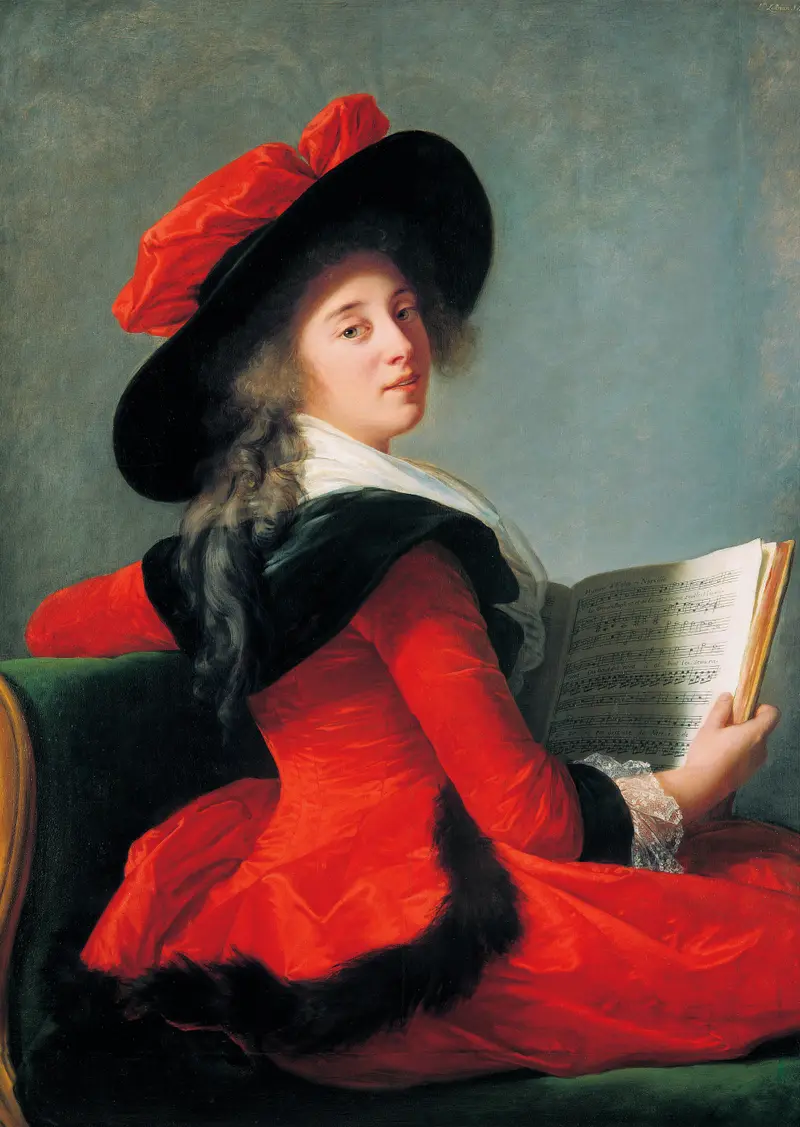
Baronne de Crussol
Elisabeth Louise Vigée Le Brun
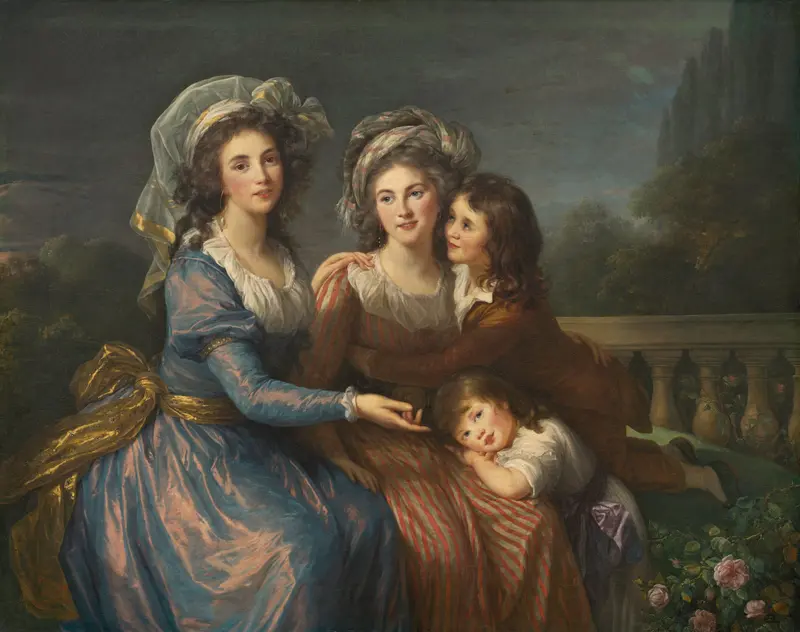
The Marquise de Pezay, and the Marquise de Rougé with Her Sons Alexis and Adrien
Elisabeth Louise Vigée Le Brun

Giuseppina Grassini Playing Zaire
Elisabeth Louise Vigée Le Brun
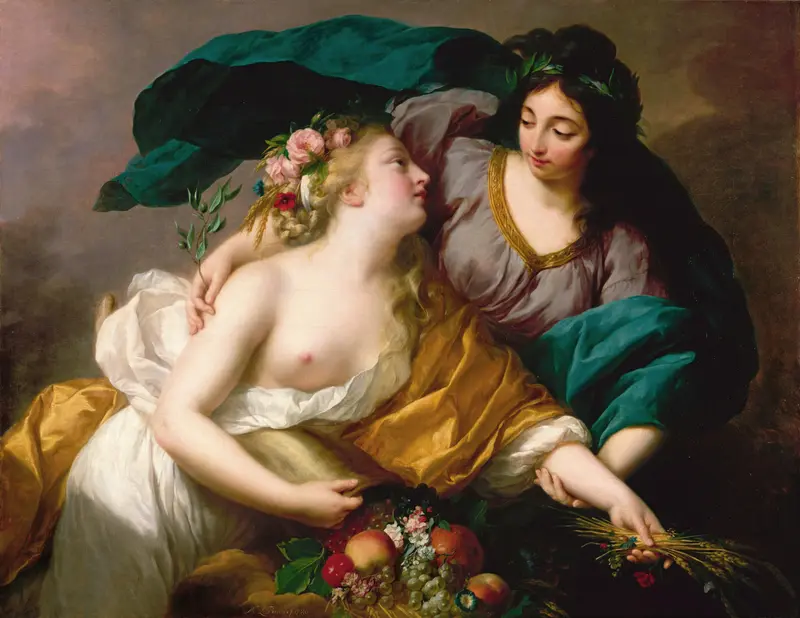
Peace bringing back Prosperity
Elisabeth Louise Vigée Le Brun
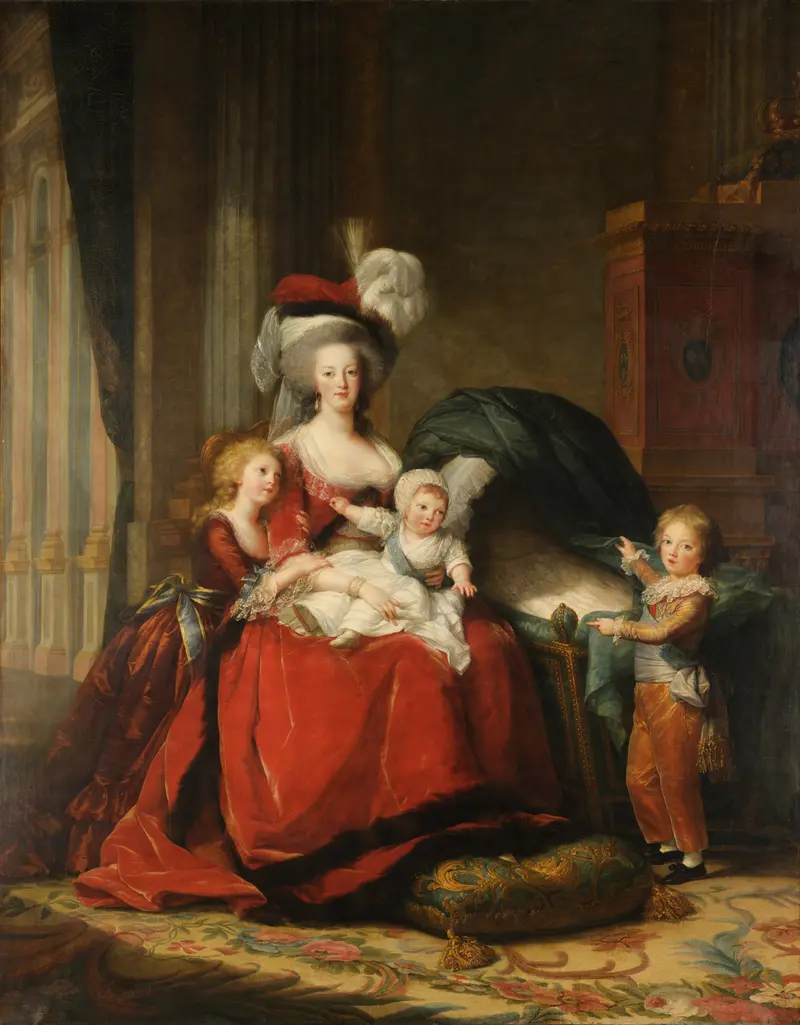
Marie Antoinette and Her Children
Elisabeth Louise Vigée Le Brun
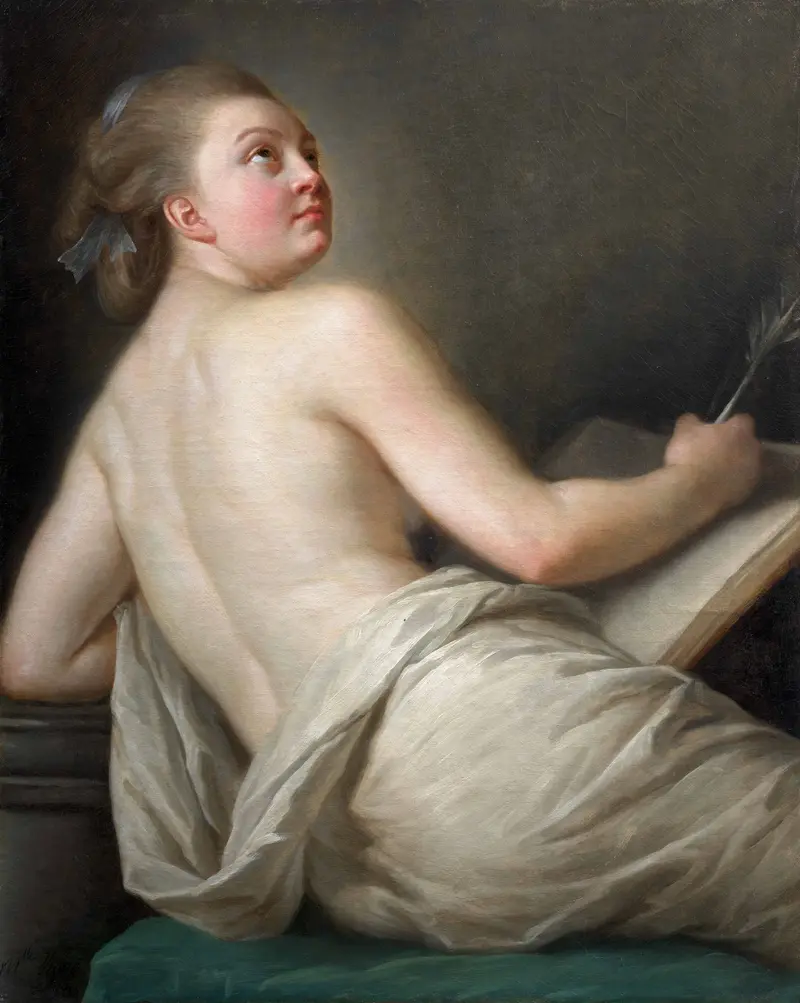
Allegory of Poetry
Elisabeth Louise Vigée Le Brun
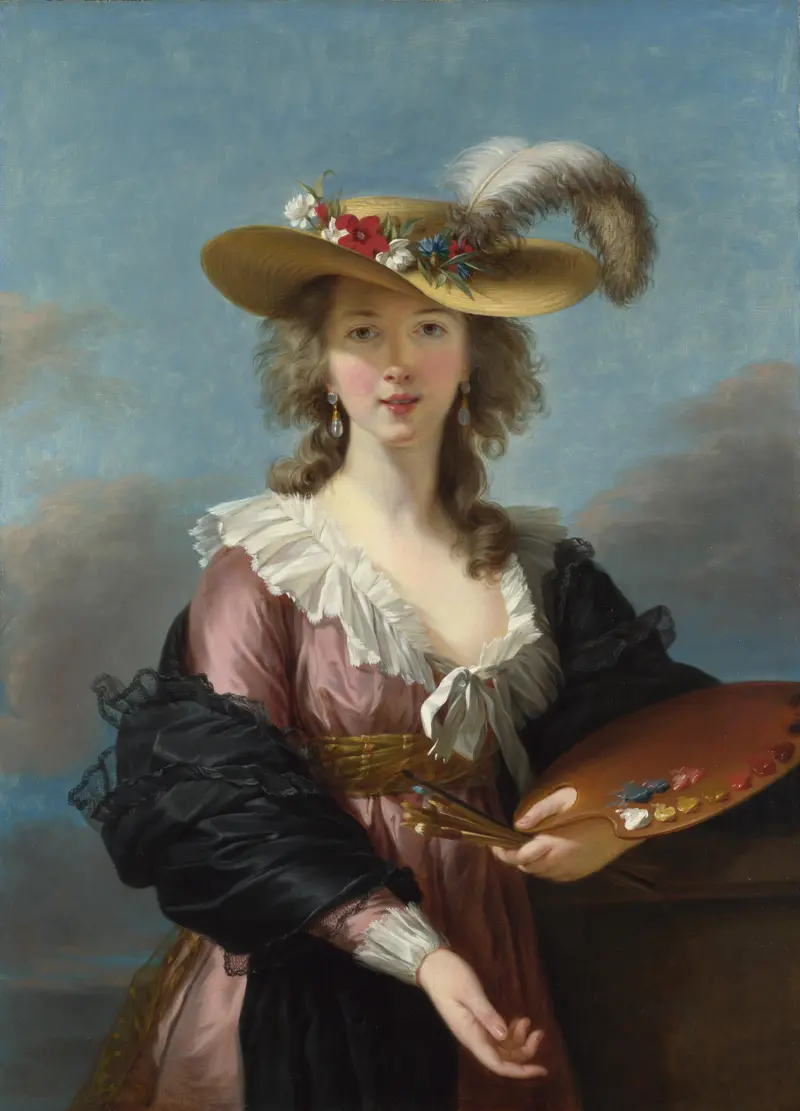
Self Portrait in a Straw Hat
Elisabeth Louise Vigée Le Brun

Hubert Robert
Elisabeth Louise Vigée Le Brun
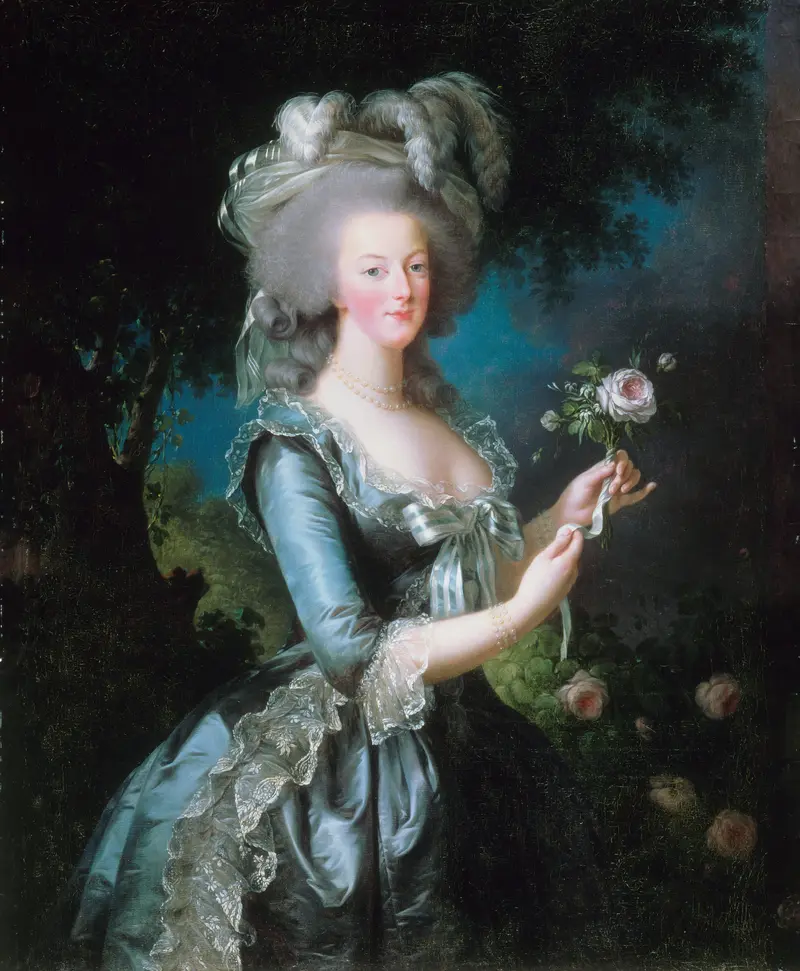
Marie Antoinette with a Rose
Elisabeth Louise Vigée Le Brun
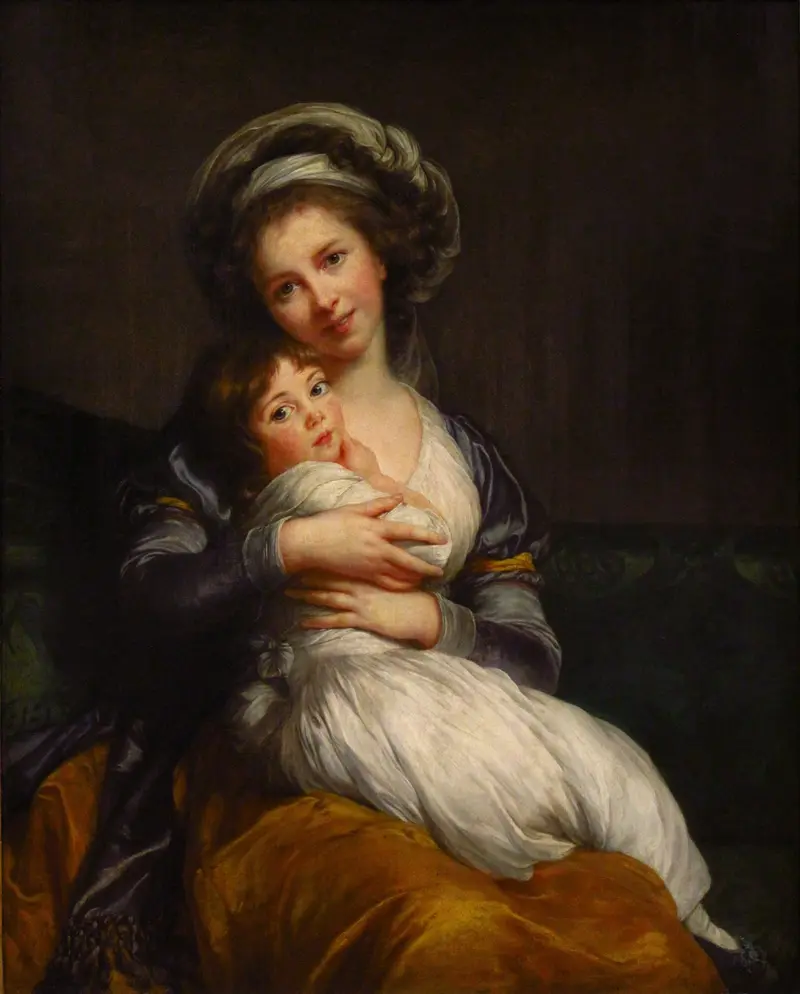
Self-portrait with Her Daughter, Julie
Elisabeth Louise Vigée Le Brun