
Baronne de Crussol — History & Facts
What first strikes the viewer in Baronne de Crussol is the sense of immediacy—caught in the act of turning, the sitter pauses, her gaze meeting ours with a mixture of curiosity and composure. The vibrant red of her dress, set off by the deep black of her hat and fur trim, draws the eye instantly, while the green velvet of the chair anchors her in a world of comfort and privilege. The open music book in her hand is no idle prop: it signals education, refinement, and perhaps a moment interrupted in the midst of a favorite pastime.
Light falls across her face and the score, highlighting both her features and the delicate textures of the fabrics, inviting us to linger on every detail. Painted in 1785 by Elisabeth Louise Vigée Le Brun, this portrait belongs to a world on the cusp of revolution, when the French aristocracy still commissioned likenesses to assert status and taste. Portraits such as this were not only personal mementos but public declarations of culture and accomplishment, often displayed in salons or private galleries. Vigée Le Brun, celebrated for her ability to capture both likeness and personality, was a favored portraitist among the elite, and her sitters are often shown with tokens of their intellect or artistry.
Today, the painting resides in the Musée des Augustins in Toulouse, a reminder of both the fleeting world it depicts and the enduring appeal of Vigée Le Brun’s brush. The baronne’s glance seems to ask us what music we would choose, were we in her place—an invitation to step into her moment.
More Artworks by Elisabeth Louise Vigée Le Brun
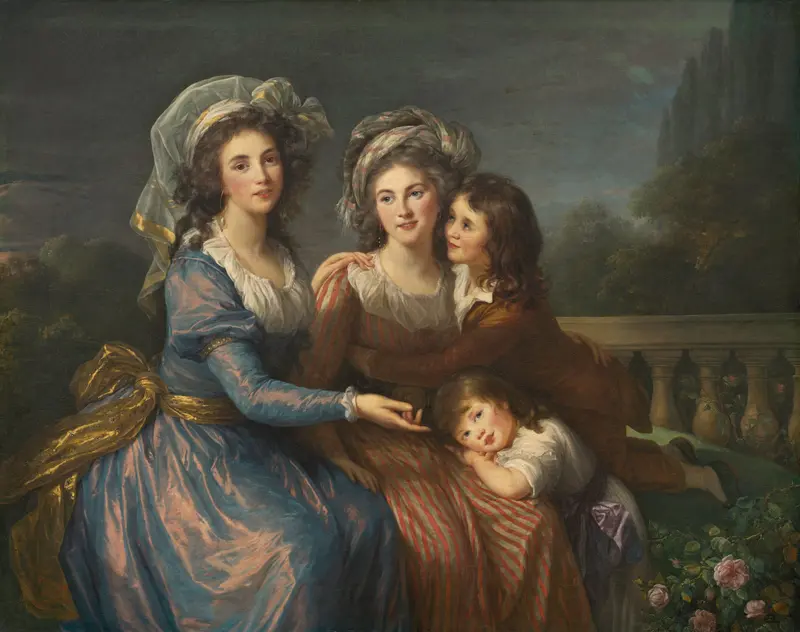
The Marquise de Pezay, and the Marquise de Rougé with Her Sons Alexis and Adrien
Elisabeth Louise Vigée Le Brun

Giuseppina Grassini Playing Zaire
Elisabeth Louise Vigée Le Brun
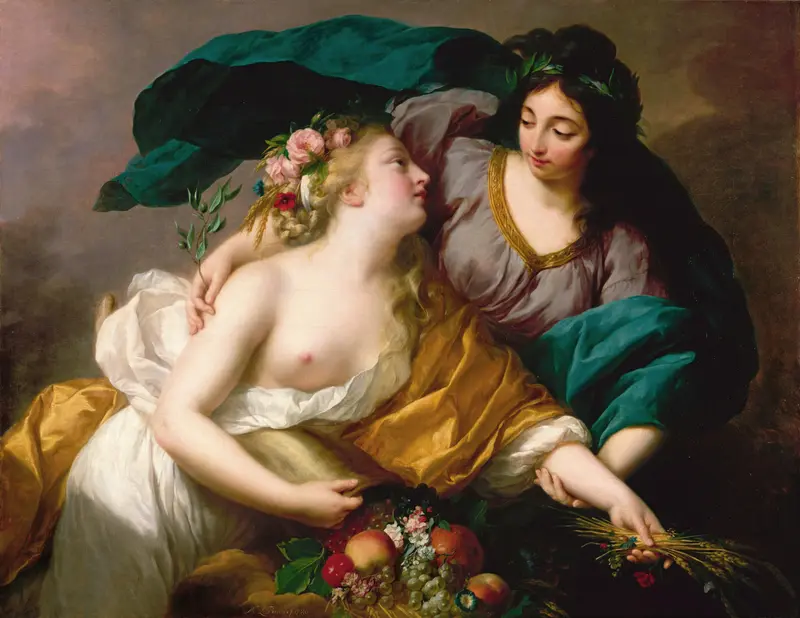
Peace bringing back Prosperity
Elisabeth Louise Vigée Le Brun
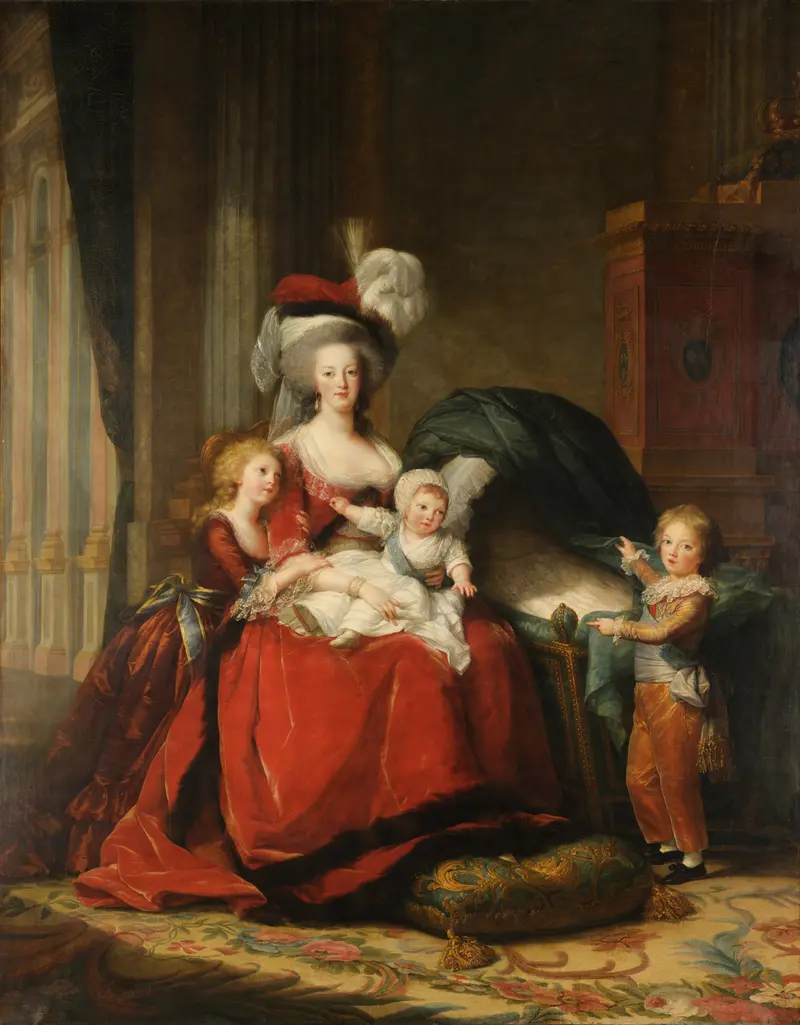
Marie Antoinette and Her Children
Elisabeth Louise Vigée Le Brun
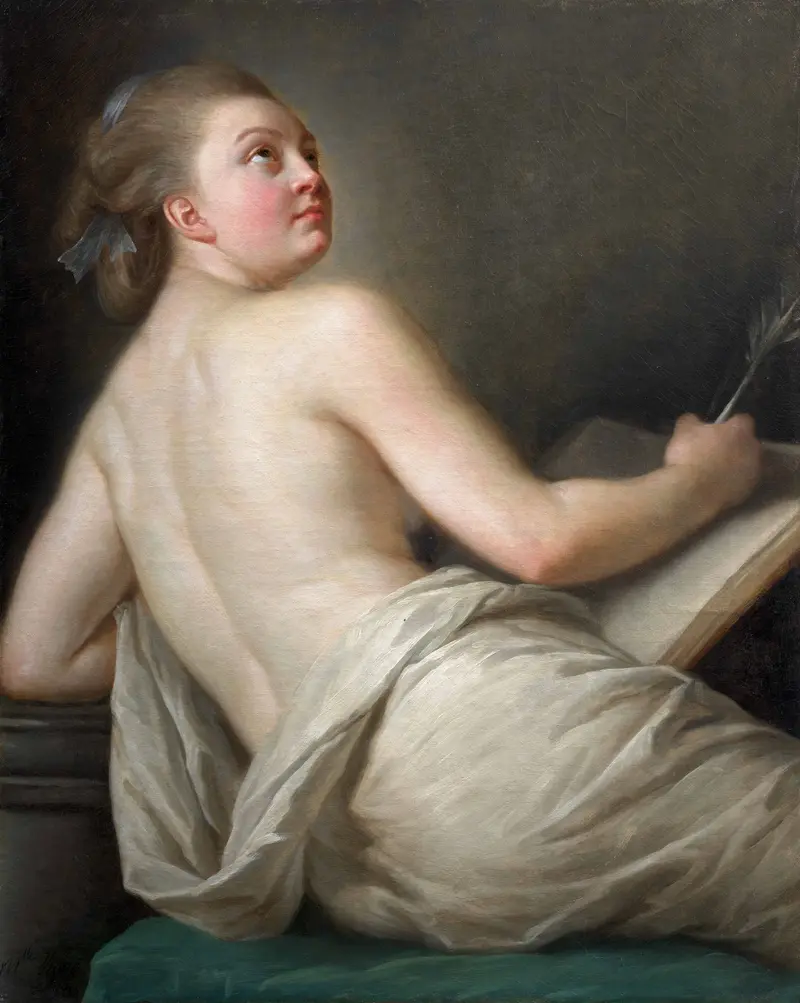
Allegory of Poetry
Elisabeth Louise Vigée Le Brun
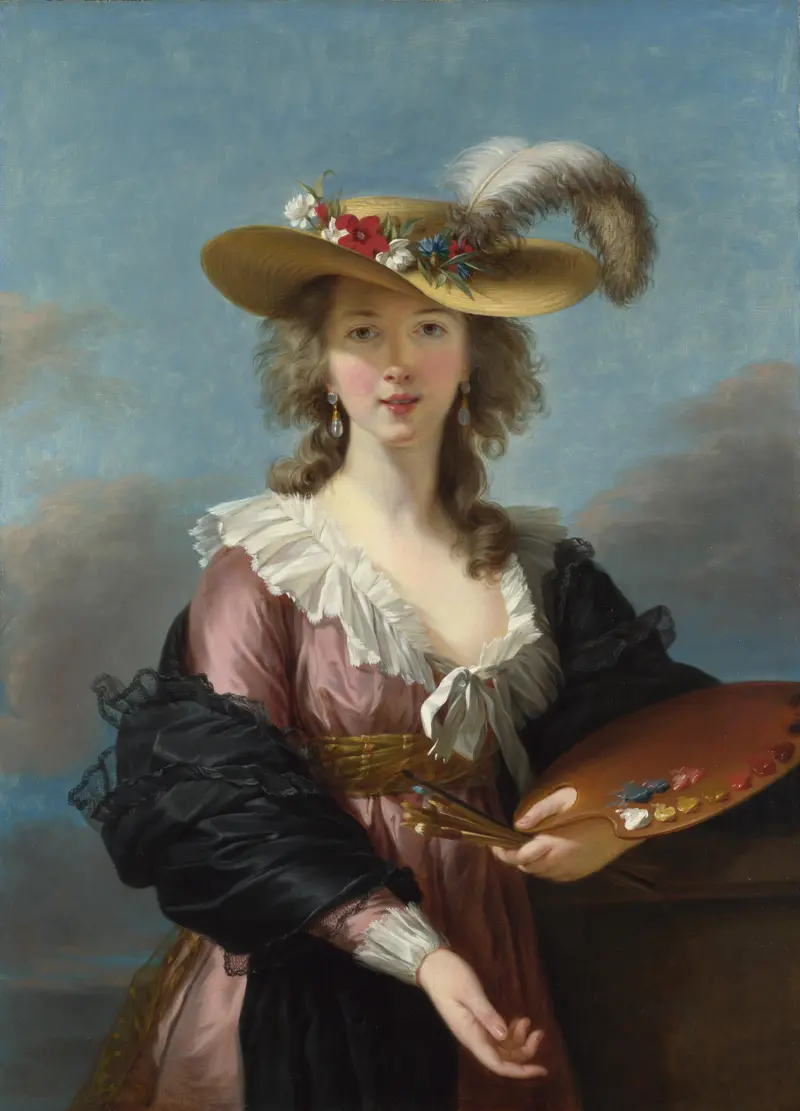
Self Portrait in a Straw Hat
Elisabeth Louise Vigée Le Brun
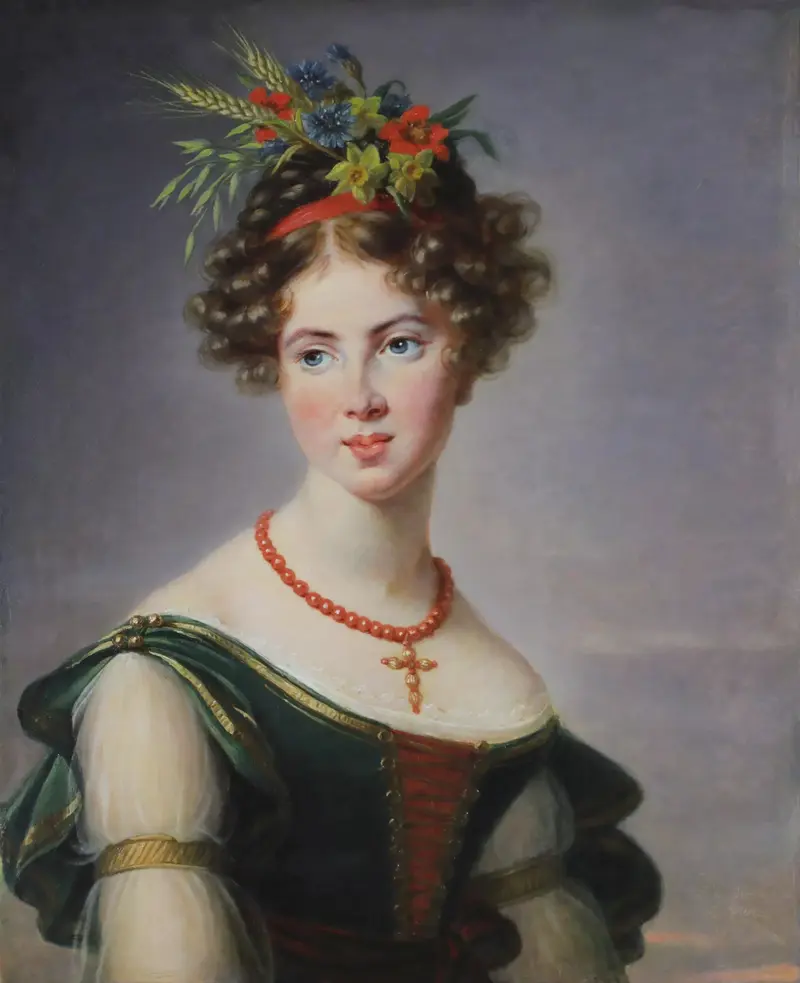
Portrait de la comtesse de Baussancourt, par Élisabeth Vigée Le Brun
Elisabeth Louise Vigée Le Brun

Hubert Robert
Elisabeth Louise Vigée Le Brun
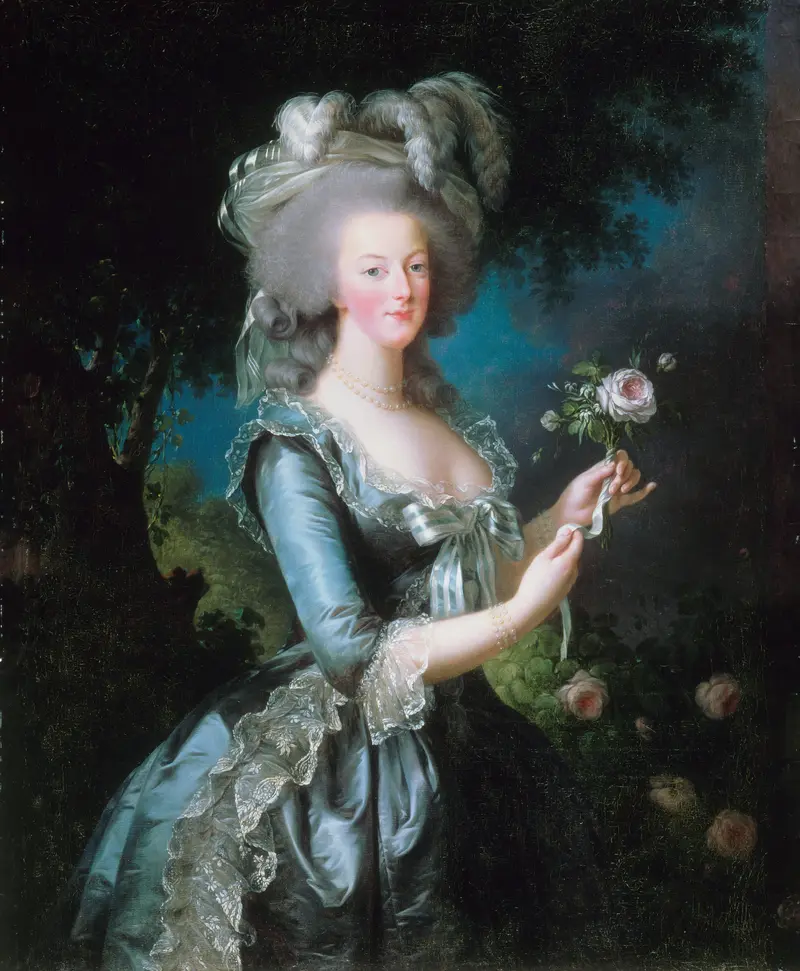
Marie Antoinette with a Rose
Elisabeth Louise Vigée Le Brun
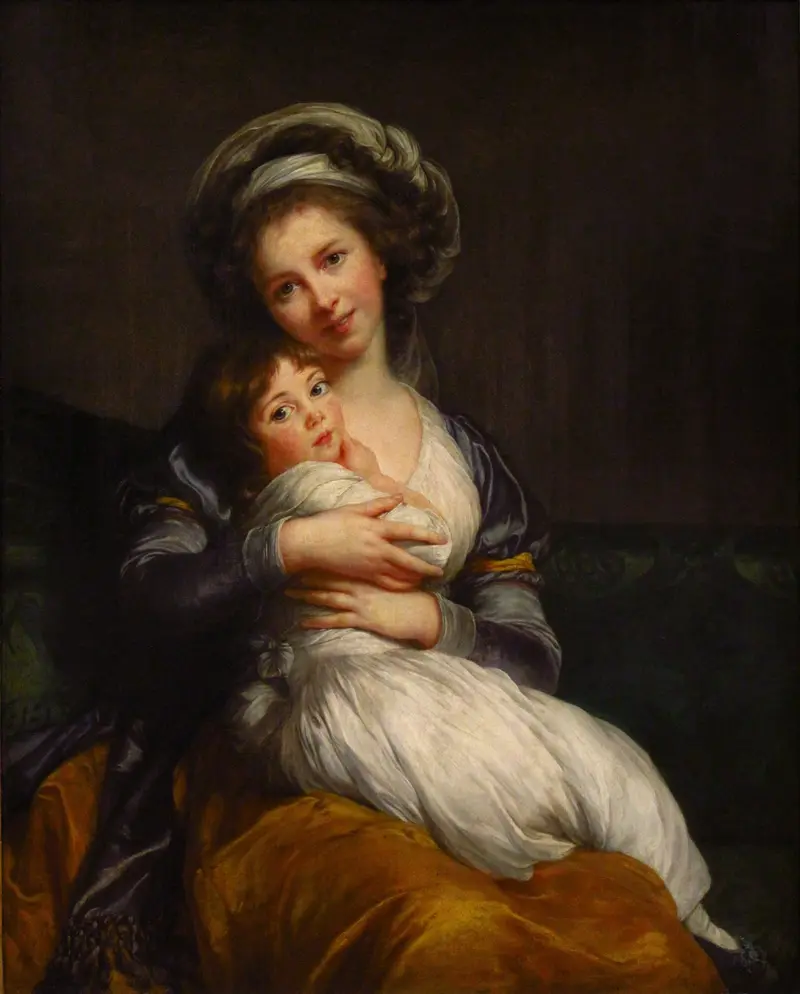
Self-portrait with Her Daughter, Julie
Elisabeth Louise Vigée Le Brun





