
Self-portrait with Her Daughter, Julie — History & Facts
What draws the viewer in first is the direct, unguarded gaze shared between mother and daughter, a rare intimacy for a portrait of the late eighteenth century. The artist, Elisabeth Louise Vigée Le Brun, cradles her young daughter Julie with arms that encircle and protect, yet her own expression is open, inviting the viewer into this private world. The child’s body twists gently, pressed close, her face turned outward with a look of quiet trust.
The light falls softly across both faces, pooling in the folds of white cloth and the mother’s luminous skin, while the background recedes into shadow, ensuring that nothing distracts from this exchange of affection. This kind of portrait, blending the conventions of aristocratic likeness with the warmth of domestic life, became a hallmark of Vigée Le Brun’s work. In an age when most portraits were stiff and formal, she chose to show herself not as a distant icon but as a mother, her body angled protectively around her child. The loose, flowing garments and the soft, almost tactile rendering of fabric signal a new sensitivity to feeling and naturalness, echoing the broader shifts in late eighteenth-century taste.
Painted in 1786, this work belongs to a moment when artists—and their patrons—were beginning to value sincerity and personal connection over ceremony. History has kept few traces of this specific canvas’s journey, but its emotional clarity speaks directly across the centuries, inviting us to linger with these two faces and imagine the world they shared.
More Artworks by Elisabeth Louise Vigée Le Brun
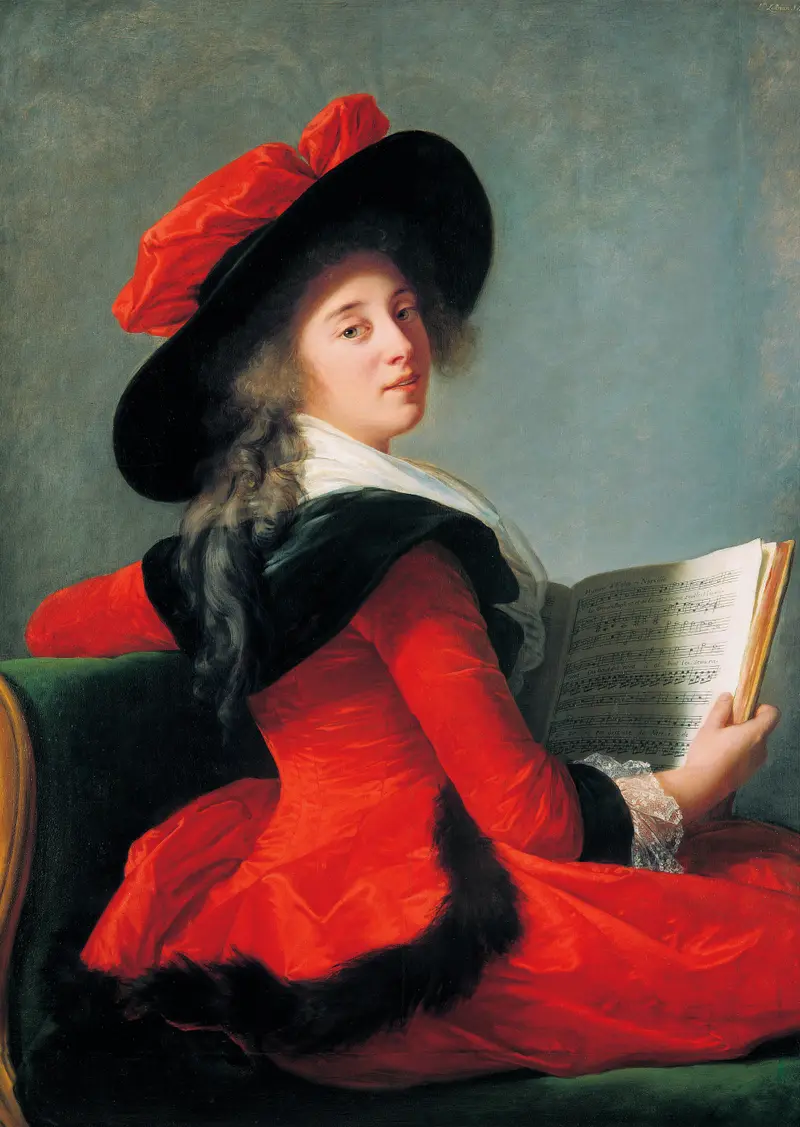
Baronne de Crussol
Elisabeth Louise Vigée Le Brun
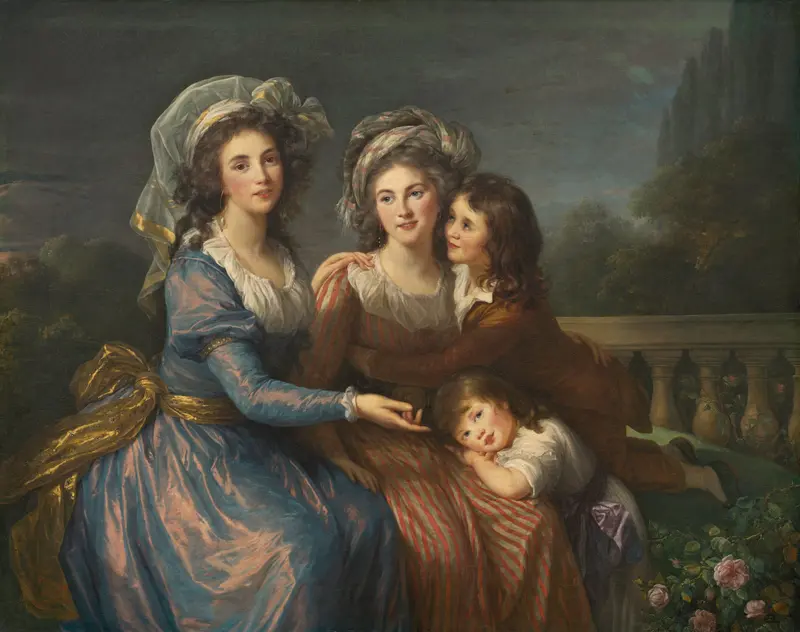
The Marquise de Pezay, and the Marquise de Rougé with Her Sons Alexis and Adrien
Elisabeth Louise Vigée Le Brun

Giuseppina Grassini Playing Zaire
Elisabeth Louise Vigée Le Brun
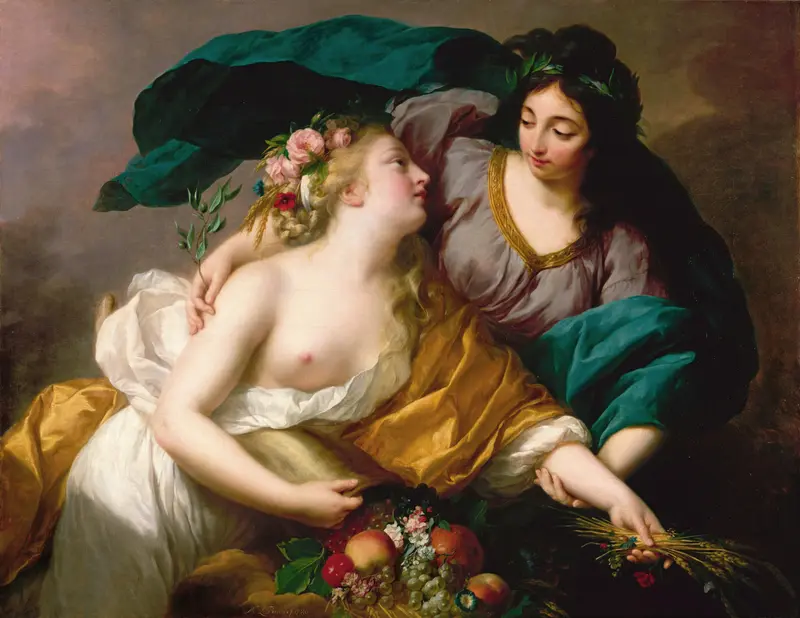
Peace bringing back Prosperity
Elisabeth Louise Vigée Le Brun
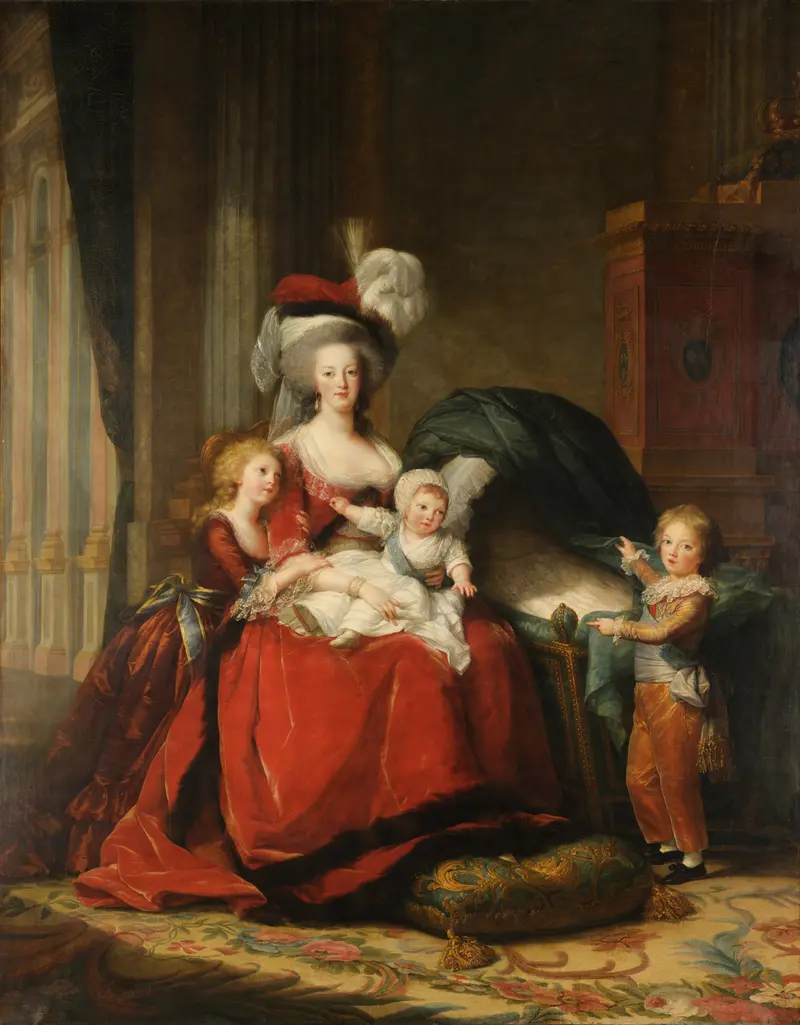
Marie Antoinette and Her Children
Elisabeth Louise Vigée Le Brun
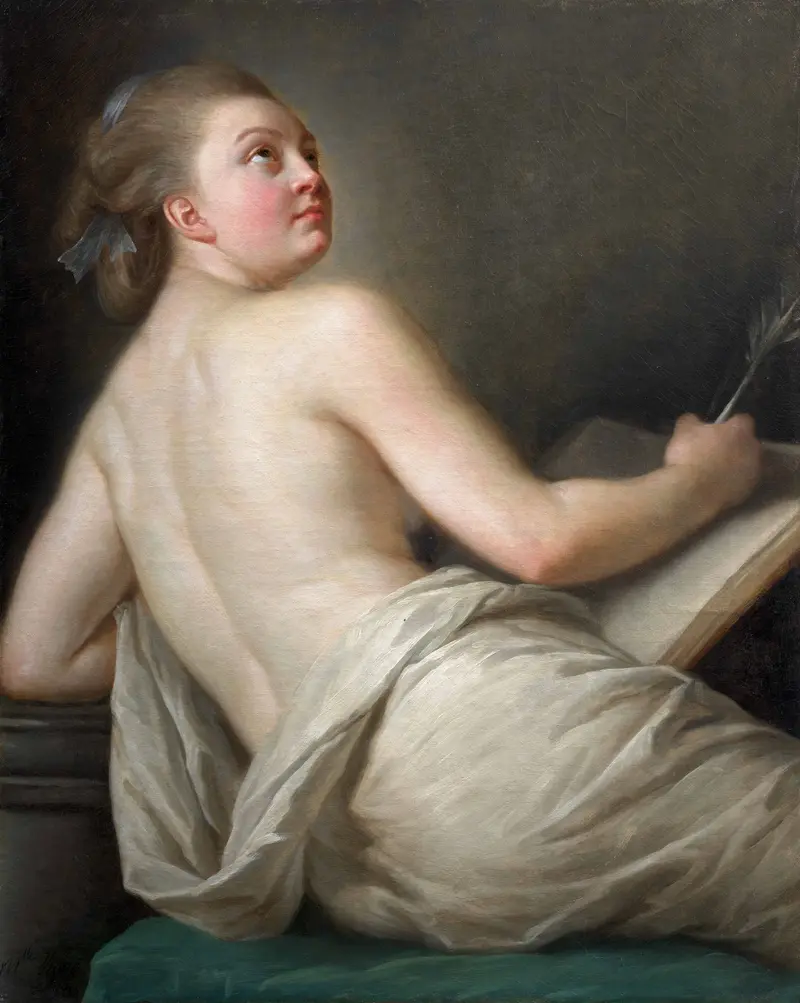
Allegory of Poetry
Elisabeth Louise Vigée Le Brun
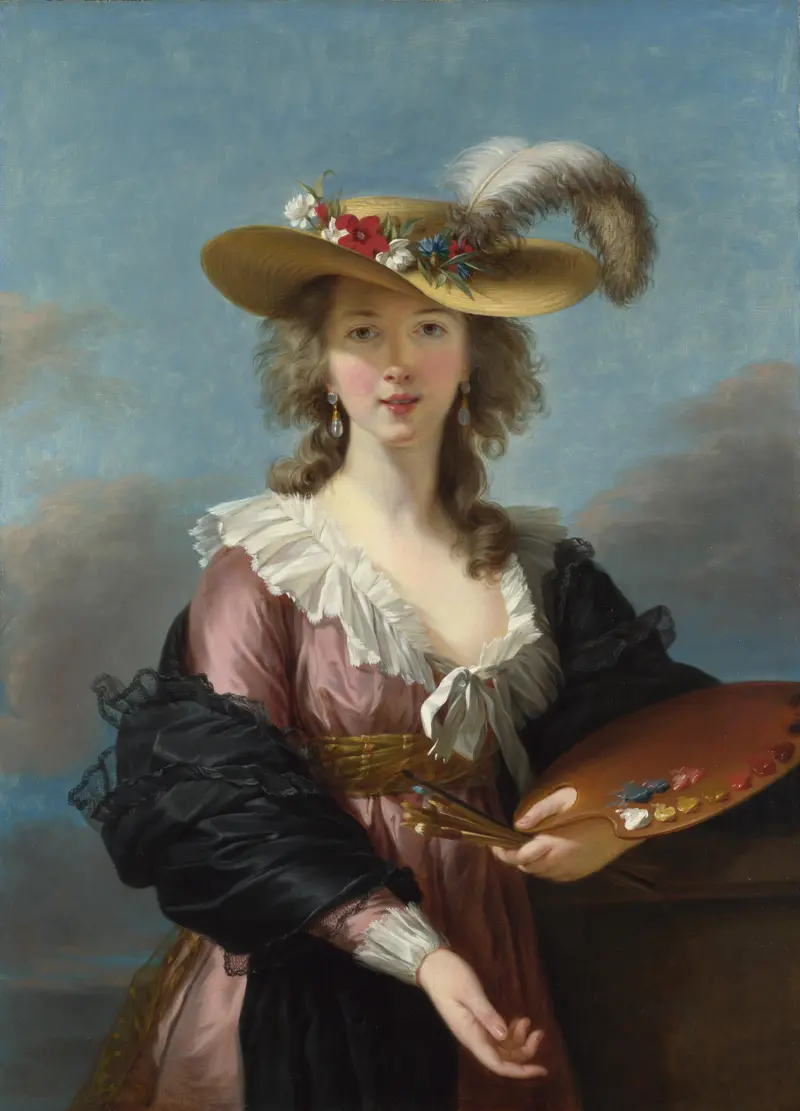
Self Portrait in a Straw Hat
Elisabeth Louise Vigée Le Brun
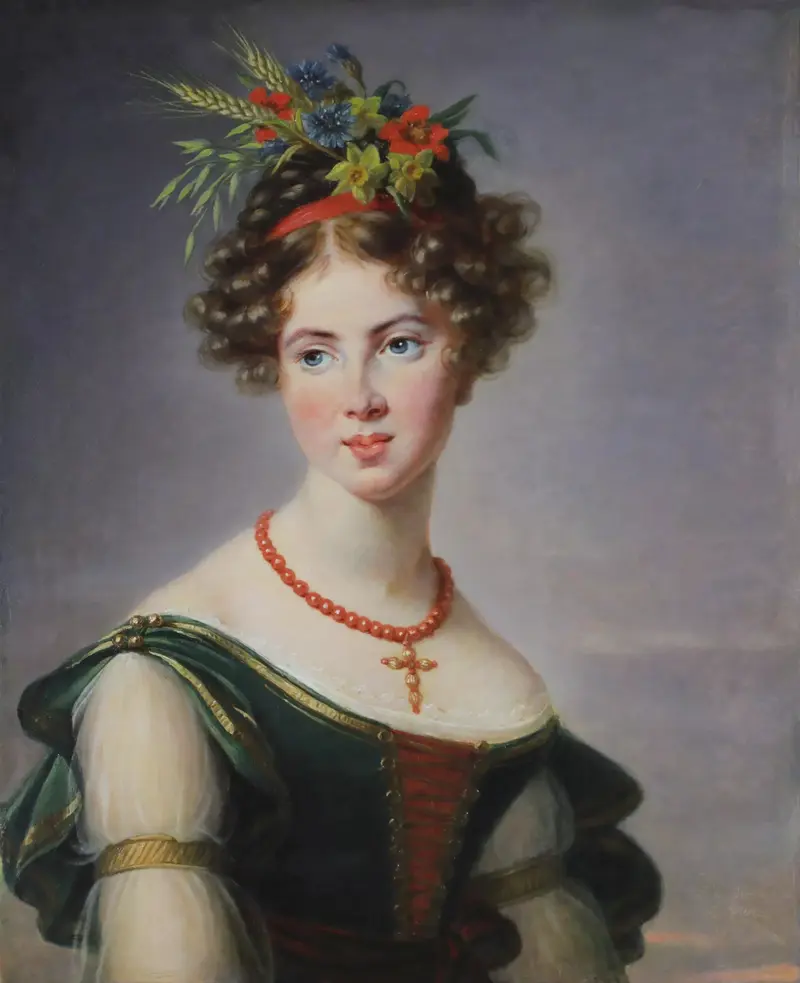
Portrait de la comtesse de Baussancourt, par Élisabeth Vigée Le Brun
Elisabeth Louise Vigée Le Brun

Hubert Robert
Elisabeth Louise Vigée Le Brun
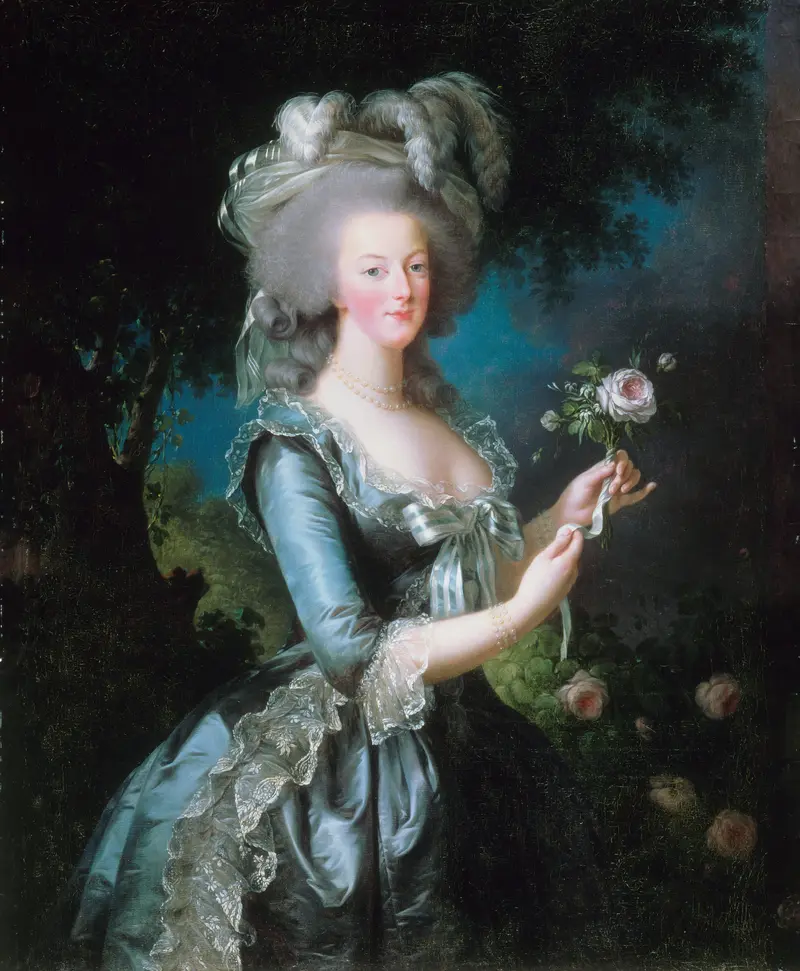
Marie Antoinette with a Rose
Elisabeth Louise Vigée Le Brun





