
Marie Antoinette with a Rose — History & Facts
What first catches the eye is the poised confidence of a queen, rendered with a delicacy that is all surface and suggestion. The sitter’s gaze meets the viewer directly, her lips almost forming a smile, while her fingers delicately offer a single rose—an emblem of grace and perhaps of fleeting beauty. The opulent blue satin of her gown gleams beneath a cascade of lace, its shimmer leading the eye to the creamy skin of her décolletage and the pearls at her throat.
The background, a darkened garden washed with hints of blue and green, frames her as if she were a rare bloom herself, set apart from the world yet rooted in it. Every detail, from the extravagant feathered headdress to the subtle play of light on her face, is designed to assert both majesty and approachability. This portrait belongs to the world of late eighteenth-century France, when royal portraiture was both a tool of image-making and a battleground of public opinion. In 1783, the year this work was painted, Elisabeth Louise Vigée Le Brun was already celebrated for her ability to flatter and humanize her royal sitters, especially women.
Such portraits were commissioned to project ideals—virtue, refinement, and authority—at a moment when the monarchy’s image was under increasing scrutiny. The genre’s conventions are all present here: the sumptuous costume, the symbolic flower, the carefully staged informality. History has kept few traces of the journeys of this specific painting, now found in the Google Arts & Culture collection, but its style and date root it firmly in the twilight of the Ancien Régime.
Look again at the rose in her hand, and consider what it might have meant to both painter and queen as the world around them began to change.
More Artworks by Elisabeth Louise Vigée Le Brun
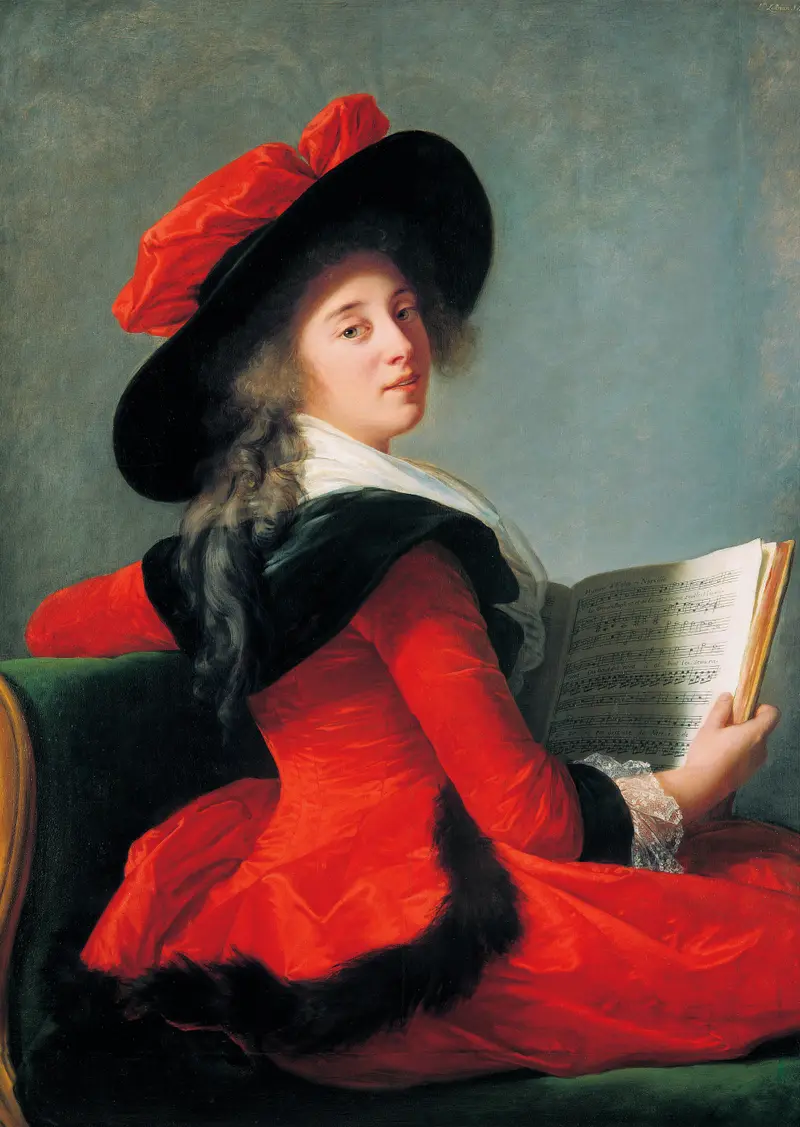
Baronne de Crussol
Elisabeth Louise Vigée Le Brun
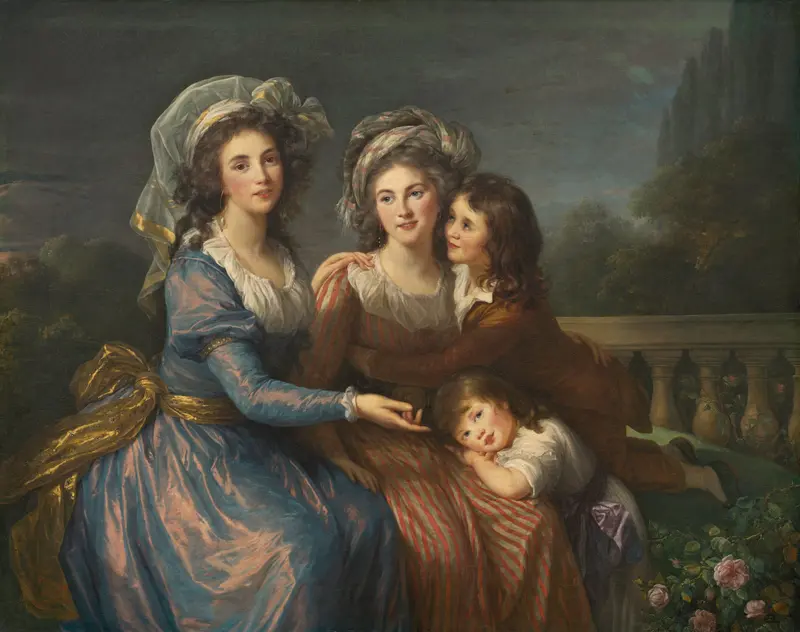
The Marquise de Pezay, and the Marquise de Rougé with Her Sons Alexis and Adrien
Elisabeth Louise Vigée Le Brun

Giuseppina Grassini Playing Zaire
Elisabeth Louise Vigée Le Brun
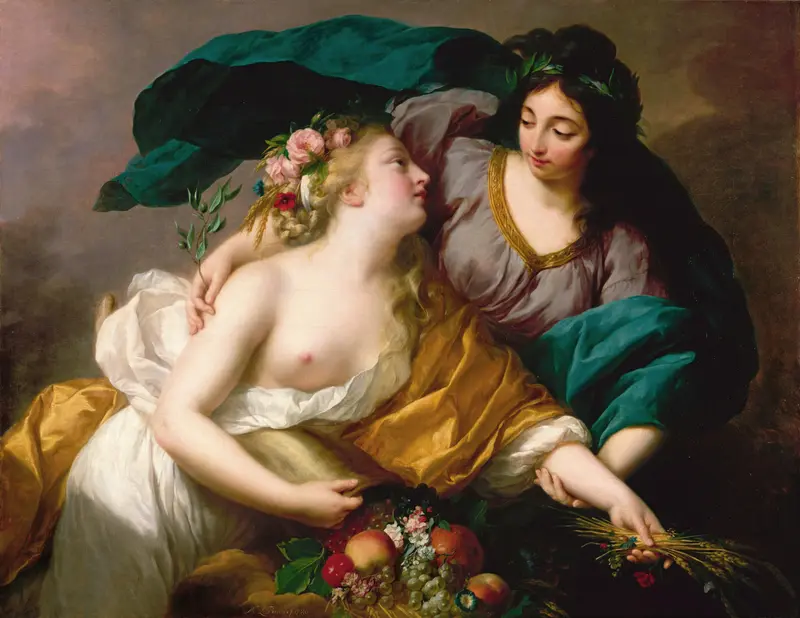
Peace bringing back Prosperity
Elisabeth Louise Vigée Le Brun
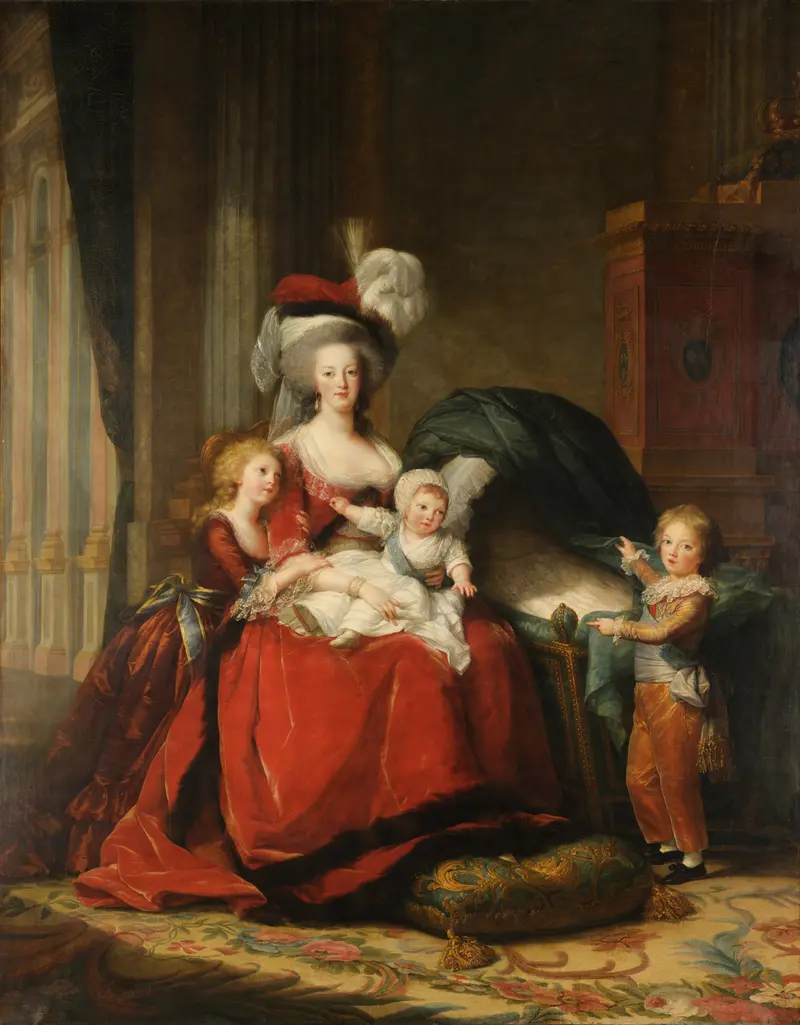
Marie Antoinette and Her Children
Elisabeth Louise Vigée Le Brun
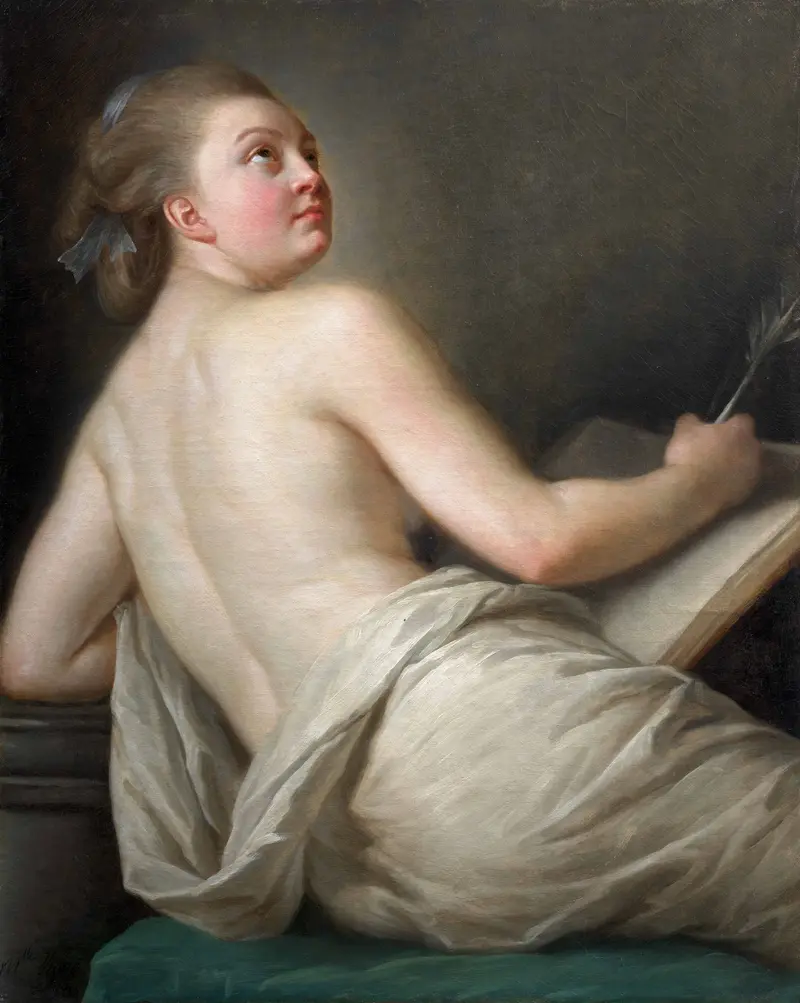
Allegory of Poetry
Elisabeth Louise Vigée Le Brun
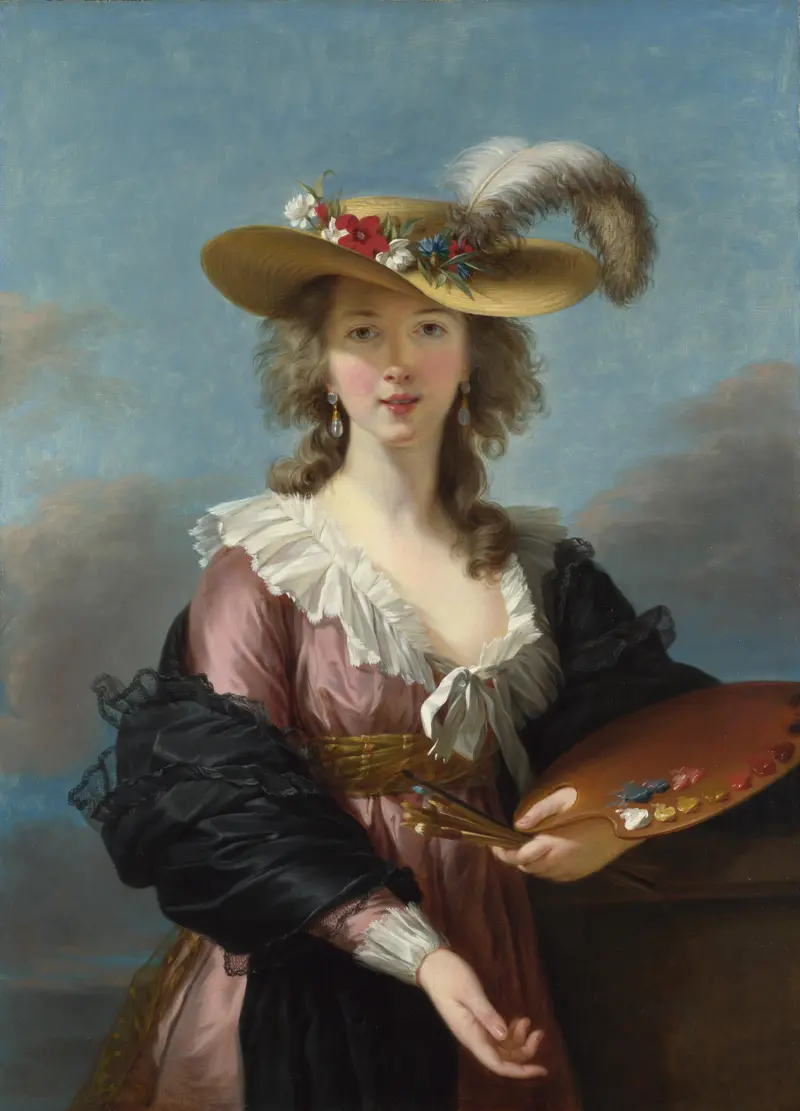
Self Portrait in a Straw Hat
Elisabeth Louise Vigée Le Brun
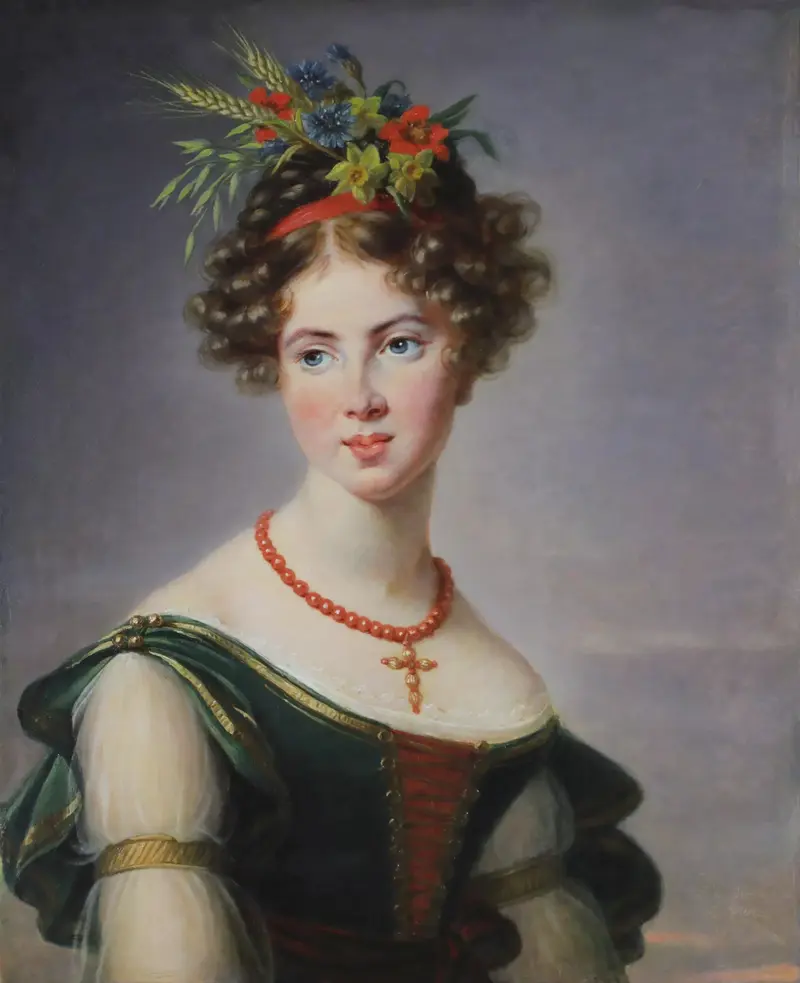
Portrait de la comtesse de Baussancourt, par Élisabeth Vigée Le Brun
Elisabeth Louise Vigée Le Brun

Hubert Robert
Elisabeth Louise Vigée Le Brun
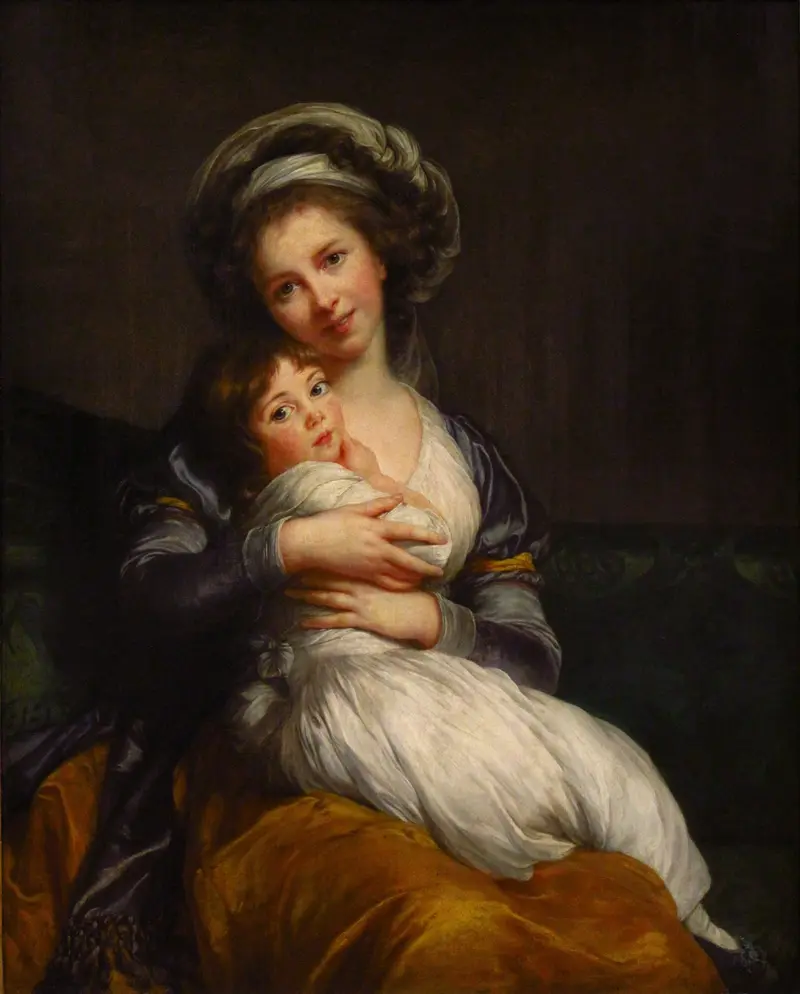
Self-portrait with Her Daughter, Julie
Elisabeth Louise Vigée Le Brun





