
Marie Antoinette and Her Children — History & Facts
A queen sits at the heart of her family, but it is the emptiness beside her that first draws the eye: a vacant cradle, draped in shadow, a silent sign of loss. Around Marie Antoinette, her three surviving children cluster in a staged intimacy, each gesture carefully orchestrated. The queen’s velvet dress, rich and heavy, pools around her as she steadies her young son Louis-Charles on her lap, his arms lively, his bonnet askew—a burst of childish energy that breaks the tableau’s formality.
Light falls across her face and the faces of her children, picking out the creamy skin and the sheen of fabric, while the background recedes into a muted dusk, focusing our gaze on the family’s fragile unity. The absence of jewelry, especially the notorious necklace, is no accident: every detail is chosen to present the queen as a devoted mother, not a figure of luxury. This painting belongs to the late eighteenth century, a time when royal portraits were more than likenesses—they were instruments of politics and persuasion. In 1787, as unrest simmered in France, images like this one were designed to shore up the monarchy’s reputation, showing rulers as loving parents rather than distant sovereigns.
Elisabeth Louise Vigée Le Brun was renowned for her ability to blend grandeur with warmth, and here she draws on the tradition of Madonna and Child, echoing works like Giulio Romano’s Madonna della Gatta to lend sacred resonance to the royal family. History has kept clear records of the painting’s sitters and its moment of creation, but the image itself invites us to look closer at the careful balance of affection and artifice, and to wonder what truths a portrait can truly reveal.
More Artworks by Elisabeth Louise Vigée Le Brun
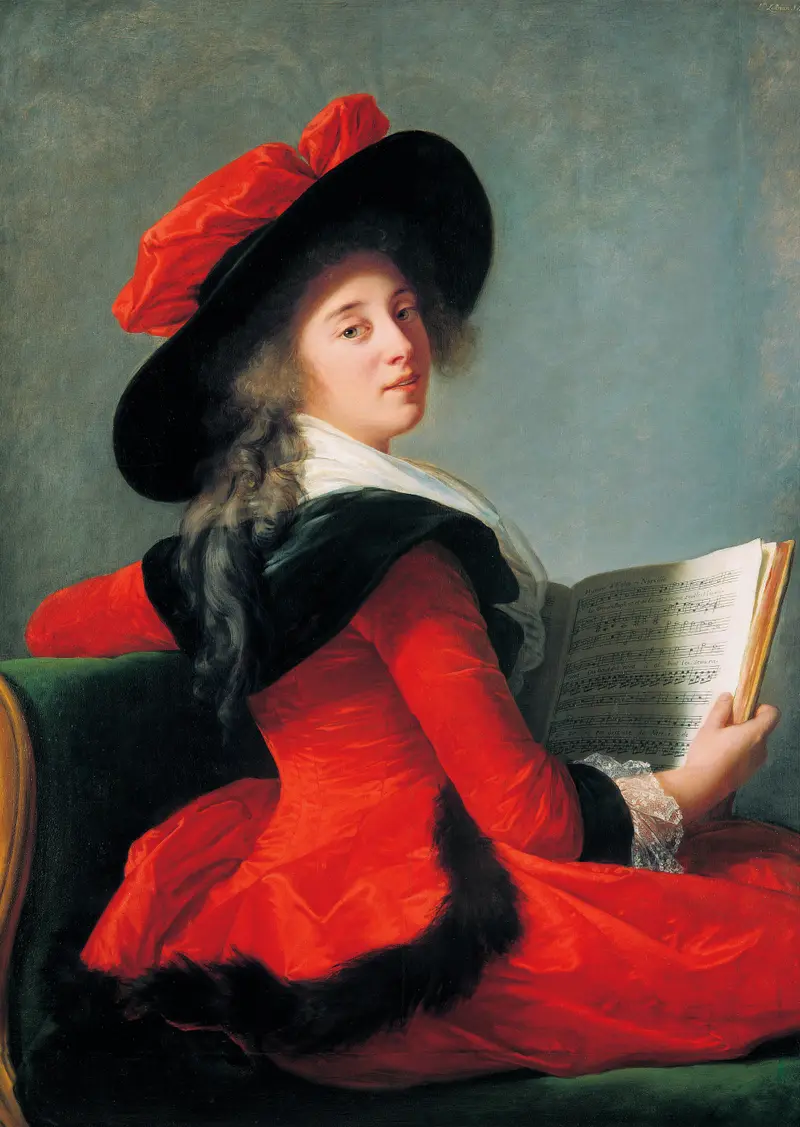
Baronne de Crussol
Elisabeth Louise Vigée Le Brun
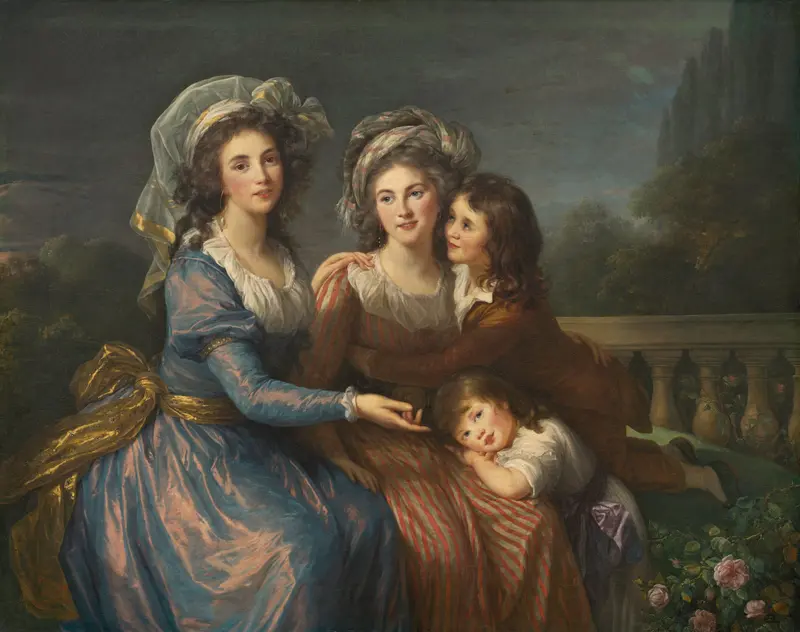
The Marquise de Pezay, and the Marquise de Rougé with Her Sons Alexis and Adrien
Elisabeth Louise Vigée Le Brun

Giuseppina Grassini Playing Zaire
Elisabeth Louise Vigée Le Brun
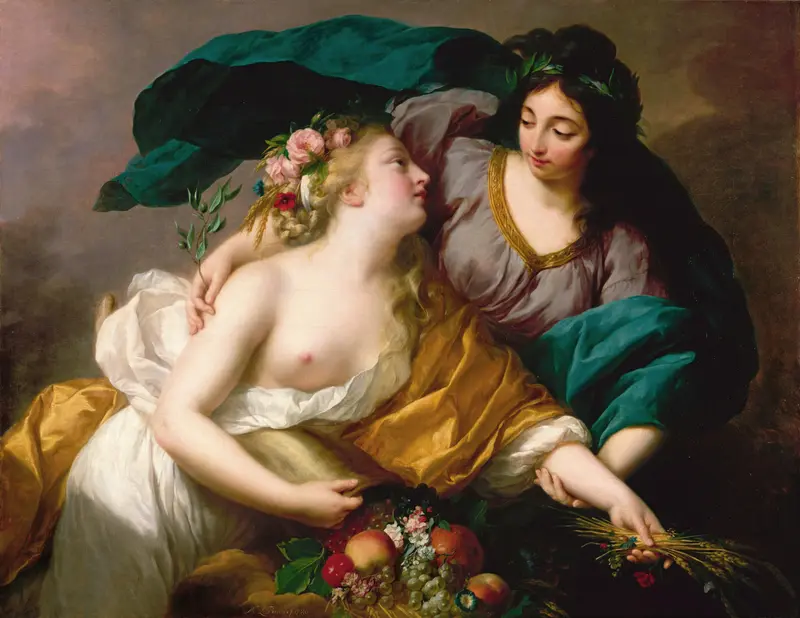
Peace bringing back Prosperity
Elisabeth Louise Vigée Le Brun
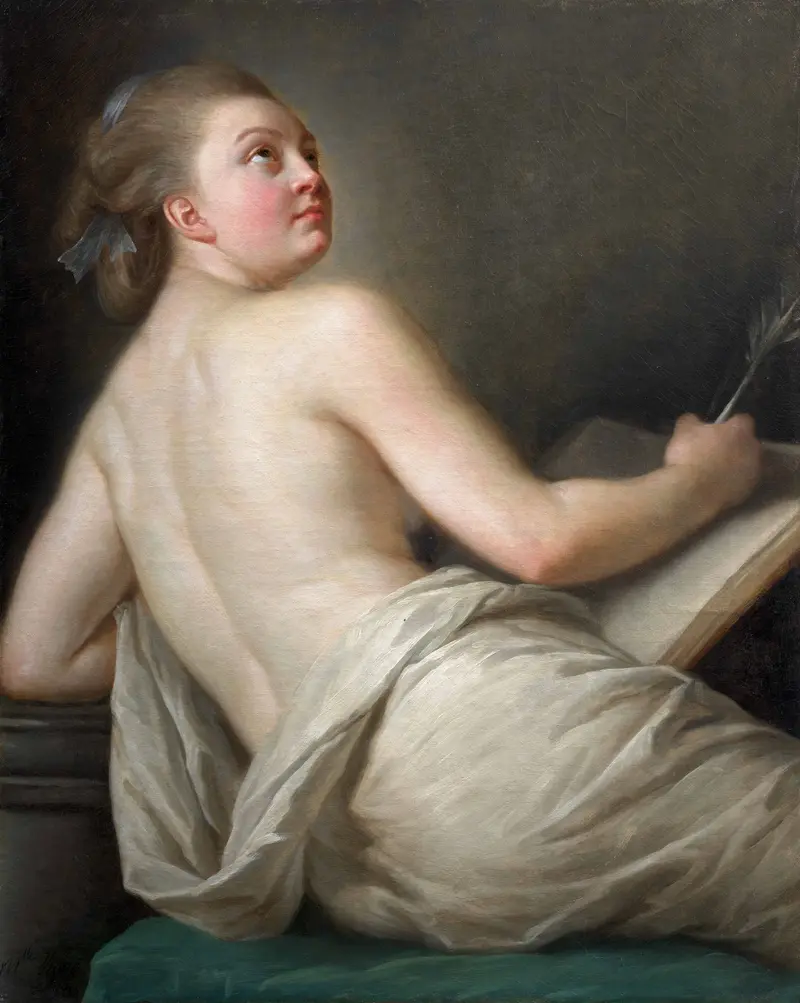
Allegory of Poetry
Elisabeth Louise Vigée Le Brun
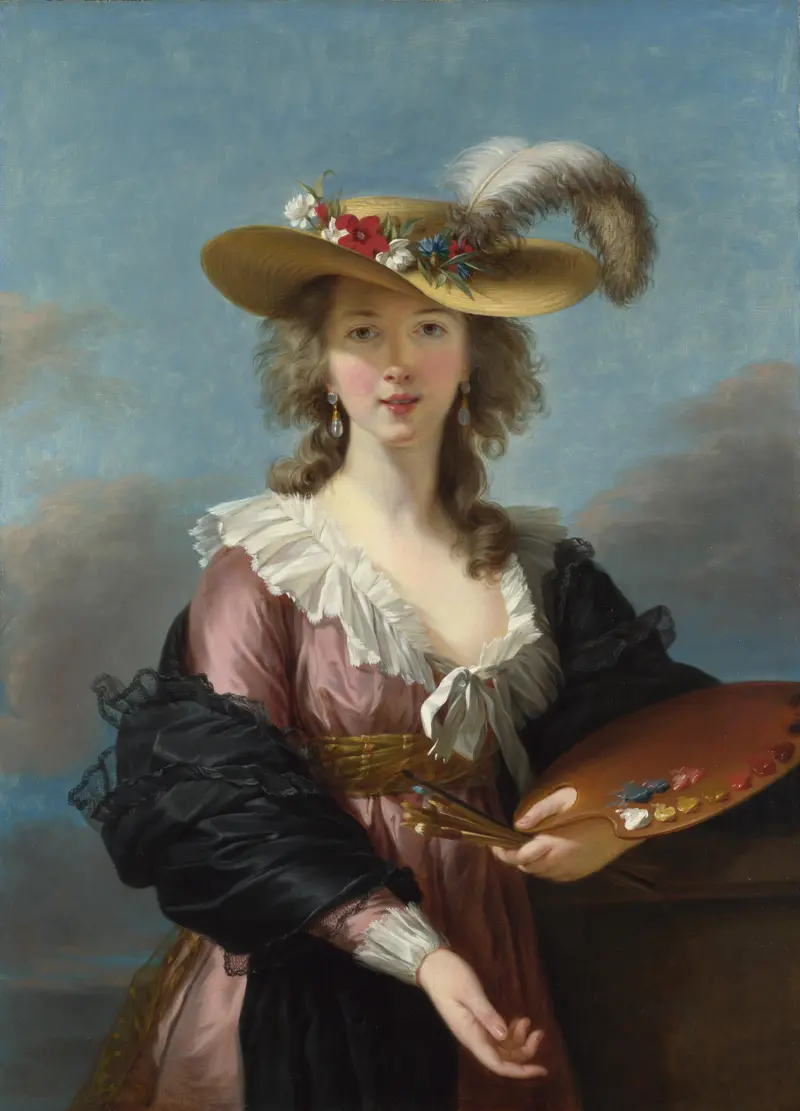
Self Portrait in a Straw Hat
Elisabeth Louise Vigée Le Brun
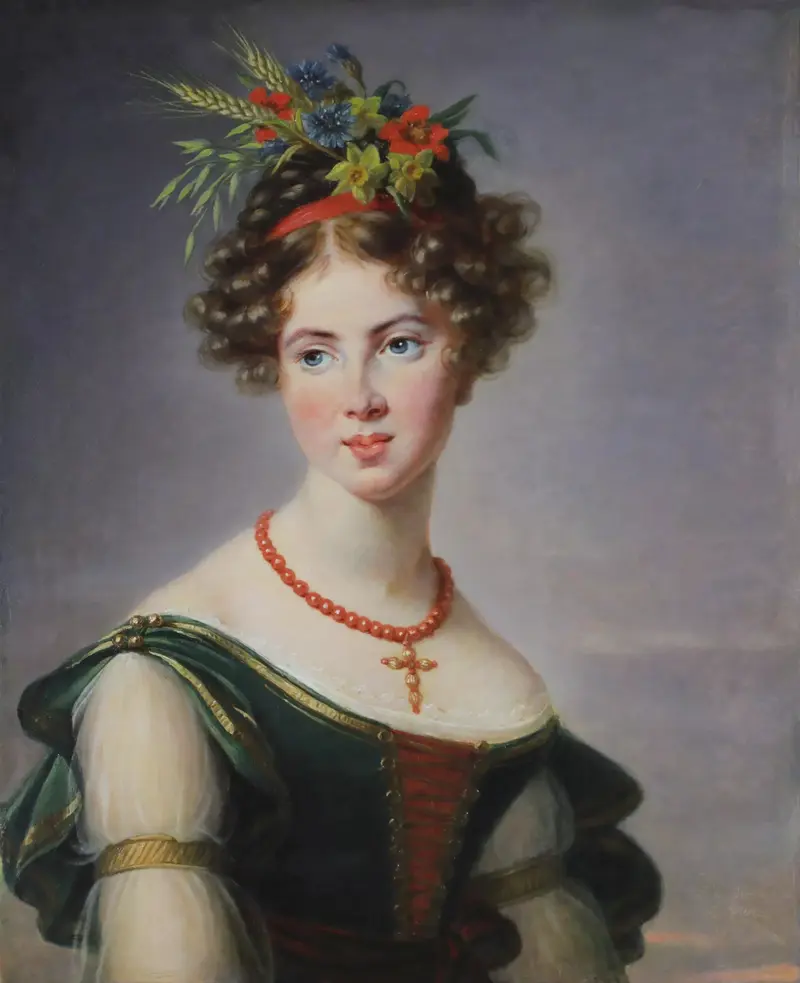
Portrait de la comtesse de Baussancourt, par Élisabeth Vigée Le Brun
Elisabeth Louise Vigée Le Brun

Hubert Robert
Elisabeth Louise Vigée Le Brun
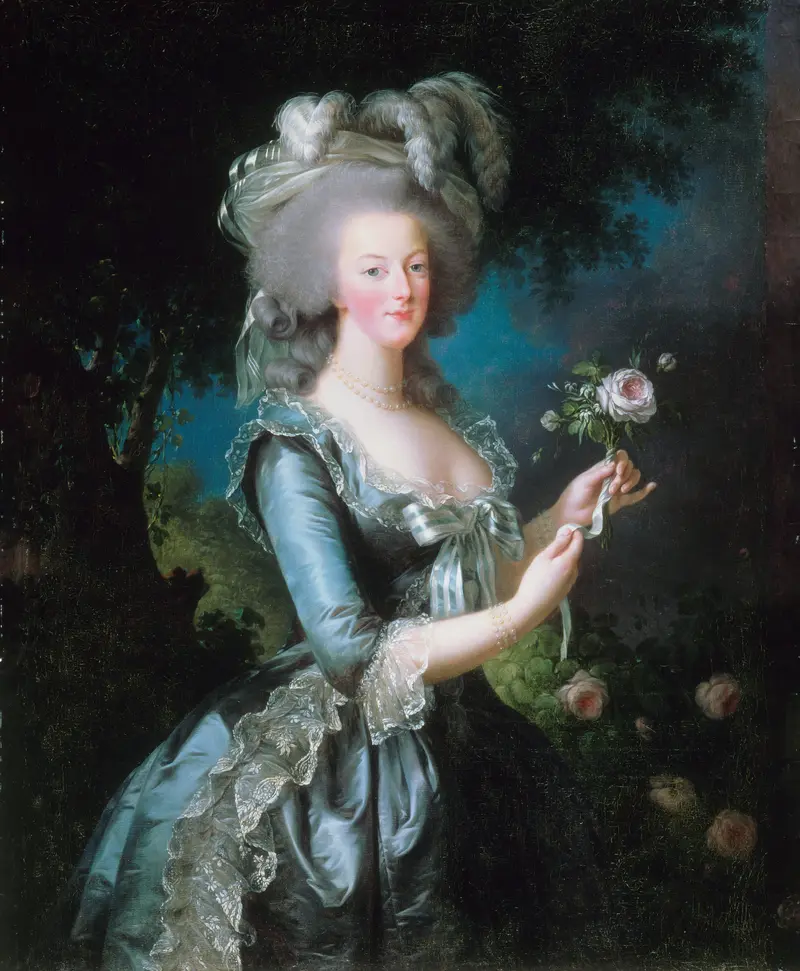
Marie Antoinette with a Rose
Elisabeth Louise Vigée Le Brun
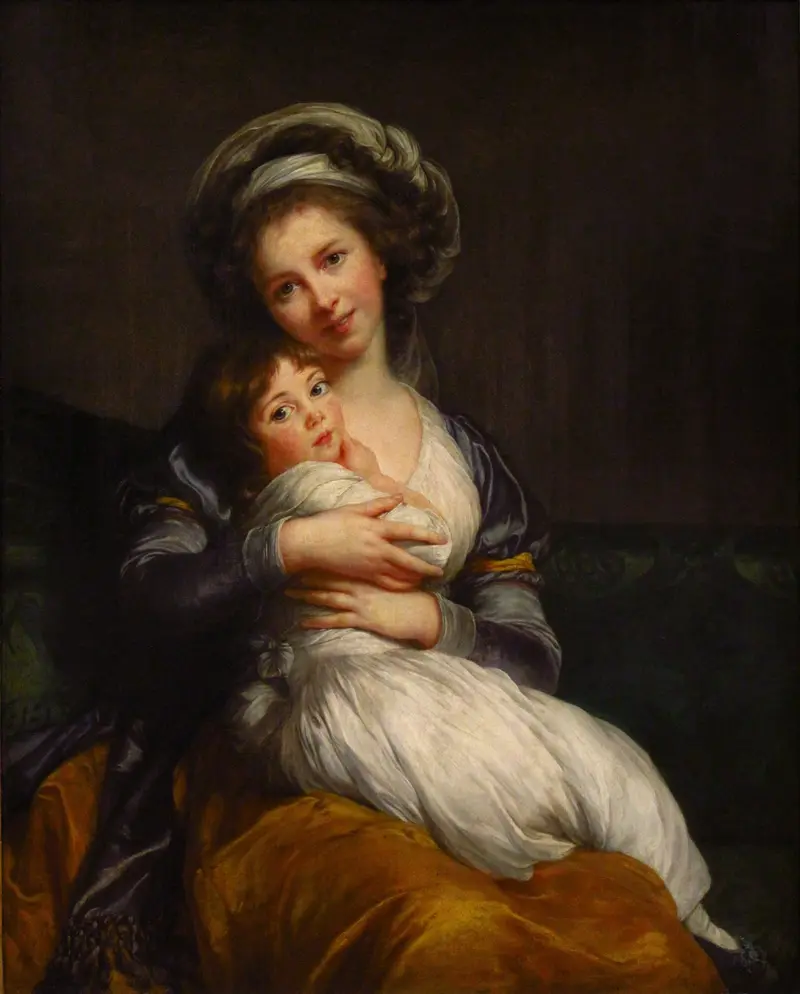
Self-portrait with Her Daughter, Julie
Elisabeth Louise Vigée Le Brun





