
Allegory of Poetry — History & Facts
A single glance draws you into the hush of inspiration: a young woman, her back bare and luminous, twists away from the viewer, her gaze lifted as if listening to a voice just out of reach. The sweep of her arm, poised with a quill above an open folio, is a gesture caught between thought and creation. Every fold of the drapery that slips from her shoulders seems to echo the tension of her concentration, while the gentle, cool light models her skin with a softness that invites intimacy but keeps her inner world private.
The composition leads the eye upward, following her line of sight into the shadowed space beyond the frame, suggesting that the true subject is not the figure herself, but the moment of poetic revelation she embodies. Painted in 1774, this Allegory of Poetry belongs to a tradition where artists visualized the arts as living muses, often female, poised at the threshold between the earthly and the imaginative. In the France of Elisabeth Louise Vigée Le Brun, such allegories were both a celebration of artistic genius and a coded assertion of the painter’s own creative powers, particularly for women who navigated the strictures of the Academy. The sensuous realism of the figure, with her flushed cheeks and attentive expression, speaks to the late eighteenth-century fascination with both classical ideals and the immediacy of lived experience.
History has kept few traces of this particular painting’s journey, but its presence in a modern collection reminds us to look again at how inspiration was pictured—and who was allowed to claim it.
More Artworks by Elisabeth Louise Vigée Le Brun
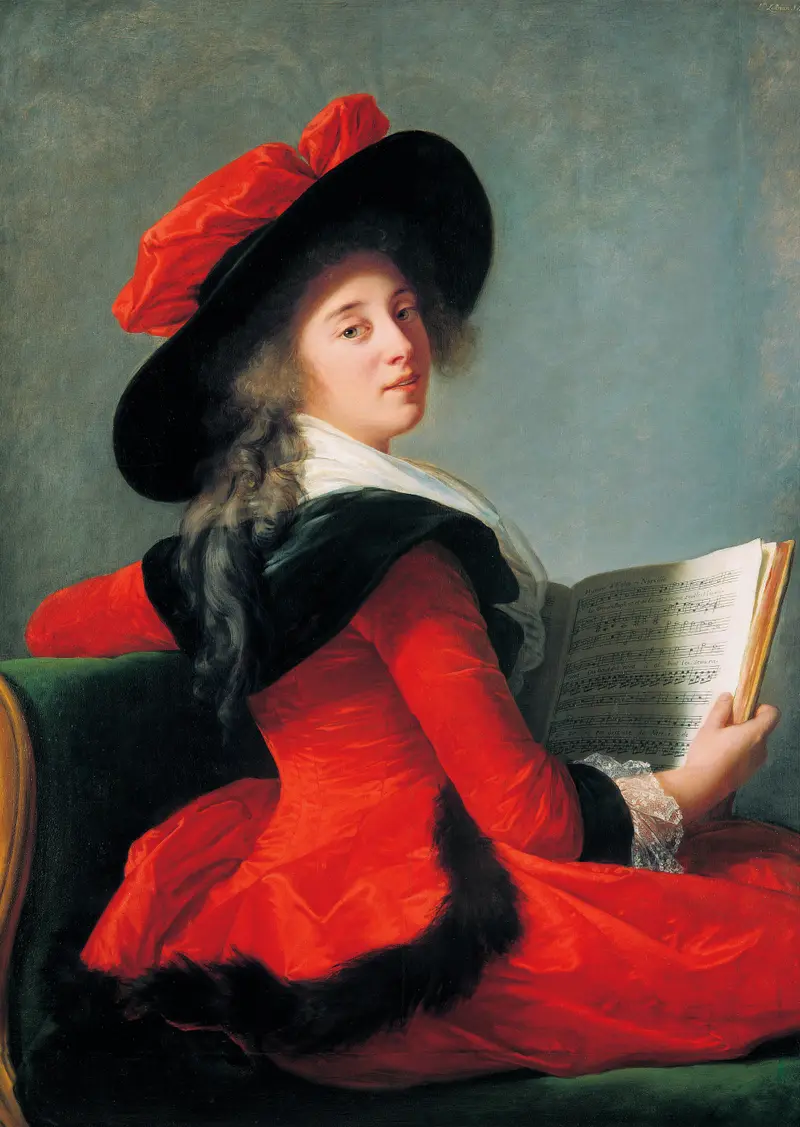
Baronne de Crussol
Elisabeth Louise Vigée Le Brun
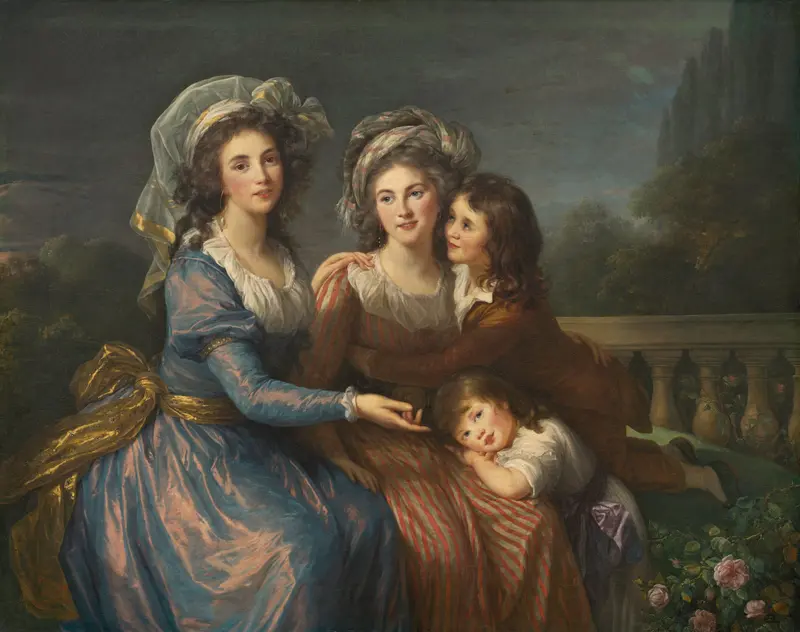
The Marquise de Pezay, and the Marquise de Rougé with Her Sons Alexis and Adrien
Elisabeth Louise Vigée Le Brun

Giuseppina Grassini Playing Zaire
Elisabeth Louise Vigée Le Brun
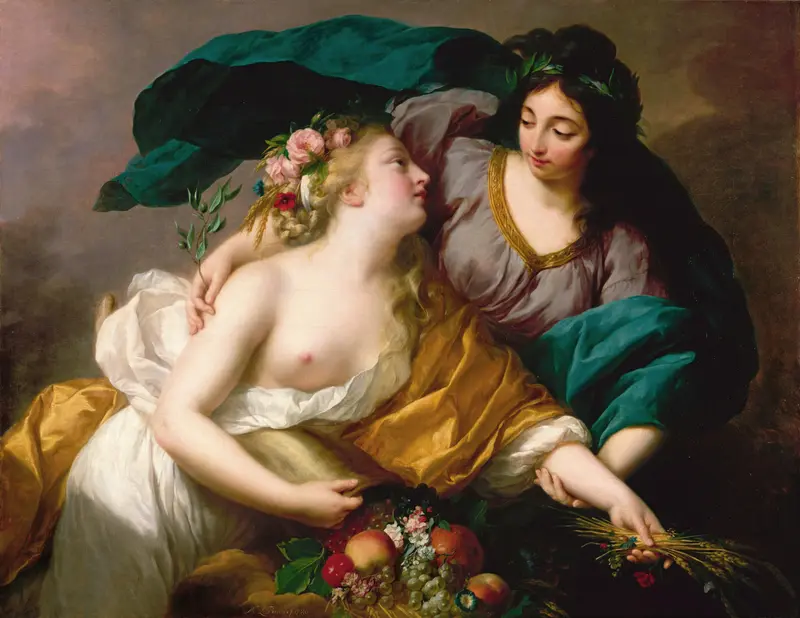
Peace bringing back Prosperity
Elisabeth Louise Vigée Le Brun
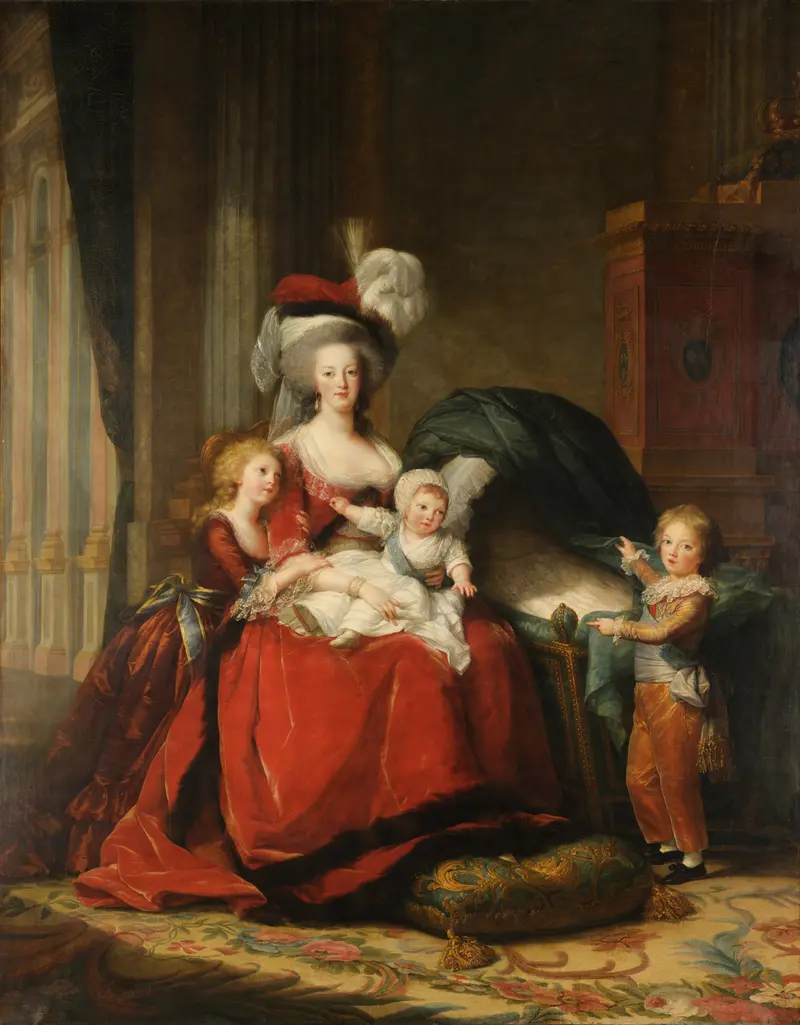
Marie Antoinette and Her Children
Elisabeth Louise Vigée Le Brun
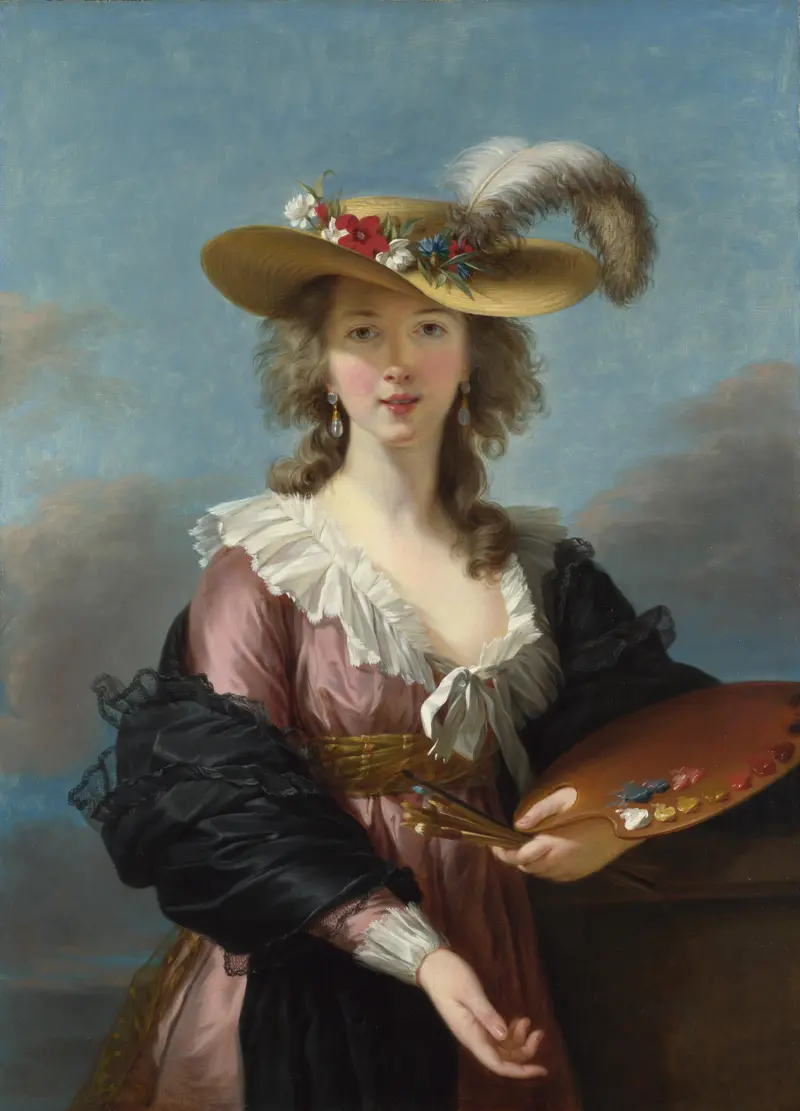
Self Portrait in a Straw Hat
Elisabeth Louise Vigée Le Brun
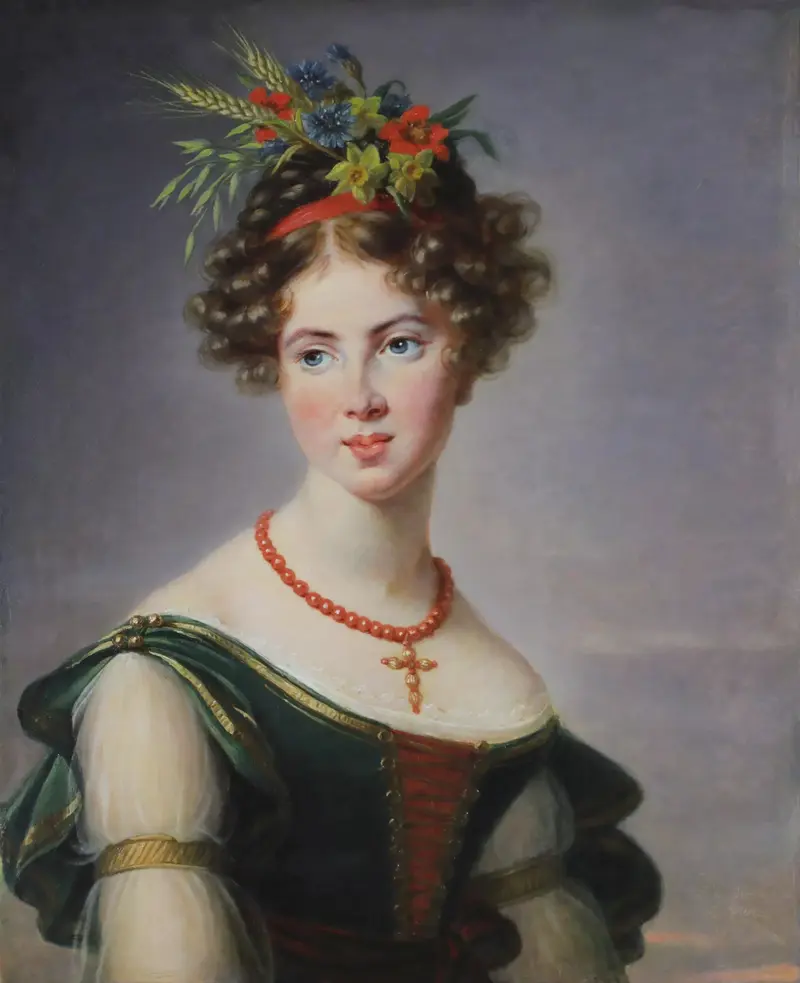
Portrait de la comtesse de Baussancourt, par Élisabeth Vigée Le Brun
Elisabeth Louise Vigée Le Brun

Hubert Robert
Elisabeth Louise Vigée Le Brun
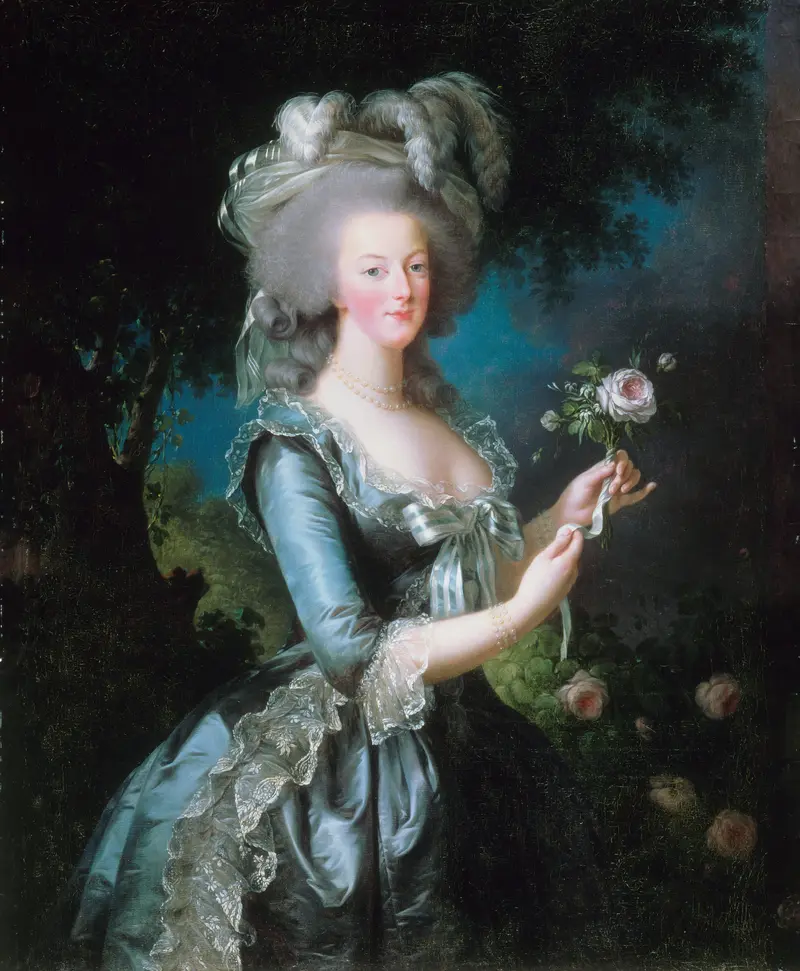
Marie Antoinette with a Rose
Elisabeth Louise Vigée Le Brun
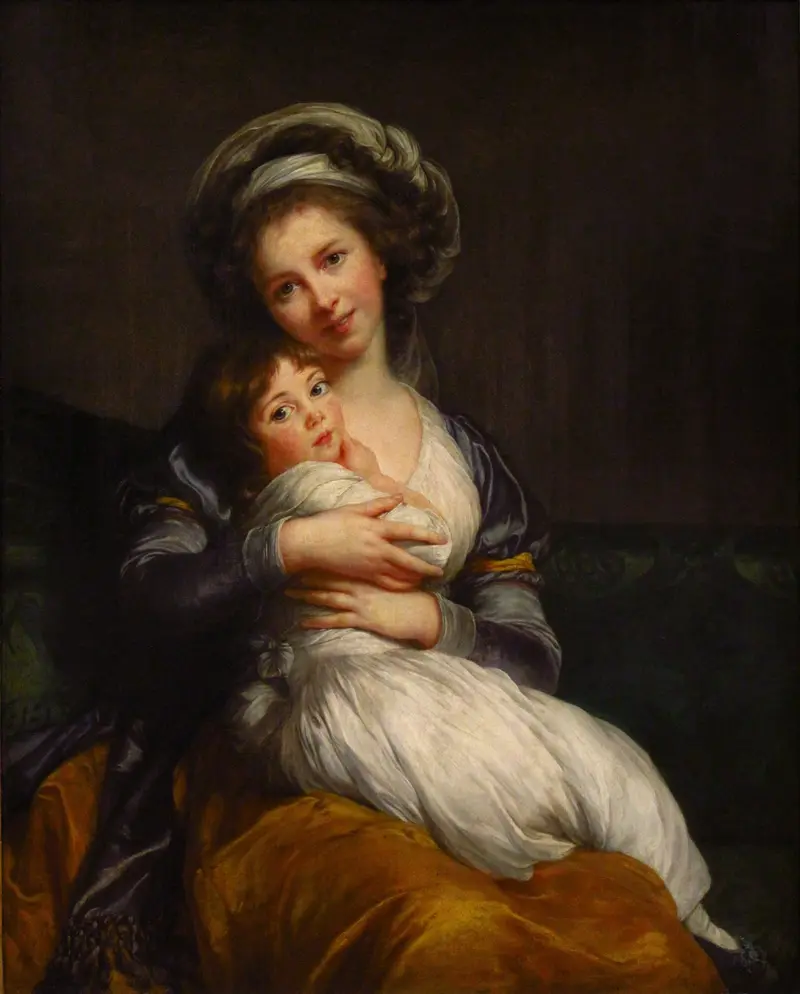
Self-portrait with Her Daughter, Julie
Elisabeth Louise Vigée Le Brun





