
Hubert Robert — History & Facts
What draws the eye first is the alert, searching gaze of the sitter—caught mid-thought, as if interrupted by some unseen presence just beyond the frame. One hand anchors him to the ledge, the other clutches palette and brushes, tools of his trade, as if ready to return to work at any moment. The light pools gently across his face and chest, picking out the texture of his tousled hair and the crisp folds of his white scarf, while the background recedes into a warm, enveloping shadow.
The artist has chosen a moment of poised anticipation, the sitter’s body turned, his attention elsewhere, inviting the viewer to wonder what vision or memory has captured him so completely. The palette’s muted tones and the sitter’s practical attire speak to a world where art is both labor and calling. Painted in 1788, this portrait belongs to a period when artists were increasingly celebrated as individuals, not mere craftsmen. The late eighteenth century saw the rise of the artist’s self-image, and portraits like this—whether of oneself or a fellow painter—became a declaration of status and intellect.
Elisabeth Louise Vigée Le Brun was among the few women to achieve renown in this male-dominated world, and her sitters often belonged to the circles of Parisian culture and creativity. Though little is recorded about this specific work’s early history, its presence today in the GalleriX collection is a reminder of the era’s fascination with the personality behind the brush. The sitter’s thoughtful pose and the painterly attention to fabric and flesh invite the viewer to linger, searching for the inner life that animates the surface.
More Artworks by Elisabeth Louise Vigée Le Brun
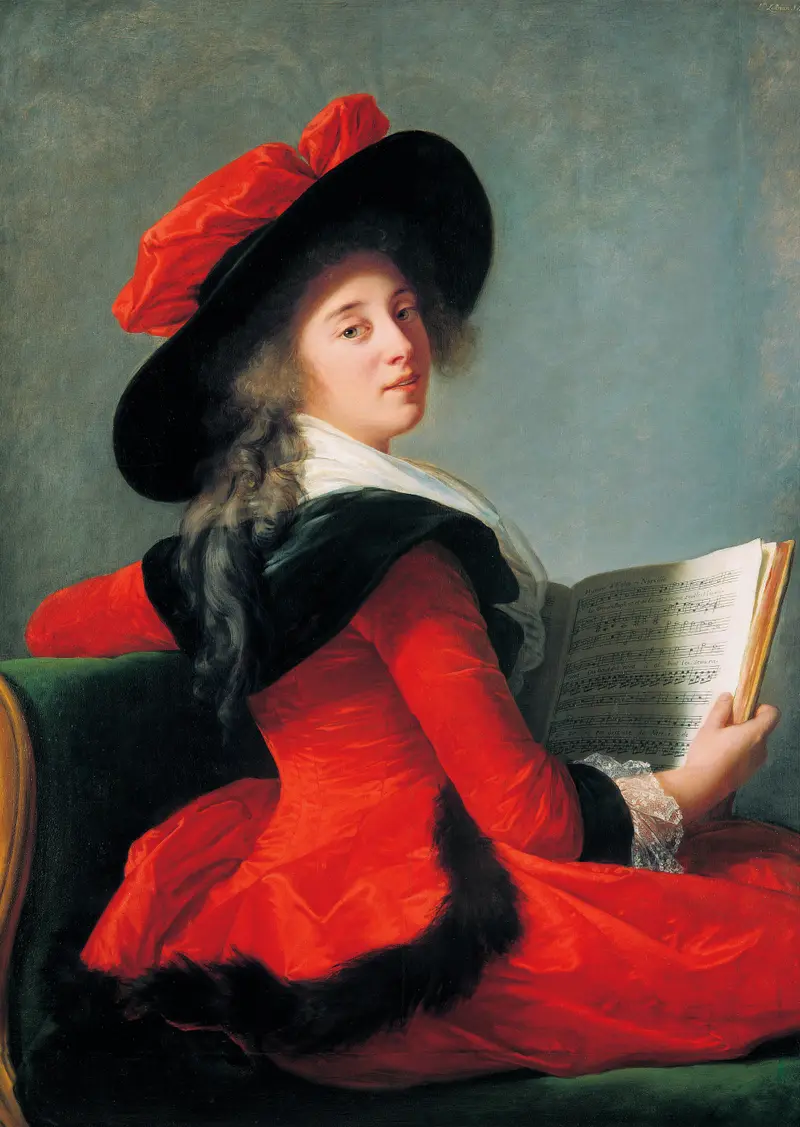
Baronne de Crussol
Elisabeth Louise Vigée Le Brun
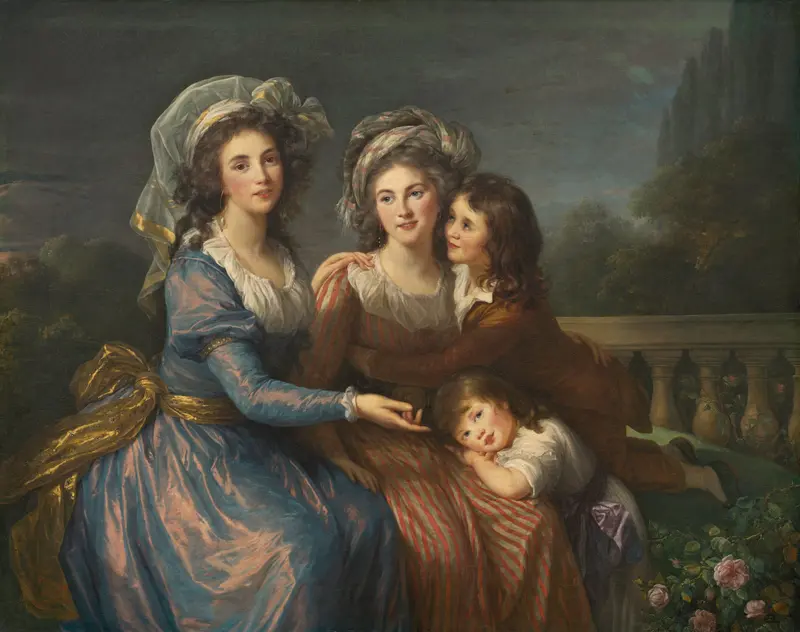
The Marquise de Pezay, and the Marquise de Rougé with Her Sons Alexis and Adrien
Elisabeth Louise Vigée Le Brun

Giuseppina Grassini Playing Zaire
Elisabeth Louise Vigée Le Brun
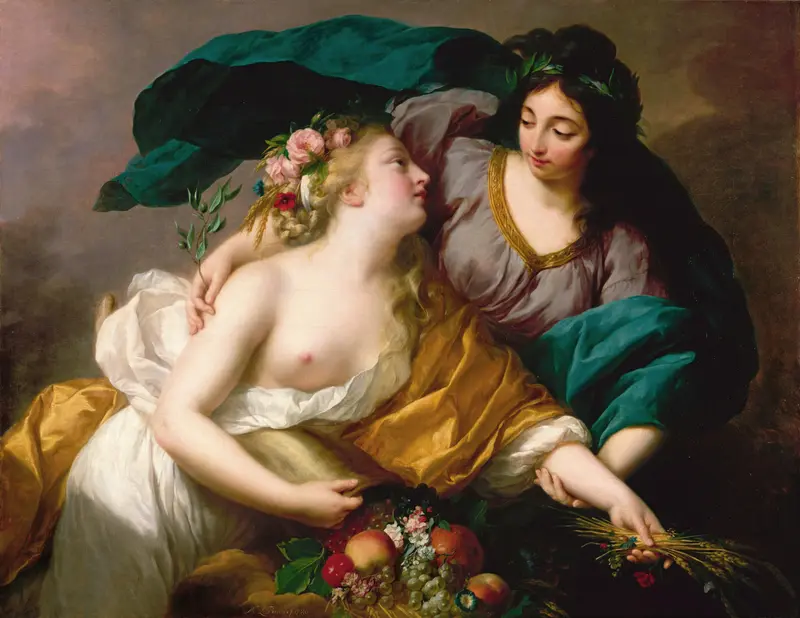
Peace bringing back Prosperity
Elisabeth Louise Vigée Le Brun
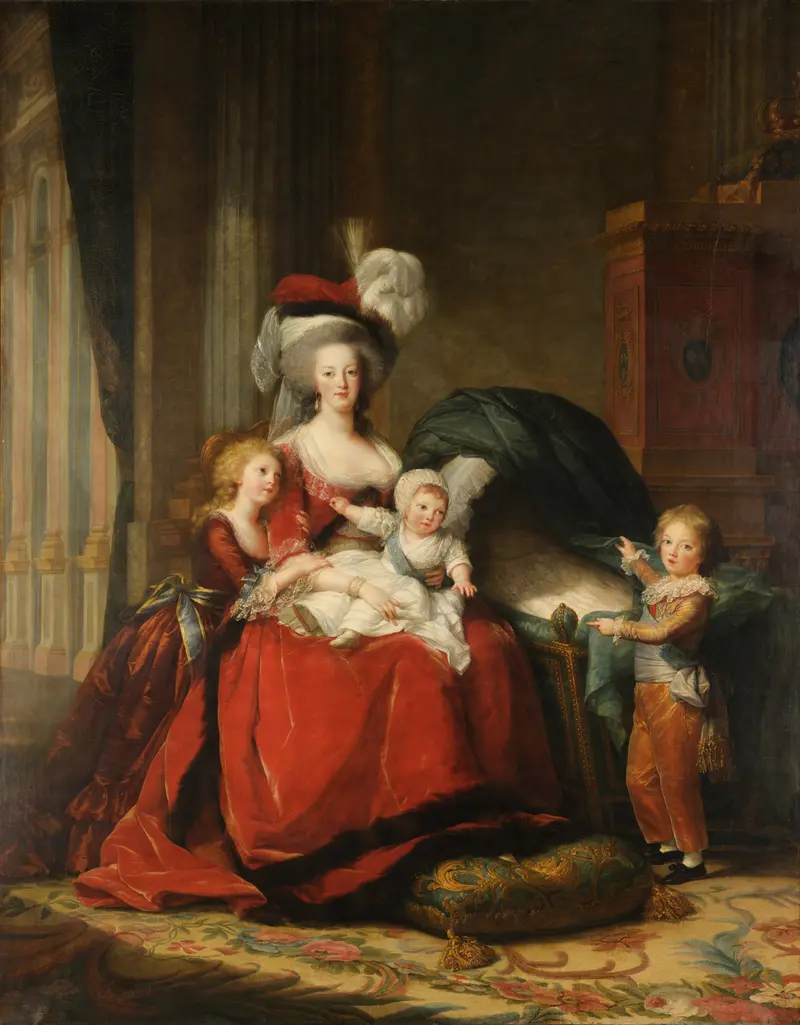
Marie Antoinette and Her Children
Elisabeth Louise Vigée Le Brun
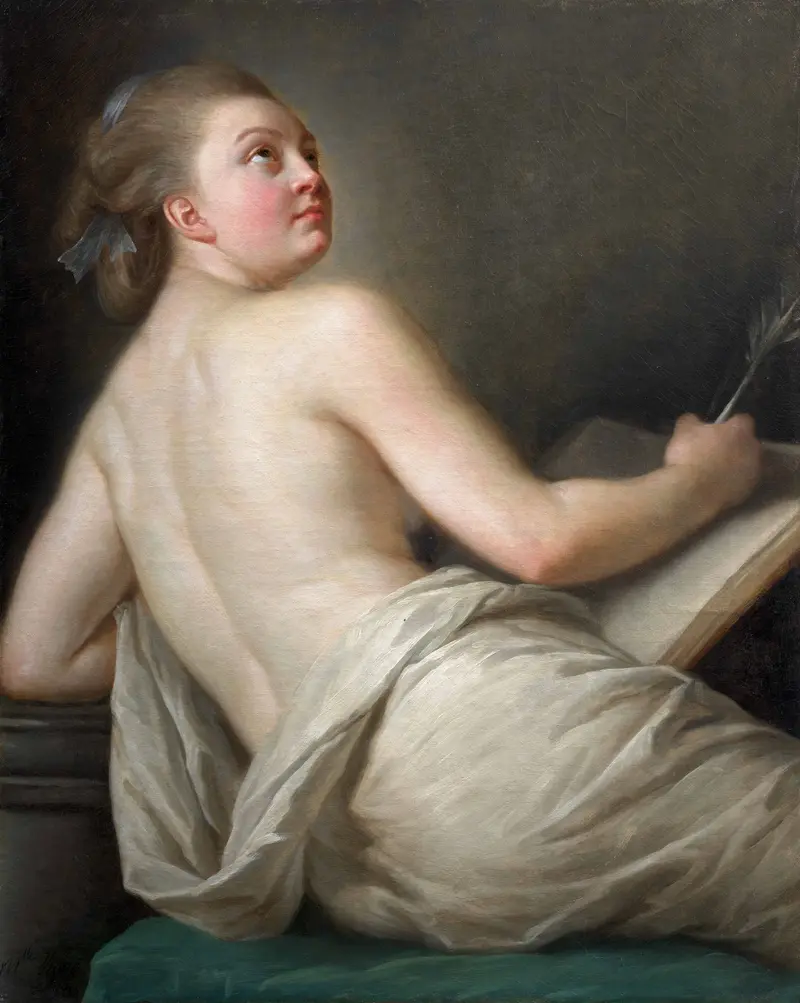
Allegory of Poetry
Elisabeth Louise Vigée Le Brun
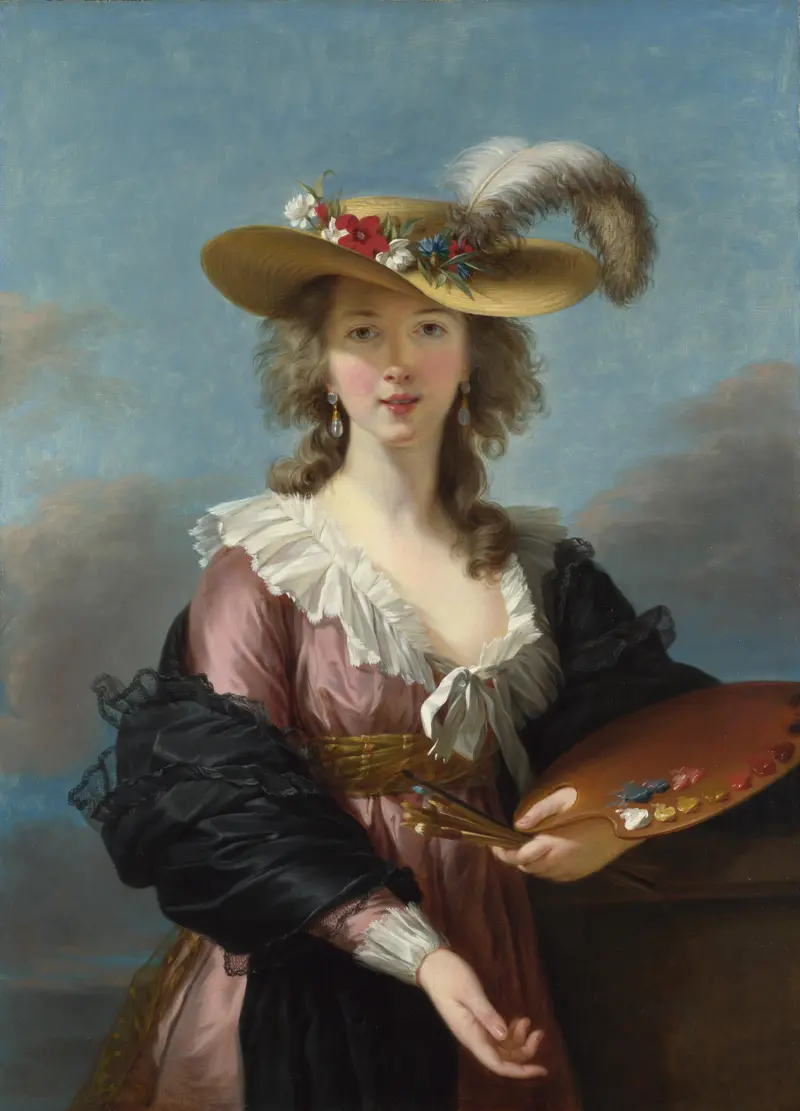
Self Portrait in a Straw Hat
Elisabeth Louise Vigée Le Brun
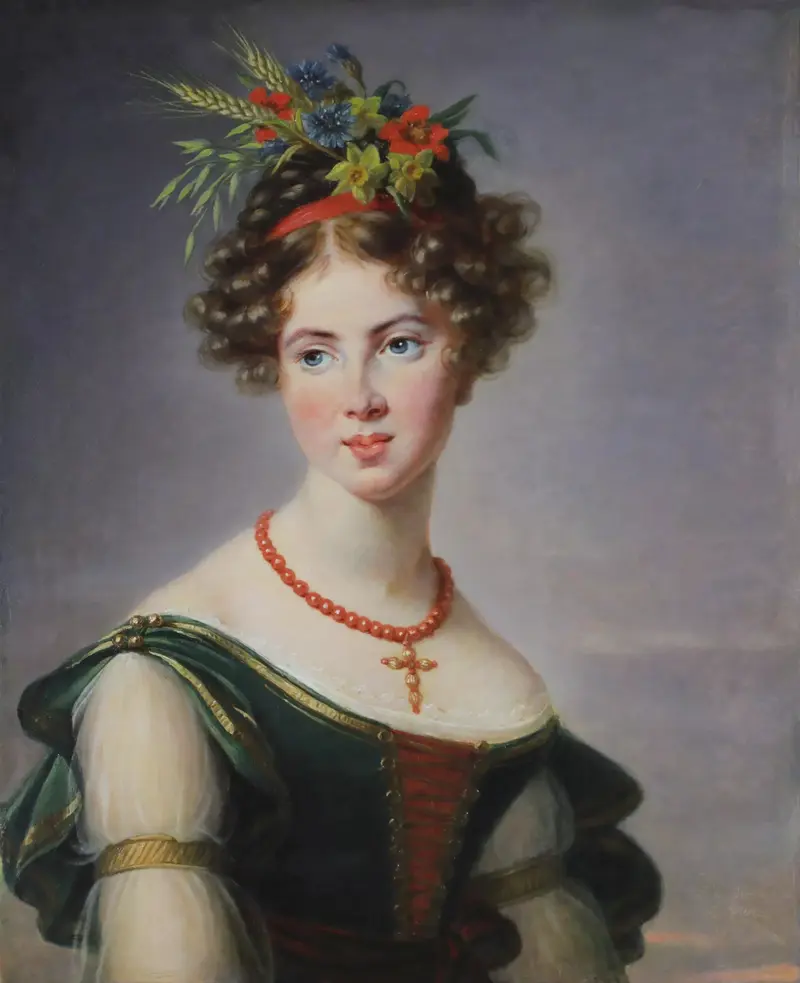
Portrait de la comtesse de Baussancourt, par Élisabeth Vigée Le Brun
Elisabeth Louise Vigée Le Brun
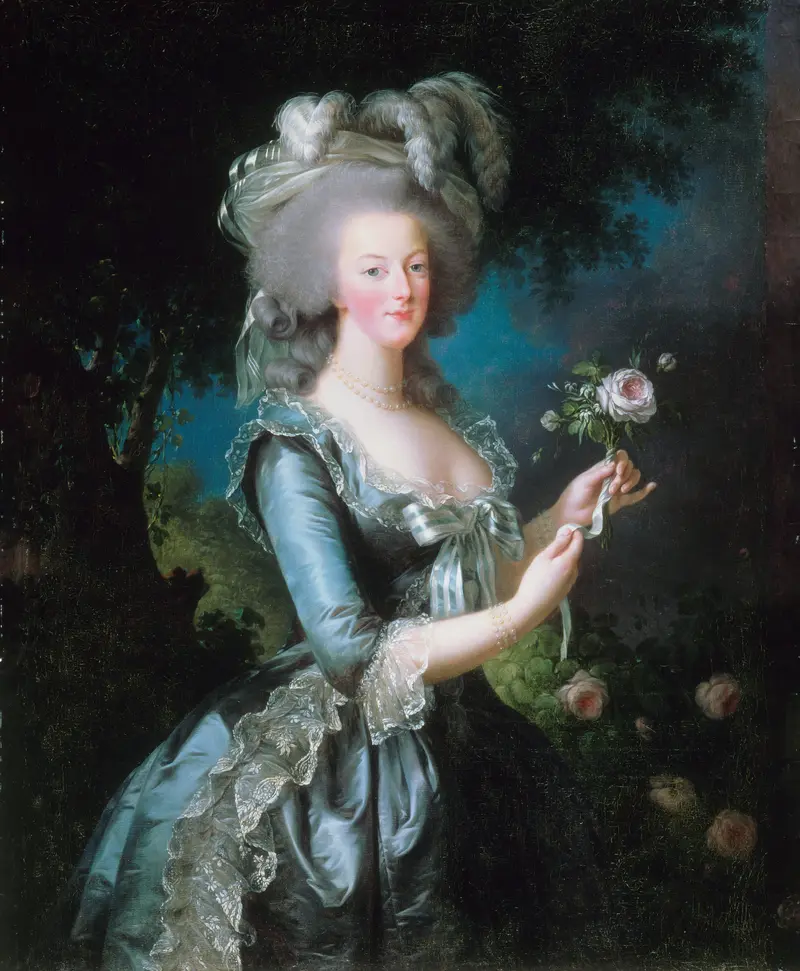
Marie Antoinette with a Rose
Elisabeth Louise Vigée Le Brun
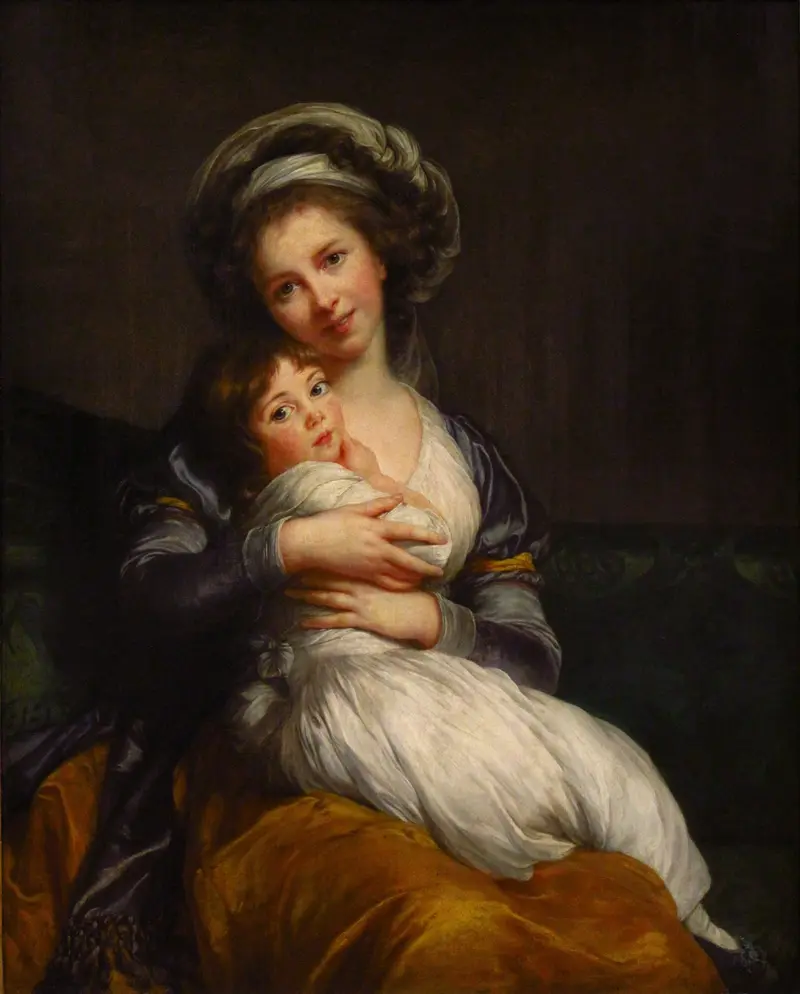
Self-portrait with Her Daughter, Julie
Elisabeth Louise Vigée Le Brun





