
Self Portrait in a Straw Hat — History & Facts
What first catches the eye in Self Portrait in a Straw Hat is the artist’s steady, almost conversational gaze—direct, unguarded, and framed by a riot of feathers and flowers atop her broad-brimmed hat. The light falls cleanly across her face, lending a freshness to her complexion that draws the viewer into her confidence. Her left hand, poised with brushes and palette, is not merely a prop but a declaration: this is a painter at work, and the tools of her craft are as much a part of her identity as the ribbons and pearls she wears.
The ruffled white collar, rendered with delicate precision, softens the assertive black and rose of her dress, while the open sky behind her suggests a sense of possibility and freedom unusual for portraits of the era. Created after 1782, this work belongs to a period when women artists were beginning to challenge the boundaries of their profession, often painting self-portraits to assert their place in the art world. Elisabeth Louise Vigée Le Brun was one of the few women to achieve fame in her lifetime, and her self-portraits are celebrated for their blend of technical skill and personal presence. Such images were not only records of appearance but statements of ambition and talent, often commissioned or displayed to attract patrons or secure positions at court.
Today, this painting resides in the collection of the National Gallery, where its confident brushwork and luminous palette continue to invite viewers to consider the artist not just as a subject, but as a creator—inviting you, too, to meet her gaze.
More Artworks by Elisabeth Louise Vigée Le Brun
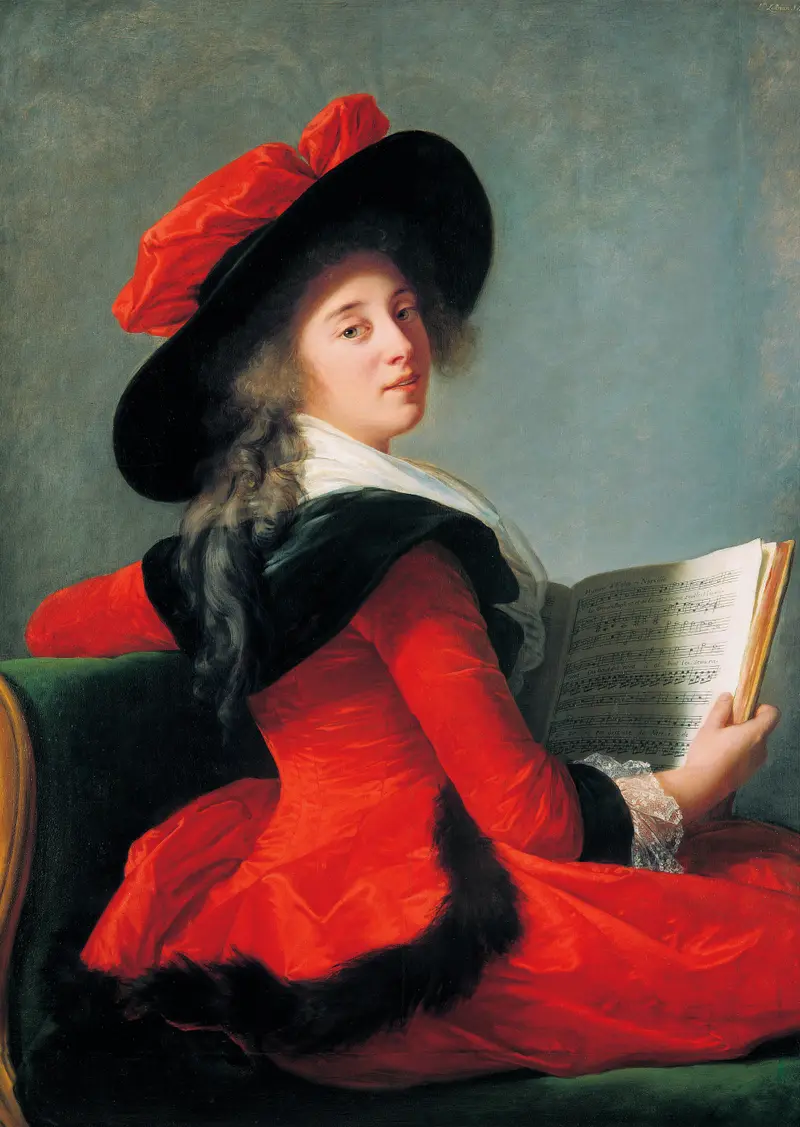
Baronne de Crussol
Elisabeth Louise Vigée Le Brun
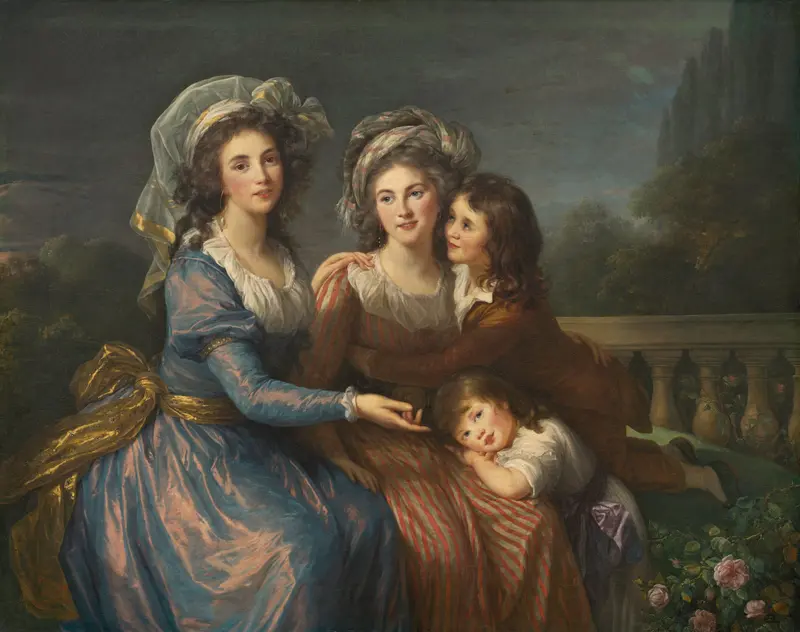
The Marquise de Pezay, and the Marquise de Rougé with Her Sons Alexis and Adrien
Elisabeth Louise Vigée Le Brun

Giuseppina Grassini Playing Zaire
Elisabeth Louise Vigée Le Brun
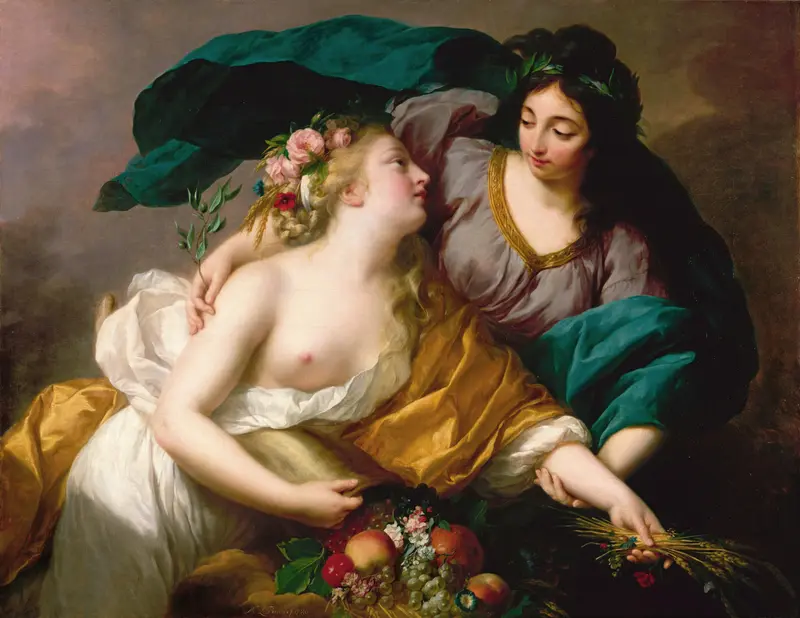
Peace bringing back Prosperity
Elisabeth Louise Vigée Le Brun
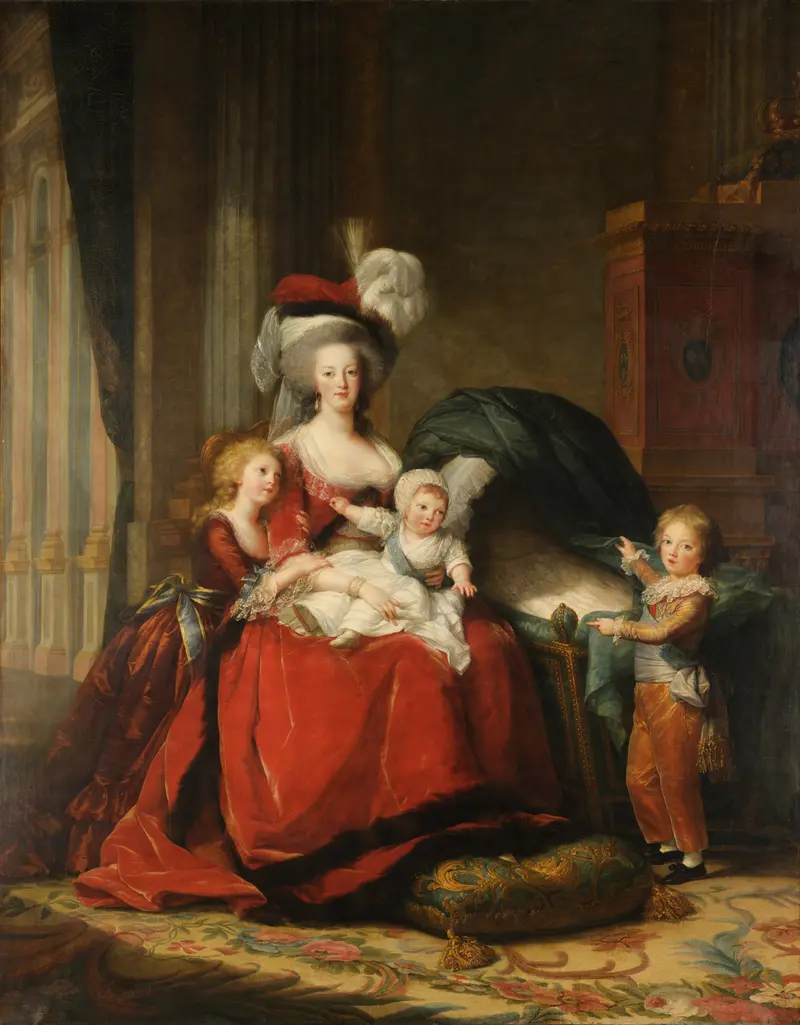
Marie Antoinette and Her Children
Elisabeth Louise Vigée Le Brun
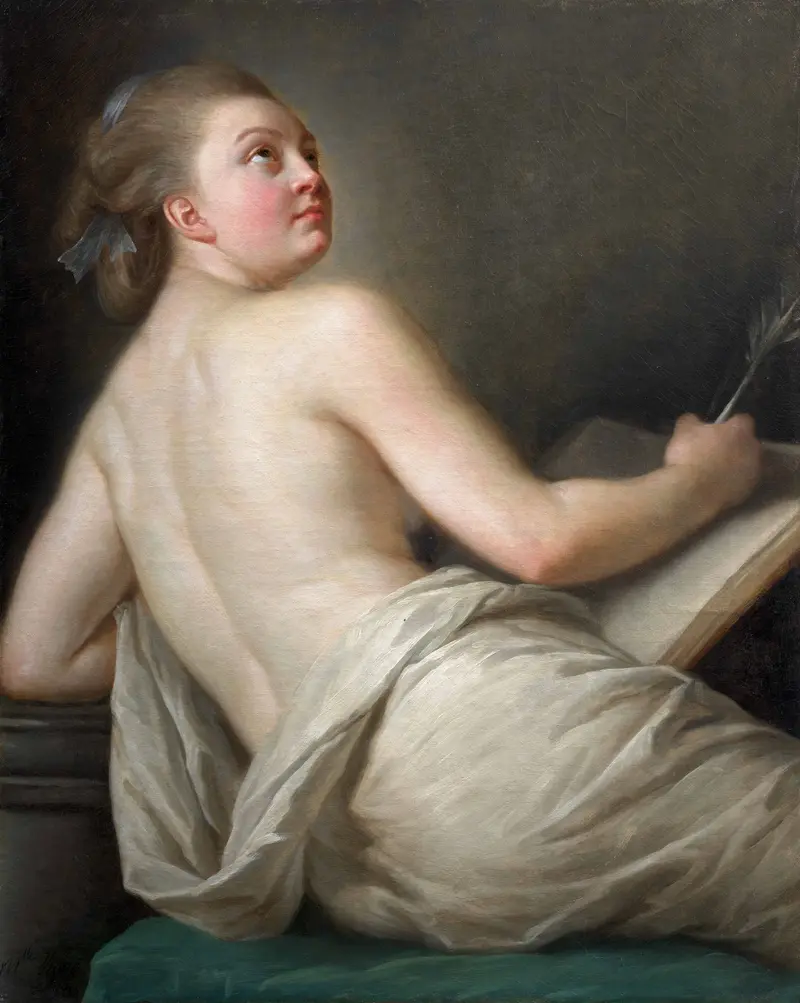
Allegory of Poetry
Elisabeth Louise Vigée Le Brun
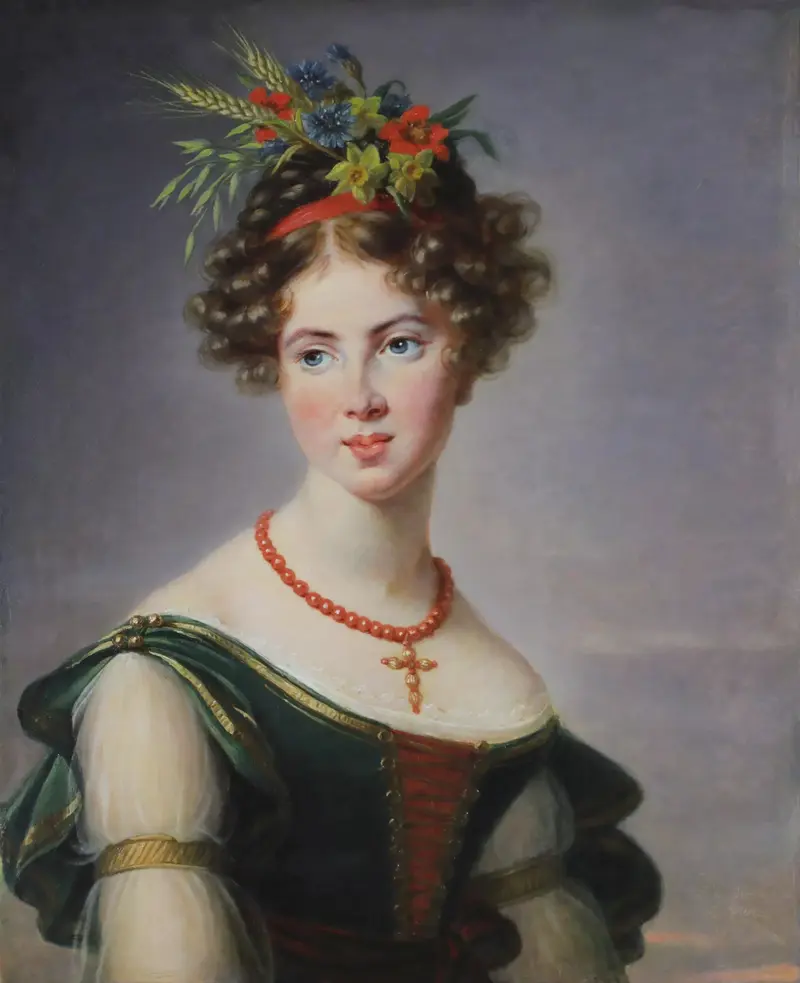
Portrait de la comtesse de Baussancourt, par Élisabeth Vigée Le Brun
Elisabeth Louise Vigée Le Brun

Hubert Robert
Elisabeth Louise Vigée Le Brun
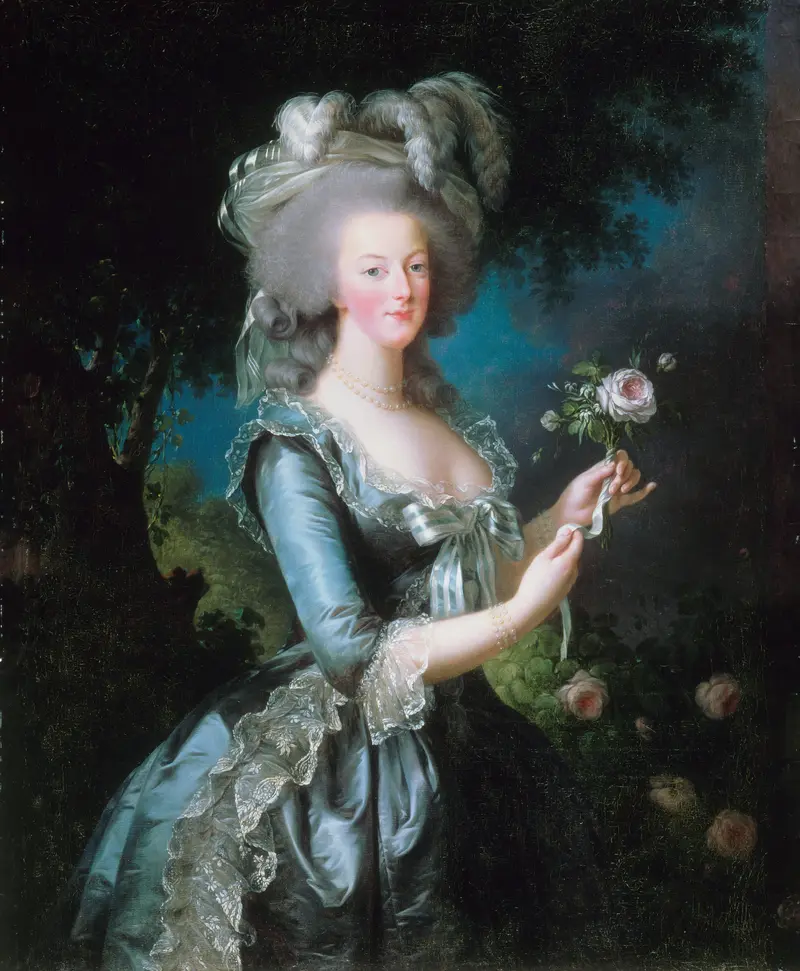
Marie Antoinette with a Rose
Elisabeth Louise Vigée Le Brun
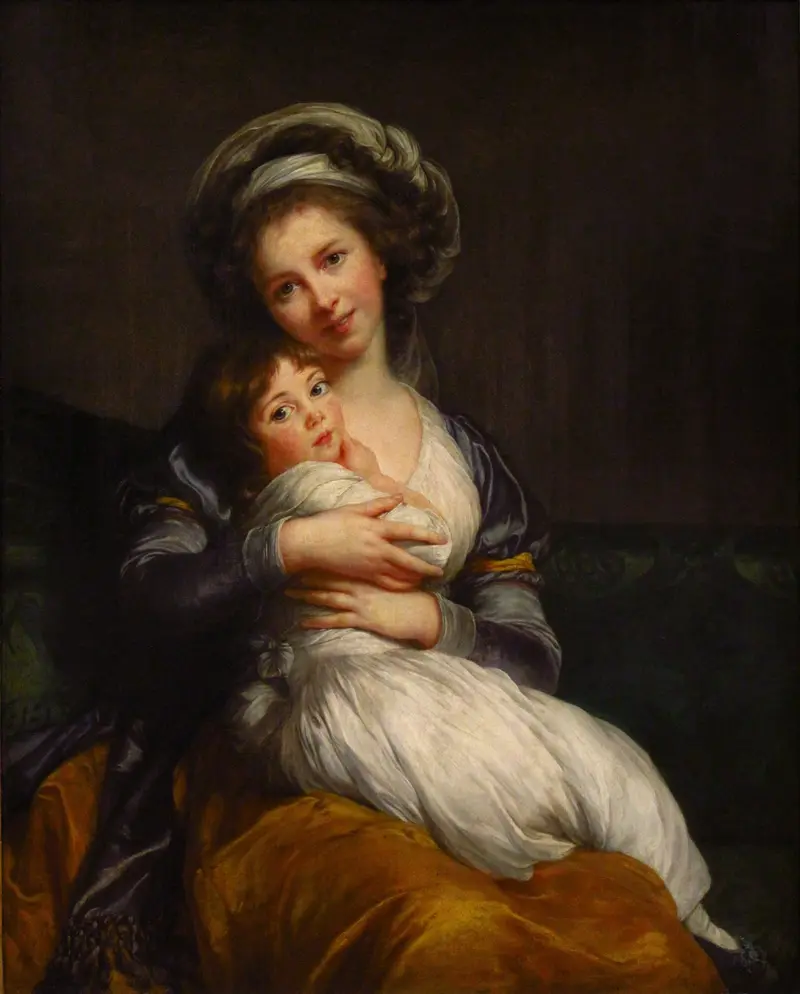
Self-portrait with Her Daughter, Julie
Elisabeth Louise Vigée Le Brun





