
Glaucus and Scylla — History & Facts
In Glaucus and Scylla, Salvator Rosa presents a dramatic scene filled with vibrant colors. The figures of Glaucus and Scylla are depicted in a turbulent seascape, surrounded by waves and rocky cliffs. Rosa uses deep blues and greens to convey the tumultuous nature of the ocean, contrasting with the pale skin of the figures.
The expressions on their faces reflect a mix of longing and despair, enhancing the emotional intensity of the scene. The painting is executed in oil on canvas, a common medium during the Baroque period. Rosa's brushwork is dynamic, with visible strokes that add texture to the waves and the figures. The composition is carefully arranged, leading the viewer's eye towards the central figures while the background creates a sense of depth.
The use of light and shadow further emphasizes the drama of the moment. Salvator Rosa was known for his dramatic landscapes and mythological themes, often blending the two in his works. This painting reflects his interest in the tension between nature and human emotion. An interesting fact about Glaucus and Scylla is that it captures a moment from Ovid's Metamorphoses, illustrating the tragic love story between the two characters.
Rosa's interpretation adds a layer of psychological depth, making it a notable work in his oeuvre.
More Artworks by Salvator Rosa

Bandits on a Rocky Coast
Salvator Rosa
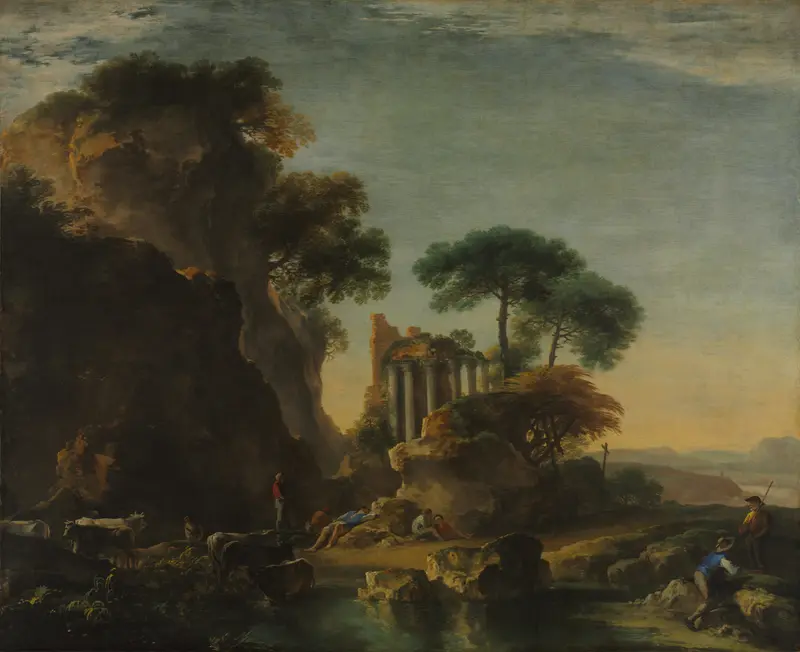
Ruins in a Rocky Landscape
Salvator Rosa
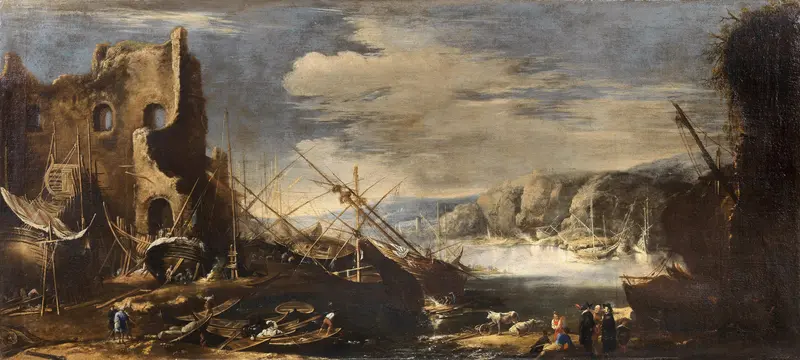
A coastal landscape with shipwrecks and ruins
Salvator Rosa
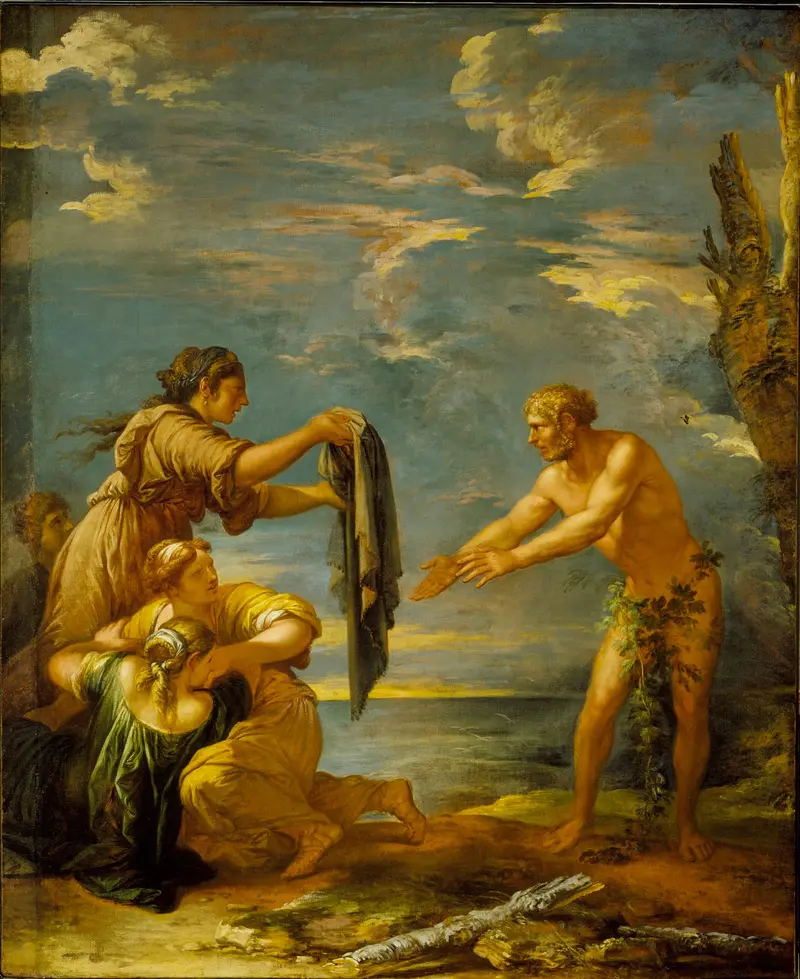
Odysseus and Nausicaa
Salvator Rosa
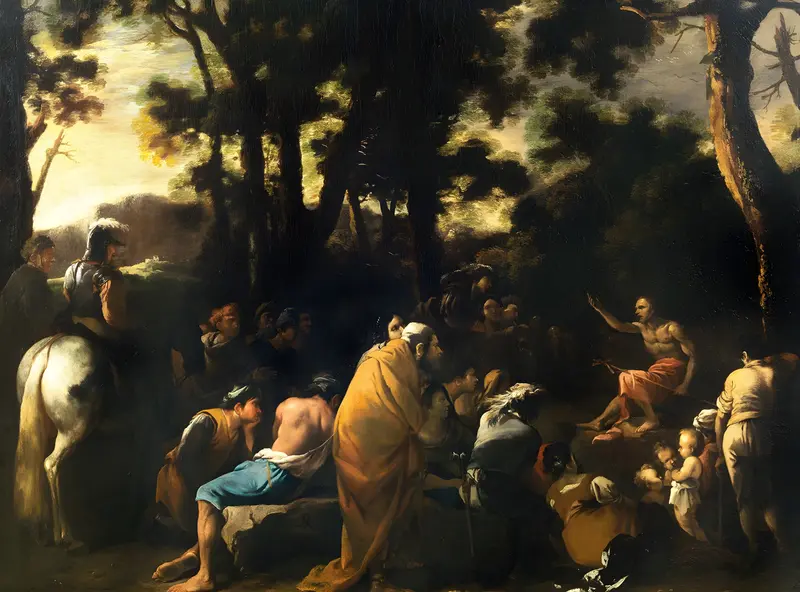
The Sermon of Saint John the Baptist
Salvator Rosa
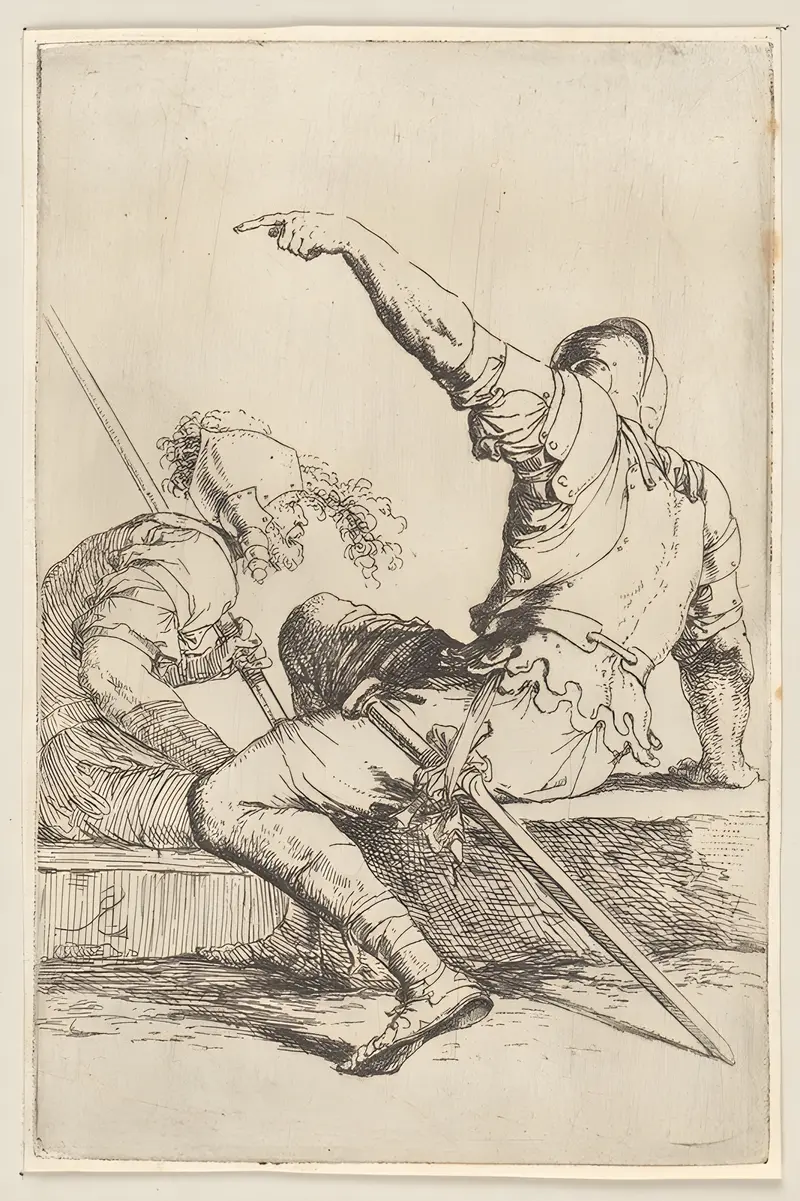
Two soldiers Seated on a Rectangular Stone
Salvator Rosa
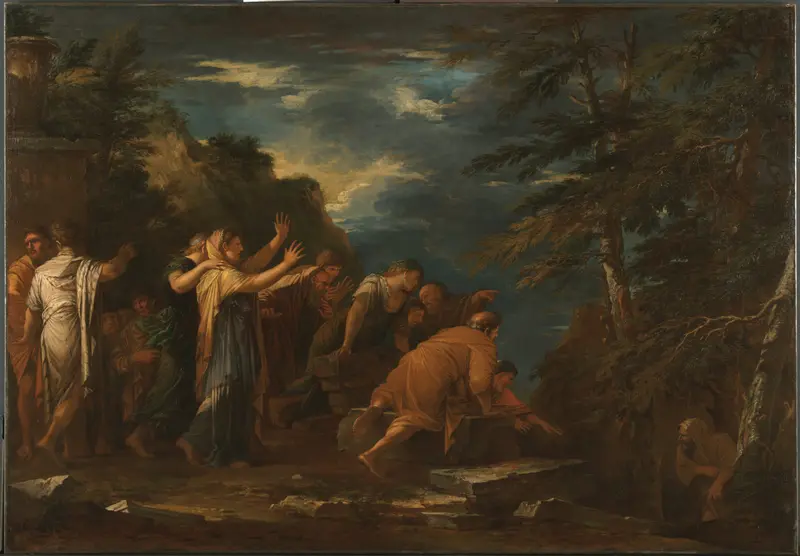
Pythagoras Emerging from the Underworld
Salvator Rosa
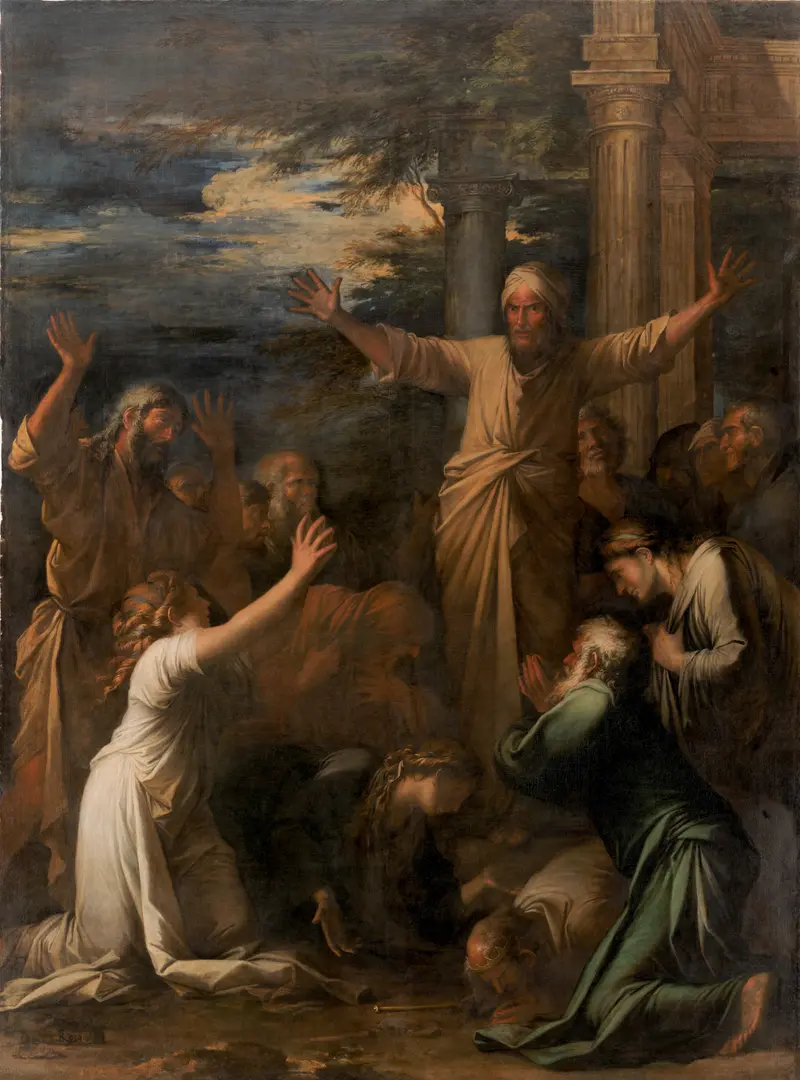
Jonah Preaching to the People of Niniveh
Salvator Rosa
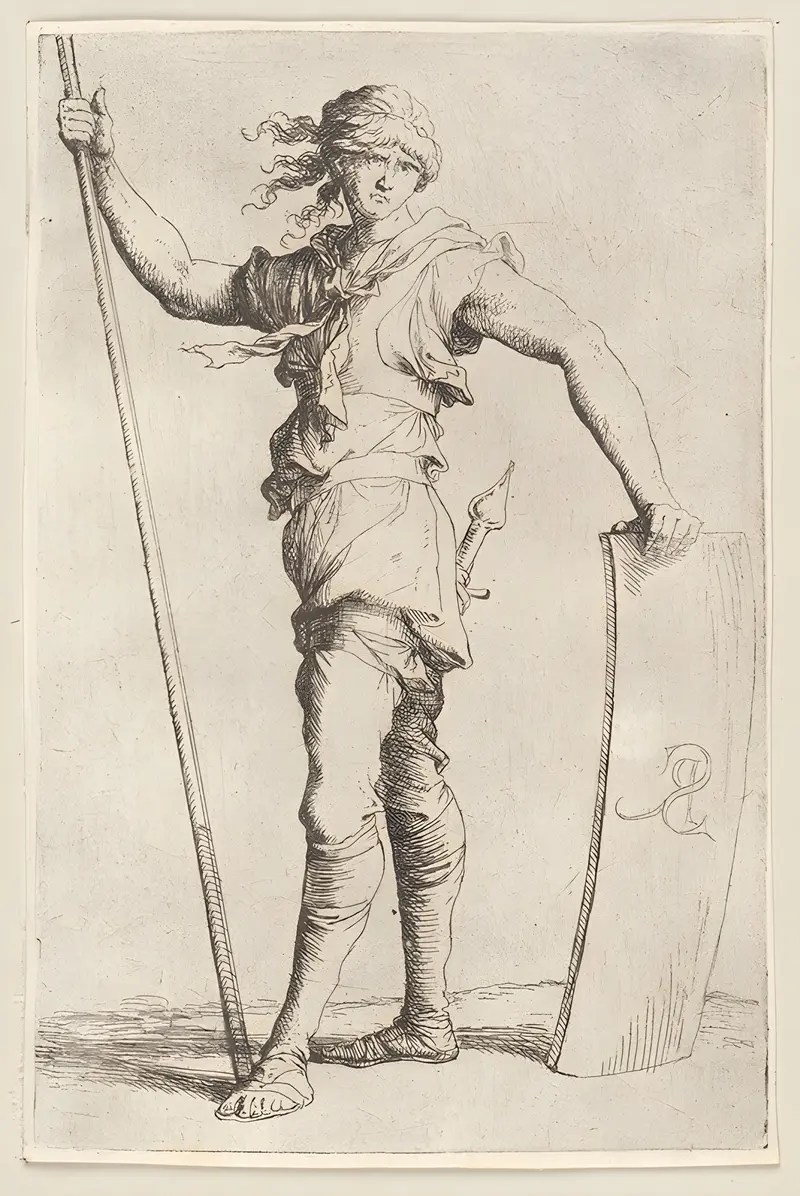
Soldier Holding a Cane and His Shield, Facing Left
Salvator Rosa

Soldier, Standing, Holding a Pike with Both Hands
Salvator Rosa





