
Going to the Hayfield — History & Facts
In this stillness, it captures the pulse of life, reflecting movement and anticipation on an otherwise tranquil day. Look to the left at the gentle curve of the rolling hills, where the rich green grass meets the soft glow of the sun. Notice how the artist uses a palette of luminous yellows and muted browns to create a sense of harmony, suggesting a world alive with the promise of harvest. The figures in the distance, appearing small yet purposeful, draw the eye to their brisk strides as they convey a sense of urgency amidst the serene landscape. Delve deeper into the brushwork, where strokes of varying thickness suggest the windswept movement of nature itself.
Each figure’s posture reveals a story of labor and dedication, embodying the age-old relationship between humans and the land. The interplay of light and shadow not only enhances the three-dimensionality of the scene but also evokes an emotional connection to the tireless rhythm of rural life. In 1853, while living in England, the artist carved out a niche in the landscape tradition, embracing the interplay of light and atmosphere that defined his work. This period marked a shift in landscape painting, as artists sought to capture not just the physical beauty of their surroundings but also the fleeting moments of daily life.
As such, this piece reflects both personal and cultural transitions, capturing a moment that resonates with timelessness.
More Artworks by David Cox
Browse all →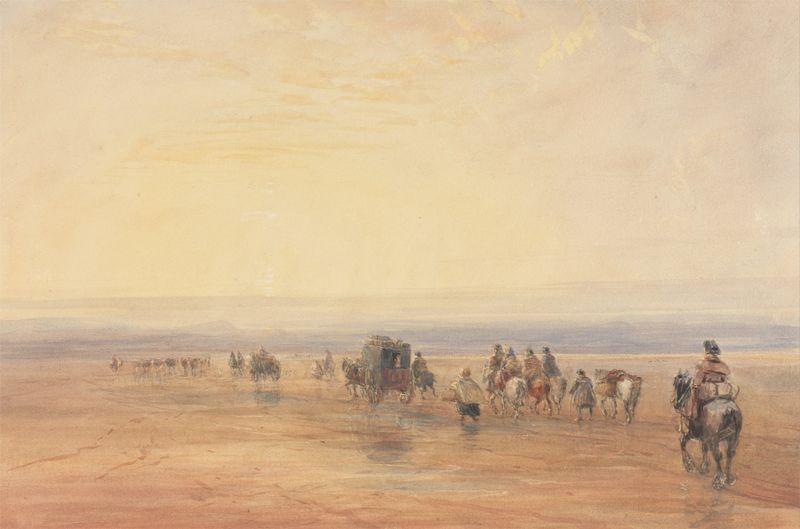
Crossing Lancaster Sands
David Cox
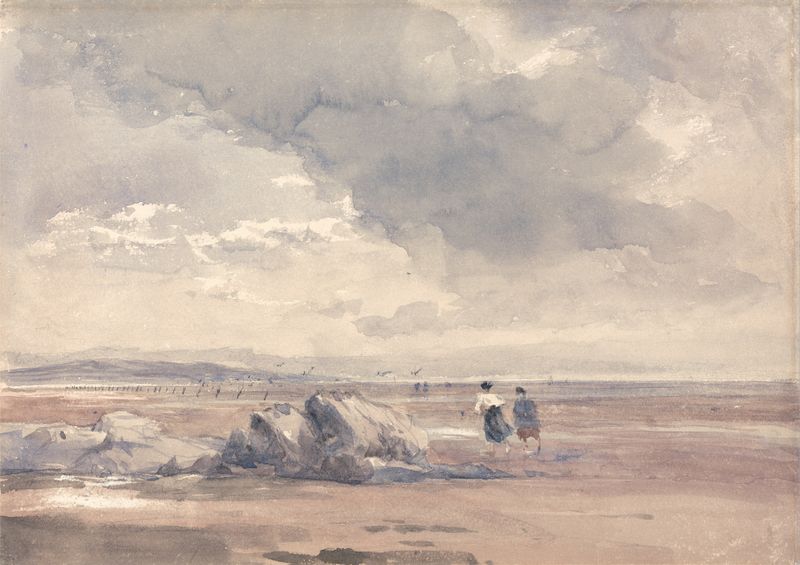
On Lancaster Sands, Low Tide
David Cox

Lincoln Cathedral from Brayford Pool
David Cox

View in Wales
David Cox
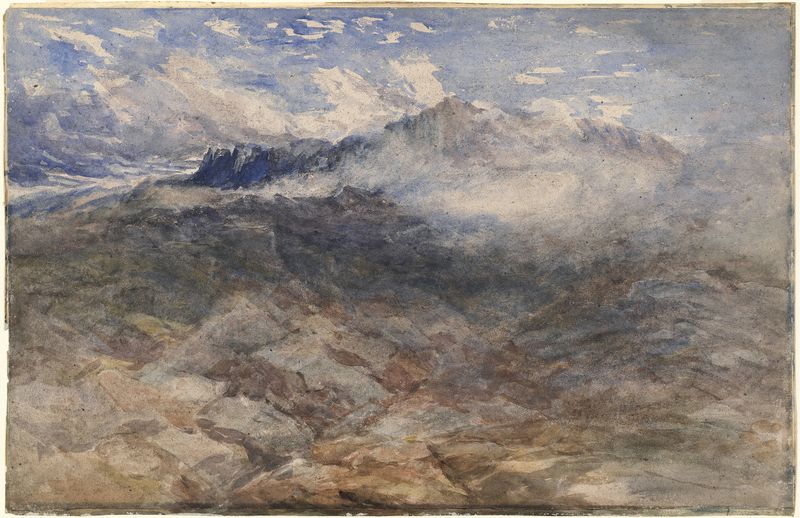
Mountain Heights, Cader Idris
David Cox

Bergen op Zoom
David Cox

Boating Before Lambeth Palace, London
David Cox
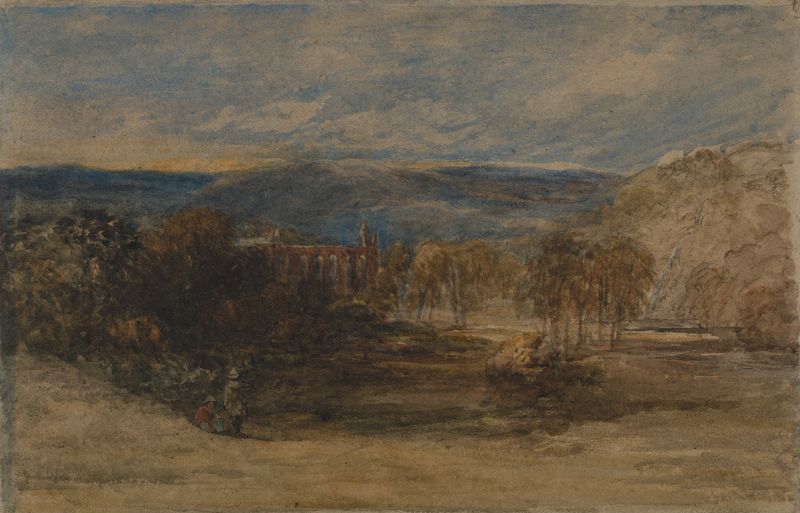
Bolton Abbey
David Cox

London Bridge
David Cox
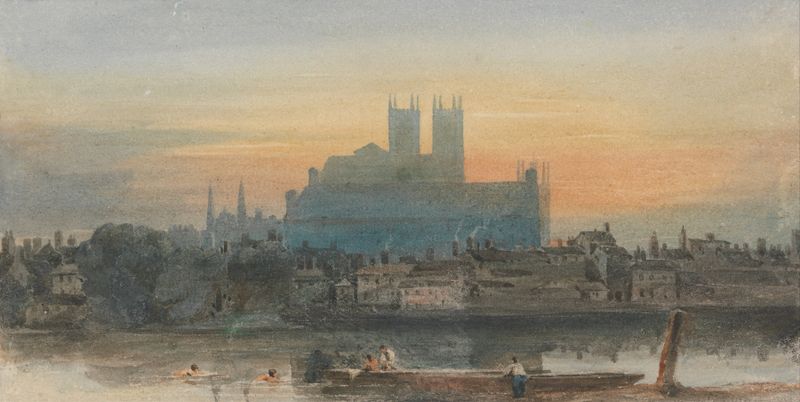
Westminster from Lambeth
David Cox





