
Golden Evening — History & Facts
In Golden Evening, the brush captures a fleeting moment, an obsession made tangible, where the passage of day holds its breath as twilight approaches. Look to the left where the warm hues of an amber sky are boldly juxtaposed against the cooling blues of the impending night. Notice the gentle strokes that depict a solitary figure in the foreground, seemingly lost in thought, their silhouette softened by the enveloping light. The composition draws the eye through a layered landscape, where the delicate interplay of shadows and illumination creates an almost ethereal atmosphere, inviting viewers to ponder the depth of the subject's contemplation. As your gaze wanders, subtle contrasts emerge: the vibrancy of the golden fields set against the cooler tones of the evening sky reflects the tension between the warmth of memory and the chill of reality.
The solitary figure, with their turned back, embodies a sense of yearning—a longing for an ideal that remains just out of reach. This emotional pull resonates with the viewer, encouraging introspection into the nature of obsession itself, as the heart grapples with the beauty of moments yet to fade. Completed between 1861 and 1897, this work showcases Spitzweg during a period of great personal and artistic evolution. Living in Munich, he was influenced by the Romantic ideals of his time, seeking solace in nature while often exploring themes of solitude and introspection.
As the world of art began shifting towards Impressionism, he remained firmly rooted in capturing ephemeral moments, reflecting a personal obsession with the past and the ungraspable present.
More Artworks by Carl Spitzweg
Browse all →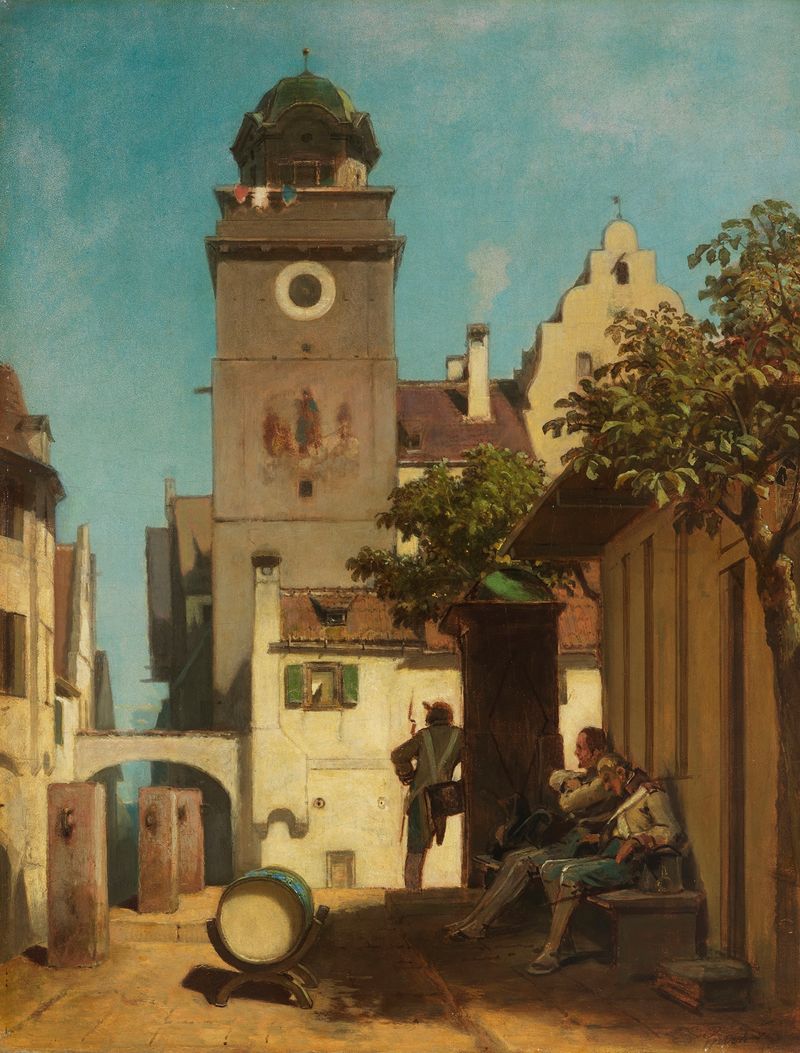
Die Stadtwache
Carl Spitzweg
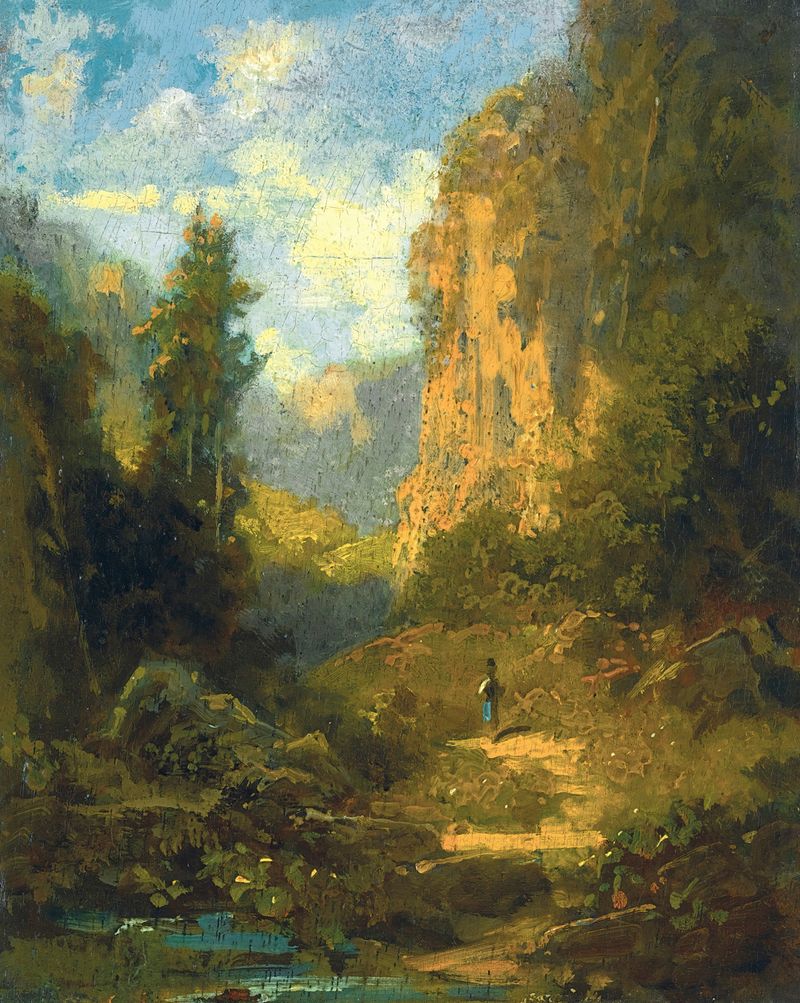
Gebirgslandschaft
Carl Spitzweg

In the Alpine High Valley (Landscape with Mt. Wendelstein)
Carl Spitzweg

Gebirgsmühle
Carl Spitzweg
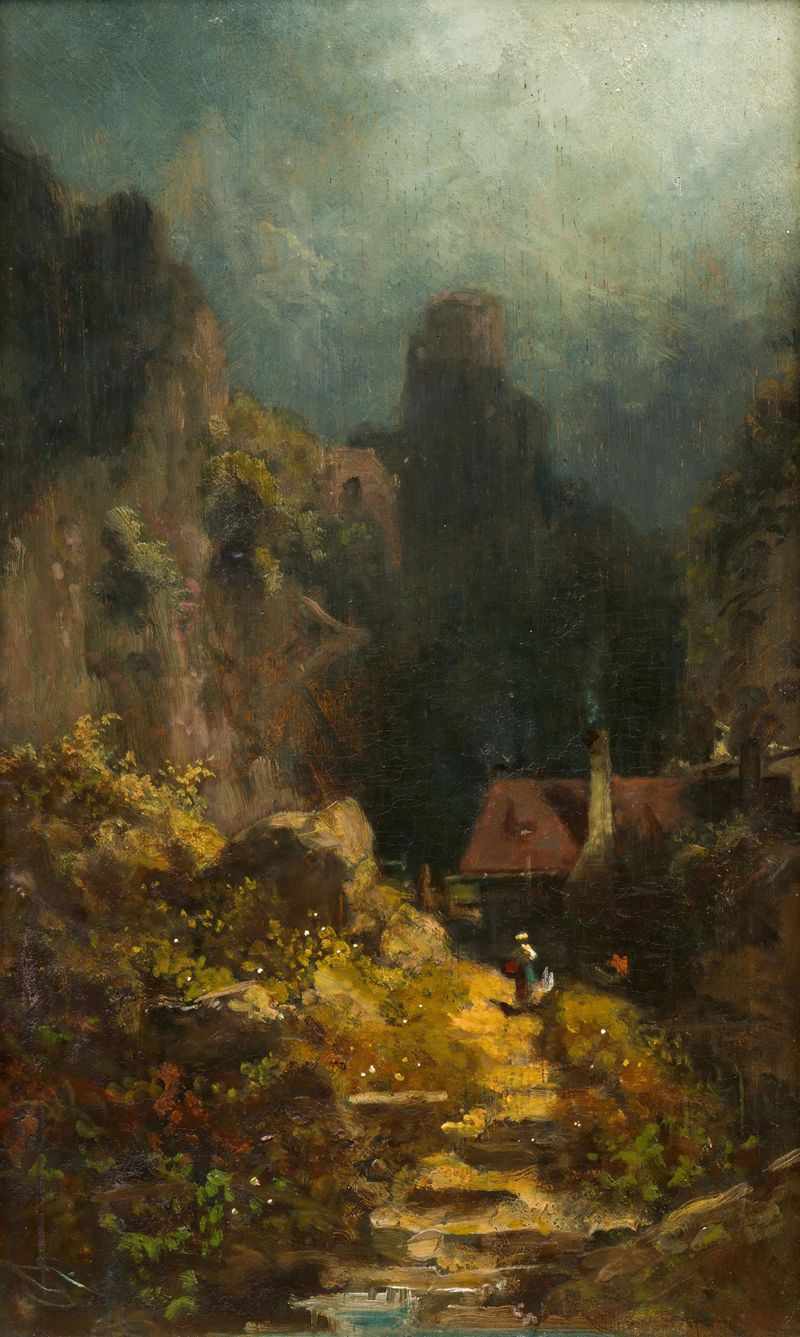
In der Schlucht
Carl Spitzweg
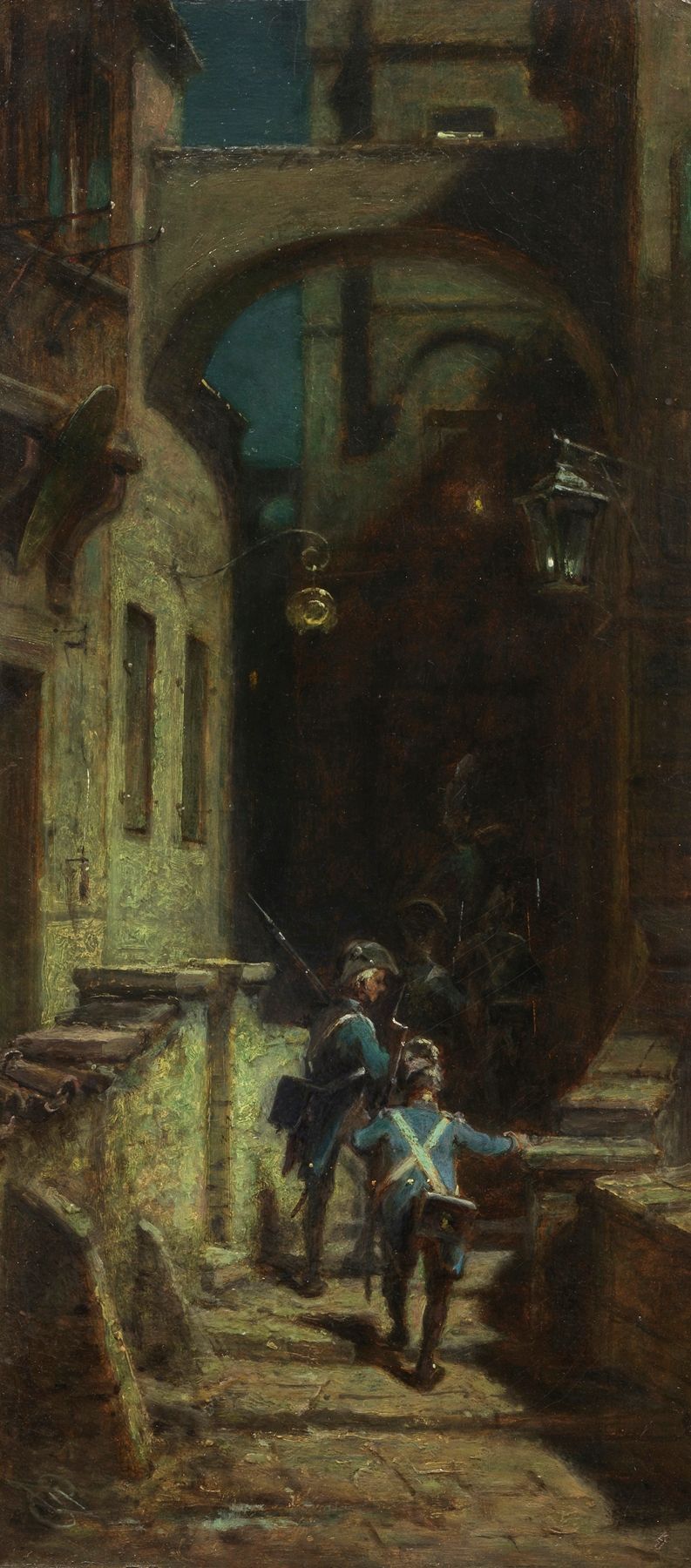
Die Scharwache
Carl Spitzweg

Einsiedler mit Mädchen
Carl Spitzweg

Lagernde Karrner (Rast der Streuner)
Carl Spitzweg
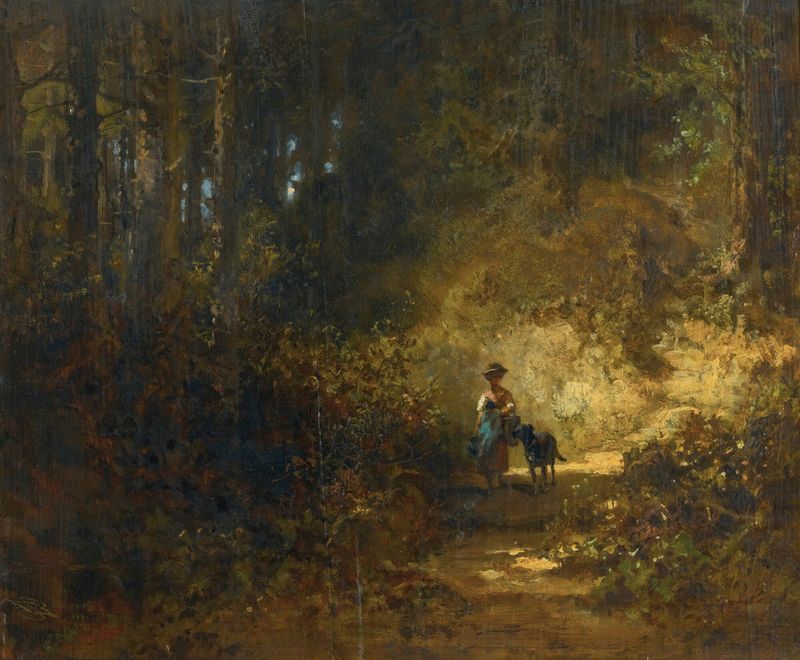
Im Walde
Carl Spitzweg
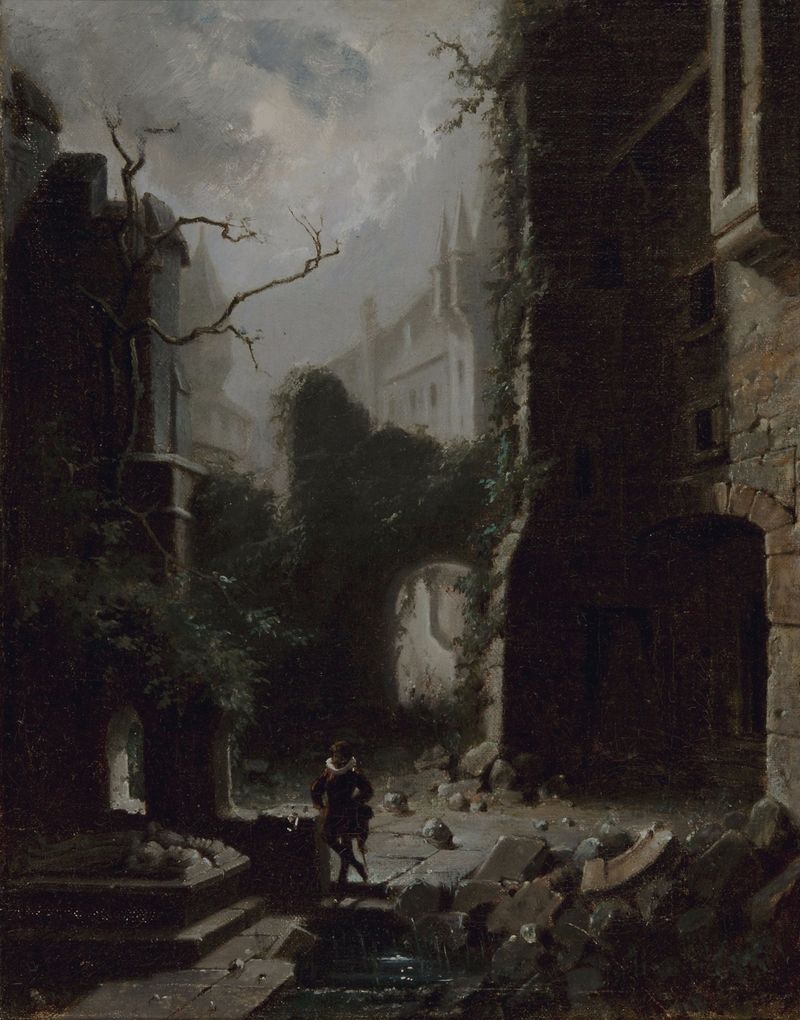
Moonlit Scene with Castle Ruins
Carl Spitzweg





