
Gravelines Channel — History & Facts
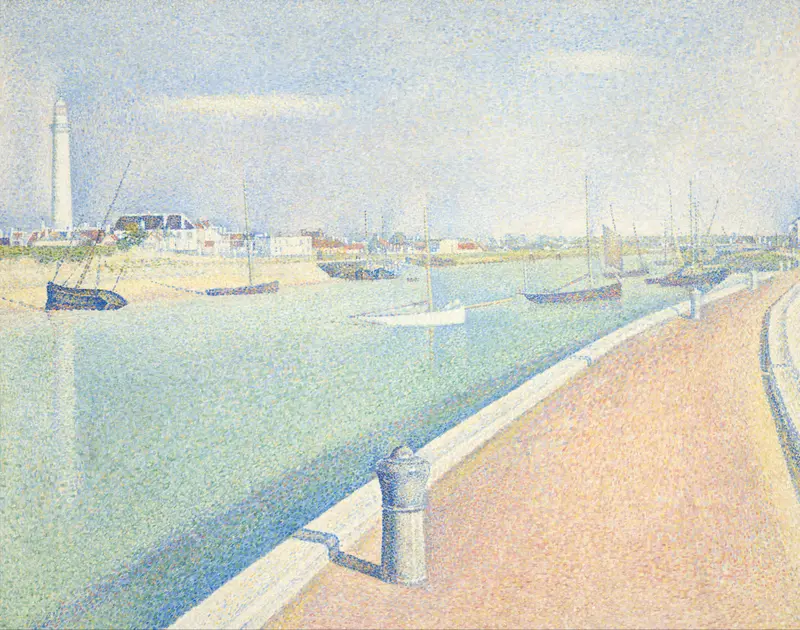
When Georges Seurat arrived in Gravelines in the summer of 1890, he was already celebrated for his pioneering pointillist technique, but Gravelines Channel would be among his last experiments before his sudden death the following year. This painting is part of a small group Seurat created during his final visit to the northern French coast, where he sought to capture the shifting light and tranquil geometry of the port town. The precise location Seurat painted was the canal linking Gravelines to the North Sea, a site that fascinated him for its interplay of water, sky, and human order.
Unlike his earlier, more crowded scenes, here Seurat turned his attention to stillness and subtlety, marking a quiet departure from the bustle of Parisian life. In Gravelines Channel, the viewer stands on the edge of a calm waterway, where boats rest in the pale light and the horizon dissolves into a haze. Seurat’s signature dots of color—applied with scientific precision—create a shimmering surface that blurs the boundaries between land, water, and air. The low, horizontal composition and muted palette evoke an atmosphere of quiet anticipation, as if the town holds its breath between tides.
The distant figures and moored boats suggest human presence, but they are secondary to the vast, ordered space that dominates the scene. Unlike Claude Monet’s bustling harbors, Seurat’s channel is almost meditative, inviting the eye to linger on the play of light and the careful arrangement of forms. The exact medium of Gravelines Channel is not always specified, though Seurat typically worked in oil on canvas for his finished pieces. After Seurat’s death in 1891, works from his Gravelines series were dispersed among collectors and museums, and today this painting is held in a major European collection.
Its serene subject and restrained technique mark a turning point in Seurat’s career, hinting at new directions the artist might have explored had his life not been cut short at just 31. While not as famous as A Sunday Afternoon on the Island of La Grande Jatte, Gravelines Channel stands as a testament to Seurat’s restless innovation and his fascination with the quiet poetry of everyday places.
More Artworks by Georges Seurat
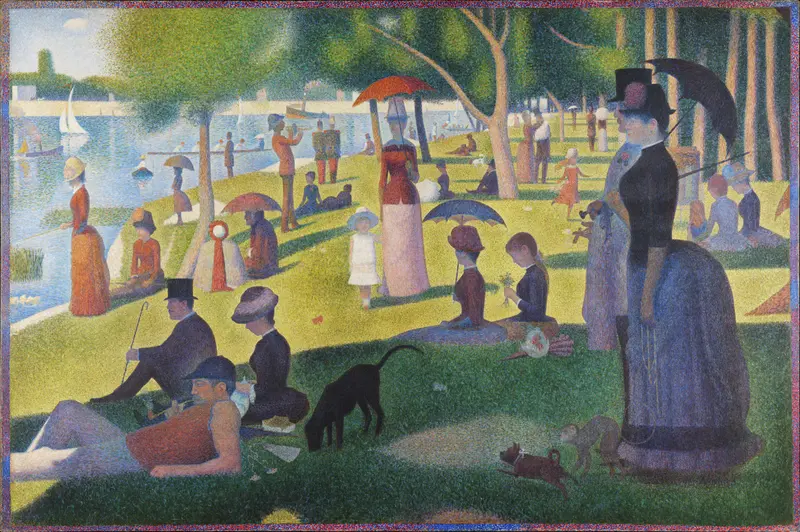
A Sunday Afternoon on the Island of La Grande Jatte
Georges Seurat
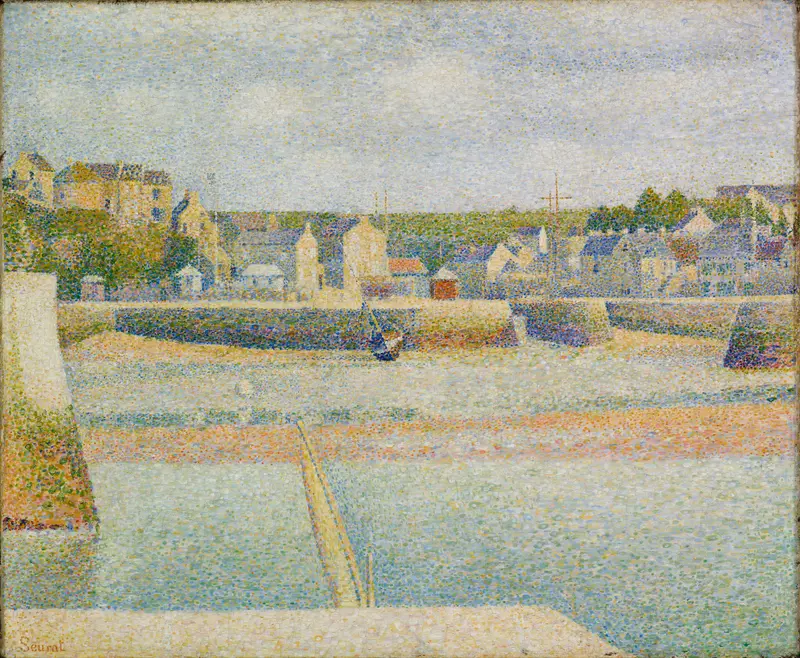
Port-en-Bessin, The Outer Harbor (Low Tide)
Georges Seurat
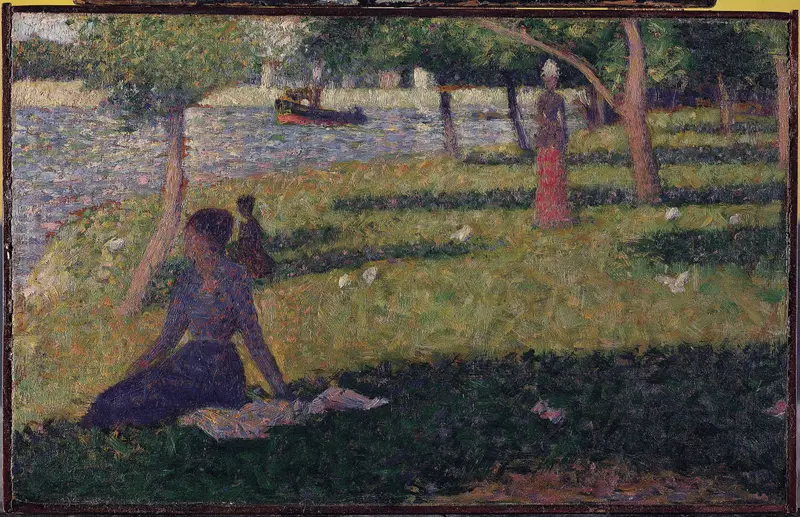
Étude pour ‘La Grande Jatte’ (Study for ‘La Grande Jatte’)
Georges Seurat
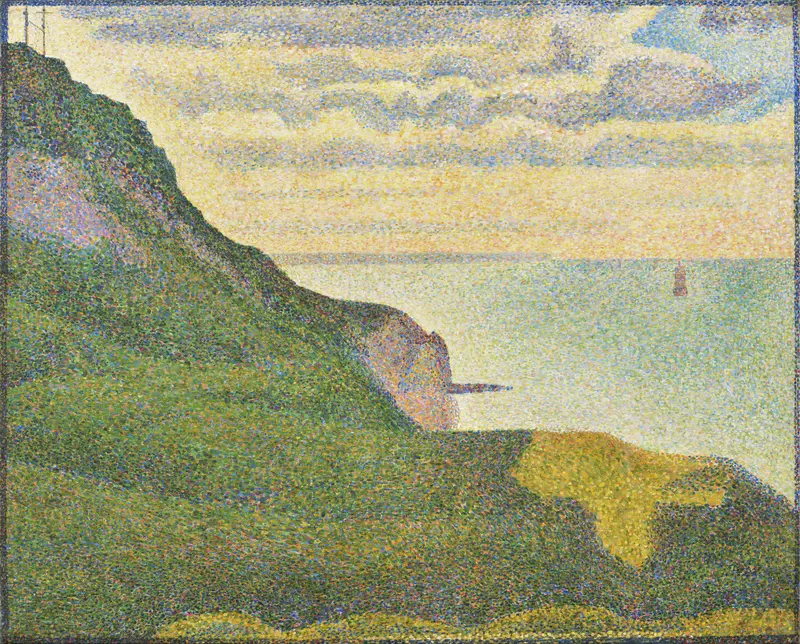
Seascape at Port-en-Bessin,Normandy
Georges Seurat
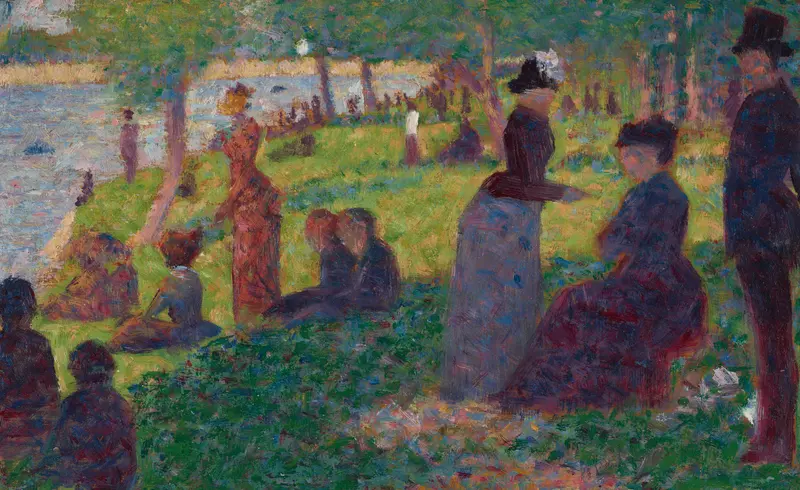
Oil Sketch for "A Sunday on La Grande Jatte — 1884"
Georges Seurat
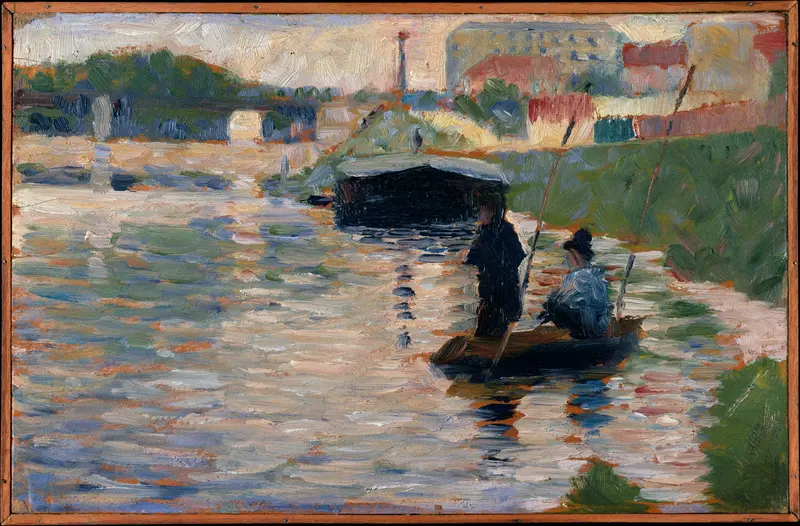
View of the Seine
Georges Seurat
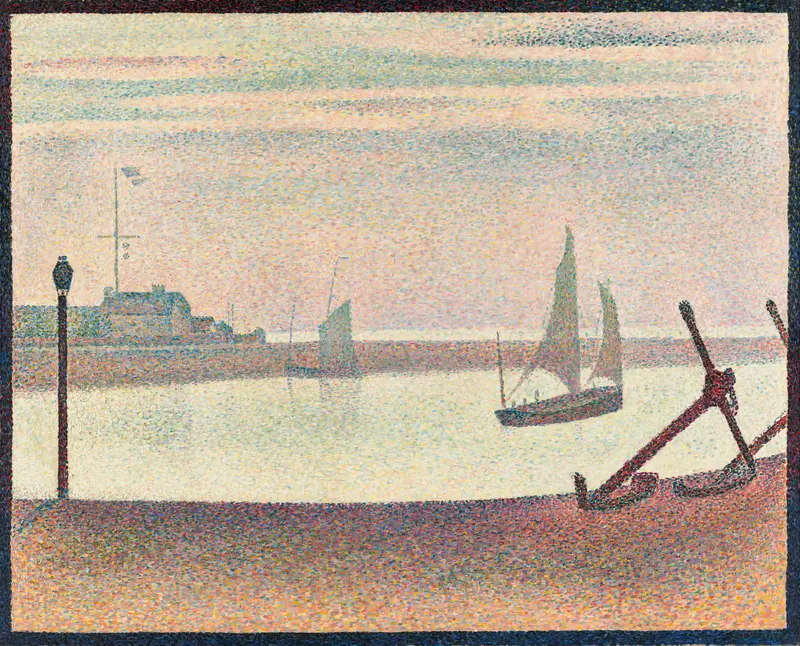
The Channel at Gravelines, Evening
Georges Seurat
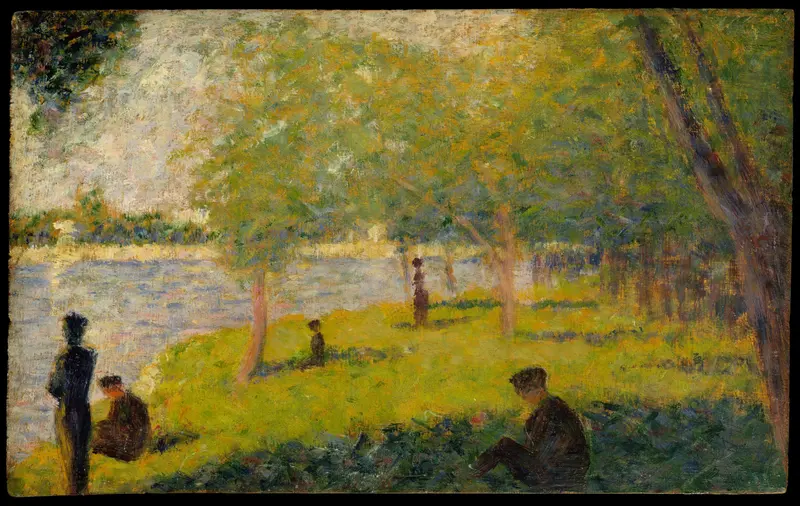
Study for ‘A Sunday on La Grande Jatte’
Georges Seurat
Study for A Sunday on La Grande Jatte
Georges Seurat
The Channel of Gravelines, Petit Fort Philippe
Georges Seurat





