
Greenland Trade Wharf, Christianshavn, Copenhagen — History & Facts
When did color learn to lie? Each hue can evoke a memory, a longing, or a thought unexpressed, creating a tapestry of nostalgia that both captivates and confounds. Look to the center where the water meets the wharf, reflecting the soft greys and muted blues that Hammershøi masterfully employs. Notice how the light falls gently across the scene, casting elongated shadows that seem to whisper secrets of time passed. The composition itself is stark yet inviting, with the simplicity of the buildings juxtaposed against the fluidity of the water, creating an intimate dialogue between the static and the transient. Deep within this serene tableau lies a quiet tension: the stillness of the structures contrasted with the dynamic play of light and water.
Each isolated element—a boat, a building, a subdued sky—holds an air of melancholy that seems to echo the artist’s own experiences of solitude. The subtle variations in color add a layer of emotional depth, suggesting that what is seen is only a fragment of a larger narrative, evoking memories of belonging and distance wrapped in quiet reflection. During the late 19th and early 20th centuries, Hammershøi painted this scene in Copenhagen, a time when he was immersed in the exploration of light and shadow. Straddling the line between realism and impressionism, he was influenced by the burgeoning modern art movement, yet he remained steadfast in his pursuit of capturing the ineffable essence of place.
This piece serves as a testament to a period not only in his life but in the evolution of art, marked by introspection and the quest for deeper meaning.
More Artworks by Vilhelm Hammershøi
Browse all →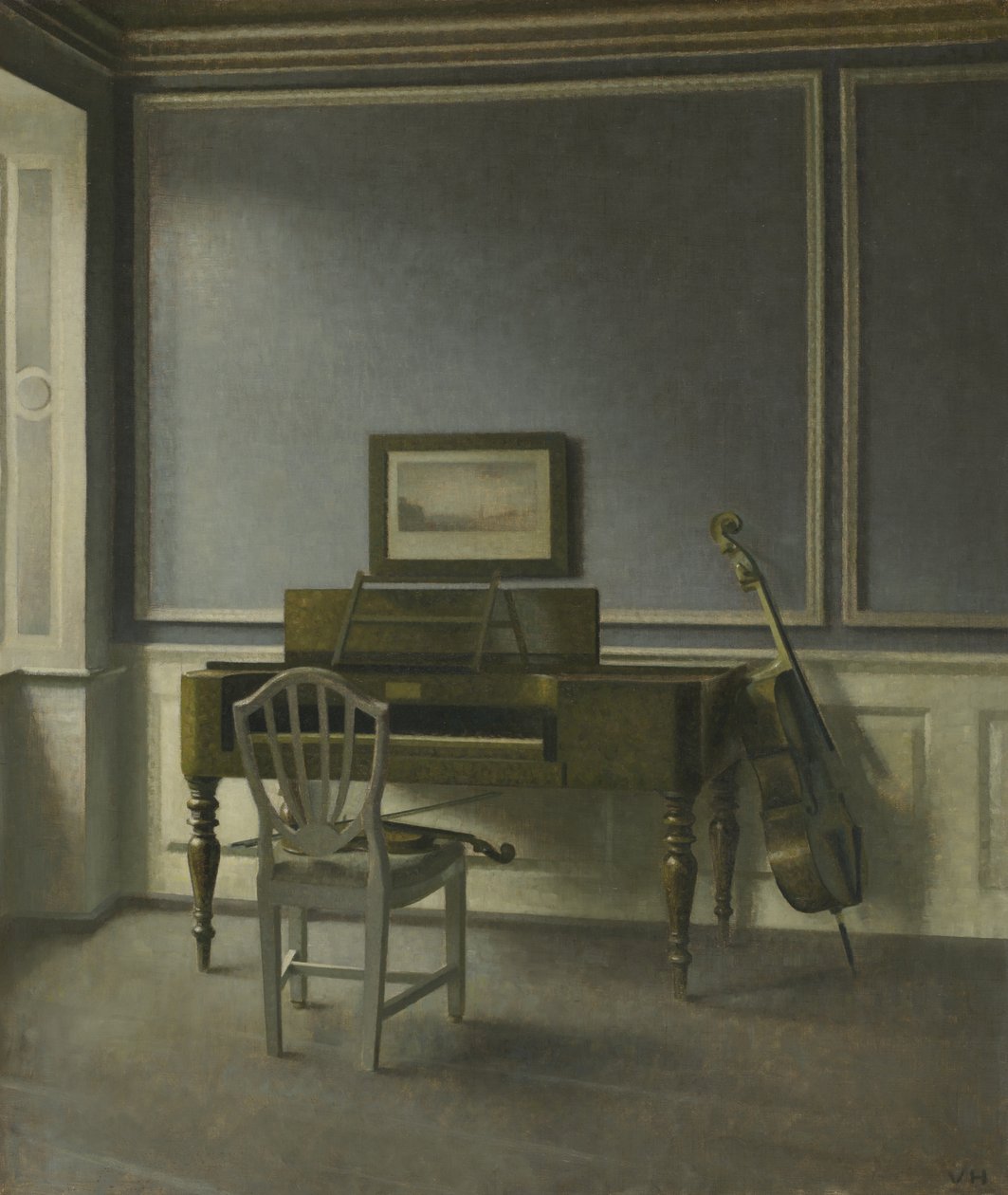
Interior. The Music Room, Strandgade 30
Vilhelm Hammershøi
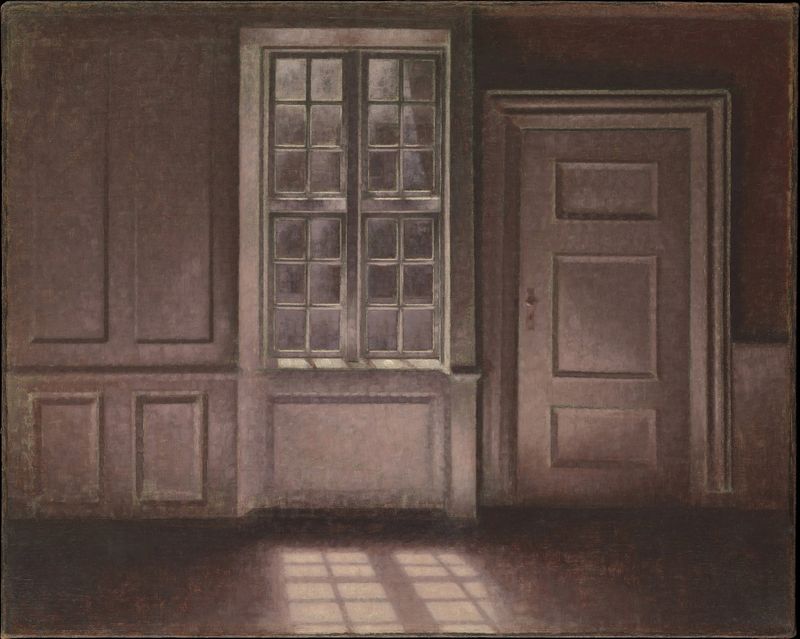
Moonlight, Strandgade 30
Vilhelm Hammershøi
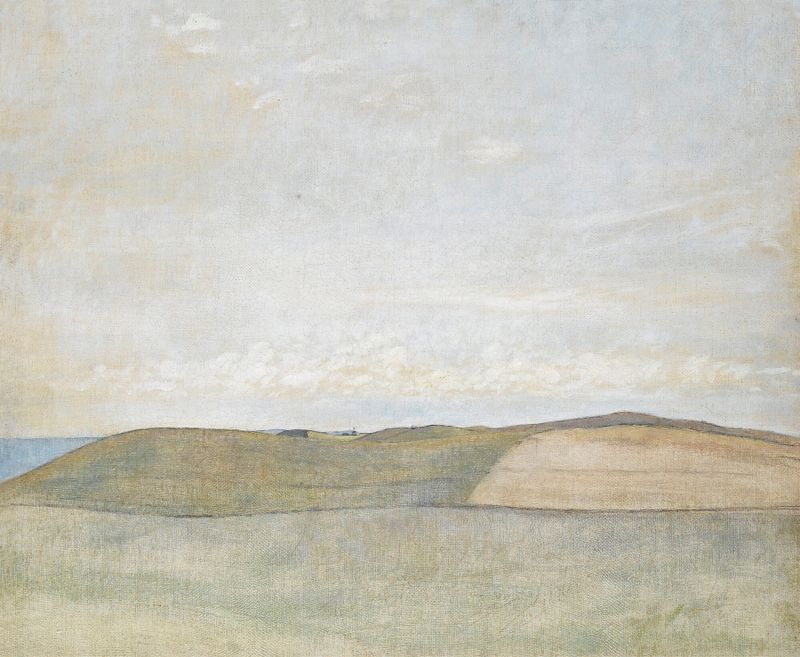
From Refsnæs
Vilhelm Hammershøi

Interior with the Artist’s Easel
Vilhelm Hammershøi

Amalienborg Square, Copenhagen
Vilhelm Hammershøi
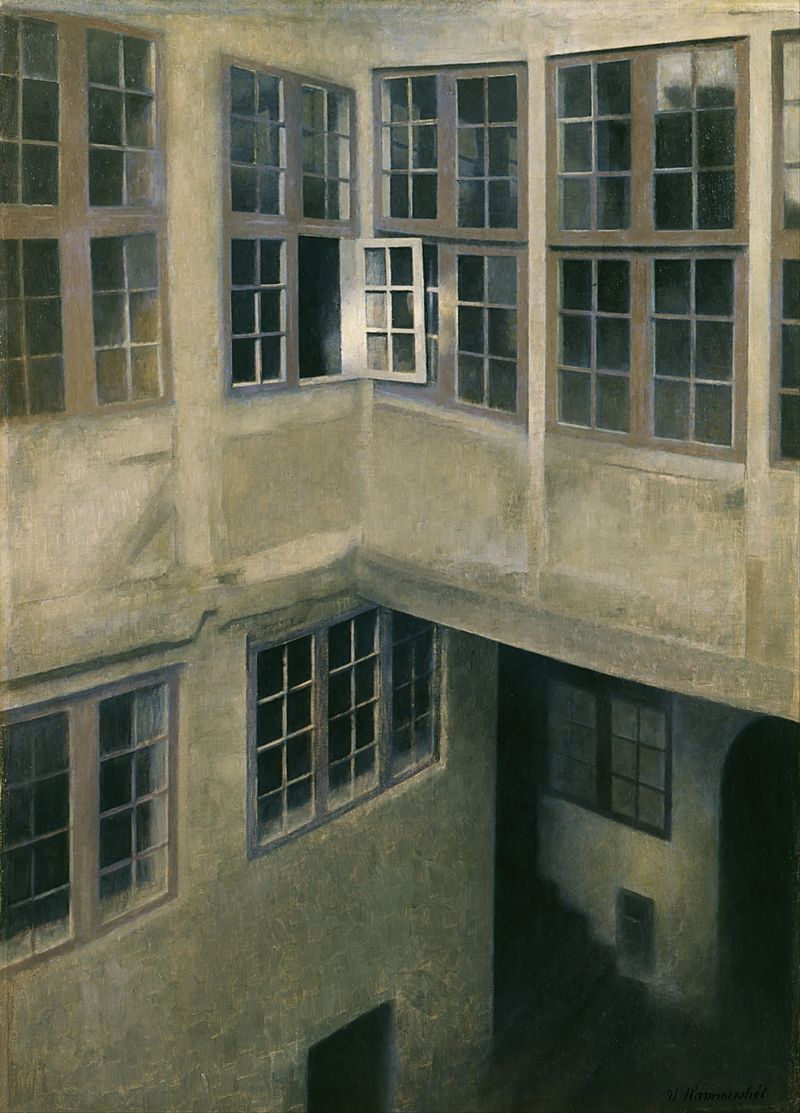
Interior of Courtyard, Strandgade 30
Vilhelm Hammershøi

Søndermarken Park in winter
Vilhelm Hammershøi
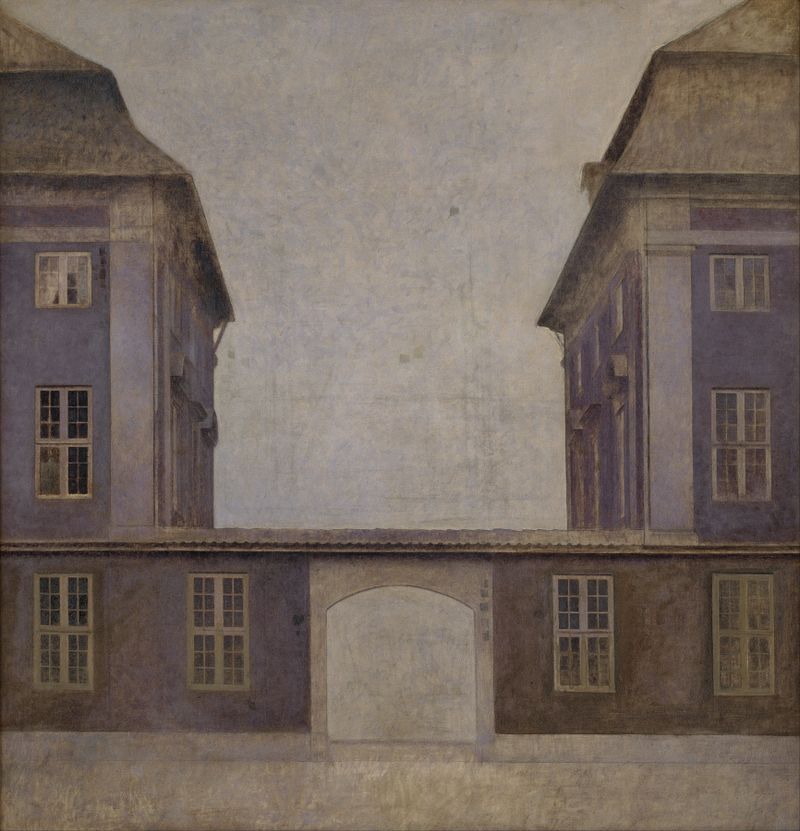
The Buildings of the Asiatic Company, seen from St. Annæ Street
Vilhelm Hammershøi

From Christianshavn’s Canal, Copenhagen
Vilhelm Hammershøi
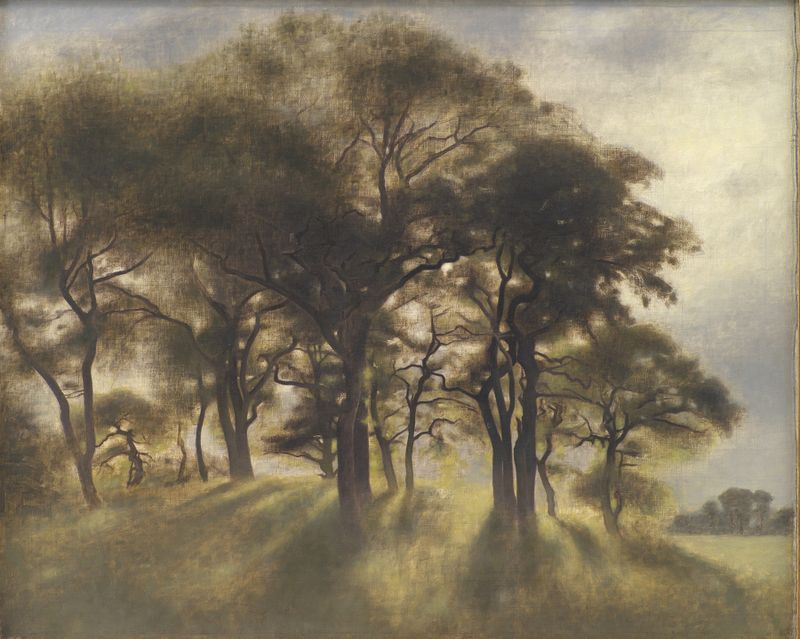
Near Fortunen, Jægersborg Deer Park, North of Copenhagen
Vilhelm Hammershøi





