
Habakuk brengt het eten voor de maaiers — History & Facts
Is this a mirror — or a memory? The vibrant hues and textured brushstrokes combine to transport the viewer to a moment both present and fleeting, where food, labor, and human connection intertwine. Look to the center of the composition, where Habakuk stands with a basket laden with bread. His outstretched arm, painted with masterful precision, invites us into the scene, leading our gaze toward the workers engaged in their toil. The warm earth tones of the fields contrast sharply with the cool blues of the sky, creating a palpable tension between labor and leisure.
Notice how the sunlight glimmers on the golden loaves, casting soft shadows that breathe life into the canvas. Delve deeper into the expressions of the figures: the hardworking men show a mix of exhaustion and gratitude, embodying the often unspoken bond between provider and laborer. The colors echo the seasonal cycle of harvest, suggesting a deeper narrative of sustenance and survival. The careful placement of Habakuk amidst these workers hints at his role as both a nourishing figure and a poignant reminder of the sacrifices tied to communal life. Created in 1538, this work reflects Holbein’s keen interest in the complexities of human interaction during a time of societal change in Europe.
At this point in his career, he was established in Basel, where he explored themes of community and labor through a lens of rich color and emotional depth, influenced by the burgeoning Renaissance movement. The painting stands as a testament to his ability to capture everyday moments with extraordinary significance.
More Artworks by Hans Holbein (II)
Browse all →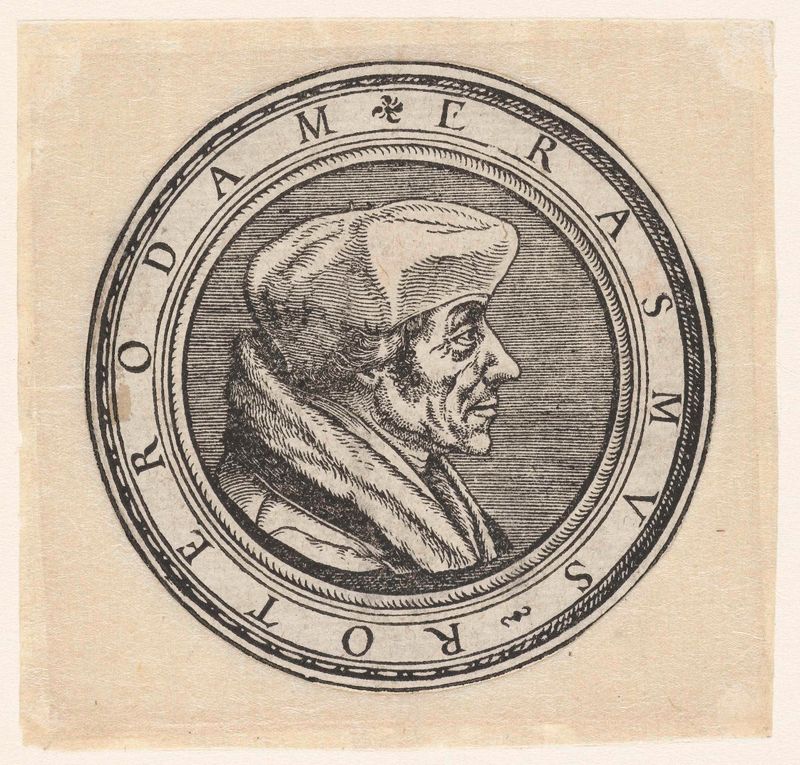
Portret van Erasmus
Hans Holbein (II)
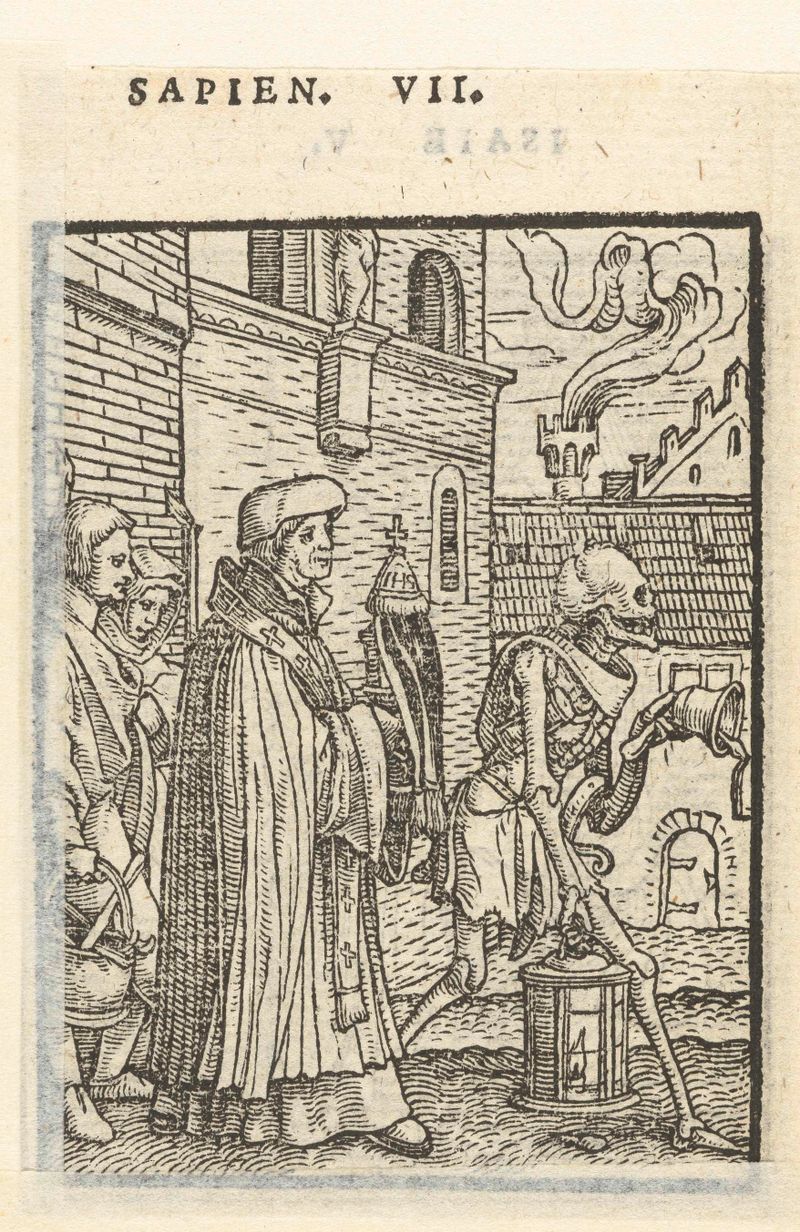
Priester en de Dood
Hans Holbein (II)
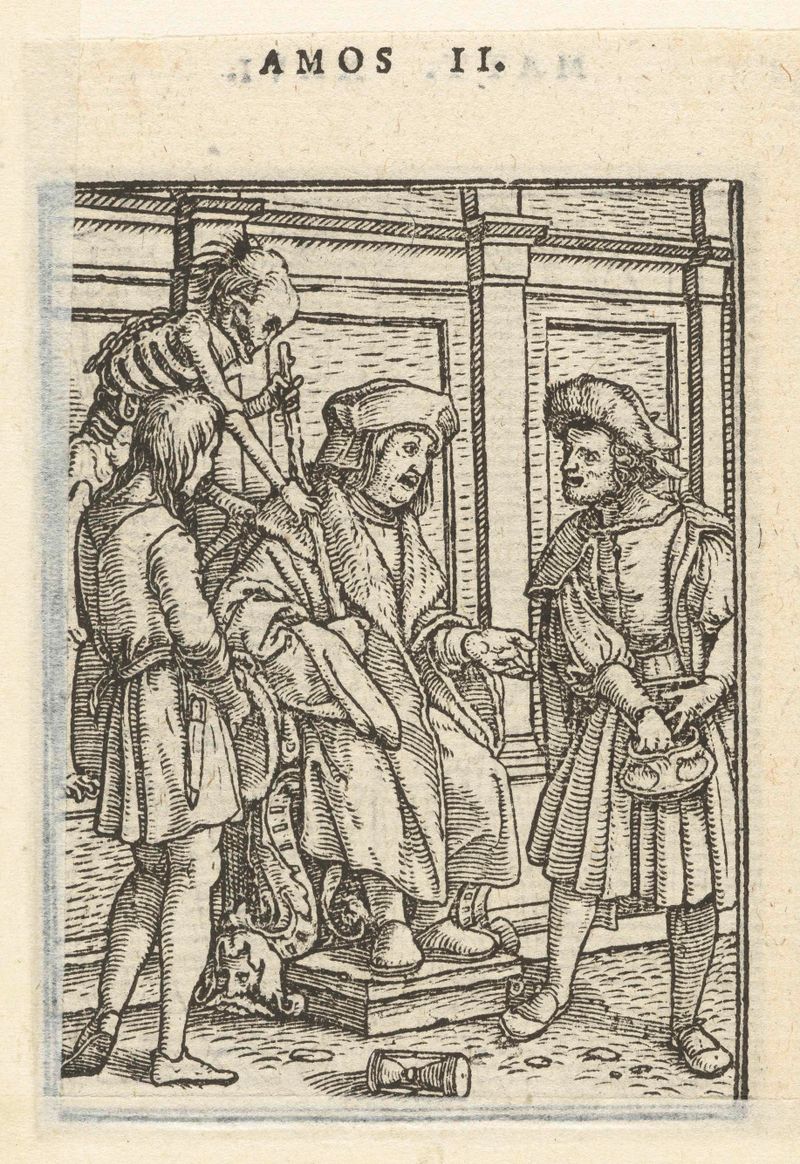
Rechter en de Dood
Hans Holbein (II)
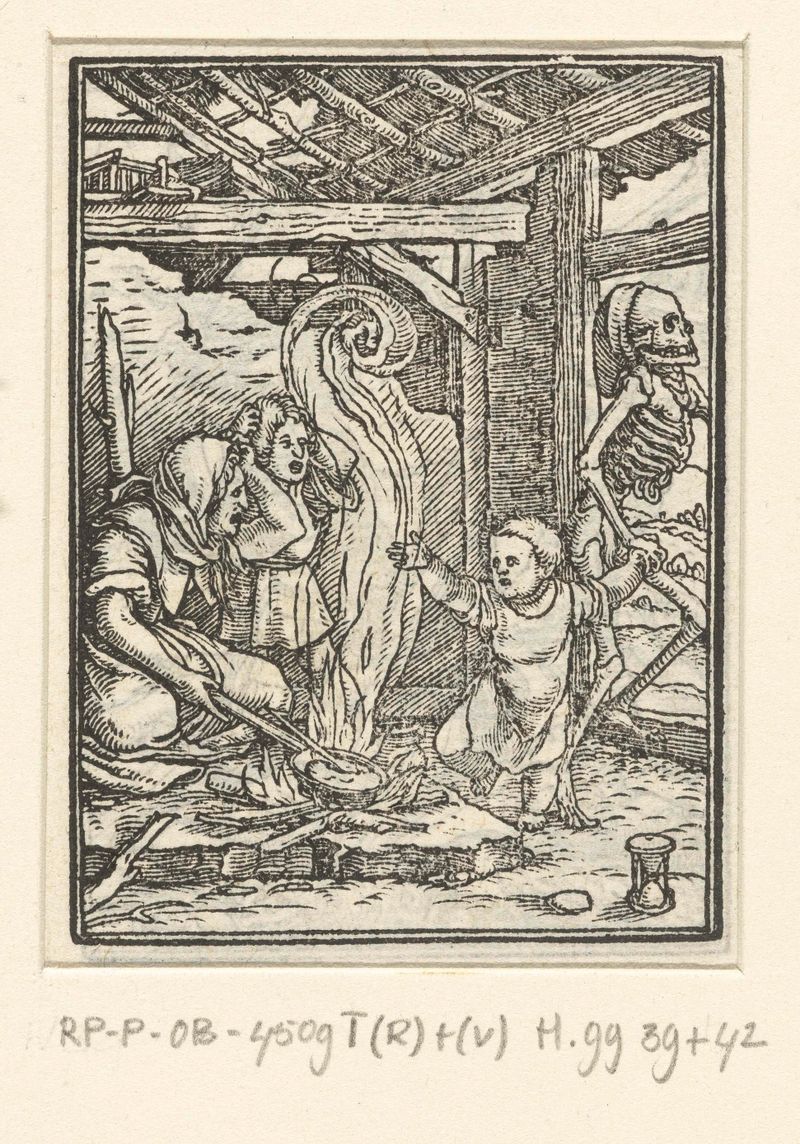
Kind en de Dood
Hans Holbein (II)
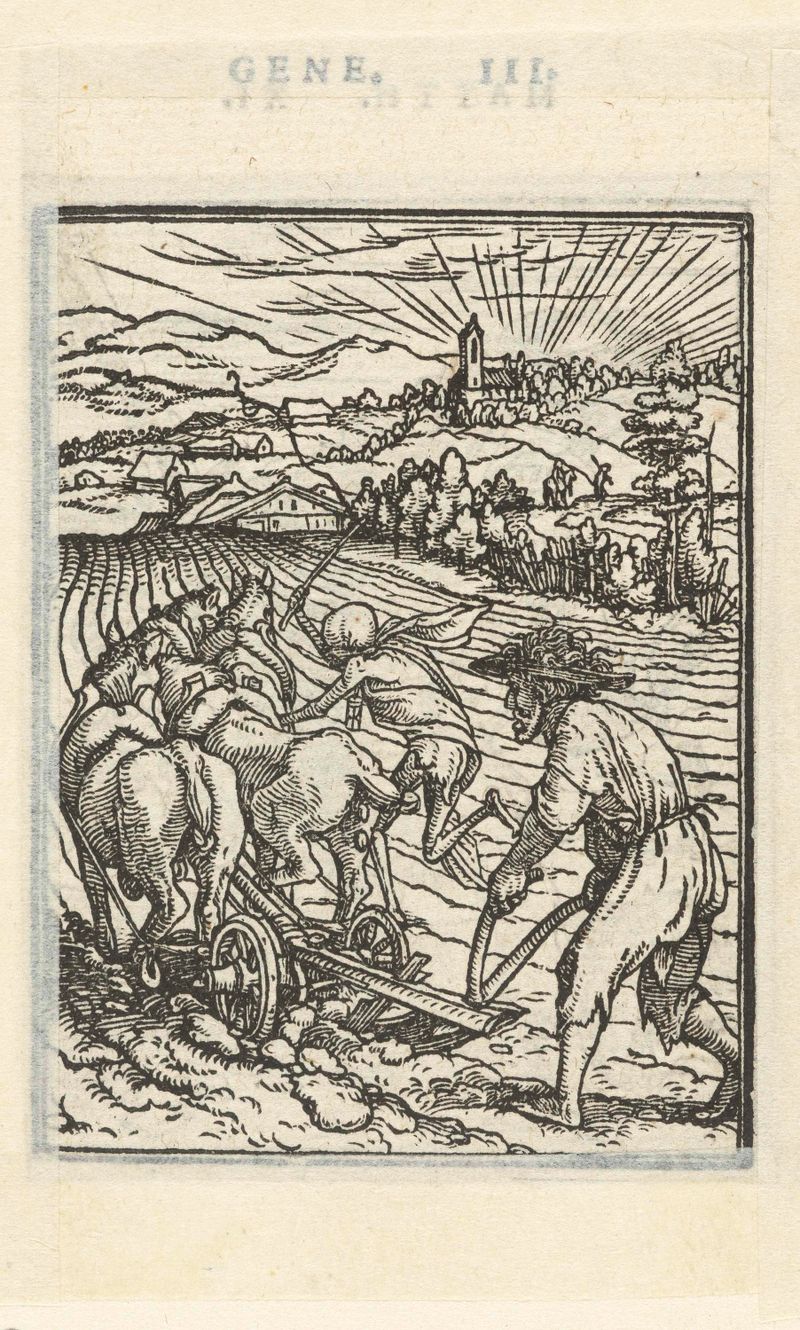
Boer en de Dood
Hans Holbein (II)
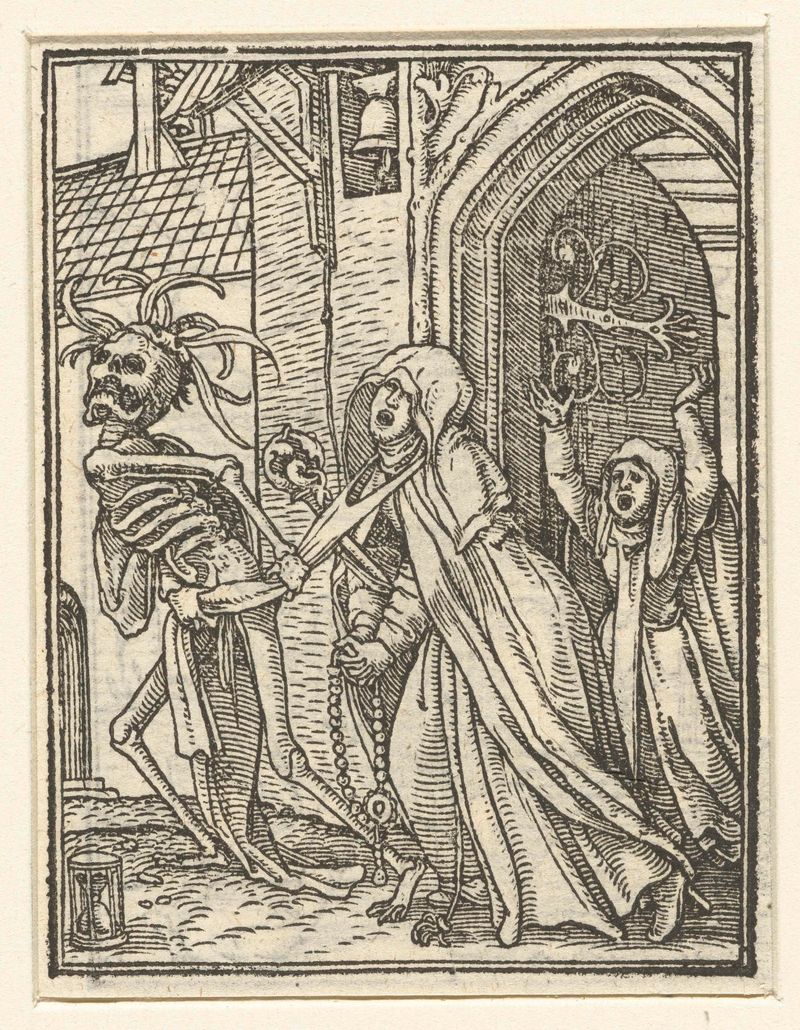
Abdis en de Dood
Hans Holbein (II)
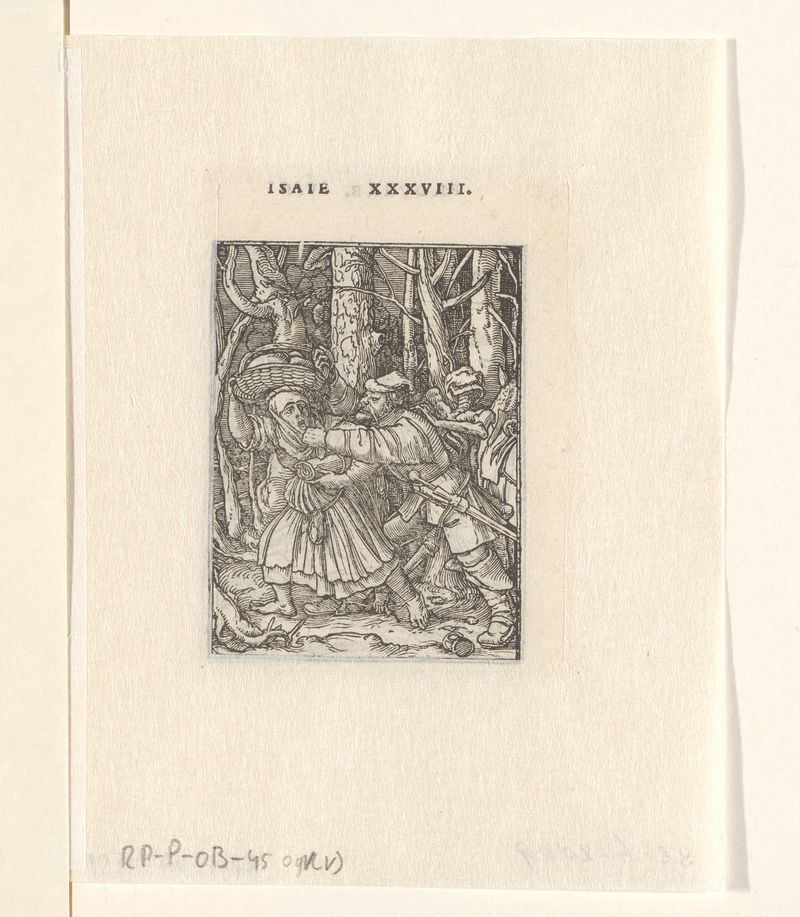
Dief en de Dood
Hans Holbein (II)
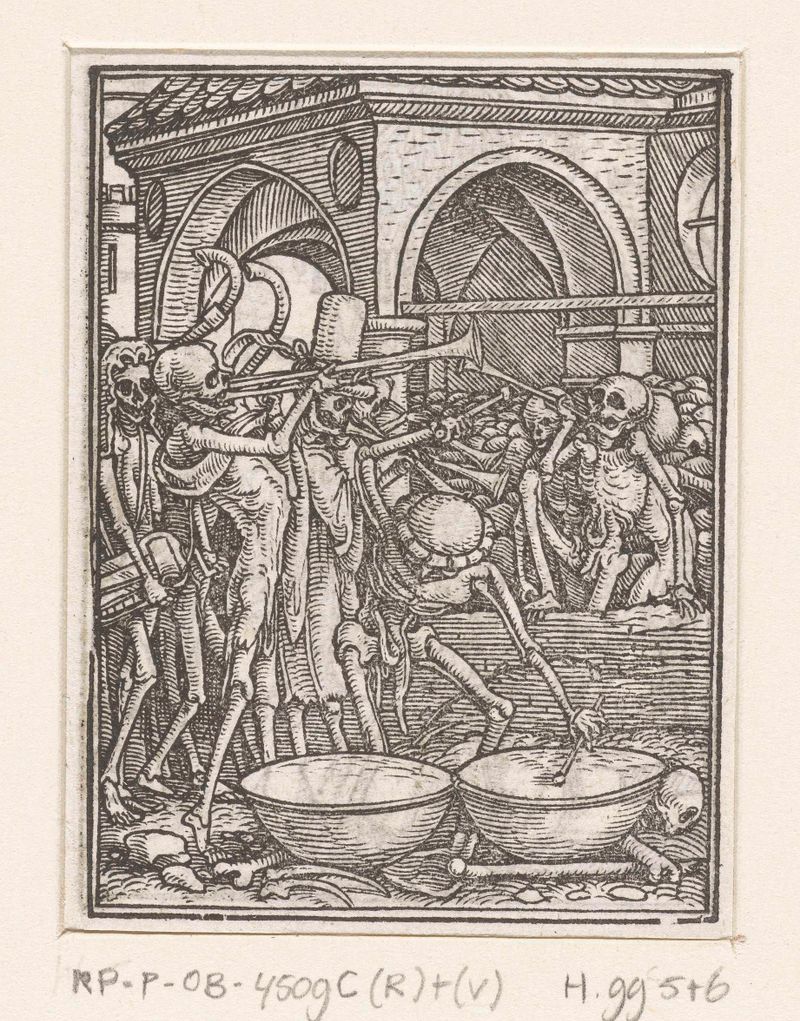
Skeletons Making Music from Dance of the Dead
Hans Holbein (II)
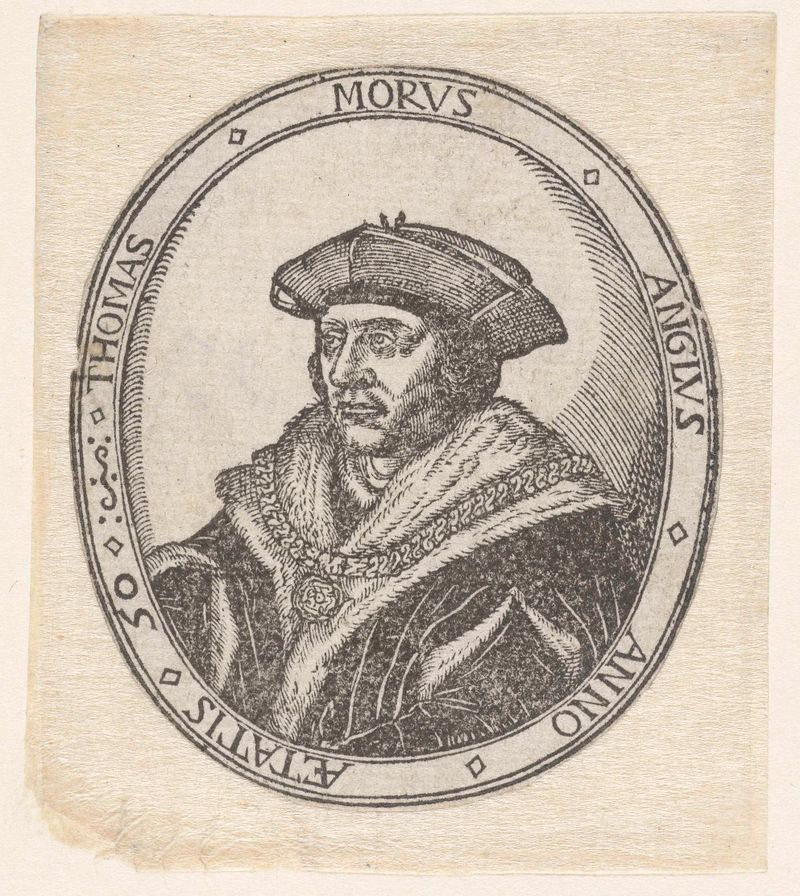
Portret van Thomas More
Hans Holbein (II)
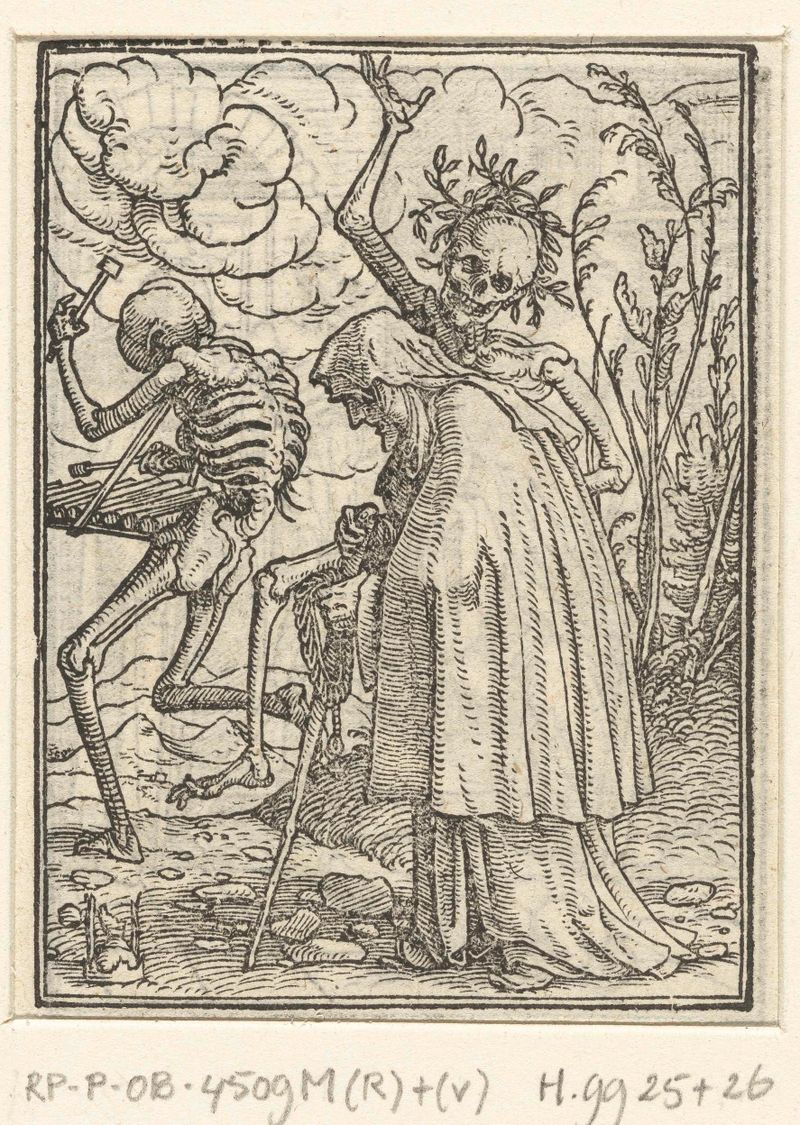
Oude vrouw en de Dood
Hans Holbein (II)





