
Hameau Cousin à Gréville — History & Facts
Did the painter know this moment would outlive them? A fleeting shadow cast softly across the rustic landscape captures an eternity of labor, longing, and simplicity. Look to the left at the gentle curve of the earth, where the golden fields blend seamlessly into the deepening blue of the sky. The warm earth tones of ochre and sienna dominate, evoking the richness of the land, while the darker shades in the foreground create a sense of depth and grounding. Notice how the light bathes the scene, illuminating the thatched roofs and a solitary figure tending to the crops, their silhouette stark against the radiant backdrop.
This careful orchestration of light and shadow draws the viewer into a tranquil yet poignant moment, highlighting the harmony between humanity and nature. Yet beneath this serene exterior lies a profound tension. The shadows stretch long, hinting at the passage of time and the weight of toil. The lone figure, rendered small against the vastness of the fields, embodies both the pride and isolation of rural life.
The contrasting light illuminates not just the landscape but the emotional nuances of labor—each stroke of the brush echoing the rhythm of life's cycles. The simplicity of the moment belies the complexity of existence, revealing how every shadow carries the echoes of countless stories untold. In 1873, while working in Barbizon, a movement centered on portraying rural life, the artist was deeply immersed in the themes of nature and agrarian existence. Millet's dedication to capturing the dignity of laborers resonated with the societal changes of his time, as industrialization began to overshadow traditional ways of life.
This painting reflects not only his artistic evolution but also the cultural tensions swirling around him, making this moment a testament to both the beauty and the struggles of the agrarian experience.
More Artworks by Jean-François Millet
Browse all →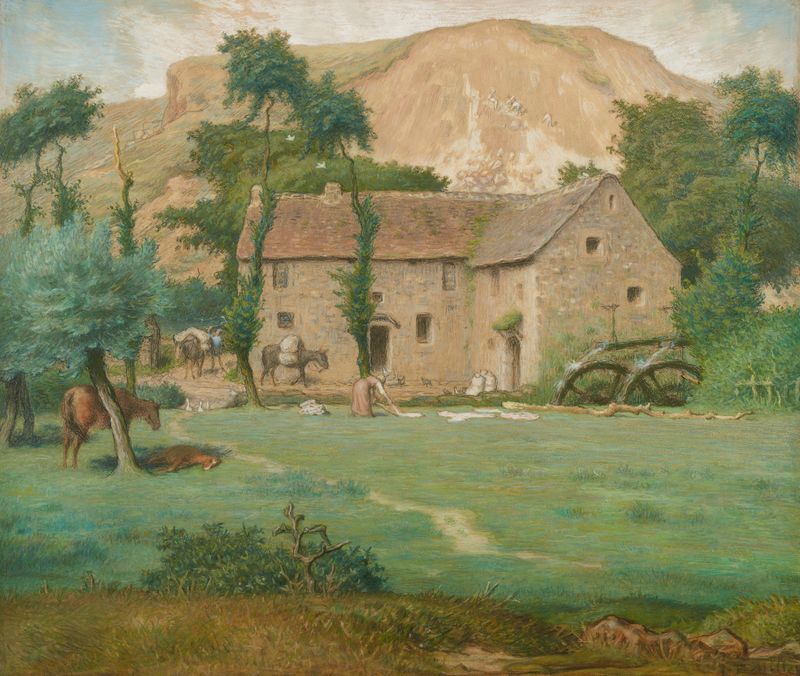
Watermill at the Foot of a Mountain, Allier
Jean-François Millet
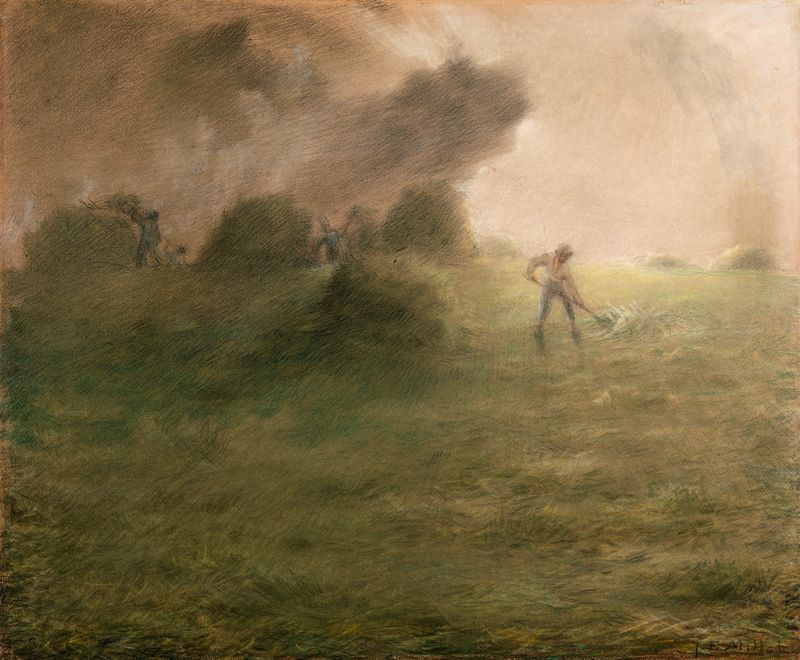
A Storm during Haymaking
Jean-François Millet
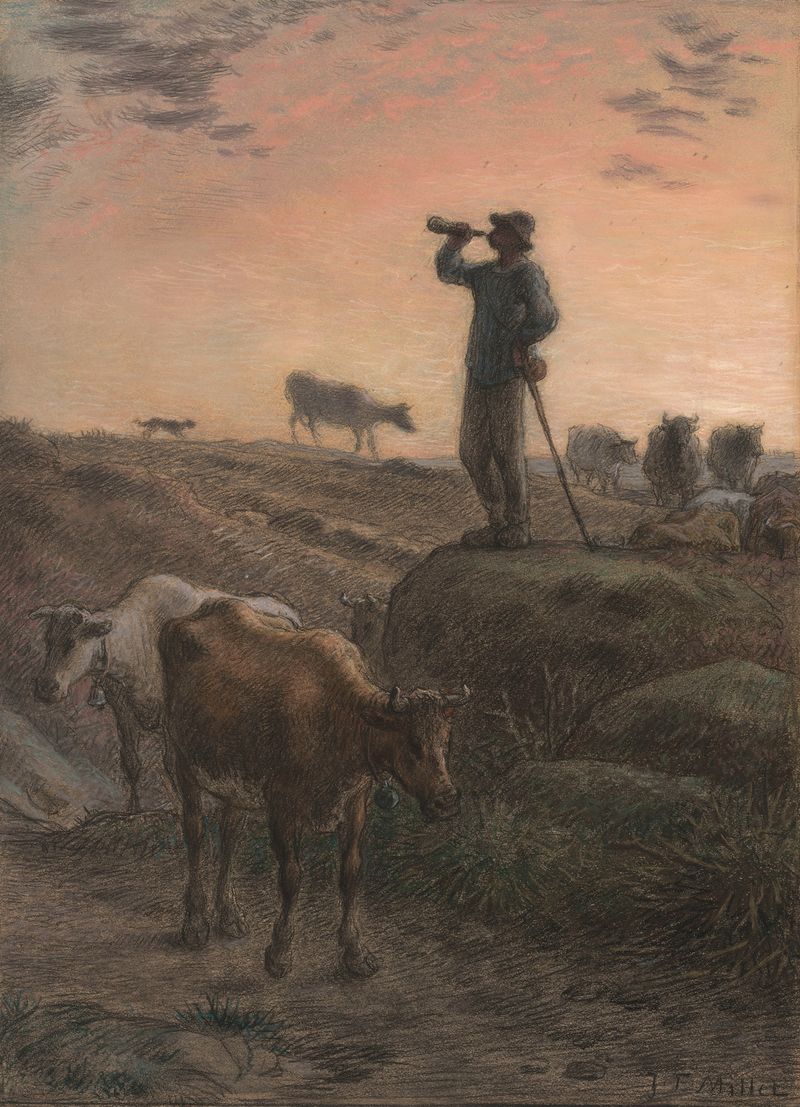
Calling Home the Cows
Jean-François Millet
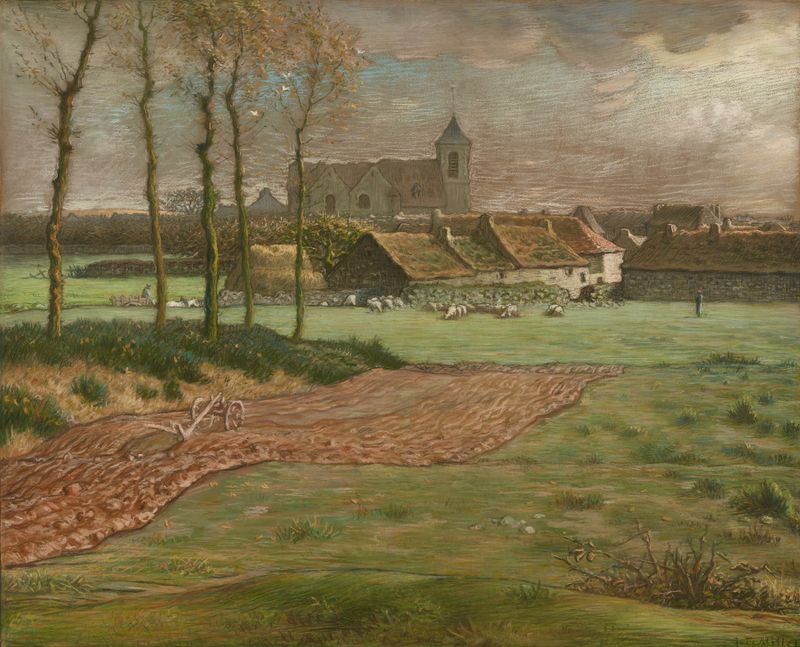
The Church at Chailly
Jean-François Millet
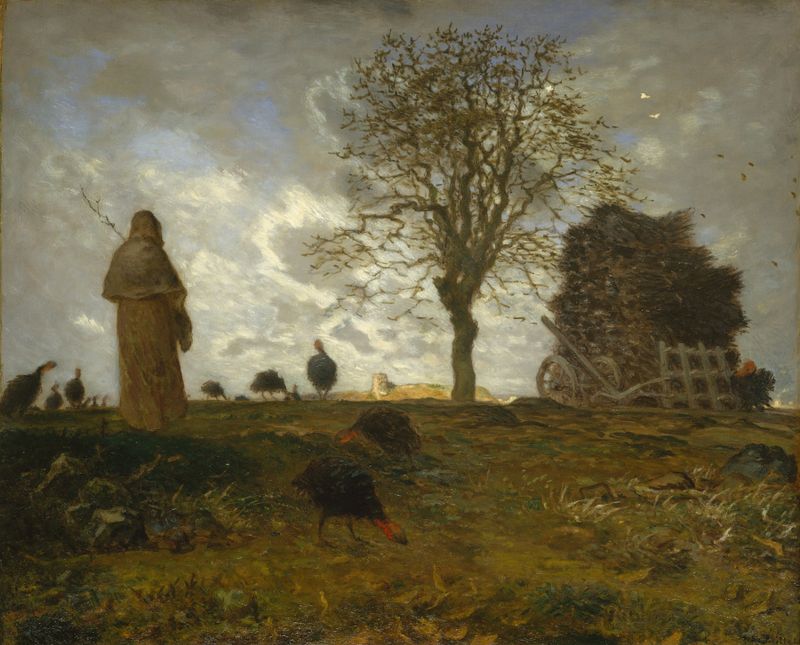
Autumn Landscape with a Flock of Turkeys
Jean-François Millet
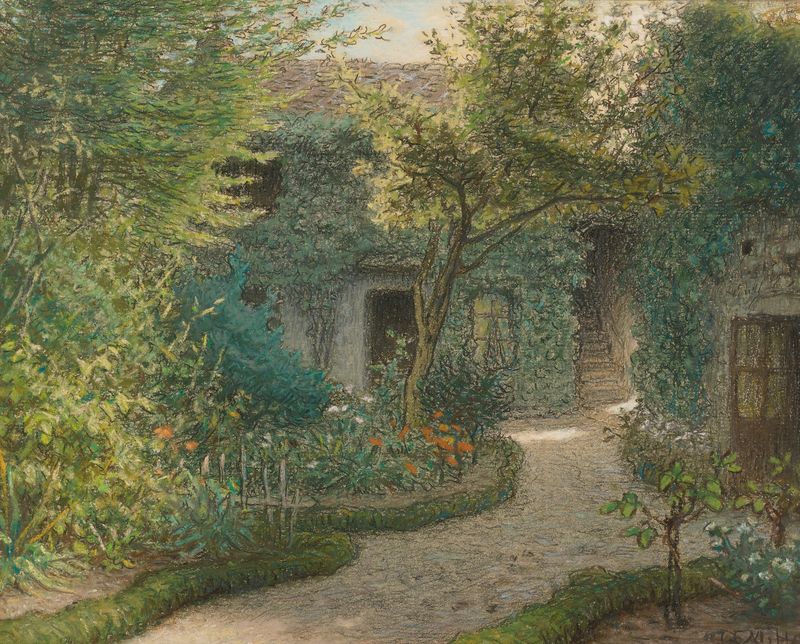
Théodore Rousseau’s House In Barbizon
Jean-François Millet
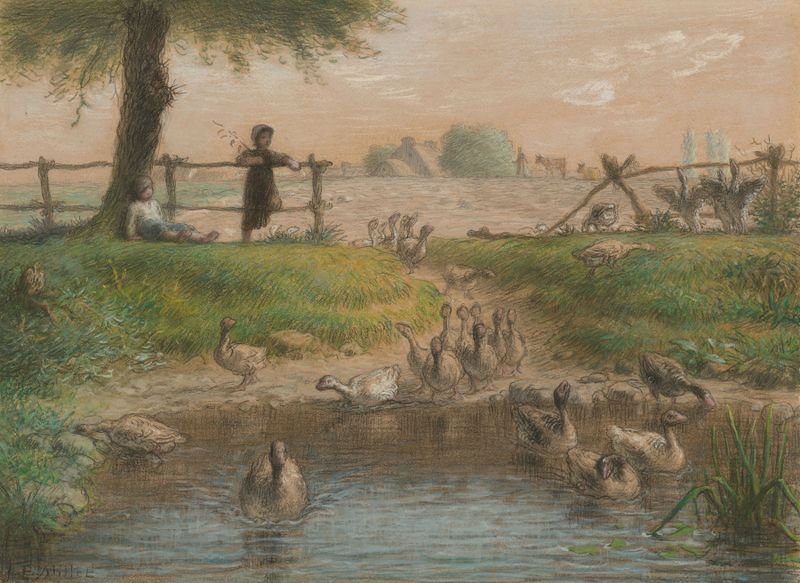
Peasant Children at Goose Pond
Jean-François Millet
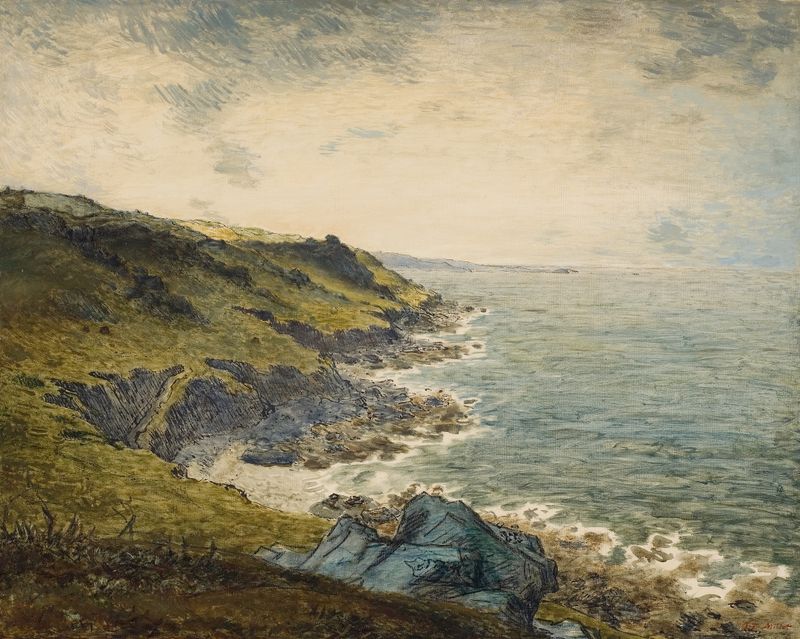
The Coast at Gréville
Jean-François Millet
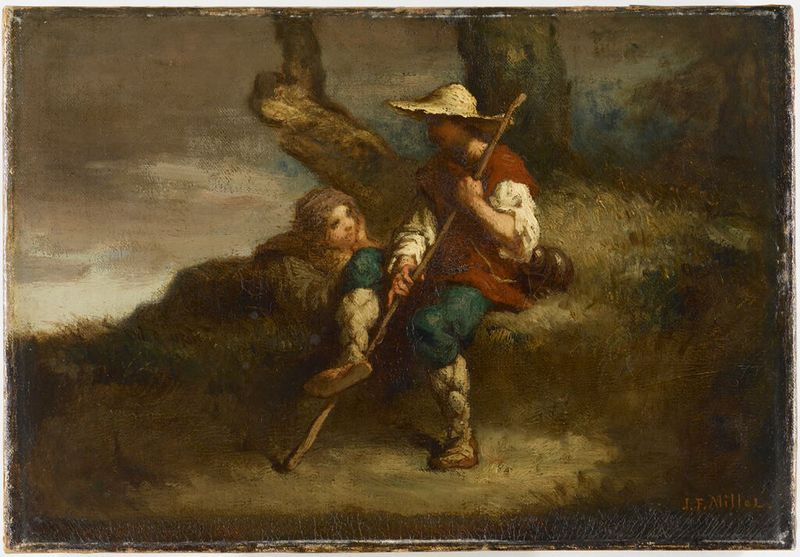
Shepherds Resting
Jean-François Millet
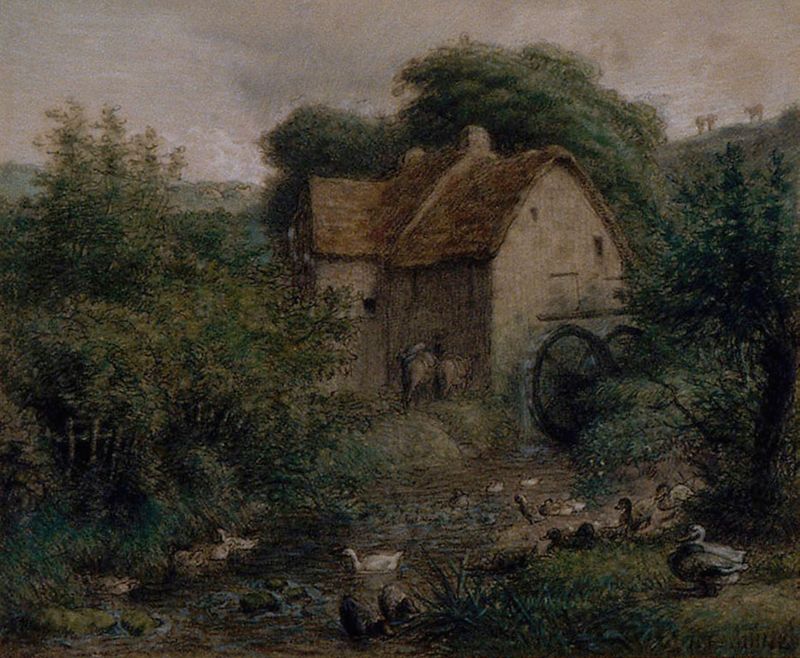
The Old Mill
Jean-François Millet





